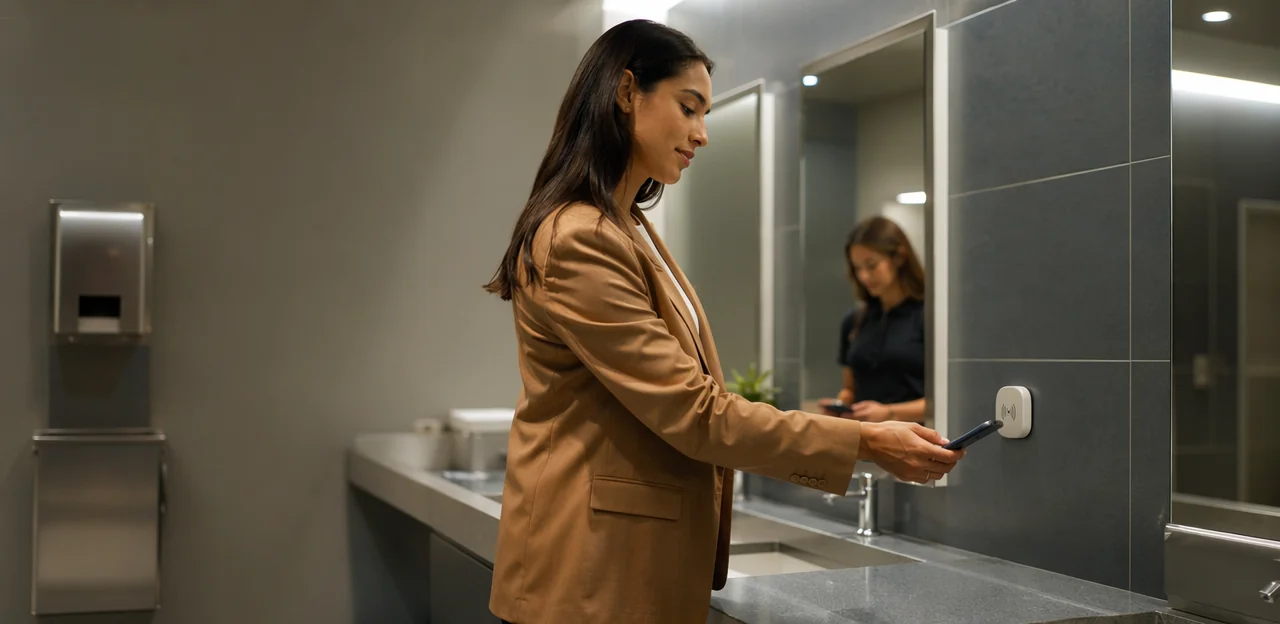
A spotless restroom, a broken dispenser, an overflowing bin, a flickering light—small facility issues can shape a customer’s entire impression of a business. In every industry, from hospitality and retail to healthcare, offices, and transport hubs, these moments directly affect trust, comfort, and brand perception. That’s why nfc feedback restrooms is becoming an increasingly practical way to capture concerns the moment they happen, instead of discovering them later through complaints or negative reviews.
By placing simple tap-or-scan touchpoints at key locations, businesses can turn routine facility checks into real-time customer feedback opportunities. Instead of relying only on traditional customer feedback surveys sent long after a visit, teams can collect immediate user feedback through a quick feedback form that is easy to complete on the spot. This creates faster visibility into cleanliness, maintenance, accessibility, and service gaps—while giving operations teams the data they need to respond quickly.
In this article, we’ll explore how NFC-enabled touchpoints improve service recovery, strengthen customer experience, and support smarter operations across industries. We’ll also look at the role of customer feedback tools, effective feedback questions, and modern feedback software in turning everyday facility issues into actionable insights.
Why NFC feedback restrooms matter across industries
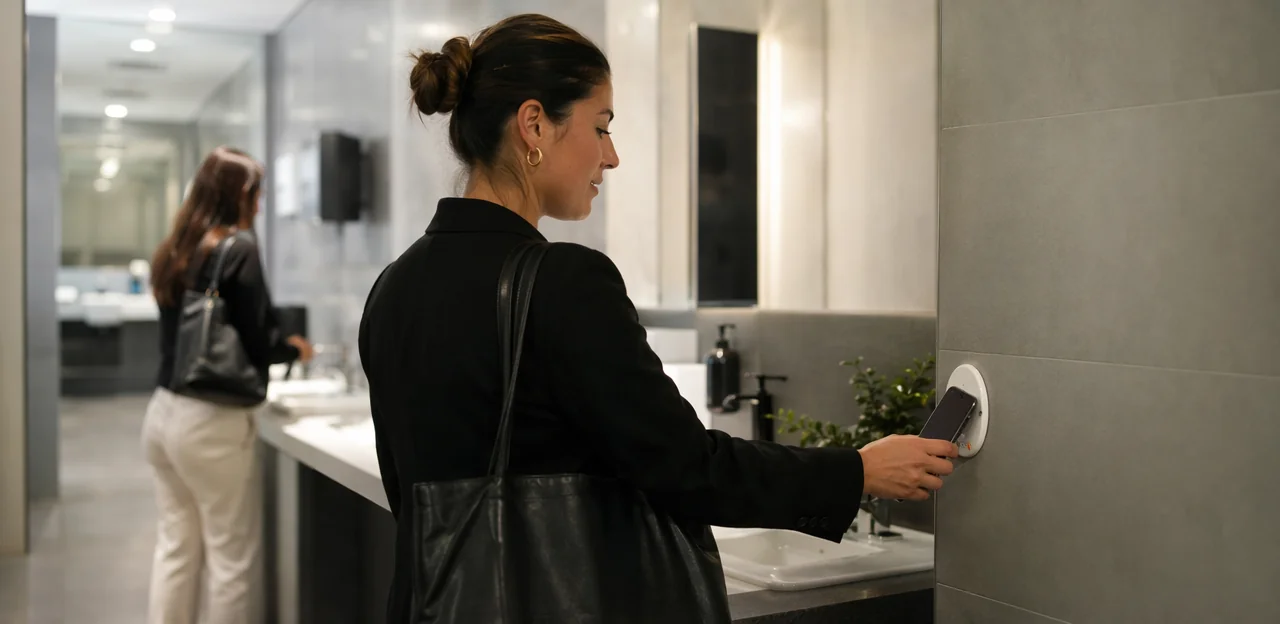
Unresolved restroom and facility issues create immediate operational costs because they are public, memorable, and fast to influence perception. In retail, hospitality, healthcare, offices, transportation hubs, education, and public venues, a dirty stall, empty soap dispenser, leak, or broken lock can quickly damage trust and reduce repeat visits.
- Customer experience suffers first: visible problems trigger negative user feedback and lower satisfaction.
- Brand trust declines: guests often judge overall standards by restroom condition.
- Employee workload rises: teams spend more time reacting to complaints instead of preventing them.
- Compliance risk increases: missed cleaning, safety, or accessibility issues can escalate into formal incidents.
Using nfc feedback restrooms helps capture real-time customer feedback through a simple feedback form, improving response speed. Paired with customer feedback surveys, smart feedback questions, and feedback software, these customer feedback tools turn time-sensitive issues into faster service recovery.
How NFC and QR touchpoints reduce friction in reporting
With nfc feedback restrooms, guests can simply tap or scan NFC & QR touchpoints to open a mobile-friendly feedback form instantly—no app download, login, or account setup required. That convenience removes the biggest barrier to timely customer feedback.
- Fast access: A tap or scan takes users straight to short, focused feedback questions while the experience is still fresh.
- Higher accessibility: Mobile browser-based customer feedback surveys work across most smartphones, making participation easy for more visitors.
- Better response rates: Compared with email or SMS requests sent later, on-the-spot prompts capture more relevant user feedback before guests leave.
- Operational value: Teams using modern customer feedback tools and feedback software can spot restroom or facility issues faster and act before complaints escalate.
Low-friction reporting turns small touchpoints into reliable service-recovery channels.
Where this approach fits in a modern CX and operations strategy
nfc feedback restrooms works best as one layer of a broader CX and operations program, not a standalone tactic. It connects real-time customer feedback at a high-friction touchpoint with faster action, better accountability, and measurable outcomes.
- Use simple feedback form flows and focused feedback questions to capture cleanliness, supplies, safety, and accessibility issues.
- Route responses from customer feedback surveys into maintenance tickets, staff alerts, and escalation paths for immediate service recovery.
- Combine restroom signals with other customer feedback tools across lobbies, dining areas, clinics, stores, or venues to spot recurring operational gaps.
- Track trends in feedback software to measure response times, issue resolution, satisfaction lift, and repeat complaints.
This turns user feedback into an operational dataset that improves standards, protects brand perception, and supports smarter staffing and maintenance decisions.
How an NFC restroom feedback system works

From tap to ticket: the end-to-end workflow
With nfc feedback restrooms, the reporting journey is designed to be frictionless and fast:
- Tap or scan at the touchpoint — Guests use an NFC tag or QR code placed at the entrance, stall, sink, or exit.
- Open a mobile-friendly feedback form — No app download is needed. The form can include simple feedback questions about cleanliness, supplies, odors, damage, or safety.
- Submit instant customer feedback — In seconds, staff receive structured user feedback through connected feedback software.
- Route alerts automatically — Urgent issues, like spills or empty dispensers, trigger notifications to the right team or location manager.
- Create and track tasks — Integrated customer feedback tools turn responses from customer feedback surveys into tickets with timestamps, ownership, and status updates.
- Resolve and verify — Teams complete the task, log actions, and maintain accountability with clear audit trails.
What feedback questions to ask for useful data
For nfc feedback restrooms, keep the feedback form short, specific, and easy to complete in seconds. The best customer feedback surveys combine fast ratings with one optional comment box for richer user feedback.
Ask practical feedback questions such as:
- How clean was the restroom today?
- Was there any unpleasant odor?
- Were soap, paper towels, or toilet paper fully stocked?
- Did you experience a wait time?
- Was the restroom accessible and easy to use?
- Did you notice any damage, leaks, or broken fixtures?
- Did you feel safe in this area?
Use 1–5 ratings or yes/no choices so teams can spot issues quickly in feedback software and route urgent tasks fast. Then add: “What should we fix right now?” Open text gives context that customer feedback tools need to turn raw customer feedback into action.
Designing touchpoints for high participation and accurate reporting
To make nfc feedback restrooms effective, design each touchpoint for speed, clarity, and trust. Strong placement and mobile UX improve both response rates and data quality.
- Place tags where issues are noticed: near exits, mirrors, sinks, stalls, and supply stations so customer feedback is captured in context.
- Use clear signage: short prompts like “Spot an issue? Tap to report in 10 seconds” increase participation in customer feedback surveys.
- Support multiple languages: offer multilingual prompts and auto-detect browser language to widen access and improve user feedback quality.
- Prioritize accessibility: high-contrast text, large tap targets, screen-reader-friendly pages, and QR backup help more users complete the feedback form.
- Keep forms short: ask 2–4 focused feedback questions, then optional detail fields, photo upload, or issue category for operations teams.
The best customer feedback tools and feedback software balance simplicity with enough detail to speed service recovery.
Using AI and analytics to prioritize facility issues

Turning raw responses into actionable insights
With nfc feedback restrooms, the real value starts after the tap. Modern feedback software uses AI & Analytics to turn every feedback form submission into structured insight your team can act on fast. Instead of reading comments one by one, managers can spot patterns across all customer feedback surveys.
- Issue type: broken locks, low supplies, odors, cleanliness, leaks
- Urgency: safety risks, service failures, routine maintenance
- Location: floor, building, stall, restroom zone, venue
- Time: peak complaint hours, shift trends, recurring weekly issues
- Sentiment: frustrated, neutral, satisfied, or positive user feedback
Dashboards help operators identify recurring restroom problems, compare underperforming facilities, and prioritize fixes before complaints escalate. The best customer feedback tools also connect feedback questions to service recovery workflows, making customer feedback more useful, measurable, and operationally actionable.
Automating alerts, escalation, and service recovery
With nfc feedback restrooms, issues can move from a simple feedback form to real-time action in seconds. Modern feedback software uses rules-based workflows and AI scoring to detect urgency from customer feedback, user feedback, and short customer feedback surveys, helping teams respond before small problems become complaints or safety incidents.
- Trigger instant alerts when feedback questions mention flooding, blocked toilets, broken locks, odors, or missing soap.
- Use AI to score severity and route tasks automatically to cleaners, maintenance teams, or site managers.
- Escalate unresolved issues after set time limits, with reminders and status updates.
- Centralize signals from multiple customer feedback tools so everyone sees the same priority queue.
This improves service recovery by speeding response times, reducing confusion, and creating better coordination across frontline teams.
Measuring performance with the right KPIs
To make nfc feedback restrooms effective, track KPIs that connect operational fixes to guest experience outcomes. The best customer feedback tools and feedback software turn each tap-based feedback form into measurable insight.
- Response rate: Compare scans or taps to restroom traffic to see whether your customer feedback surveys are easy to access and relevant.
- Time to acknowledge: Measure how quickly staff recognize an issue after user feedback is submitted.
- Time to resolve: Track the average time from alert to completed fix.
- Repeat issue frequency: Identify recurring complaints by location, shift, or asset.
- Cleanliness score trends: Use consistent feedback questions to monitor standards over time.
- Customer satisfaction improvements: Compare before-and-after customer feedback scores following process changes.
These analytics prove ROI by showing fewer complaints, faster recovery, and smarter staffing based on peak issue periods.
Best practices for implementation and adoption

Choosing the right locations and issue categories
For nfc feedback restrooms, place tags where issues are noticed immediately: restroom exits, sink areas, stall doors, cleaning stations, elevators, and service desks. QR codes should be visible as a backup on signs or mirrors. Match placement to traffic and response urgency.
- Single-site businesses: use simple categories like cleanliness, supplies, odor, and maintenance.
- Multi-location chains: standardize a core feedback form for consistent operations reporting, then add site-specific options.
- Campuses, airports, hospitals, event venues: tag high-volume zones, family restrooms, entrances, waiting areas, and temporary facilities.
Keep feedback questions short and action-based. Good customer feedback surveys and customer feedback tools should capture user feedback fast, route issues correctly, and help feedback software turn customer feedback into action.
Integrating with existing maintenance and CX systems
To get the most from nfc feedback restrooms, connect your feedback software to the systems teams already use. Centralizing customer feedback with operational data helps facilities respond faster, spot recurring issues, and improve service recovery.
- Send restroom feedback form submissions directly into help desk tools or CMMS platforms as work orders for cleaning, repairs, or supply refills.
- Route urgent user feedback through messaging apps like Slack or Teams so on-site staff can act immediately.
- Sync customer feedback surveys and feedback questions with CRM systems to link issue history, location, and guest sentiment.
- Feed all data into reporting dashboards to track trends, closure times, recurring complaints, and performance by site.
When customer feedback tools work together, every signal becomes actionable.
Training teams to close the loop effectively
For nfc feedback restrooms to drive real improvement, teams need a clear response process tied to accountability and speed. Every alert from a feedback form or other customer feedback tools should trigger action, not just reporting.
- Assign ownership immediately: Managers route user feedback to the right frontline staff member or supervisor.
- Verify the issue fast: Check the restroom or facility in person and confirm whether the problem is cleanliness, supplies, damage, or access.
- Update status in your feedback software: Mark alerts as received, in progress, and resolved so nothing is missed.
- Set internal SLAs: Define response times for urgent and routine issues from customer feedback surveys.
- Show visible service recovery: Restock, clean, repair, and, when appropriate, communicate resolution so guests see that customer feedback leads to action.
Strong feedback questions and fast service recovery turn complaints into trust.
Common challenges and how to overcome them

Low participation, vague reports, and survey fatigue
Many nfc feedback restrooms programs fail because the prompt is easy to miss, the feedback form is too long, or the feedback questions are too vague to drive action. Repetitive customer feedback surveys also create survey fatigue, reducing useful user feedback.
- Place signs at the exit, mirror, or hand-dryer area with a clear call to action.
- Keep the feedback form to 1–3 taps, such as cleanliness, supplies, and maintenance.
- Use specific feedback questions like “Was soap available?” instead of “Any issues?”
- Allow optional photo uploads for spills, damage, or empty dispensers.
- Use customer feedback tools and feedback software to route urgent customer feedback instantly to operations teams.
This approach improves response rates and makes customer feedback surveys more actionable.
Privacy, misuse, and data quality concerns
To make nfc feedback restrooms effective, businesses should collect user feedback responsibly and keep reporting credible. Good feedback software should support privacy-by-design and simple moderation workflows.
- Minimize personal data: Keep the feedback form short, avoid unnecessary names or contact details, and make identity fields optional unless follow-up is essential.
- Prevent spam and abuse: Use rate limits, duplicate detection, QR/NFC location tagging, and basic moderation to stop fake submissions from distorting customer feedback.
- Improve data quality: Ask clear feedback questions tied to cleanliness, supplies, safety, or maintenance so customer feedback surveys produce actionable insights.
- Set governance rules: Limit access, define retention periods, audit reports regularly, and train teams to use customer feedback tools ethically and consistently.
With the right controls, customer feedback becomes more trustworthy, useful, and easier to act on.
Balancing speed with operational follow-through
nfc feedback restrooms can surface issues instantly, but fast collection only matters if teams act on it. Without structure, customer feedback tools create alert fatigue, vague accountability, and unresolved tickets that weaken service recovery and daily operations.
To keep feedback software useful:
- Set triage rules: Route cleanliness, supplies, and safety issues by severity and location.
- Assign clear owners: Every feedback form submission should map to one team or shift lead.
- Use smart thresholds: Trigger alerts only for urgent customer feedback, repeated user feedback, or low scores in customer feedback surveys.
- Review on a cadence: Check critical alerts in real time, trends daily, and recurring feedback questions weekly.
This turns customer feedback into action, not noise.
Industry use cases and strategic business impact

Retail, restaurants, and hospitality examples
In customer-facing spaces, restroom quality often shapes the entire brand impression. nfc feedback restrooms give guests a fast way to report issues the moment they notice them, helping teams protect cleanliness standards and recover service before frustration spreads.
- Retail stores: Use a tap-to-open feedback form near exits so shoppers can flag empty dispensers, odors, or cleaning gaps.
- Restaurants: Turn quick customer feedback surveys into instant alerts for managers, enabling faster service recovery during busy shifts.
- Hotels and venues: Collect user feedback on restroom condition to support more consistent housekeeping and stronger guest satisfaction.
With the right customer feedback tools, smart feedback questions, and connected feedback software, businesses can turn restroom insights into better operations, cleaner facilities, and stronger brand perception.
Healthcare, education, offices, and public facilities
In healthcare, schools, offices, and civic buildings, nfc feedback restrooms helps teams catch hygiene, accessibility, and safety issues before they escalate. A simple tap-to-open feedback form makes user feedback easy for patients, students, staff, and visitors, even in high-traffic environments.
- Report urgent issues like empty soap dispensers, wet floors, odors, broken locks, or accessibility barriers
- Use targeted feedback questions to improve cleaning schedules, supplies, and response times
- Turn customer feedback surveys into real-time alerts for facilities, housekeeping, or compliance teams
- Track trends with feedback software to support audits, occupant comfort, and operational planning
For complex sites, smart customer feedback tools transform everyday customer feedback into faster service recovery and more efficient facility management.
Building a long-term voice-of-customer loop
The real value of nfc feedback restrooms goes beyond fixing a single issue. When every restroom tap or scan feeds a shared system, frontline reports become part of a larger voice-of-customer program powered by AI & Analytics. Over time, this turns simple customer feedback surveys into operational intelligence across sites, teams, and service categories.
- Standardize a short feedback form with consistent feedback questions across locations
- Combine restroom customer feedback with cleaning logs, maintenance tickets, and staffing data
- Use customer feedback tools and feedback software to spot repeat issues, peak problem times, and location trends
- Turn user feedback into action plans for facilities, operations, and customer experience teams
This creates continuous improvement, not one-off fixes.
Conclusion
In every industry, restroom and facility conditions shape how people judge the entire customer experience. That’s why nfc feedback restrooms is more than a convenience—it’s a faster, smarter way to capture issues at the exact moment they happen. Instead of waiting for complaints to surface later, businesses can use tap-or-scan touchpoints to collect real-time customer feedback, trigger service recovery, and turn everyday maintenance into a measurable part of operational excellence.
When paired with the right feedback software, simple on-site prompts can become powerful customer feedback surveys that reveal trends, highlight recurring pain points, and improve response times. A well-designed digital feedback form also makes it easy to gather actionable user feedback, ask the right feedback questions, and equip teams with better customer feedback tools for analytics and continuous improvement. Add AI and reporting, and facility teams can move from reactive fixes to proactive decision-making.
The next step is clear: audit your highest-traffic restrooms and facility touchpoints, identify where real-time feedback would have the biggest impact, and deploy a scalable system for nfc feedback restrooms. If you’re ready to modernize issue reporting and service recovery, explore solutions like Tapsy, review your current feedback workflows, and build a process that turns every tap into insight, action, and better experiences.
Frequently Asked Questions
- What is NFC feedback for restrooms?
It is a tap-or-scan reporting method that lets visitors submit restroom or facility issues the moment they notice them. Businesses place NFC tags or QR codes at key locations so people can open a mobile-friendly feedback form and report cleanliness, supply, safety, or maintenance problems in seconds.
- Why do restroom issues matter so much for customer experience?
Visible problems like dirty stalls, empty dispensers, leaks, or broken locks can quickly damage trust and shape how people judge the whole business. They also increase employee workload and can raise compliance or safety risks if they are missed.
- How does an NFC restroom feedback system work from report to resolution?
A guest taps an NFC tag or scans a QR code, opens a short form, and submits feedback without downloading an app. The response is sent through feedback software, urgent issues can trigger alerts, tasks can be created automatically, and teams can track ownership, status, and resolution.
- How is on-site NFC feedback different from traditional customer feedback surveys?
On-site NFC feedback captures the experience while it is still fresh, instead of waiting for email or SMS surveys sent later. That makes it easier to collect more relevant feedback and respond before complaints turn into negative reviews or bigger service failures.
- What questions should a restroom feedback form include?
The most useful forms ask short, practical questions about cleanliness, odors, stocked supplies, wait time, accessibility, damage, leaks, broken fixtures, and safety. Simple 1–5 ratings or yes/no choices work well, with one optional comment such as asking what should be fixed right now.
- How many questions should be on the form?
Keep the form short enough to complete in seconds. A focused set of 2–4 questions, plus optional details like comments, issue category, or photo upload, helps improve participation while still giving operations teams enough context to act.
- Where should NFC tags or QR codes be placed for the best results?
Place them where people notice issues in context, such as near exits, mirrors, sinks, stalls, supply stations, cleaning stations, elevators, and service desks. High-traffic and high-urgency areas are especially important, and QR codes should remain visible as a backup.
- How can businesses increase participation in restroom feedback reporting?
Use clear signage with simple prompts, make the form mobile-friendly, and remove barriers like app downloads or logins. Short forms, strong placement, multilingual support, accessibility features, and QR backup all help more visitors complete the report.
- What role do AI and analytics play in restroom issue reporting?
AI and analytics help turn raw responses into structured insight by identifying issue type, urgency, location, timing, and sentiment. Dashboards make it easier to spot recurring problems, compare facilities, and prioritize fixes before issues escalate.
- Can restroom feedback be routed automatically to maintenance or cleaning teams?
Yes, connected feedback software can route submissions into alerts, tickets, or work orders automatically. Rules-based workflows and AI scoring can send urgent issues like flooding, blocked toilets, broken locks, odors, or missing soap to the right team or manager.
- Which KPIs are most useful for measuring success?
Useful metrics include response rate, time to acknowledge, time to resolve, repeat issue frequency, cleanliness score trends, and customer satisfaction improvements. These measures connect operational performance to guest experience and help show whether service recovery is improving.
- How can businesses avoid low participation and vague reports?
Prompts should be easy to see, and forms should be limited to a few specific questions that lead to action. Asking direct questions like whether soap was available, and allowing optional photo uploads for spills or damage, improves both response quality and usefulness.
- What privacy and data quality safeguards should be used?
Good practice is to minimize personal data, keep identity fields optional unless follow-up is necessary, and use rate limits, duplicate detection, and location tagging to reduce spam or misuse. Clear governance, retention rules, audits, and ethical team training also help keep reports trustworthy.
- Which industries benefit most from NFC restroom feedback?
It is useful across hospitality, retail, healthcare, offices, transportation hubs, education, restaurants, hotels, public venues, airports, hospitals, schools, and civic buildings. Any environment where restroom cleanliness, safety, accessibility, and maintenance affect trust and comfort can benefit.
- How does restroom feedback fit into a broader CX and operations strategy?
It works best as one layer of a larger program that connects real-time feedback to maintenance tickets, staff alerts, escalation paths, and reporting dashboards. When combined with cleaning logs, staffing data, and other customer feedback tools, it supports continuous improvement instead of one-off fixes.