
A thank-you delivered at the right moment can turn a routine transaction into the start of a lasting relationship. That is why nfc rewards are gaining attention across industries, from hospitality and retail to events, healthcare, and workplace services. By letting customers tap a phone and receive an instant benefit, businesses can remove friction, increase engagement, and make appreciation feel immediate rather than delayed.
As brands look for smarter ways to strengthen loyalty, many are rethinking how to create a rewards program for customers that feels simple, fast, and worthwhile. NFC technology supports electronic rewards that are easy to deliver, easy to redeem, and far more convenient than traditional paper vouchers or slow follow-up emails. It also opens the door to a more seamless rewards application experience, connecting physical touchpoints with digital journeys, apps and rewards, and even an app rewards app strategy when mobile ecosystems are part of the customer experience.
This article explores how NFC-powered loyalty and rewards programs work, why they are effective across sectors, and how they can support not only customer retention but also employee rewards initiatives. You will also learn how AI, analytics, and smart touchpoints help businesses build stronger, more responsive loyalty and rewards programs that deliver value instantly.
Why NFC Rewards Matter for Modern Customer Loyalty

What NFC rewards are and how they work
NFC rewards are instant digital thank-yous delivered when someone taps an NFC-enabled tag with their phone. Instead of paper coupons or delayed emails, customers unlock electronic rewards on the spot, making loyalty and rewards programs feel immediate and effortless.
Here’s how the tap-to-redeem experience works:
- A business places an NFC tag on a table, package, receipt, badge, or display.
- The customer taps it with their smartphone.
- A browser page or rewards application opens automatically.
- The guest receives a digital offer, points, discount, or perk.
This simple flow connects physical touchpoints with apps and rewards, helping brands recognize visits in real time. It also supports employee rewards, event perks, and customer retention campaigns. For brands exploring how to create a rewards program for customers, NFC offers a low-friction option that can work with an app rewards app or no-download journey, as seen in platforms like Tapsy.
Why instant gratitude improves retention
Instant appreciation works because the brain links quick recognition with positive emotion, making the experience feel personal, fair, and memorable. With nfc rewards, that “thank you” arrives at the exact moment of satisfaction, which is why speed matters so much in customer experience.
- Immediate reinforcement builds habits: Fast electronic rewards encourage customers to return before interest fades.
- Less friction means more engagement: Unlike clunky apps and rewards systems, tap-based experiences reduce drop-off and simplify the rewards application process.
- Stronger loyalty signals: Well-timed incentives improve repeat visits, referrals, and participation in loyalty and rewards programs.
If you’re exploring how to create a rewards program for customers, prioritize instant delivery, simple redemption, and relevance. The same psychology also strengthens employee rewards, proving that recognition works best when it’s immediate—not delayed through an app rewards app.
How NFC compares with traditional rewards methods
Compared with punch cards, email coupons, and delayed points systems, nfc rewards make recognition immediate and frictionless.
- Punch cards: Easy to lose, hard to track, and offer little data capture. NFC replaces paper with electronic rewards that are tapped, logged, and redeemed in seconds.
- Email coupons: Often ignored or buried in inboxes, which hurts redemption rates. NFC delivers the reward at the moment of service, improving satisfaction and reducing drop-off.
- Delayed points systems: Customers may wait too long to see value. NFC creates faster gratification, which is essential when learning how to create a rewards program for customers that drives repeat visits.
For businesses, an NFC-based rewards application also captures first-party insights more effectively than many apps and rewards models, supporting stronger loyalty and rewards programs and even adaptable employee rewards or app rewards app experiences.
How to Create a Rewards Program for Customers with NFC

Start with goals, audience, and reward triggers
To understand how to create a rewards program for customers, start by defining what success looks like. The best nfc rewards strategy connects business goals to specific customer actions and moments.
- Set clear goals: Increase repeat visits, lift average order value, collect feedback, grow first-party data, or improve satisfaction.
- Segment your audience: New visitors, loyal customers, VIPs, lapsed buyers, and even internal teams for employee rewards may need different offers.
- Choose target behaviors: Reward actions that matter, such as first purchases, referrals, reviews, upsells, check-ins, or survey completion.
- Map trigger points: Place NFC touchpoints at tables, counters, hotel rooms, exits, packaging, or event booths so rewards appear instantly at the right moment.
Keep rewards simple: discounts, upgrades, points, or electronic rewards delivered through a browser-based rewards application. This approach supports modern loyalty and rewards programs without adding friction through extra apps and rewards complexity or requiring an app rewards app download.
Choose the right reward structure and delivery method
To make nfc rewards effective, match the incentive to the customer moment, purchase value, and industry context. If you’re deciding how to create a rewards program for customers, start with simple, easy-to-redeem offers:
- Discounts: Best for retail, cafés, salons, and quick-service venues where immediate repeat visits matter.
- Surprise perks: Ideal for hotels, entertainment, and premium brands that want to create memorable experiences without always lowering price.
- Tiered benefits: Strong for gyms, travel, B2B services, and subscription brands building long-term loyalty and rewards programs.
- Points-based rewards: Useful when customers visit often and need flexibility; these can connect to a rewards application, app rewards app, or browser-based journey.
- Electronic rewards: Great across industries because digital vouchers, promo codes, and instant offers are fast to deliver, easy to track, and fit modern apps and rewards strategies.
For internal culture, similar models can support employee rewards too.
Build a simple redemption flow customers will actually use
The best nfc rewards programs remove every possible step between interest and redemption. If customers have to download too much, type too much, or wait too long, engagement drops fast. When planning how to create a rewards program for customers, keep the claim process instant, mobile-first, and obvious.
- Start with one tap: An NFC touch should open a fast mobile landing page with the reward already loaded.
- Keep forms minimal: Ask only for essentials in the rewards application to reduce abandonment.
- Offer wallet passes: Let customers save electronic rewards to Apple Wallet or Google Wallet for easy reuse.
- Use an app rewards app only when it adds value: If you offer one, make sure the app rewards app speeds up repeat claims and supports broader apps and rewards journeys.
- Make redemption universal: The same flow can support loyalty and rewards programs, promotional offers, and even employee rewards.
Simple flows get used. Complex ones get ignored.
Cross-Industry Use Cases for NFC Rewards
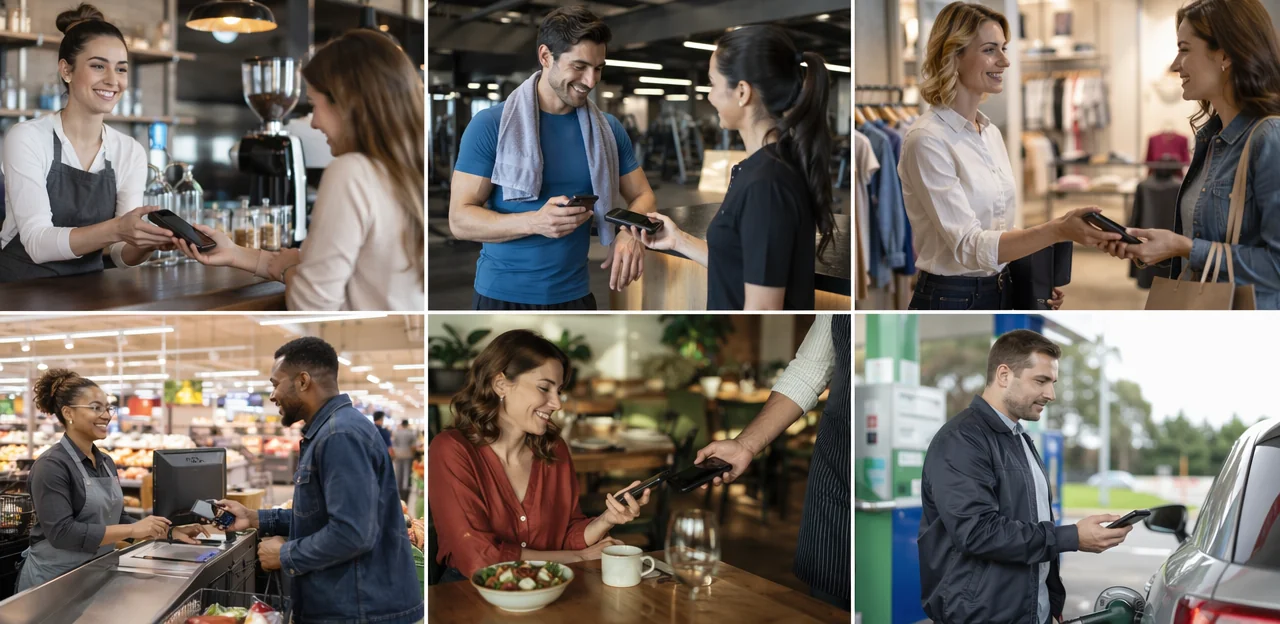
Retail, restaurants, and hospitality examples
Across consumer-facing sectors, nfc rewards make appreciation immediate and measurable right at checkout, the table, or the front desk. Brands can turn a simple tap into electronic rewards, bounce-back offers, or loyalty enrollment without adding friction.
- Retail stores: After purchase, offer a tap-to-claim discount for the next visit or a surprise gift with spend thresholds.
- Cafes and quick-service brands: Use table tents or counter stands to deliver drink upgrades, snack add-ons, and fast apps and rewards sign-ups.
- Hotels: Place NFC touchpoints in rooms or at reception for welcome perks, late checkout offers, or spa credits that support loyalty and rewards programs.
- Operational tip: If you're planning how to create a rewards program for customers, connect each rewards application to repeat-visit goals, and consider employee rewards for staff who drive participation.
Healthcare, events, and service business applications
Across clinics, gyms, salons, and live events, nfc rewards make recognition immediate and frictionless. A tap at check-in, checkout, or key milestones can trigger electronic rewards, capture feedback, and support stronger loyalty and rewards programs without adding staff workload.
- Clinics: Reward appointment attendance, post-visit surveys, and preventive care milestones.
- Fitness centers: Incentivize class check-ins, streaks, referrals, and personal bests.
- Salons and spas: Offer instant perks for rebooking, reviews, and package upgrades.
- Event organizers: Thank attendees for session check-ins, sponsor visits, and feedback submissions.
For teams learning how to create a rewards program for customers, connect each touchpoint to one clear action and one fast benefit. A simple rewards application can pair apps and rewards with referral tracking, while staff-facing employee rewards encourage service consistency. Even an app rewards app model works best when redemption is instant and easy.
Using the same model for employee rewards
The same nfc rewards model used for guests can power smarter employee rewards too. With a tap-enabled badge, desk sign, or break-room station, teams can instantly log wins, celebrate milestones, and join internal loyalty and rewards programs without extra friction.
- Recognition badges: Managers or peers tap to award points for service, teamwork, or upselling.
- Milestone taps: Celebrate anniversaries, training completions, and performance goals with instant electronic rewards.
- Internal appreciation programs: Mirror customer strategies by offering tiered perks, gift cards, or time-off rewards through a simple rewards application.
If you’re learning how to create a rewards program for customers, apply the same logic internally: make it instant, visible, and easy to redeem. The best apps and rewards systems work when participation feels effortless, whether through an app rewards app or NFC touchpoint.
Apps, AI, and Analytics Behind Smarter NFC Rewards

When to use a rewards application or app-based experience
Choose the format based on customer frequency, budget, and data goals. For many brands using nfc rewards, a full rewards application is not always necessary.
- Use a dedicated app rewards app when customers buy often, want personalized offers, and will return regularly. This works well for mature loyalty and rewards programs with strong retention goals.
- Use a lightweight web app when you want fast adoption, low friction, and simple electronic rewards without downloads. It is often the best starting point when learning how to create a rewards program for customers.
- Add apps and rewards inside an existing customer app when your brand already has active users and you want seamless checkout, offers, and engagement in one place.
- For internal engagement, separate customer rewards from employee rewards to keep journeys clear and measurable.
Tools like Tapsy can support no-app NFC touchpoints where appropriate.
AI and analytics make nfc rewards smarter by matching the right incentive to the right moment. Instead of sending generic electronic rewards, brands can use behavior data to improve timing, relevance, and redemption rates.
- Personalize offers: AI analyzes visit frequency, purchase history, dwell time, and location to tailor rewards application logic for each customer.
- Predict churn: If engagement drops, the system can trigger timely app rewards app offers, discounts, or perks before the customer leaves for a competitor.
- Recommend next-best rewards: AI identifies which electronic rewards are most likely to convert, helping teams refine loyalty and rewards programs.
- Optimize continuously: For brands learning how to create a rewards program for customers, analytics reveal what works across apps and rewards, VIP tiers, and even employee rewards campaigns.
Platforms like Tapsy can support this with real-time, no-app touchpoint data.
Key metrics to track for performance and ROI
To measure nfc rewards effectively, track the KPIs that show both engagement and revenue impact:
- Tap rate: How many customers interact with the NFC touchpoint versus total footfall or transactions. This shows whether your rewards application placement and offer are compelling.
- Redemption rate: The percentage of issued electronic rewards that are actually claimed. High redemption usually signals relevance and ease of use.
- Repeat purchase rate: Measures whether loyalty and rewards programs drive customers back after the first reward.
- Customer lifetime value (CLV): Essential when learning how to create a rewards program for customers that improves long-term profitability.
- Retention rate: Track whether apps and rewards strategies keep customers engaged over time.
- Campaign-level attribution: Tie each reward to specific visits, purchases, channels, or even employee rewards initiatives to see what truly drives ROI.
A strong app rewards app strategy should connect every tap to measurable business outcomes.
Best Practices for Launching and Scaling NFC Rewards

Design touchpoints that are visible, intuitive, and secure
To make nfc rewards work, place tags where customers naturally pause: entrances, checkout counters, tables, packaging, receipts, or service desks. Always add a QR backup so every visitor can access the same rewards application, even if NFC is unavailable.
- Use clear CTAs like “Tap to claim your reward” or “Scan for instant electronic rewards.”
- Keep landing pages fast, mobile-friendly, and limited to a few taps.
- Show trust signals: brand logo, HTTPS, privacy note, and a short explanation of what happens after tapping.
This approach supports loyalty and rewards programs, apps and rewards, and even employee rewards, while helping brands learn how to create a rewards program for customers that feels simple and safe.
Avoid common mistakes that reduce adoption
Even well-designed nfc rewards campaigns can fail if the experience feels confusing or fragmented. Avoid these common pitfalls:
- Unclear value: Customers must instantly understand what they get. Make electronic rewards simple, visible, and worth claiming.
- Too many steps: If your rewards application requires multiple screens, form fields, or redirects, completion rates drop fast.
- Poor app onboarding: A clunky app rewards app experience discourages use. If possible, reduce reliance on downloads when planning how to create a rewards program for customers.
- Weak staff training: Teams should confidently explain the offer, including employee rewards tie-ins where relevant.
- Disconnected systems: When apps and rewards tools don’t sync with POS or CRM, loyalty and rewards programs feel inconsistent and hard to trust.
Create a rollout plan for testing and optimization
Launch nfc rewards in phases so you can refine performance before a full rollout:
- Start with pilot locations: Choose 1–3 sites with different customer profiles to test placement, messaging, and reward types. This is a practical first step in learning how to create a rewards program for customers.
- Run A/B tests: Compare CTA wording, incentive value, tap-point placement, and electronic rewards delivery methods inside your rewards application or connected apps and rewards flow.
- Build feedback loops: Collect customer and staff input, including employee rewards ideas that improve adoption.
- Optimize with analytics: Track tap rate, redemption, repeat visits, and conversion to strengthen loyalty and rewards programs over time.
The Future of NFC Rewards in Customer Experience

How instant rewards will evolve across channels
The next phase of nfc rewards is fully omnichannel: one tap in-store can trigger a reward in a mobile wallet, update CRM profiles, and power personalized follow-up offers across email, SMS, and web. The goal is to make loyalty and rewards programs feel effortless, not fragmented.
- Connect touchpoints: Link NFC taps, QR scans, POS data, and a rewards application so every interaction adds context.
- Use real-time personalization: Turn electronic rewards into tailored offers based on visit history, spend, and preferences.
- Bridge apps and rewards: Even if customers use an app rewards app, keep redemption simple through wallet passes and browser-based journeys.
- Include internal engagement: Similar logic can support employee rewards for service milestones and performance.
For brands learning how to create a rewards program for customers, the future is unified: fewer steps, smarter automation, and faster gratitude. Platforms such as Tapsy reflect this shift by connecting physical touchpoints with instant digital engagement.
Why brands that move early gain an advantage
Brands that adopt nfc rewards early can create a visible edge before competitors catch up. Instant, tap-based appreciation feels more modern than delayed coupons or generic emails, helping businesses turn routine interactions into memorable moments.
- Faster appreciation: Guests receive electronic rewards immediately, which increases satisfaction and encourages repeat visits.
- Stronger first-party data: A smart rewards application can capture consented preferences, visit patterns, and response trends, giving brands better insight than third-party platforms.
- More engaging experiences: Unlike traditional apps and rewards models that depend on downloads, NFC can reduce friction and improve participation.
- Better program design: If you’re exploring how to create a rewards program for customers, early adoption lets you test offers, refine journeys, and connect loyalty and rewards programs with employee rewards for a more complete experience.
Early movers also learn faster, optimize sooner, and build customer habits before rivals launch their own app rewards app alternatives.
Conclusion
In a market where speed, convenience, and personalization shape every interaction, nfc rewards give businesses a smarter way to thank customers the moment engagement happens. Instead of relying on delayed follow-up emails or complicated sign-ups, brands can use tap-and-go experiences to deliver electronic rewards, capture feedback, and strengthen loyalty in real time. That’s what makes nfc rewards so powerful across industries: they reduce friction, improve participation, and turn everyday touchpoints into meaningful moments.
For organizations exploring how to create a rewards program for customers, the formula is clear: make it instant, simple, and valuable. The best loyalty and rewards programs connect physical experiences with digital convenience, whether through a seamless rewards application, integrated apps and rewards strategies, or even an app rewards app that supports broader retention goals. The same principles can also extend to employee rewards, helping businesses recognize internal teams with the same immediacy and ease.
The next step is to audit your customer journey, identify high-traffic touchpoints, and test where NFC-enabled rewards can deliver the most impact. From there, explore platforms, analytics, and automation tools that help you scale results and measure engagement. If you’re ready to modernize loyalty, now is the time to put nfc rewards at the center of your customer experience strategy.
Frequently Asked Questions
- What are NFC rewards?
NFC rewards are instant digital thank-yous delivered when someone taps an NFC-enabled tag with their phone. They can include discounts, points, perks, or other electronic rewards delivered immediately through a browser page or rewards application.
- How does an NFC rewards experience work for customers?
A business places an NFC tag on a touchpoint such as a table, package, receipt, badge, or display. The customer taps it with a smartphone, a page opens automatically, and the reward appears right away for fast redemption.
- Why do instant rewards help improve customer retention?
Immediate recognition creates a stronger positive emotional response because the reward arrives at the moment of satisfaction. That speed helps build habits, reduces drop-off, and encourages repeat visits, referrals, and ongoing participation.
- How do NFC rewards compare with punch cards and email coupons?
Punch cards are easy to lose and difficult to track, while email coupons are often ignored or buried in inboxes. NFC rewards are delivered on the spot, are easier to log and redeem, and can capture first-party insights more effectively.
- What should a business define first when creating an NFC rewards program?
Start with clear goals such as increasing repeat visits, improving satisfaction, collecting feedback, or growing first-party data. Then segment the audience, choose the behaviors to reward, and map the trigger points where NFC touchpoints should appear.
- Which reward types work best with NFC?
Simple offers usually work best, including discounts, surprise perks, tiered benefits, points-based rewards, and other electronic rewards. The right choice depends on the customer moment, purchase value, and the needs of the specific industry.
- How can businesses make NFC reward redemption easy?
Keep the flow mobile-first and as close to one tap as possible. Use fast landing pages, ask for only essential information, and offer wallet passes so customers can save rewards without extra friction.
- Do NFC rewards always require a dedicated app?
No, a full app is not always necessary. A lightweight web app is often the best starting point for fast adoption, while a dedicated app rewards app makes more sense when customers buy often and expect personalized ongoing offers.
- Which industries can use NFC rewards effectively?
They can work across retail, restaurants, hotels, clinics, fitness centers, salons, spas, events, and workplace environments. The common advantage is the ability to connect a physical touchpoint with an instant digital reward at the right moment.
- Can the same NFC model be used for employee rewards?
Yes, the same tap-based approach can support employee rewards through badges, desk signs, or break-room stations. Businesses can use it to recognize teamwork, service, training completions, milestones, and performance goals with instant rewards.
- How can AI and analytics improve NFC rewards programs?
AI can personalize offers based on visit frequency, purchase history, dwell time, and location. Analytics can also help predict churn, recommend the next best reward, and continuously improve timing, relevance, and redemption performance.
- What metrics should businesses track for NFC rewards performance?
Key metrics include tap rate, redemption rate, repeat purchase rate, customer lifetime value, retention rate, and campaign-level attribution. These measures show whether the touchpoints, offers, and reward journeys are driving engagement and revenue impact.
- What are the most important best practices for NFC touchpoints?
Place tags where customers naturally pause, such as entrances, counters, tables, packaging, receipts, or service desks. Use clear calls to action, keep pages fast and mobile-friendly, show trust signals, and include a QR backup for visitors who cannot use NFC.
- What common mistakes reduce adoption of NFC rewards?
Programs often underperform when the value is unclear, the redemption flow has too many steps, or app onboarding feels clunky. Weak staff training and disconnected systems can also make rewards feel inconsistent and harder for customers to trust.
- How should a business roll out and scale an NFC rewards program?
Start with pilot locations that represent different customer profiles, then test placement, messaging, and reward types. Use A/B testing, collect feedback from customers and staff, and optimize with analytics before expanding more broadly.