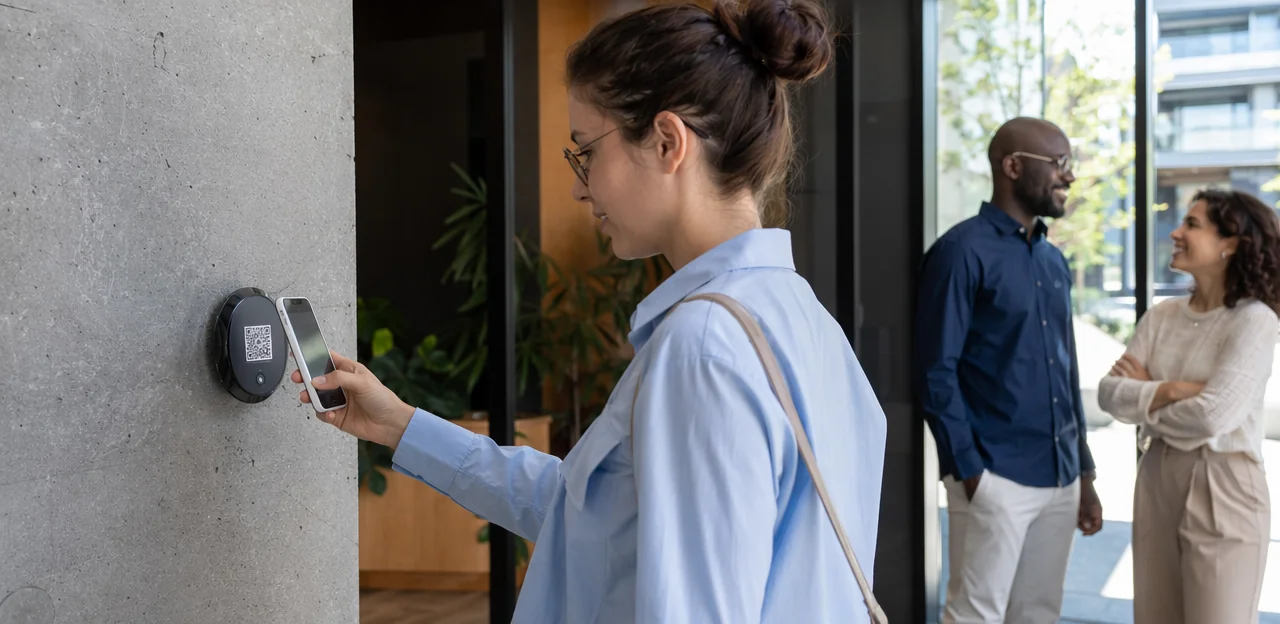
A great customer experience can be won or lost in a moment, which is why collecting feedback at the right time matters as much as the questions you ask. As more businesses look for faster, easier ways to hear from customers on-site, the debate around nfc vs qr code feedback has become increasingly important across hospitality, retail, healthcare, events, and service-based industries. Both options promise frictionless access to customer feedback surveys, but they differ in convenience, visibility, setup, and long-term performance.
From countertop displays and qr code stickers to embedded NFC touchpoints, the way you invite responses can directly influence participation rates and the quality of your customer feedback data. For some businesses, a simple qr code sticker placed at checkout may be enough. For others, factors like accessibility, branding, durability, qr code printing, or whether to print qr code stickers on adhesive material or qr code paper can affect results at scale.
This article explores how NFC and QR codes compare for feedback collection, where each method works best, and what decision-makers should consider when designing modern, low-friction feedback journeys. We’ll also look at usability, customer adoption, analytics potential, and how emerging platforms such as Tapsy are helping businesses turn physical touchpoints into smarter insight channels.
Why NFC vs QR Code Feedback Matters Across Industries

How modern customers prefer to leave feedback
Today’s customers expect customer feedback to be fast, mobile-first, and effortless. Few people want to open later emails or complete long forms, so businesses need touchpoints that capture responses in the moment. That is why nfc vs qr code feedback has become an important decision across hospitality, retail, healthcare, events, automotive, and service brands.
Low-friction options work best because they meet customers where they already are: on their phones.
- NFC enables a simple tap for instant access to customer feedback surveys
- QR codes offer broad compatibility through qr code stickers, signage, menus, receipts, and displays
- Physical formats like a qr code sticker, qr code paper, or durable stands make feedback easy to spot
- Clear qr code printing and well-placed prompts help businesses print qr code stickers that drive more responses
The easier the interaction, the higher the feedback volume and quality.
What NFC and QR code feedback touchpoints actually are
In nfc vs qr code feedback, both methods connect customers to fast, digital customer feedback surveys at the moment of experience.
- NFC tags are small chips embedded in cards, stands, or table displays. A customer simply taps their phone to open a feedback page. The journey is friction-light: tap, answer, submit.
- QR codes are scannable images placed on a qr code sticker, menu, receipt, poster, or qr code paper insert. The journey is scan, open camera link, complete feedback.
The key difference is physical action: NFC feels more seamless, while QR is more universal and easy to distribute through qr code printing.
For practical rollout, use qr code stickers on tables, counters, packaging, and doors, and print qr code stickers or qr code paper handouts for receipts, flyers, and takeaway materials to capture more customer feedback across touchpoints.
Common business goals behind feedback collection
When comparing nfc vs qr code feedback, most businesses are pursuing the same core outcomes:
- Increase review volume: Place touchpoints where experiences happen, using NFC tags or qr code stickers on tables, counters, packaging, or receipts to prompt immediate responses.
- Improve survey completion: Friction matters. Simple customer feedback surveys with clear incentives and strong placement often outperform delayed email requests. Good qr code printing and durable materials like qr code paper also improve scan rates.
- Spot service issues faster: Real-time customer feedback helps teams identify wait times, cleanliness concerns, or staff gaps before negative public reviews appear.
- Link feedback to action: The best programs connect insights to staffing, training, product changes, and CX metrics like CSAT, NPS, and CES.
Whether you use NFC or a qr code sticker, success depends on visibility, speed, and operational follow-through.
NFC vs QR Code Feedback: Key Differences in Real-World Use

Ease of use, speed, and customer adoption
In nfc vs qr code feedback, the biggest difference is friction. NFC is usually faster: customers simply tap their phone and the customer feedback surveys page opens instantly. QR codes require opening the camera, aligning the code, and waiting for recognition. That extra step can reduce customer feedback completion, especially in busy environments.
- NFC wins on speed: one tap feels seamless and premium, making spontaneous responses more likely.
- QR wins on compatibility: nearly every smartphone can scan a code, which makes qr code stickers and each qr code sticker a practical fallback.
- Familiarity matters: most customers already recognize QR codes from menus, packaging, and payments, so adoption is strong.
- Execution affects results: poor qr code printing, low contrast, damaged qr code paper, or badly placed displays can hurt scan rates. Businesses should print qr code stickers clearly and test them across devices.
For higher response rates, many brands combine NFC with QR for maximum reach.
Cost, setup, and deployment at scale
When comparing nfc vs qr code feedback, cost and rollout speed often decide the winner. QR is usually the lowest-cost option for customer feedback and customer feedback surveys, especially across many touchpoints.
- NFC setup: Requires physical NFC tags or smart stands, which raise per-location costs but offer a premium tap experience and stronger durability.
- QR code printing: Usually costs far less, since venues can place codes on menus, counters, doors, packaging, and receipts with standard qr code paper or signage.
- Scale advantage: It’s easy to print qr code stickers in bulk for every table, checkout, room, or product box, making expansion fast and affordable.
- Flexible deployment: A single qr code sticker design can be adapted into branded qr code stickers for temporary campaigns, seasonal offers, or multi-site rollouts.
For businesses scaling quickly, QR often wins on simplicity, while NFC justifies higher spend where speed, aesthetics, and contactless convenience matter most.
Durability, maintenance, and flexibility
When comparing nfc vs qr code feedback, durability often depends more on materials and placement than the technology itself. NFC tags are typically sealed inside plastic, acrylic, or waterproof housings, making them strong for high-touch indoor areas, outdoor use, and long-term customer feedback points. They also resist smudging, which helps in busy environments.
QR options are more flexible, but material choice matters:
- QR code paper works well for short-term campaigns, event signage, takeaway packaging, or temporary customer feedback surveys.
- A basic qr code sticker is fine for protected indoor use, such as counters, menus, or reception desks.
- Premium laminated vinyl or waterproof qr code stickers are better for kitchens, patios, pool areas, windows, and heavy-cleaning zones.
For best results:
- Match material to moisture, sunlight, and cleaning frequency.
- Use high-contrast qr code printing for reliable scans.
- Print qr code stickers with scratch-resistant finishes in high-touch spaces.
This keeps feedback touchpoints usable, low-maintenance, and cost-effective across industries.
Best Use Cases by Industry and Customer Touchpoint

Hospitality, restaurants, and retail
In nfc vs qr code feedback, placement matters as much as the technology. In busy venues, both tools make customer feedback easy, but they shine in different spots:
- Tables, menus, receipts, and checkout counters: QR code stickers are usually fastest to deploy. A simple qr code sticker can be added during qr code printing, placed on menu inserts, receipts, counter signs, or even qr code paper for short-term promotions.
- Fitting rooms and product displays: QR works well for instant customer feedback surveys on sizing, availability, or product interest.
- Premium touchpoints: NFC feels smoother in upscale dining, hotel tables, branded counters, or luxury retail displays, where a tap feels more polished than scanning.
For scale, many brands print qr code stickers widely, then reserve NFC for high-value moments where experience matters most.
Healthcare, clinics, and professional services
In healthcare and other sensitive service settings, nfc vs qr code feedback depends on privacy, ease, and patient comfort. For customer feedback surveys, keep prompts discreet and optional.
- Use NFC taps at reception or in waiting rooms when you want fast, low-friction customer feedback without patients opening a camera app.
- Use QR codes for post-visit surveys on receipts, appointment cards, or email follow-ups, especially when patients prefer responding later in private.
- Avoid placing visible qr code stickers near clinical discussions where scanning may feel exposed.
- If using a qr code sticker on counters or doors, ensure clear qr code printing with large contrast for accessibility.
- For low-cost rollout, practices can print qr code stickers on durable qr code paper, but NFC often feels more seamless and discreet in sensitive environments.
A blended approach usually works best: tap in-person, scan later.
Events, field services, automotive, and multi-site brands
For mobile or temporary setups, nfc vs qr code feedback often comes down to speed, portability, and cost. QR works especially well when teams need instant rollout through qr code printing, portable signs, badges, kiosks, service vans, or pop-up counters. You can launch location-specific customer feedback surveys in hours using qr code stickers, table cards, or even qr code paper inserts.
- Use print qr code stickers for vans, tool cases, helmets, event booths, or checkout points.
- Assign a unique qr code sticker to each site, vehicle, or team member to track customer feedback by location.
- Choose NFC when you want faster tap interactions in controlled environments with repeat traffic.
- Choose QR when visibility, temporary placement, and low-cost deployment matter most.
For many brands, a mixed approach delivers the best coverage across changing environments.
How AI and Analytics Improve Feedback Performance

Tracking scans, taps, conversions, and response quality
To compare nfc vs qr code feedback, track performance at every touchpoint, not just total responses. Strong analytics should show:
- Touchpoint type: NFC stand, qr code sticker, table card, receipt, or qr code paper
- Location: entrance, checkout, hotel room, menu table, packaging
- Time: hour, day, shift, season, or campaign period
- Campaign outcome: scans/taps, survey starts, completions, reward claims, and review intent
This helps businesses see whether qr code stickers outperform NFC in high-traffic areas, or whether taps drive better customer feedback surveys in premium settings. Also measure response quality: completion rate, sentiment, comment length, and repeat participation. If you print qr code stickers or invest in qr code printing, compare each format by audience segment to optimize customer feedback collection.
Using AI to analyze sentiment and identify trends
When comparing nfc vs qr code feedback, the real advantage comes after responses are collected. AI analytics can turn raw customer feedback into clear action by:
- Categorizing comments automatically into themes like wait times, staff service, cleanliness, or product quality
- Detecting recurring issues across locations, shifts, or teams, whether feedback comes from NFC taps or qr code stickers
- Summarizing open-text responses from customer feedback surveys so managers see key takeaways fast
- Linking feedback to operations, such as identifying that one branch using a qr code sticker at checkout reports slower service during peak hours
To improve accuracy, standardize touchpoints with consistent qr code printing, print qr code stickers clearly, and use durable qr code paper only for short-term campaigns.
Optimizing touchpoint placement and survey design
In nfc vs qr code feedback, performance improves when placement and survey design are guided by real usage data. Track scan-to-start and completion rates to refine what works:
- Improve CTA wording: Test short prompts on each qr code sticker, such as “Tap to rate your visit” or “Scan for a quick reward,” and keep value clear.
- Reduce survey length: High drop-off usually means your customer feedback surveys are too long. Start with 1–3 questions, then expand only when engagement supports it.
- Match incentives to context: Use instant discounts, loyalty points, or giveaways to boost customer feedback completion.
- Optimize placement: Compare qr code stickers and NFC tags at tables, exits, packaging, or reception. Better visibility, smart qr code printing, and durable qr code paper can lift response rates. When you print qr code stickers, test size and height for easier scanning.
Implementation Tips for Better Customer Feedback Results

Designing effective QR assets and printed materials
For nfc vs qr code feedback, strong design directly impacts scan rates and customer feedback completion.
- Use high contrast: black on white works best for qr code printing; avoid glossy finishes, busy backgrounds, and low-contrast brand colors.
- Size matters: make codes large enough to scan at the expected distance—larger for signage, smaller for packaging, receipts, or qr code paper inserts.
- Place codes where action happens: tables, checkout counters, takeaway bags, product packaging, receipts, and room materials are ideal for customer feedback surveys.
- Keep branding light: add a logo, short CTA, and incentive, but protect the quiet zone so the qr code sticker remains scannable.
- Print qr code stickers for high-touch, fast-rollout, or moisture-prone areas; durable qr code stickers are ideal when permanent signage may wear quickly.
Creating low-friction survey flows
To win more responses from customer feedback surveys, make the post-tap or post-scan journey effortless. In nfc vs qr code feedback, the real differentiator is often the flow after access, not just the trigger itself.
- Keep forms short: Ask 1–3 essential questions first, then offer an optional comment box.
- Optimize for mobile: Use large buttons, fast-loading pages, and minimal typing on phones.
- Use smart routing: Send unhappy guests to service recovery, and happy guests to reviews, loyalty, or follow-up offers.
- Add clear CTAs: Use direct prompts like “Rate your visit” or “Share feedback in 10 seconds.”
Whether using qr code stickers, a single qr code sticker, durable qr code paper, or branded materials from qr code printing providers, simple design helps. If you print qr code stickers, place them where action feels natural.
Testing, governance, and rollout strategy
To scale nfc vs qr code feedback successfully, start with a controlled pilot across a few locations, then refine before full rollout.
- Pilot and A/B test: Compare NFC taps vs a qr code sticker on tables, counters, packaging, or receipts. Test placement, CTA wording, reward offers, and landing-page length to improve customer feedback completion rates and customer feedback surveys quality.
- Train staff: Give teams simple scripts so they can explain how to scan, tap, and why feedback matters.
- Set governance rules: Assign owners to update destinations, verify links, replace damaged qr code stickers, and standardize qr code printing specs, including durable materials over basic qr code paper.
- Maintain consistency: Use approved templates when you print qr code stickers so every site collects comparable data.
How to Choose Between NFC and QR Code Feedback

When QR codes are the better choice
In the nfc vs qr code feedback decision, QR often wins when businesses need fast, low-cost deployment at scale. They’re ideal for customer feedback and customer feedback surveys in environments where visibility and easy replacement matter most.
- Lower setup cost: QR code stickers and qr code paper are inexpensive to produce and update.
- Faster rollout: With simple qr code printing, teams can launch campaigns in hours, not days.
- High visibility: A well-placed qr code sticker on packaging, counters, menus, or posters is easy to spot.
- Best for temporary use: Seasonal promos, events, pop-ups, and limited-time offers are perfect for print qr code stickers and short-run materials.
When NFC is the better choice
In nfc vs qr code feedback, NFC is often the stronger option when speed, polish, and ease matter most for customer feedback and overall customer experience. It works especially well when you control the environment and want a more premium interaction than qr code stickers can offer.
- Branded in-store touchpoints: NFC feels seamless at tables, counters, hotel rooms, and reception desks.
- High-value service interactions: Ideal for luxury retail, hospitality, clinics, and VIP experiences where frictionless customer feedback surveys support service quality.
- Controlled environments: Unlike a qr code sticker, NFC avoids issues tied to glare, damaged labels, poor placement, or inconsistent qr code printing on qr code paper.
- Cleaner presentation: Businesses that want to reduce visible signage or avoid having to frequently print qr code stickers may prefer embedded NFC tags.
For premium, repeat-use touchpoints, NFC often delivers faster participation and a smoother feedback journey.
Why a hybrid strategy often works best
In the nfc vs qr code feedback debate, the strongest approach is often using both. A hybrid setup combines NFC-enabled touchpoints for fast tap interactions with a visible qr code sticker for universal access, helping businesses capture more customer feedback across different preferences and devices.
- Maximize accessibility: Some customers prefer tapping, while others are more comfortable scanning qr code stickers.
- Increase response rates: Pairing NFC with well-placed customer feedback surveys reduces friction at every touchpoint.
- Simplify rollout: Use durable qr code printing, print qr code stickers, or even temporary qr code paper for counters, tables, packaging, and events.
- Improve data collection: More entry options mean broader participation across industries, locations, and customer journeys.
This blended strategy is practical, scalable, and conversion-friendly.
Conclusion
In the end, the choice between nfc vs qr code feedback comes down to balancing convenience, visibility, cost, and context. NFC offers a fast, seamless tap experience that can increase participation in the right environments, while QR codes remain highly flexible, affordable, and easy to deploy across almost any setting. For many brands, the strongest strategy is not choosing one over the other, but combining both to make customer feedback effortless at every touchpoint.
Whether you use table displays, packaging inserts, posters, or qr code stickers, the goal is the same: remove friction and make customer feedback surveys easy to access in the moment. A well-placed qr code sticker, durable qr code paper, and thoughtful qr code printing can help businesses quickly launch and scale campaigns. If you need broader coverage, it may make sense to print qr code stickers for multiple locations while testing NFC in high-value customer interactions.
As you refine your nfc vs qr code feedback strategy, focus on response rates, ease of use, and the quality of insights collected. Start with a small pilot, compare performance by channel, and optimize based on real-world behavior. For next steps, review your touchpoints, test placement options, and explore tools that support both NFC and QR-based feedback flows, such as Tapsy, to create smarter, more responsive customer experiences.
Frequently Asked Questions
- What is the main difference between NFC and QR code feedback?
NFC opens a feedback page with a phone tap, while QR codes require customers to scan a visible code with their camera. NFC feels more seamless, but QR codes are more universal and easier to distribute across many physical touchpoints.
- Which option is usually faster for customers to use on-site?
NFC is usually faster because the interaction is just tap, open, and respond. QR codes add an extra step because customers need to open the camera and align the code before the survey loads.
- Why do many businesses still choose QR codes for customer feedback?
QR codes are typically the lower-cost option and can be deployed quickly at scale. They also work well on menus, receipts, packaging, counters, posters, and qr code stickers, making them highly flexible for many industries.
- When does NFC make more sense than QR codes?
NFC is a strong choice when speed, polish, and a premium customer experience matter most. It works especially well in controlled environments such as hotel tables, reception desks, luxury retail displays, clinics, and other repeat-use touchpoints.
- Is a hybrid NFC and QR setup better than choosing only one method?
Often yes, because it gives customers both tap and scan options. That improves accessibility, reduces friction across different device habits, and can increase participation across locations and customer journeys.
- Where should qr code stickers be placed for better response rates?
They work best where the customer experience happens or where action feels natural, such as tables, checkout counters, takeaway bags, product packaging, receipts, doors, and room materials. Visibility, clear prompts, and good placement strongly influence scan rates.
- How important are qr code printing quality and materials?
They matter a lot because poor contrast, damaged surfaces, glare, or low-quality materials can reduce scan reliability. High-contrast qr code printing and choosing the right material for the environment help keep touchpoints usable and effective.
- What materials should businesses use for short-term versus long-term QR feedback touchpoints?
Qr code paper is suitable for short-term campaigns, event signage, takeaway packaging, and temporary inserts. For longer use, a basic qr code sticker fits protected indoor spaces, while laminated vinyl or waterproof qr code stickers are better for kitchens, patios, windows, and heavy-cleaning areas.
- How can businesses print qr code stickers effectively for multiple locations?
They should use clear, standardized designs, test scan performance across devices, and match sticker durability to the environment. Using approved templates and assigning unique stickers by table, site, vehicle, or team can also make tracking and rollout easier.
- What survey design works best after a tap or scan?
Short mobile-first flows perform best, starting with 1 to 3 essential questions and an optional comment box. Fast-loading pages, large buttons, clear calls to action, and smart routing for happy or unhappy customers help reduce drop-off.
- Which industries benefit most from QR code feedback touchpoints?
QR works especially well in hospitality, restaurants, retail, events, field services, automotive, and multi-site brands because it is inexpensive and easy to deploy widely. It is also useful for fitting rooms, product displays, service vans, kiosks, badges, and temporary setups.
- How should healthcare and professional services use NFC or QR for feedback?
NFC can be useful at reception or in waiting rooms when a discreet, low-friction option is preferred. QR codes are often better for post-visit surveys on receipts, appointment cards, or follow-ups, especially when patients may want to respond later in private.
- What metrics should be tracked to compare NFC and QR feedback performance?
Useful metrics include scans or taps, survey starts, completions, reward claims, review intent, and response quality. Tracking by touchpoint type, location, time, and campaign period helps show which format performs better in specific environments.
- How can AI improve customer feedback collected through NFC and QR?
AI can categorize comments into themes like wait times, staff service, cleanliness, or product quality. It can also detect recurring issues across locations, summarize open-text responses, and connect feedback patterns to operational decisions.
- What is the best way to roll out an NFC or QR feedback program?
Start with a pilot in a few locations and compare touchpoints such as tables, counters, packaging, and receipts. A/B test placement, wording, incentives, and landing-page length, train staff on simple scripts, and assign owners to maintain links and replace damaged materials.