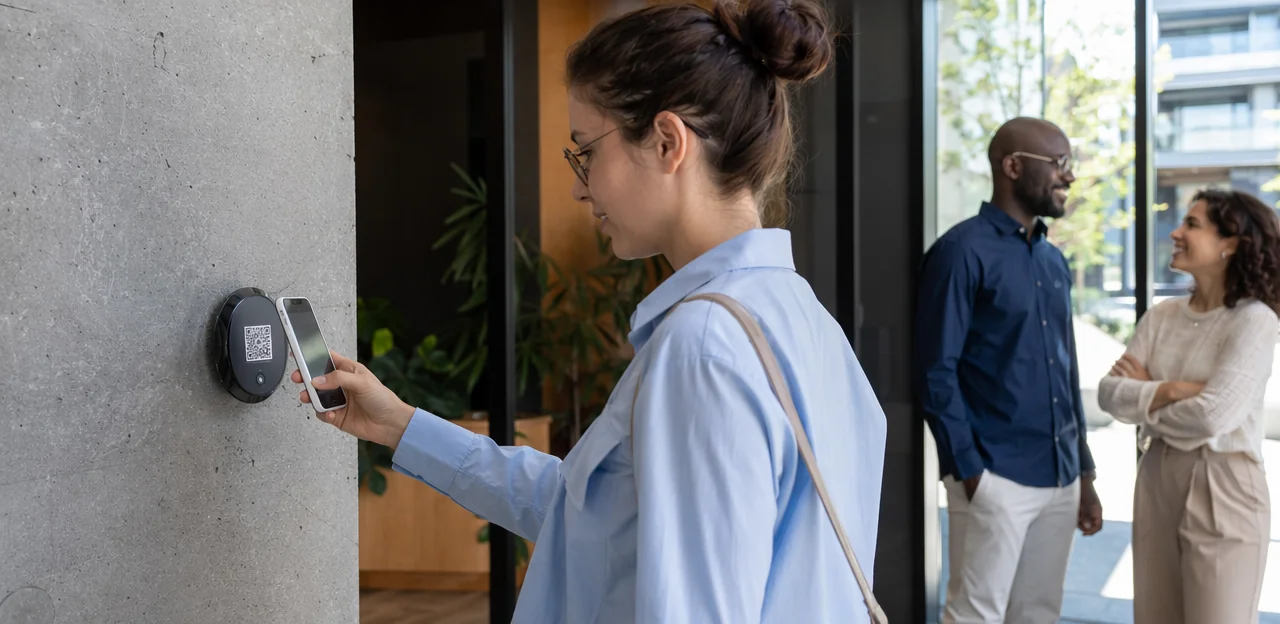
In residential buildings, the resident experience is shaped by dozens of everyday touchpoints, from lifts and lobbies to bin stores, gyms, car parks, and shared outdoor spaces. When something goes wrong in these areas, traditional feedback channels often feel too slow, too hidden, or too inconvenient. That is why the resident feedback QR code is becoming an increasingly practical tool for housing providers, property managers, and build-to-rent operators looking to capture issues in real time.
By placing QR codes exactly where residents interact with a space, housing teams can make it easier to report cleanliness concerns, maintenance problems, safety issues, noise, access frustrations, or general satisfaction with common areas. Instead of waiting for complaints to escalate, building operators can collect timely insights, respond faster, and improve day-to-day living standards across the property.
This article explores the key use cases for QR code resident feedback in buildings and communal areas, including how it supports faster issue resolution, better service visibility, and a stronger resident experience. It will also look at where these touchpoints work best, what types of feedback they can capture, and how solutions such as Tapsy can help turn simple scans into actionable operational insight.
Why resident feedback QR codes matter in housing

A resident feedback QR code is a scannable code placed where residents actually experience issues or services, such as lobbies, lifts, mailrooms, laundry rooms, gyms, bin stores, and outdoor areas. When scanned, it opens a simple QR code feedback form on a phone with no app download or login required.
This makes a housing feedback system faster and easier because residents can report problems in the moment, at the exact location.
- Instant access: scan and submit in seconds
- Less friction: no searching for email addresses, calling reception, or logging into a resident portal
- Better context: feedback is tied to a specific area or touchpoint
- Higher response rates: simpler reporting means more residents take part
Platforms like Tapsy can support this no-app feedback flow.
How QR feedback improves resident experience
A resident feedback QR code makes it easy for people to report issues the moment they notice them—whether it’s a broken lift, cleaning problem, noise concern, or access issue in a shared area. That immediacy improves resident experience because details are captured while they are still fresh, giving property teams clearer, more actionable property management feedback.
- Faster issue reporting: Residents can scan and submit feedback in seconds, with no app download.
- Quicker response times: Real-time alerts help teams triage urgent problems and resolve them before frustration grows.
- Better accessibility: QR codes placed in lobbies, lifts, gyms, and mailrooms make feedback convenient at the point of experience.
- Stronger trust: When residents see visible action on their input, tenant satisfaction and confidence in management increase.
Platforms like Tapsy can help route feedback to the right team instantly.
Where QR touchpoints fit within housing operations
NFC and QR touchpoints work best when placed exactly where issues happen, making building feedback faster, more accurate, and easier to route within housing operations. A resident feedback QR code can support teams across key shared spaces:
- Repairs: Add codes in lifts, corridors, laundry rooms, and entrances so residents can report faults the moment they notice them.
- Cleaning: Place touchpoints in bin stores, stairwells, lobbies, and shared toilets to flag missed cleaning or hygiene issues.
- Safety reporting: Use them near car parks, gates, lighting points, and fire exits for urgent hazards or security concerns.
- Amenity feedback: Collect input on gyms, gardens, lounges, and play areas to guide improvements.
- Service quality monitoring: Track recurring issues by location, contractor, or time of day.
Platforms like Tapsy can help capture and route this feedback in real time.
Top use cases for buildings and common areas

Maintenance and repair reporting in shared spaces
A resident feedback QR code placed in entrances, corridors, lift lobbies, bin stores, and stairwells makes communal area maintenance faster and easier to manage. Instead of asking residents to call or email later, they can scan on the spot and submit a QR code maintenance request linked to the exact location.
Typical building repair reporting use cases include:
- broken corridor or exterior lights
- lift faults or out-of-service alerts
- door entry and fob access problems
- leaks in shared hallways, ceilings, or utility rooms
- heating complaints in communal lounges or corridors
- damaged fixtures such as handrails, tiles, locks, benches, or signage
For best results, use forms that let residents:
- Select the issue type
- Confirm the exact building, floor, or zone
- Upload a photo for faster diagnosis
- Add urgency notes, such as safety risks or repeat faults
Location-specific reporting reduces back-and-forth, helps contractors arrive prepared, and speeds up resolution times. Solutions such as Tapsy can support no-app reporting flows that route issues to the right maintenance team quickly.
Cleaning, waste, and estate upkeep feedback
A resident feedback QR code placed in high-traffic shared spaces makes it easy for residents to report issues the moment they notice them. In corridors, bin rooms, stairwells, car parks, and outdoor areas, a quick scan can capture real-time estate management feedback before small problems become recurring complaints.
Use QR codes to collect targeted reports on:
- Common area cleanliness in corridors, lifts, and stairwells
- Waste overflow or missed collections in bin stores and recycling points
- Pest issues such as rodents, insects, or fouling near bins and entrances
- Grounds maintenance concerns, including litter, broken lighting, damaged pathways, or overgrown landscaping
- Car park upkeep, from fly-tipping to spills, graffiti, or unsafe surfaces
For best results, keep each cleaning feedback QR code form short: location, issue type, photo upload, and optional comment. Route urgent categories like pest sightings or hazardous waste directly to caretaking or estate teams for fast action. Solutions such as Tapsy can help housing providers gather touchpoint-level feedback and respond more quickly across shared spaces.
Amenities, safety, and service quality insights
A resident feedback QR code placed at shared spaces helps housing teams capture real-time amenity feedback exactly where experiences happen. This makes it easier to understand how residents feel about gyms, lounges, laundry rooms, parcel lockers, bike storage, and play areas, while also improving service quality in housing.
Housing operators can use QR touchpoints to collect fast, actionable input on:
- Cleanliness and upkeep: broken gym equipment, messy lounges, laundry machine faults, or damaged play areas
- Convenience and access: parcel locker availability, bike storage capacity, or laundry room wait times
- Comfort and usability: seating, lighting, temperature, noise, and layout issues
- Resident safety reporting: poor lighting, broken entry systems, suspicious activity, or unsecured doors
By reviewing responses by location, time, and issue type, teams can spot recurring pain points before they escalate into complaints or negative reviews. Dashboards and alerts can help prioritize urgent issues, especially safety concerns, and track whether fixes improve satisfaction over time. Tools like Tapsy can support this with no-app QR feedback flows and real-time routing to the right team.
Benefits for landlords, housing associations, and property managers

Faster issue detection and response times
A resident feedback QR code placed in lifts, hallways, bin stores, entrances, and shared amenities makes it easier to report problems the moment they are noticed. This shortens the issue reporting workflow and helps teams act before small faults become bigger maintenance complaints.
- Residents can instantly flag cleaning, lighting, access, or safety issues on-site
- Reports can include location details, photos, and urgency, improving triage
- Property teams can prioritize high-risk problems first, supporting faster maintenance response
- Centralized alerts reduce missed messages and manual admin, improving property manager efficiency
Platforms such as Tapsy can help route urgent communal area issues to the right team in real time, reducing delays and keeping shared spaces in better condition.
Better data quality and location-specific insights
A resident feedback QR code becomes far more useful when each code is linked to an exact location or asset. Instead of vague complaints, teams receive location-based feedback tied to a building, floor, lift, hallway, bin store, or boiler room.
- Pinpoint issues faster: Route reports directly to the right caretaker, contractor, or housing officer.
- Spot patterns: Use housing data insights to identify recurring defects by block, time period, or asset type.
- Measure performance: Compare repair quality, response times, and repeat issues across contractors.
- Improve planning: Asset-specific reporting helps prioritize budgets, maintenance schedules, and replacements.
Platforms like Tapsy can support this touchpoint-level visibility across properties.
Higher engagement and measurable resident satisfaction
A resident feedback QR code removes friction from the feedback process, making it easier for more residents to respond in the moment. When codes are placed in lobbies, lifts, mailrooms, gyms, and after maintenance visits, property teams can collect faster, more reliable insights.
- Boost participation: Residents can complete quick pulse surveys in seconds without downloading an app.
- Capture post-service feedback: Immediate responses after cleaning, repairs, or concierge interactions improve accuracy.
- Strengthen resident engagement: Simple, visible touchpoints support ongoing communication and trust.
- Track improvement over time: Use tenant feedback tools to monitor trends, recurring issues, and resident satisfaction metrics across buildings and shared spaces.
This creates a practical loop for continuous improvement and stronger resident engagement strategies.
How to implement a resident feedback QR code program
Choosing the right touchpoints and journeys
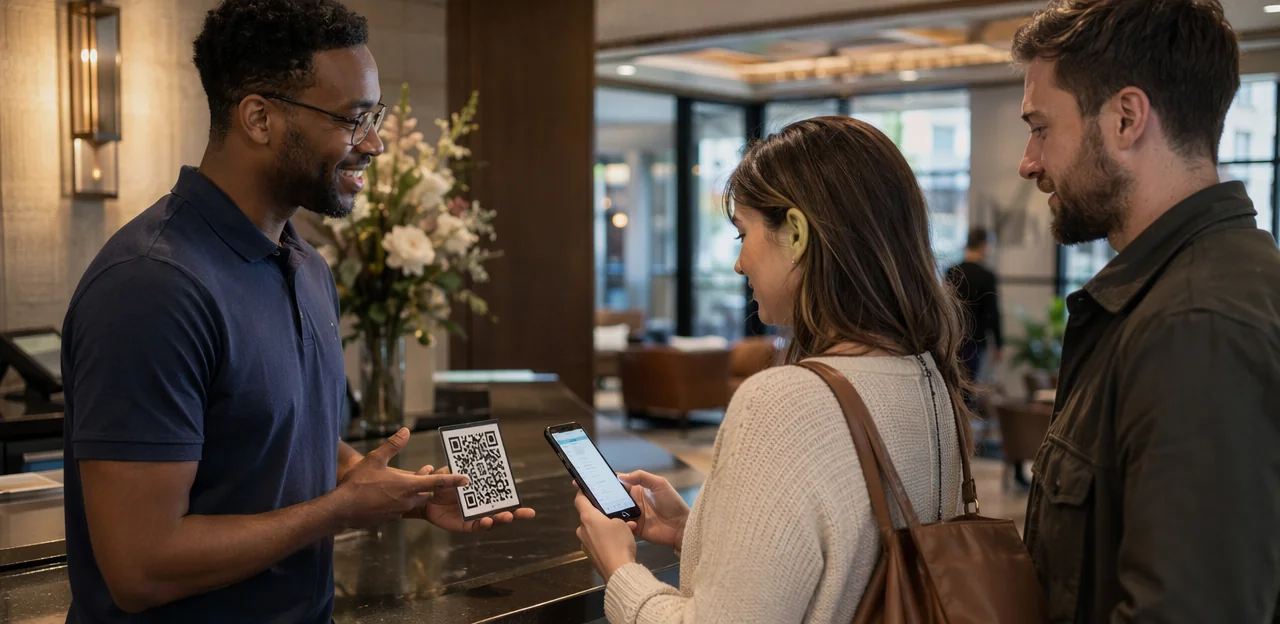
Effective QR code placement starts with resident journey mapping: identify where residents naturally pause, wait, or notice problems, then place each resident feedback QR code at that exact moment.
- Entrances and lobbies: capture first impressions, cleanliness, lighting, access, and security feedback.
- Lifts and lift lobbies: ideal for short wait-time surveys about maintenance, reliability, or cleanliness.
- Noticeboards and mail areas: good for broader building communications, policy feedback, or community updates.
- Amenities: place codes in gyms, laundry rooms, co-working spaces, bin stores, and parcel areas to collect location-specific input.
- High-traffic communal areas: use key building touchpoints such as corridors, reception desks, and shared lounges for quick experience checks.
Keep every code tied to one clear purpose and CTA, such as “Report a cleaning issue” or “Rate this space.” Tools like Tapsy can help manage touchpoint-specific feedback flows without adding friction.
Designing forms that residents will actually complete
A resident feedback QR code only works if the form feels quick, clear, and easy on a phone. Keep completion rates high with these best practices:
- Design for mobile first: Use a simple mobile feedback form with large tap targets, minimal typing, and fast loading.
- Keep questions short: Aim for 3–5 core questions plus one optional comment box. Long surveys lead to drop-off.
- Offer optional anonymity: Let residents choose anonymous tenant feedback for sensitive issues, especially around safety or neighbor concerns.
- Use clear categories: Make it easy to select topics like maintenance, cleaning, safety, or compliments so reports reach the right team faster.
- Support multiple languages: Multilingual forms improve response rates in diverse communities.
- Prioritize accessibility: An accessible resident survey should support screen readers, high contrast, plain language, and keyboard navigation.
Platforms such as Tapsy can help streamline these QR-based feedback flows without requiring an app.
Routing, alerts, and follow-up workflows
A resident feedback QR code only creates value when every submission is routed into the systems teams already use. Connect responses to your CRM, helpdesk, or housing platform through strong property management software integration so issues are logged, assigned, and tracked automatically.
- Route by category: Send cleaning, maintenance, noise, safety, or access issues to the right team instantly.
- Set service-level priorities: Flag urgent reports such as leaks, lift faults, or security concerns for immediate action, while lower-priority comments enter standard queues.
- Trigger automated alerts: Use email, SMS, Slack, or app notifications for low ratings, repeated complaints, or high-risk keywords.
- Automate updates: Good feedback workflow automation should confirm receipt, share ticket status, and notify residents when work is completed.
- Close the loop: Consistent resident communication builds trust and shows residents their input leads to action.
Tools like Tapsy can support real-time routing and alerts at building touchpoints.
Best practices, challenges, and compliance considerations

Encouraging adoption without creating friction
To improve QR code adoption and boost feedback participation, keep every resident feedback QR code touchpoint simple, visible, and trustworthy. Use:
- Clear signage: Place codes at exits, lifts, lobbies, mailrooms, gyms, and shared spaces where feedback is most relevant.
- Concise wording: Use short prompts like “Scan to report an issue” or “Share your experience in 30 seconds.”
- Branded posters: Match building branding so residents immediately recognize the request as official.
- Multilingual instructions: Reduce barriers by reflecting the languages commonly spoken in the property.
- Resident education campaigns: Include QR feedback reminders in move-in packs, email updates, noticeboards, and resident apps as part of your wider resident communication strategy.
Tools like Tapsy can also help streamline no-app feedback flows.
Avoiding common mistakes in QR feedback campaigns
A resident feedback QR code only works when the experience is fast, reliable, and clearly managed. Common property management mistakes can quickly reduce trust and participation:
- Check every link regularly: Broken QR destinations make residents feel ignored.
- Keep forms short: Strong feedback form optimization means 1–3 key questions plus an optional comment.
- Place codes where issues happen: Lobbies, lifts, mailrooms, parking areas, and shared amenities outperform hidden noticeboards.
- Avoid duplicate reporting paths: If residents can report the same issue through multiple unclear channels, response tracking becomes messy.
- Create a response process: Assign ownership, alerts, and follow-up timelines.
These QR code best practices help maintain engagement and show residents their feedback leads to action.
Privacy, accessibility, and data governance
A resident feedback QR code should be designed to protect trust as much as it improves response rates. To meet GDPR resident feedback requirements and local housing data privacy expectations:
- Use clear consent language explaining what data is collected, why, how long it is kept, and who can access it.
- Offer anonymous reporting for non-urgent issues, with an optional contact field for follow-up.
- Build accessible QR code forms with screen-reader support, strong color contrast, plain language, and mobile-friendly layouts.
- Store feedback securely with role-based access, encryption, and retention limits.
- Separate personal data from issue reports where possible, and document governance processes for audits or complaints.
Platforms such as Tapsy can support simple, no-app feedback flows.
Measuring success and optimizing over time

Key metrics to track
Track the right feedback KPIs to turn each resident feedback QR code into operational insight:
- Scan rate: how often residents open the form
- Submission rate: scans that become completed feedback
- Response time: how quickly staff acknowledge issues
- Resolution time: time to close reported problems
- Repeat issue frequency: recurring complaints by asset
- Resident satisfaction score: post-resolution sentiment
- QR code analytics: feedback by location, building zone, or asset type
- Use resident feedback QR code data to group recurring comments by location, issue type, and time of day.
- Turn patterns into service improvement planning: repeated bin overflow complaints may justify revised cleaning rounds, while lift or lighting issues can shape preventive maintenance plans.
- Apply resident insight analysis to score contractors, prioritize capital upgrades, and update residents on actions taken, building trust through visible responses to housing maintenance trends.
- Start with a housing pilot program in one building, lobby, laundry room, or gym using a resident feedback QR code at key touchpoints.
- Track scan rates, response quality, issue categories, and staff follow-up times, then refine signage, question flow, and escalation rules.
- For a smooth portfolio rollout, apply the best-performing setup across properties with standardized resident feedback dashboards, shared KPIs, and benchmarking by building, amenity, and response speed.
Conclusion
In today’s housing environment, fast, visible, and easy-to-use feedback channels are essential for improving resident satisfaction. A resident feedback QR code gives property managers and housing teams a simple way to collect real-time insights exactly where experiences happen, whether that’s in lobbies, lifts, bin stores, laundry rooms, car parks, gyms, or other shared spaces. Instead of waiting for complaints to escalate, teams can identify maintenance issues, cleanliness concerns, safety problems, and service gaps early, then respond faster and more effectively.
The biggest value of a resident feedback QR code is that it removes friction. Residents can scan, share feedback in seconds, and help building operators understand which areas need attention most. Over time, this creates better reporting, stronger accountability, and a more responsive resident experience across the entire property.
If you’re looking to modernize building feedback collection, now is the time to map your key touchpoints, define alert workflows, and make it easy for residents to speak up. Consider exploring no-app QR and NFC tools such as Tapsy to support real-time issue capture and service recovery. The next step is simple: start with your highest-traffic common areas, measure responses, and refine your approach based on what residents tell you.
Frequently Asked Questions
- What is a resident feedback QR code in a housing setting?
A resident feedback QR code is a scannable code placed in shared building areas where residents experience services or problems. When scanned, it opens a simple phone-based feedback form without requiring an app download or login.
- Why are QR codes useful for resident feedback in common areas?
They let residents report issues immediately, at the exact place where the problem happens. This reduces friction, improves context, and helps housing teams respond before complaints escalate.
- Where should property managers place QR feedback touchpoints?
The best locations are places where residents naturally pause, wait, or notice issues, such as entrances, lobbies, lifts, mailrooms, gyms, laundry rooms, bin stores, corridors, and outdoor shared spaces. Placement works best when each code is tied to a specific touchpoint and purpose.
- What types of issues can residents report with QR codes?
Residents can report maintenance faults, cleaning problems, waste overflow, pest issues, safety concerns, noise, access frustrations, and general satisfaction with amenities. Common examples include broken lights, lift faults, leaks, damaged fixtures, poor lighting, and unsecured doors.
- How do QR codes improve maintenance reporting in communal spaces?
They allow residents to submit a maintenance request on the spot instead of calling or emailing later. Forms can capture issue type, exact location, photos, and urgency notes, which helps contractors and maintenance teams act faster and with better information.
- Can QR feedback be used for cleaning and estate upkeep?
Yes, QR codes are well suited for reporting cleanliness issues in corridors, lifts, stairwells, bin rooms, car parks, and outdoor areas. They can also capture waste overflow, pest sightings, fly-tipping, graffiti, spills, and grounds maintenance concerns.
- How can housing teams use QR codes to collect amenity and safety feedback?
QR touchpoints in gyms, lounges, laundry rooms, parcel lockers, bike storage, and play areas can gather feedback on cleanliness, access, comfort, usability, and safety. This helps teams spot recurring pain points by location and prioritize urgent concerns such as poor lighting or broken entry systems.
- What should a resident QR feedback form include?
The form should be mobile-friendly, quick to complete, and focused on a few core questions. Useful fields include location, issue category, optional photo upload, urgency, and a short comment box.
- Should resident feedback forms allow anonymous reporting?
Yes, optional anonymity is helpful for sensitive topics, especially safety issues or neighbor concerns. A contact field can still be offered for residents who want follow-up.
- How should feedback from QR codes be routed after submission?
Responses should be connected to existing systems such as a CRM, helpdesk, or housing platform so they can be logged, assigned, and tracked automatically. Routing by category helps send cleaning, maintenance, noise, safety, or access issues to the right team without delay.
- What are common mistakes to avoid in a QR feedback program?
Broken links, long forms, poor placement, duplicate reporting channels, and unclear ownership can quickly reduce trust and participation. A reliable process needs clear signage, short forms, regular link checks, and defined response and follow-up workflows.
- How can landlords and housing associations encourage residents to use QR feedback?
Use clear signage, short prompts, branded posters, and multilingual instructions in visible locations like lifts, lobbies, mailrooms, and gyms. Adoption also improves when QR feedback is introduced through move-in packs, noticeboards, email updates, and wider resident communication.
- What privacy and accessibility considerations matter for resident feedback QR codes?
Forms should explain consent clearly, including what data is collected, why it is used, how long it is kept, and who can access it. They should also support accessibility features such as screen readers, strong color contrast, plain language, keyboard navigation, and mobile-friendly layouts.
- Which metrics should property teams track to measure success?
Useful metrics include scan rate, submission rate, response time, resolution time, repeat issue frequency, resident satisfaction score, and feedback by location or asset type. These measures help teams identify patterns, improve service planning, and monitor whether changes reduce recurring problems.
- How should a housing provider start rolling out resident feedback QR codes?
Start with a pilot in one building or one high-traffic area such as a lobby, gym, or laundry room. Track scans, issue categories, response quality, and staff follow-up times, then refine signage, form design, and escalation rules before expanding across more properties.