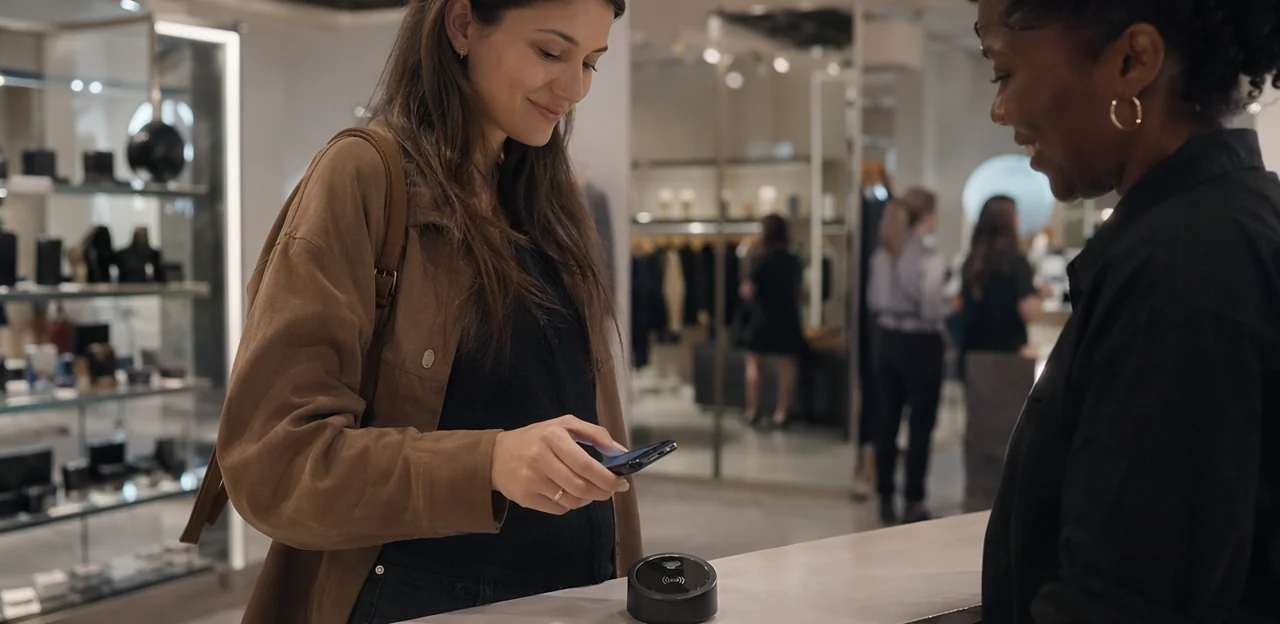
Winning customer loyalty shouldn’t depend on convincing people to download yet another app. Across hospitality, retail, services, and other customer-facing industries, brands are rethinking retention with no app digital loyalty strategies that remove friction and make engagement almost instant. Instead of asking customers to install a loyalty app, create an account, and remember passwords, businesses can now use QR codes and NFC touchpoints to deliver a faster, simpler experience.
That shift is changing how modern loyalty works. A quick scan can open a digital loyalty card, activate a reward, or replace the traditional qr code loyalty card with something more flexible and measurable. For businesses evaluating a loyalty program app, loyalty card app, or full loyalty system app, the real question is no longer just which platform has the most features, but which one customers will actually use. This is especially important for operators searching for a practical loyalty app for small business without the cost and complexity of app-based adoption.
In this article, we’ll explore how QR and NFC are powering low-friction loyalty across industries, why no-app experiences can improve participation and retention, and what to look for when choosing the right technology to support customer experience, analytics, and long-term growth.
Why No App Digital Loyalty Is Gaining Momentum

The friction problem with traditional app-based loyalty
Traditional app-led loyalty often loses customers before they even join. A loyalty app or loyalty program app asks people to download software, create an account, verify details, and remember another password. That friction quickly lowers sign-ups and repeat use.
- Storage concerns: Many users avoid adding a loyalty card app for a brand they only visit occasionally.
- Login fatigue: Extra steps like email verification and password resets kill momentum.
- Low repeat usage: If the app is rarely opened, the digital loyalty card and offers go unseen.
- Higher drop-off: Even a well-designed loyalty system app can struggle when convenience is low.
By contrast, no app digital loyalty removes these barriers. A tap or scan can instantly open a qr code loyalty card, making participation faster, easier, and more effective, especially for a loyalty app for small business alternative.
How QR and NFC create a faster customer journey
No app digital loyalty removes the friction that slows signups and repeat visits. Instead of asking customers to download a loyalty app, create an account, and verify details, businesses can offer a qr code loyalty card or NFC tap-to-join flow that opens instantly in the browser.
- Faster signup: Customers scan or tap, enter minimal details, and receive a digital loyalty card in seconds.
- Quicker check-in: Returning visitors tap again to identify themselves without searching for a loyalty program app or loyalty card app.
- Instant reward redemption: Offers, stamps, or points appear immediately, reducing queues and staff involvement.
This approach improves accessibility for first-time and returning customers alike, especially for brands seeking a simple loyalty system app or a practical loyalty app for small business without app-download barriers.
Cross-industry demand for low-friction retention tools
Across industries, businesses are moving to no app digital loyalty because customers want faster, easier interactions with fewer downloads and logins. A tap or scan can replace a bulky loyalty app, improving customer experience while helping brands capture repeat visits at a lower cost than constantly chasing new customers.
- Retail: a digital loyalty card or qr code loyalty card speeds checkout and encourages return purchases.
- Hospitality and restaurants: instant rewards tied to NFC or QR touchpoints increase repeat bookings and visits.
- Salons, healthcare, events, and service businesses: simple browser-based journeys outperform many traditional loyalty program app models.
For operators, especially a loyalty app for small business, app-free tools reduce friction, improve sign-up rates, and make any loyalty card app or loyalty system app strategy easier to launch and scale.
How QR and NFC Loyalty Programs Work

The mechanics of a digital loyalty card
A no app digital loyalty setup removes the biggest barrier to repeat visits: downloads. Instead of asking customers to install a loyalty card app or full loyalty program app, businesses issue a digital loyalty card through a mobile web link, SMS, email, wallet pass, or a qr code loyalty card shown in-store.
- Issue: The customer scans a QR code or taps NFC at checkout, on a table, receipt, or counter display.
- Store: The card opens in the browser or is saved to Apple Wallet/Google Wallet, avoiding a separate loyalty app.
- Update: Each future QR scan or NFC tap adds points, stamps, or reward progress automatically.
- Redeem: Once thresholds are met, the offer appears instantly for staff validation.
For brands comparing a loyalty system app or loyalty app for small business, this model is simpler, faster, and easier for customers to use.
QR code loyalty card journeys from sign-up to redemption
A strong no app digital loyalty journey should feel effortless from first scan to reward redemption. A typical flow looks like this:
- Scan the QR code loyalty card at checkout, on packaging, or in-store signage.
- Enter minimal details — ideally just a name and email or phone number.
- Receive a digital loyalty card instantly via SMS, email, or wallet pass instead of asking customers to download a loyalty app or loyalty program app.
- Collect visits or points with each scan, tap, or purchase.
- Redeem an offer in one step at the point of sale.
To reduce drop-off, keep forms short, explain the reward upfront, and make redemption simple. For any loyalty card app, loyalty system app, or loyalty app for small business, fewer steps always mean higher conversion.
Where NFC touchpoints fit in the experience
NFC & QR Touchpoints work best at the exact moment a customer is ready to act. In a no app digital loyalty strategy, NFC-enabled cards, table tents, packaging, posters, and checkout counters turn physical spaces into instant engagement points.
- NFC is fastest: tap once to open a digital loyalty card, reward page, or feedback form. It’s ideal for tables, hotel desks, product packaging, and staffed checkouts where speed improves customer experience.
- QR needs a camera scan but requires no embedded chip, making it a practical qr code loyalty card option for posters, windows, receipts, and low-cost campaigns.
- Best approach: use both. NFC reduces friction, while QR expands access across devices and locations.
This helps brands avoid forcing a loyalty app, loyalty program app, or loyalty card app, which is especially valuable for any loyalty app for small business alternative.
Benefits Across Industries and Business Models

Retail, restaurants, and hospitality use cases
No app digital loyalty works especially well in high-frequency businesses where speed matters more than a full-featured loyalty app. A quick tap or scan at checkout, the table, or reception can replace a traditional digital loyalty card and remove download friction.
- Retail stores: Use a qr code loyalty card for stamp-based rewards, birthday offers, and basket-building discounts at checkout.
- Cafes and QSRs: Reward repeat coffee, lunch, or snack purchases without requiring a loyalty program app for simple visit-based behavior.
- Hotels and bars: Trigger room, bar, or checkout offers based on guest location and timing.
For many small operators, a loyalty card app, loyalty system app, or loyalty app for small business may be unnecessary if customers only need fast, app-free repeat-purchase rewards.
Service businesses, healthcare, and local operators
For salons, clinics, fitness studios, auto shops, and home service brands, no app digital loyalty is often the fastest way to improve repeat bookings without the friction of a full loyalty app for small business. Instead of asking customers to download a loyalty program app, businesses can offer a qr code loyalty card or NFC tap at checkout, after treatment, or in follow-up messages.
- Issue a digital loyalty card tied to visits, packages, or service milestones
- Trigger rewards through a simple loyalty card app alternative in the browser
- Use a loyalty system app to automate reminders, rebooking offers, and feedback collection
This approach makes retention easier to launch, simpler to manage, and more convenient for busy customers.
Enterprise and multi-location advantages
For enterprise brands, no app digital loyalty makes scale easier without asking every guest to download a loyalty program app. With QR and NFC touchpoints, teams can standardize journeys while tailoring offers by venue, region, or channel.
- Centralized control: Launch and update rewards, messaging, and a digital loyalty card across all locations from one platform.
- Location-aware campaigns: Use a qr code loyalty card or tap point to trigger offers based on store, hotel zone, or event context.
- Stronger governance: Maintain brand standards, permissions, and reporting without fragmented tools like a separate loyalty app or loyalty card app.
- Better software selection: Choose a scalable loyalty system app that supports omnichannel consistency and can still work for local teams, including a loyalty app for small business model within larger groups.
AI, Analytics, and Personalization Without an App

What data no-app loyalty can still capture
A no app digital loyalty setup can still generate rich first-party insight without a full loyalty app or loyalty card app. Each tap or scan can reveal valuable behavior that feeds AI & Analytics and helps build a practical customer profile.
- Scan and tap data: time, location, device type, and touchpoint used via NFC or a qr code loyalty card
- Visit patterns: frequency, recency, dwell trends, and preferred locations
- Redemption behavior: which offers, rewards, or digital loyalty card perks customers actually use
- Purchase signals: basket size, categories, repeat items, and spend when linked to POS
- Campaign responses: clicks, offer activations, feedback, and promotion performance
Even without a loyalty program app or loyalty system app, businesses can capture contact details, preferences, and engagement history—making this especially effective as a loyalty app for small business alternative.
Using AI to improve offers and retention
AI & Analytics turns no app digital loyalty into a smarter retention engine by learning which customers buy, visit, and lapse.
- Segment audiences automatically: Group guests by visit frequency, spend, preferences, or channel behavior across a digital loyalty card or qr code loyalty card journey.
- Predict churn early: AI can flag customers likely to stop returning, so teams can send win-back offers before they disengage.
- Recommend the right reward: Instead of generic discounts, AI suggests incentives matched to each segment, whether you run a loyalty app, loyalty program app, or loyalty system app.
- Optimize send times: Deliver SMS, email, or wallet notifications when each customer is most likely to open and redeem.
For a loyalty app for small business or a broader loyalty card app strategy, this means higher redemption, stronger repeat visits, and better customer lifetime value.
Metrics that matter for customer experience
To judge no app digital loyalty against a traditional loyalty app, track the KPIs that directly affect customer experience and revenue:
- Enrollment rate: Compare how many customers join via a qr code loyalty card or NFC tap versus a standard loyalty program app download flow.
- Repeat visit frequency: Measure whether a digital loyalty card drives more return visits than a loyalty card app.
- Redemption rate: High reward use signals relevance and low friction.
- Average order value: Check whether members spend more after joining.
- Retention lift: Compare member retention against non-members and app-based users.
For any loyalty system app or loyalty app for small business, these metrics reveal whether app-free access removes friction and improves results.
Choosing the Right Loyalty Software and Setup

Key software selection criteria
Use a simple software selection framework before committing to any platform for no app digital loyalty:
- Deployment speed: Can guests join instantly via NFC tap or scan, without downloading a loyalty app, loyalty program app, or full loyalty system app?
- Touchpoint support: Look for both NFC and QR, so a qr code loyalty card and tap-based journeys can work across counters, tables, packaging, and receipts.
- Wallet compatibility: The best tools support Apple Wallet or Google Wallet, turning a digital loyalty card into something customers actually keep and reuse.
- Integrations: Check native connections to CRM, POS, email, and SMS tools. A good platform should fit your stack, whether you need enterprise workflows or a loyalty app for small business.
- Analytics and automation: Prioritize real-time redemption data, repeat-visit tracking, segmentation, and automated offers.
- Compliance: Confirm GDPR/privacy controls, consent capture, and secure first-party data handling.
Most brands do not need a bloated loyalty card app if a lighter browser-based system delivers the same outcome.
When an app-free model beats a loyalty app
No app digital loyalty is often the smarter choice when speed, convenience, and participation matter more than deep app engagement. If customers only visit occasionally, they are less likely to download a loyalty app or keep a loyalty card app on their phone.
Choose no app digital loyalty when you need:
- Fast sign-up at the point of sale via a qr code loyalty card or NFC tap
- Low friction for first-time or casual customers
- A simple digital loyalty card experience without passwords, updates, or storage issues
- A practical option for a loyalty app for small business budgets
A full loyalty program app makes more sense when your brand needs:
- Advanced gamification, tiers, and challenges
- Community features, messaging, or referrals
- Frequent mobile ordering and heavy in-app commerce
- A robust loyalty system app tied to broader customer accounts
For many businesses, app-free tools deliver higher adoption with less resistance.
Implementation best practices for launch and adoption
To make no app digital loyalty work from day one, focus on a simple, well-tested rollout:
- Train staff first: Give teams a short script explaining how the digital loyalty card works, when to invite customers, and how to troubleshoot a failed scan or tap.
- Place signage strategically: Put every qr code loyalty card or NFC touchpoint at high-intent moments—checkout, tables, reception, packaging, and exits.
- Design clear incentives: Offer instant, easy rewards like a discount, free add-on, or points boost. This improves adoption more than a complex loyalty program app structure.
- Write friction-free onboarding copy: Use short prompts such as “Tap to join in 10 seconds—no download needed.”
- Lead with privacy: Explain what data is collected, why, and how it is used. Trust increases participation in any loyalty app or loyalty card app.
- Test every touchpoint: Check QR readability, NFC tap speed, mobile browser flow, and reward delivery before launch.
For a loyalty app for small business, start with one location and one offer. Multi-location brands should standardize signage, copy, and reporting across each loyalty system app deployment.
Common Challenges, Misconceptions, and Future Trends

Addressing security, privacy, and adoption concerns
Common objections to no app digital loyalty are valid, but they’re manageable with the right setup:
- Privacy: Ask only for essential data, explain why it’s needed, and use clear opt-in consent. A digital loyalty card should never feel like hidden data collection.
- Security: Use branded, HTTPS-secured links and dynamic QR/NFC destinations to reduce spoofing and fraud risks for any qr code loyalty card experience.
- Compatibility: Unlike a loyalty app, browser-based journeys work across most modern phones, removing download friction tied to a loyalty program app or loyalty card app.
- Trust and adoption: Make the value exchange obvious—instant rewards, faster service, or exclusive offers improve customer experience and increase participation.
For operators, especially those comparing a loyalty system app or loyalty app for small business, transparency and simplicity drive stronger adoption.
Misconceptions about app-free loyalty performance
Many brands assume a loyalty card app is automatically more engaging, but real-world behavior often proves otherwise. No app digital loyalty removes the biggest conversion barriers: downloads, logins, storage limits, and notification fatigue. In many cases, a qr code loyalty card or NFC tap gets more participation than a complex loyalty program app.
- Simpler journeys increase sign-ups and repeat use.
- A digital loyalty card can still support personalization through visit history, purchase data, location, and timed offers.
- For operators, especially a loyalty app for small business alternative, app-free tools reduce cost and friction.
- The best loyalty system app is not always an app at all; it is the experience customers actually use.
What is next for QR, NFC, and wallet-based loyalty
The future of no app digital loyalty is not replacing the loyalty app temporarily, but building a more flexible model around NFC & QR Touchpoints that customers use instantly.
- Smarter wallet passes: A digital loyalty card or qr code loyalty card can update in real time with points, tiers, expiry dates, and location-based offers.
- Dynamic rewards: Businesses can trigger offers based on visit frequency, basket size, or time of day, without requiring a loyalty card app or full loyalty program app.
- AI-driven automation: AI can predict churn, personalize incentives, and optimize timing across channels.
- Omnichannel integration: The best loyalty app for small business may be no app at all—just connected web, POS, CRM, and wallet experiences, as seen in platforms like Tapsy.
Conclusion
In a market where convenience drives conversion, no app digital loyalty stands out as one of the smartest ways to increase engagement without adding friction. By using QR and NFC touchpoints, businesses across industries can replace clunky sign-up flows and underused app experiences with instant, on-the-spot interactions. That means faster enrollment, more repeat visits, better first-party data, and a smoother customer journey from start to finish.
Unlike a traditional loyalty app, loyalty program app, or loyalty card app that requires downloads and ongoing user commitment, a browser-based digital loyalty card or qr code loyalty card makes participation simple and immediate. Whether you’re evaluating a loyalty system app for an enterprise brand or searching for a loyalty app for small business, the key is choosing a solution that removes barriers while still delivering analytics, personalization, and measurable retention results.
The next step is to audit your customer touchpoints, identify where QR and NFC can drive the most value, and compare platforms that support flexible, no-download experiences. Explore case studies, request demos, and review integration options with your CRM, POS, or feedback tools. If you’re ready to modernize retention, now is the time to invest in no app digital loyalty and turn every interaction into an opportunity to build lasting customer relationships.
Frequently Asked Questions
- What is no-app digital loyalty?
No-app digital loyalty lets customers join and use rewards without downloading a dedicated app. It typically uses QR codes or NFC touchpoints to open a browser-based loyalty experience, digital card, or wallet pass instantly.
- Why do traditional loyalty apps often create friction?
Traditional loyalty apps usually require a download, account creation, verification, and password management. Those extra steps can lower sign-ups, reduce repeat usage, and cause customers to drop off before they engage.
- How do QR codes and NFC make loyalty programs faster to use?
QR codes and NFC reduce the number of steps between interest and action. A customer can scan or tap, enter minimal details, receive a digital loyalty card in seconds, and redeem rewards without searching for or opening an app.
- How does a digital loyalty card work without a mobile app?
A customer scans a QR code or taps an NFC touchpoint at checkout, on packaging, or on signage. The card opens in a browser or can be saved to Apple Wallet or Google Wallet, and future scans or taps update points, stamps, or rewards automatically.
- What does a typical QR loyalty journey look like from sign-up to redemption?
The usual flow starts with scanning a QR code at checkout, on packaging, or in-store signage. The customer enters minimal details, receives a digital loyalty card by SMS, email, or wallet pass, collects points or visits over time, and redeems the offer in one step at the point of sale.
- When should a business use both NFC and QR touchpoints?
Using both works well when a business wants maximum speed and broad accessibility. NFC is ideal for quick taps at tables, hotel desks, packaging, or staffed checkouts, while QR is practical for posters, receipts, windows, and lower-cost campaigns.
- Which industries benefit most from no-app digital loyalty?
Retail, restaurants, hospitality, salons, healthcare, fitness, auto services, events, and other local service businesses can all benefit. It is especially useful in customer-facing environments where speed, convenience, and repeat visits matter.
- Is no-app digital loyalty a good fit for small businesses?
Yes, it can be a practical option for small businesses that want retention tools without the cost and complexity of app adoption. Browser-based journeys, QR codes, and NFC touchpoints can deliver fast sign-up and repeat-purchase rewards with less friction.
- What data can a no-app loyalty setup still capture?
It can capture scan and tap data such as time, location, device type, and touchpoint used. It can also track visit frequency, redemption behavior, campaign responses, and purchase signals when connected to POS systems.
- How can AI improve an app-free loyalty program?
AI can segment customers by behavior, predict churn, recommend more relevant rewards, and optimize send times for SMS, email, or wallet notifications. That helps businesses improve retention and redemption without relying on a full app experience.
- What metrics should businesses track to measure success?
Key metrics include enrollment rate, repeat visit frequency, redemption rate, average order value, and retention lift. These show whether app-free access is improving customer experience and driving better repeat behavior than more traditional app-based flows.
- What should businesses look for when choosing loyalty software?
Important criteria include deployment speed, support for both QR and NFC, wallet compatibility, integrations with CRM, POS, email, and SMS tools, and strong analytics and automation. Privacy controls, consent capture, and secure first-party data handling also matter.
- When is an app-free model better than a full loyalty app?
An app-free model is often better when customers visit occasionally, when sign-up needs to happen quickly at the point of sale, or when simplicity matters more than deep app engagement. A full app makes more sense when a brand needs advanced gamification, community features, referrals, mobile ordering, or broader account-based functionality.
- What are the best practices for launching no-app digital loyalty?
Train staff first, place QR and NFC touchpoints at high-intent moments, and offer clear, instant incentives. Keep onboarding copy short, explain privacy clearly, and test QR readability, NFC speed, browser flow, and reward delivery before launch.
- How can businesses address privacy, security, and adoption concerns?
They should ask only for essential data, explain why it is collected, and use clear opt-in consent. Branded HTTPS-secured links, dynamic QR or NFC destinations, and a clear value exchange such as instant rewards or faster service help build trust and participation.