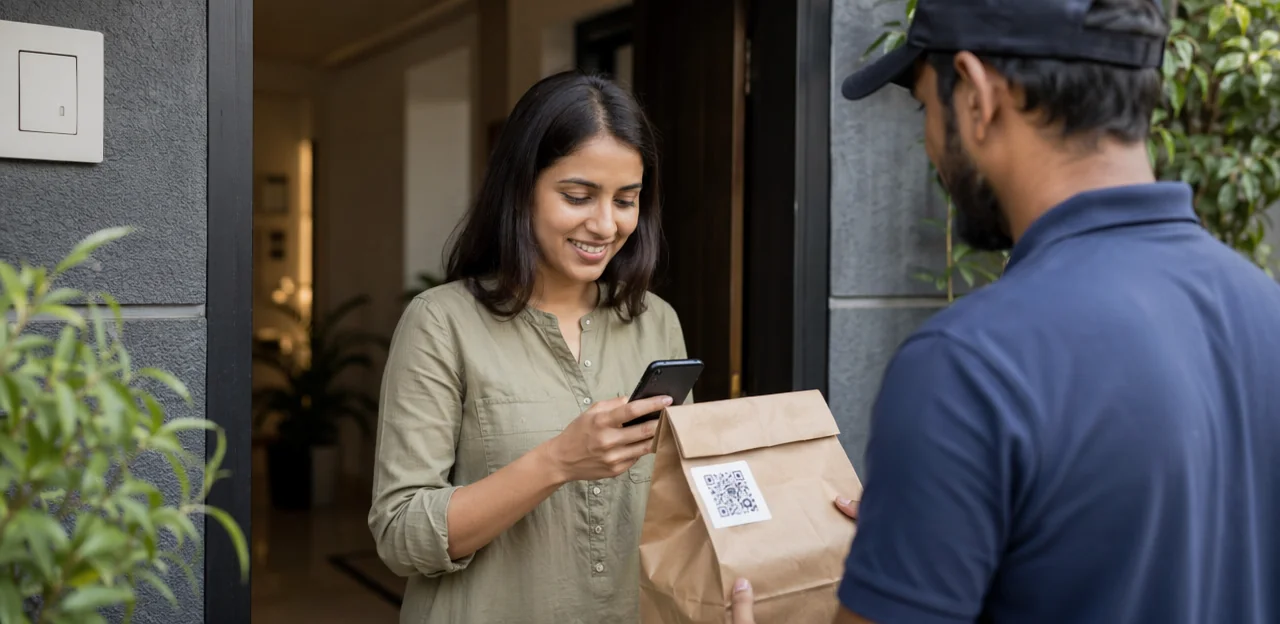
Winning repeat business has never been more important, yet many local brands still struggle to turn occasional buyers into loyal regulars. Traditional loyalty program cards are easy to lose, and a standard loyalty program app often creates friction because customers must download, register, and remember to use it. That’s why more businesses across retail, hospitality, wellness, food service, and service-based industries are exploring the value of a no app loyalty program: a simpler, faster way to reward customers and strengthen retention without adding extra steps.
For owners comparing a loyalty app with more accessible alternatives, the key question is no longer just which tool looks modern, but which one actually gets used. Whether you run a café, salon, clinic, gym, or shop, the right customer loyalty program can improve repeat visits, capture better customer data, and support a more seamless experience at checkout or in-store. This is especially important for businesses evaluating a loyalty program app for small business use, or trying to connect rewards with a pos loyalty program.
In this article, we’ll break down how a no app loyalty program works, where it outperforms traditional app-based models, how it compares with physical and digital loyalty program cards, and what to consider if you’re researching how to create a loyalty program app or choose a more flexible platform instead.
Why a No App Loyalty Program Works Better for Local Businesses

The problem with app fatigue and low adoption
Many customers simply do not want another loyalty app on their phone. For neighborhood businesses, the value exchange often feels too small: people may love a local café, salon, clinic, or repair shop, but not enough to download a full loyalty program app, create an account, enable permissions, and remember a password.
That friction hurts participation in any customer loyalty program. Common drop-off points include:
- app download hesitation
- storage and notification fatigue
- slow sign-up and login steps
- poor fit for one-location or occasional visits
A no app loyalty program removes those barriers. Customers can join instantly with a tap, scan, phone number, or digital receipt, making it easier than traditional loyalty program cards or a pos loyalty program tied to a separate app.
For any loyalty program app for small business, simplicity matters more than asking how to create a loyalty program app from scratch.
How simpler enrollment improves customer experience
A no app loyalty program removes the biggest signup friction: time. Instead of asking customers to download a loyalty program app, create passwords, or fill long forms, businesses can let people join in seconds at checkout through phone number, email, QR code, or tap-to-join.
- Phone number or email entry keeps enrollment familiar and fast.
- QR code signups work well on receipts, counters, menus, and packaging.
- Tap-to-join offers the quickest path for in-person visits across retail, hospitality, and services.
- Digital enrollment reduces reliance on physical loyalty program cards while still supporting a smooth customer loyalty program experience.
For businesses comparing a loyalty app, a loyalty program app for small business, or a pos loyalty program, simpler enrollment usually drives higher participation. If you’re researching how to create a loyalty program app, start by reducing signup steps first.
Why local teams prefer low-maintenance loyalty systems
Local owners usually want a no app loyalty program because it is easier to run than a full loyalty program app for small business locations. Staff do not need to explain downloads, troubleshoot logins, or answer questions about updates, storage, or notifications.
- Less training: New team members can learn the customer loyalty program in minutes instead of learning a complex loyalty app workflow.
- Fewer support issues: A browser-based or pos loyalty program reduces password resets, app bugs, and device compatibility problems.
- Faster daily execution: Staff can enroll customers at checkout without juggling loyalty program cards or teaching guests how to create a loyalty program app account.
- Better consistency: Simpler systems are used more often, which improves adoption across every shift.
For small locations, simple usually means profitable.
Core Features of an Effective No App Loyalty Program

A no app loyalty program works best when enrollment takes seconds at checkout, not minutes on a phone. Common low-friction methods include:
- Phone number lookup: Customers enter a mobile number at the register, making repeat visits easy and supporting a pos loyalty program.
- Email capture: A digital receipt can double as enrollment, linking purchases to a customer loyalty program without extra steps.
- QR codes: Table tents, counter signs, or receipts let customers join instantly in-browser, avoiding a full loyalty program app download.
- Card-linked enrollment: Customers connect a payment card, so points accrue automatically.
- Physical options: Loyalty program cards still matter for customers who prefer something tangible.
For businesses comparing a loyalty app or a loyalty program app for small business, start with the lowest-friction channel first. Even brands exploring how to create a loyalty program app should keep browser-based and card-based enrollment available.
Reward structures that drive repeat visits
The best no app loyalty program keeps rewards simple, immediate, and easy to redeem at checkout.
- Points-based rewards: Best for cafés, salons, and retail. Customers earn points per spend, similar to a customer loyalty program in a loyalty app, but without download friction.
- Visit-based rewards: Ideal for coffee shops, quick-service restaurants, and fitness studios. “Buy 9, get the 10th free” often outperforms complex loyalty program cards.
- Tiered perks: Great for spas, hotels, and premium services where VIP upgrades, priority booking, or exclusive offers increase retention.
- Cashback: Works well in grocery, beauty, and higher-frequency businesses tied to a pos loyalty program.
- Birthday and referral offers: Effective across industries for reactivation and low-cost acquisition.
Compared with a loyalty program app or loyalty program app for small business, browser-based rewards are faster to join and easier to use than brands exploring how to create a loyalty program app.
POS and software integrations that matter most
For any no app loyalty program, integrations determine whether your system saves time or creates extra admin work. During software selection, prioritize tools that connect directly to your pos loyalty program, CRM, and marketing stack.
- POS integration: Your loyalty platform should sync purchases, points, redemptions, and visit frequency automatically. This is essential whether you use digital rewards or traditional loyalty program cards.
- CRM syncing: Choose software that builds customer profiles from every transaction, helping your customer loyalty program support smarter segmentation and retention.
- Reporting dashboards: Look for clear dashboards showing repeat visits, reward usage, campaign results, and customer lifetime value.
- Automated messaging: The best loyalty app or loyalty program app for small business should trigger offers, birthday rewards, and win-back messages without manual effort.
If you’re comparing a loyalty program app or researching how to create a loyalty program app, start with integration depth—not just features.
How AI and Analytics Improve Loyalty Without an App

Using customer data to personalize offers
A no app loyalty program becomes far more effective when paired with AI & Analytics. Instead of sending the same discount to everyone, local businesses can use purchase and visit data to tailor rewards that actually drive action.
- Frequency: Reward regulars with VIP perks and reactivation offers for infrequent visitors.
- Spend: Give high-value customers exclusive bundles, while budget-conscious shoppers get entry-level incentives.
- Recency: Trigger win-back promotions when someone hasn’t returned recently.
- Preferences: Use favorite products, visit times, or service history to personalize messages.
This approach improves every customer loyalty program, often outperforming generic loyalty program cards or a basic loyalty app. For businesses comparing a loyalty program app for small business, a pos loyalty program, or researching how to create a loyalty program app, browser-based personalization can deliver similar relevance without added app friction.
Predicting churn and increasing retention
A no app loyalty program helps local businesses spot drop-off before customers disappear. By connecting purchase history, visit frequency, feedback, and redemption behavior, analytics can flag at-risk guests and trigger automatic win-back messages by SMS or email—without asking anyone to install a loyalty program app.
- Identify churn signals such as fewer visits, lower spend, or unused rewards.
- Segment customers by risk level inside your customer loyalty program.
- Send tailored offers automatically, like “We miss you” discounts or bonus points.
- Track which campaigns recover customers and refine your Loyalty & Retention strategy.
This approach is often faster and more practical than learning how to create a loyalty program app or replacing loyalty program cards with a full loyalty app. For many brands, a loyalty program app for small business or pos loyalty program only works when customers actually use it.
Measuring performance with practical KPIs
To judge whether a no app loyalty program is working, track a small set of KPIs that connect customer behavior to revenue and better software selection:
- Enrollment rate: How many customers join at checkout or via your pos loyalty program.
- Active member rate: The share of members who engage again within 30–90 days.
- Repeat purchase frequency: Shows whether your customer loyalty program is building habit.
- Average order value: Compare members vs. non-members to measure upsell impact.
- Redemption rate: High enough to show interest, but not so high that margins suffer.
- Customer lifetime value: Your clearest long-term success metric.
These insights help local businesses compare a loyalty app, traditional loyalty program cards, or a full loyalty program app for small business—especially when evaluating AI & Analytics features instead of guessing how to create a loyalty program app.
Cross-Industry Use Cases for No App Loyalty Programs

Restaurants, cafes, and food service
For restaurants, cafés, and food trucks, a no app loyalty program removes the biggest barrier to repeat business: download fatigue. Quick-service brands can let guests earn points with a phone number at checkout or by scanning a code on the receipt, while full-service operators can tie rewards to table checks and visit frequency through a pos loyalty program.
- Capture loyalty with phone number, receipt QR, or digital alternatives to loyalty program cards
- Connect directly to your customer loyalty program in the POS for automatic point tracking
- Offer simple rewards like “buy 5 coffees, get 1 free” or bounce-back offers for slow days
- Skip the complexity of a loyalty program app or loyalty app unless needed
For operators researching how to create a loyalty program app or a loyalty program app for small business, starting with POS-integrated, no-app rewards is often faster, cheaper, and easier to adopt.
Retail, beauty, wellness, and personal services
Boutiques, salons, spas, gyms, and clinics benefit most from a no app loyalty program because repeat visits often depend on convenience. Instead of asking clients to install a loyalty app or a full loyalty program app for small business, offer simple loyalty program cards or digital identifiers linked to bookings and purchases.
- Reward behaviors that matter: rebooking before checkout, buying retail add-ons, or attending a set number of sessions.
- Connect incentives to appointments: “Book your next facial today and unlock 10% off.”
- Use a pos loyalty program to track visits, spend, and service preferences automatically.
- Start simple before asking how to create a loyalty program app—many businesses need a strong customer loyalty program, not a complex loyalty program app.
A tap-or-scan model, such as Tapsy, can also make earning rewards frictionless.
Home services, professional services, and multi-location businesses
For cleaners, salons, repair companies, clinics, agencies, and franchises, a no app loyalty program often works better than a traditional loyalty app. Customers want fast rewards for repeat bookings, referrals, and memberships, not another download. A simple customer loyalty program tied to SMS, QR, NFC, or email keeps adoption high and operations easy across teams and locations.
- Reward repeat visits with points, service credits, or member-only perks.
- Track referrals automatically and trigger instant rewards after completed bookings.
- Standardize offers across branches without relying on loyalty program cards or a complex pos loyalty program setup.
For many operators, a loyalty program app for small business adds cost and friction. If you’re researching how to create a loyalty program app, consider whether a browser-based system can deliver the same loyalty program app benefits with less overhead.
How to Choose the Right Loyalty Software

Questions to Ask Before Selecting a Platform
Use this quick software selection checklist before choosing a no app loyalty program for your business:
- How fast is setup? Look for launch timelines, staff training needs, and whether loyalty program cards, QR, or SMS can go live in days, not months.
- Does it work with your POS? A strong pos loyalty program should connect with sales data, redemptions, and customer profiles without manual work.
- Does it support omnichannel messaging? Choose tools that reach customers by email, SMS, web, and in-store touchpoints, not just a basic loyalty app.
- How deep is reporting? Track visits, spend, repeat rate, reward usage, and customer loyalty program performance.
- What support is included? Prioritize onboarding, fast help, and strategic guidance.
- Is pricing transparent and scalable? Avoid hidden fees as you grow from one location to many.
If you're comparing a loyalty program app for small business versus a browser-based option, remember: you do not need to learn how to create a loyalty program app to build loyalty effectively.
When a loyalty program app makes sense and when it does not
A loyalty program app works best when customers visit often, want personalized offers, and will use features beyond points, such as mobile ordering, stored payment, or bookings. In those cases, a loyalty app can strengthen a broader customer loyalty program.
A no app loyalty program usually wins when speed, convenience, and adoption matter most:
- Choose an app if you need rich data, push notifications, and deep integrations with a pos loyalty program.
- Choose no-app if your audience is casual, time-poor, or unlikely to download software for one brand.
- For a loyalty program app for small business, first ask whether customers will use it weekly.
- If not, QR, SMS, browser-based rewards, or digital loyalty program cards often outperform apps.
Before investing in how to create a loyalty program app, test a simpler model first.
Avoiding the trap of building your own app
Many owners ask how to create a loyalty program app, but for most local brands, custom development is the expensive wrong turn. A bespoke loyalty app often requires ongoing design, updates, bug fixes, app-store approval, and marketing just to get customers to download it.
A better option is a no app loyalty program built on a configurable platform. It lets you launch faster and test what actually drives repeat visits.
- Start with simple rewards tied to your customer loyalty program
- Use browser-based check-ins, QR, NFC, or digital loyalty program cards
- Connect it to your pos loyalty program for automatic tracking
- Choose a loyalty program app for small business only if it avoids heavy custom build costs
For most businesses, flexibility beats building from scratch.
Implementation Best Practices for Launch and Growth

Launching your program with staff and customer buy-in
A no app loyalty program gains traction fastest when staff can explain it in one sentence and customers understand the reward immediately.
- Train employees on the basics: show how the customer loyalty program works, who it serves, and how it improves the customer experience. Give staff a 15-second script: “Join our rewards program with one tap or scan—no download needed, and you’ll get your first perk today.”
- Promote it at checkout: add signage at the counter, on receipts, and beside loyalty program cards or QR/NFC displays. If you use a pos loyalty program, make the prompt part of every transaction.
- Explain rewards clearly: highlight how points are earned, when they expire, and what customers get first.
- Avoid overcomplicating tech: unlike a loyalty app or loyalty program app for small business, customers should not wonder how to create a loyalty program app or download a loyalty program app to join.
Marketing tactics to increase enrollment and repeat visits
To grow a no app loyalty program, promote it wherever customers already interact with your brand:
- In-store signage: Place clear QR/NFC prompts at checkout, tables, doors, and counters so joining feels easier than downloading a loyalty app.
- Receipts: Add a short CTA with a reward offer and link your pos loyalty program to automatic invite messaging.
- SMS and email: Send welcome rewards, point updates, birthday perks, and win-back offers to keep your customer loyalty program active.
- Social media: Highlight member-only deals, referral bonuses, and simple join steps to attract customers who do not want a loyalty program app.
- Local partnerships: Team up with nearby businesses for shared rewards using digital or loyalty program cards.
For a loyalty program app for small business, keep messaging simple: instant value, fast signup, repeat rewards. If you're researching how to create a loyalty program app, consider whether a browser-based option delivers better adoption.
Optimizing over time with testing and feedback
A no app loyalty program performs best when you continuously test what drives repeat visits. Use AI & Analytics to track redemption rates, visit frequency, drop-off points, and offer profitability, then refine your customer loyalty program based on real behavior, not assumptions.
- Adjust reward thresholds: If customers stall before earning rewards, lower the spend or visit target.
- Test messaging: Compare short, benefit-led prompts against more personalized reminders.
- Optimize timing: Send offers when customers are most likely to return, based on POS and visit data.
- Refine offers: Identify whether discounts, freebies, upgrades, or points outperform traditional loyalty program cards.
Operational feedback matters too: staff can reveal friction that a loyalty app, pos loyalty program, or even a loyalty program app for small business may miss. Even brands exploring how to create a loyalty program app should first validate incentives and journeys through simpler no-app testing.
Conclusion
In a crowded market, the businesses that win loyalty are the ones that make engagement effortless. A no app loyalty program removes the biggest barrier to participation—downloads, logins, and friction—so customers can join, earn rewards, and return more often. Across retail, hospitality, services, and food businesses, this approach strengthens every customer loyalty program by improving convenience, increasing response rates, and generating better first-party data for smarter decisions.
Unlike a traditional loyalty program app that depends on installs and ongoing user attention, a browser-based or tap-and-scan experience can deliver many of the same benefits with less drop-off. That makes it especially attractive as a loyalty program app for small business alternative, particularly for brands evaluating how to create a loyalty program app without the cost and complexity of full app development. It also works alongside familiar tools like loyalty program cards and a pos loyalty program, creating a more flexible, modern loyalty app experience without forcing customers into another download.
The next step is simple: map your customer journey, identify key touchpoints, and choose a platform that makes loyalty easy to launch and easy to measure. If you’re comparing solutions, look for strong analytics, AI-driven insights, and seamless cross-location deployment—platforms like Tapsy show how no-app engagement can turn everyday interactions into lasting loyalty.
Frequently Asked Questions
- What is a no-app loyalty program?
A no-app loyalty program lets customers join and earn rewards without downloading a mobile app. Enrollment can happen through a phone number, email, QR code, tap-to-join, digital receipt, or card-linked setup.
- Why do local businesses often choose a no-app loyalty program over a loyalty app?
Local businesses often need a system customers will actually use, not just one that looks modern. A no-app model reduces download hesitation, login friction, storage concerns, and staff support issues, which can improve participation and daily execution.
- How can customers join a no-app loyalty program quickly?
Customers can usually enroll in seconds at checkout using a phone number, email, QR code, or tap-to-join option. Some businesses also use digital receipts or card-linked enrollment so rewards start without extra steps.
- Are physical loyalty cards still useful in a no-app setup?
Yes, physical loyalty cards can still play a role for customers who prefer something tangible. They can work alongside digital enrollment methods to keep the program flexible and accessible.
- What reward structures work best for a no-app loyalty program?
Simple rewards tend to perform best, especially when they are easy to understand and redeem at checkout. Common options include points-based rewards, visit-based offers, tiered perks, cashback, birthday rewards, and referral incentives.
- What integrations matter most when choosing loyalty software?
POS integration is essential so purchases, points, redemptions, and visit frequency sync automatically. CRM syncing, reporting dashboards, and automated messaging also matter because they reduce manual work and improve retention efforts.
- How does AI help improve a no-app loyalty program?
AI and analytics can use purchase and visit data to personalize offers based on frequency, spend, recency, and preferences. That makes rewards more relevant and helps businesses move beyond sending the same discount to everyone.
- Can a no-app loyalty program help reduce customer churn?
Yes, analytics can flag signs of churn such as fewer visits, lower spend, or unused rewards. Businesses can then trigger automatic win-back messages by SMS or email and track which campaigns bring customers back.
- Which KPIs should businesses track to measure loyalty performance?
Useful KPIs include enrollment rate, active member rate, repeat purchase frequency, average order value, redemption rate, and customer lifetime value. Together, these metrics show whether the program is driving engagement and revenue.
- Which types of businesses benefit most from a no-app loyalty program?
The model fits restaurants, cafés, food trucks, retail stores, salons, spas, gyms, clinics, home services, professional services, and multi-location businesses. It works especially well where convenience and fast enrollment matter more than app features.
- How can restaurants and cafés use a no-app loyalty program effectively?
They can let guests earn rewards with a phone number at checkout or by scanning a QR code on a receipt. Simple offers like visit-based rewards or bounce-back promotions for slower days are often a strong fit.
- How can beauty, wellness, and service businesses structure rewards without an app?
They can reward actions like rebooking before checkout, buying retail add-ons, or completing a set number of sessions. Linking rewards to appointments and service history can make the program more relevant and easier to manage.
- When does a loyalty program app make more sense than a no-app option?
An app makes more sense when customers visit frequently and will use features beyond points, such as mobile ordering, stored payment, or bookings. A no-app option is usually stronger when the audience is casual, time-poor, or unlikely to download software for one brand.
- Should a small business build its own loyalty app?
For most local brands, building a custom app is usually more expensive and complex than necessary. Ongoing design, updates, bug fixes, app-store approval, and download marketing can outweigh the benefits when a configurable no-app platform can launch faster.
- What are the best practices for launching and growing a no-app loyalty program?
Keep the explanation simple, train staff with a short script, and promote the program at checkout, on receipts, and through signage. Growth improves when businesses use SMS, email, social media, local partnerships, and ongoing testing to refine rewards, timing, and messaging.