
What makes a visitor leave a museum inspired enough to return, recommend the experience, or become a member? In a sector where word of mouth, repeat visits, and public perception matter deeply, measuring visitor sentiment is no longer optional. A well-designed museum nps survey gives attractions and cultural venues a simple, reliable way to understand how audiences truly feel about their experience.
For museums, galleries, heritage sites, and visitor attractions, Net Promoter Score can do far more than produce a number. The right nps survey can reveal what drives loyalty, where friction appears in the visitor journey, and how exhibitions, staff interactions, amenities, and programming influence advocacy. But success depends on using the right nps survey template, asking effective nps survey questions, and choosing the best-fit nps survey software or nps survey tool for your organization’s needs.
This article explores how to build and use an NPS framework tailored to attractions and museums, from practical nps survey examples to an easy-to-follow nps survey calculator approach. It also covers nps survey best practices, survey design considerations, and software selection tips, helping culture-focused organizations turn feedback into smarter decisions, stronger audience experience, and more actionable analytics.
Why a Museum NPS Survey Matters for Visitor Experience
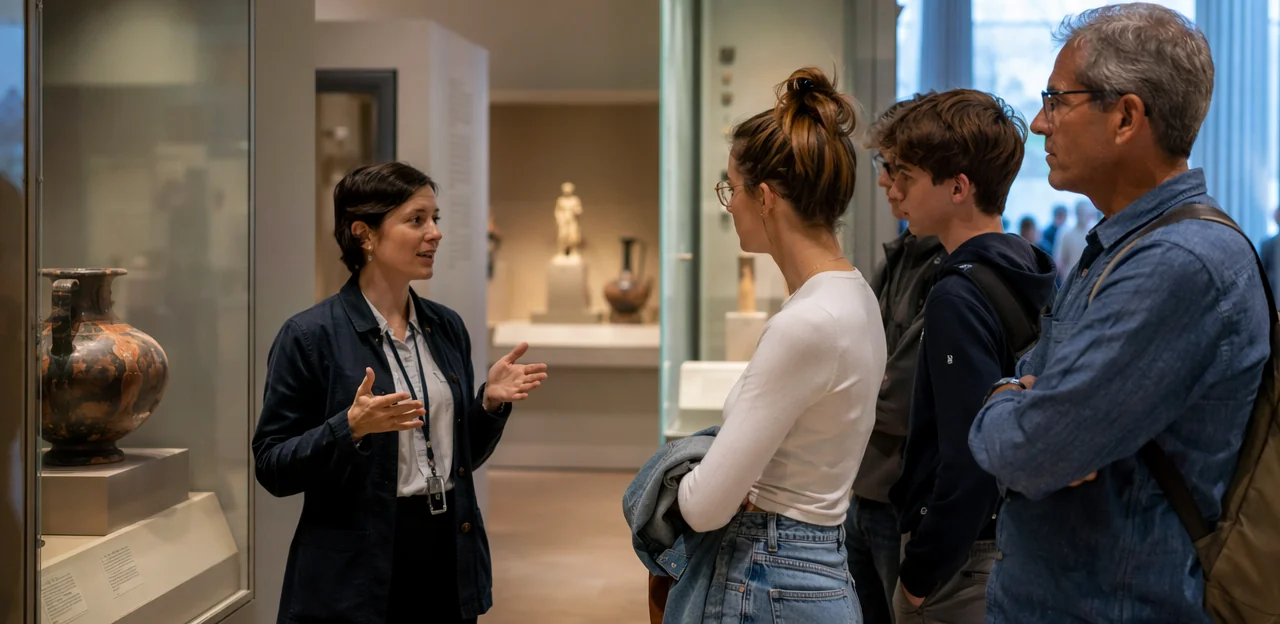
What Net Promoter Score Means in a Museum or Attraction Setting
A museum NPS survey is a simple way to measure how likely visitors are to recommend your museum, gallery, heritage site, or attraction to others. At its core, an NPS survey asks one key question: how likely someone is to recommend the experience. That single score helps cultural organizations track:
- Satisfaction with the visit
- Loyalty and likelihood to return
- Word-of-mouth growth through recommendations
- Progress toward stronger audience experience outcomes
Used well, an nps survey template paired with thoughtful nps survey questions can reveal what drives repeat visitation, memberships, and advocacy. With the right nps survey software or nps survey tool, teams can benchmark results, use an nps survey calculator, review nps survey examples, and apply nps survey best practices to improve exhibits, service, and programming.
When Museums and Attractions Should Use NPS
Timing is critical for a museum NPS survey because it shapes both response quality and operational value. Use an nps survey when the experience is still fresh, but the visitor has enough context to answer thoughtfully.
- Right after a visit: Ideal for measuring overall visitor experience and testing core nps survey questions.
- After an exhibition opening or special event: Useful for comparing audience reactions and generating clear nps survey examples for future programming.
- Following membership interactions: Capture loyalty signals after renewals, perks, or member-only previews.
- After digital experiences: Send surveys after virtual tours, ticketing journeys, or app use to assess online engagement.
Among key nps survey best practices, match timing to the touchpoint, use a simple nps survey template, and review results in your nps survey software, nps survey tool, or nps survey calculator quickly enough to act.
How NPS Supports Strategy, Funding, and Operational Decisions
A museum nps survey turns visitor sentiment into a practical KPI that helps attractions balance mission, experience, and revenue. Used well, NPS data supports both day-to-day operations and long-term planning.
- Exhibit planning: Analyze themes in nps survey questions and comments to identify which galleries, interactives, or events create promoters.
- Staffing decisions: Compare scores by time, location, or program to improve front-of-house coverage and visitor support.
- Donor reporting and board presentations: A clear nps survey calculator output makes audience advocacy easy to communicate alongside attendance and income.
- Software Selection: Choose nps survey software or an nps survey tool with strong AI & Analytics, dashboards, and segmentation.
Using an nps survey template, reviewing nps survey examples, and following nps survey best practices helps museums turn feedback into confident operational decisions.
Museum NPS Survey Template: Core Structure and Recommended Questions

The Essential Museum NPS Survey Template
A strong museum nps survey should be simple, fast, and easy to analyze. The most effective nps survey template usually includes just three parts:
- Core recommendation question
“On a scale of 0–10, how likely are you to recommend our museum to a friend, family member, or colleague?”
This is the foundation of every nps survey and feeds directly into your nps survey calculator. - Open-text follow-up
Ask one of the most useful nps survey questions:
“What is the main reason for your score?”
This gives context behind promoter, passive, and detractor responses. - Optional segmentation questions
Keep these minimal: visit type, ticket type, exhibit visited, or first-time vs repeat visitor.
For museums and attractions, shorter surveys consistently outperform longer forms. They reduce drop-off, improve completion rates, and align with nps survey best practices. Whether you use dedicated nps survey software or an nps survey tool, concise formats usually deliver cleaner data and better nps survey examples for action.
Best NPS Survey Questions for Museums and Attractions
A strong museum nps survey should go beyond the core rating question and uncover what shaped the visit. Use these tailored nps survey questions in your nps survey template:
- “How likely are you to recommend our museum or attraction to a friend or family member?”
- “How satisfied were you with the exhibition quality and storytelling?”
- “How well did our attraction support family visits, including child-friendly spaces or activities?”
- “How accessible was your experience, from entry and wayfinding to exhibits and facilities?”
- “How would you rate staff helpfulness and knowledge?”
- “How satisfied were you with amenities such as cafés, restrooms, seating, and gift shops?”
- “How valuable were our tours, workshops, or educational programs?”
Pair ratings with open-text prompts like:
- “What was the main reason for your score?”
- “What delighted you most?”
- “What could we improve for future visits?”
These nps survey examples support better analysis in any nps survey software or nps survey tool, while an nps survey calculator helps benchmark results using nps survey best practices.
Optional Questions for Better Segmentation and Analysis
A strong museum nps survey should go beyond the core rating question without becoming burdensome. In smart survey design, add just a few optional fields to reveal who is responding and why:
- First-time or repeat visitor: Compare loyalty drivers and identify what brings people back.
- Member status: Separate feedback from members, donors, and general admission guests.
- Visit purpose: Leisure, family day out, school trip, tourism, or special exhibition.
- Age group: Spot differences in satisfaction across audiences.
- Ticket type: Full price, concession, group, annual pass, or free entry.
- Gallery, exhibit, or event attended: Pinpoint experience gaps by location or program.
These inputs strengthen AI & Analytics, making your nps survey software or nps survey tool more useful for reporting, benchmarking, and smarter segmentation. This is one of the most practical nps survey best practices: keep optional nps survey questions short, relevant, and easy to answer. A good nps survey template supports cleaner analysis, better nps survey examples, and more accurate scoring in any nps survey calculator.
How to Design a High-Performing NPS Survey for Cultural Venues

Survey Design Best Practices That Increase Response Rates
Strong survey design is essential to any museum nps survey. Keep the nps survey short: lead with the rating question, then add one or two follow-up nps survey questions to capture why a visitor scored that way. This improves completion and makes analysis easier in your nps survey calculator or reporting dashboard.
- Design for mobile first: Use large buttons, minimal typing, and fast-loading pages in any nps survey tool or nps survey software.
- Use clear wording: Avoid jargon and tailor prompts to exhibits, staff, wayfinding, or amenities.
- Prioritize accessibility: Ensure readable fonts, screen-reader compatibility, and strong color contrast.
- Offer multilingual delivery: Essential for international audiences and more reliable data.
- Match your brand: A branded nps survey template feels trustworthy and on-site relevant.
Review nps survey examples regularly to refine nps survey best practices.
Distribution Channels: Email, SMS, QR Codes, and On-Site Kiosks
Choosing the right channel can make or break a museum nps survey. For visitor attractions, each method suits a different moment in the journey:
- Email: Best for post-visit feedback when guests need time to reflect. It supports longer nps survey questions and rich branding, but open rates can be low.
- SMS: Fast and direct, ideal for same-day follow-up after events. Great for short nps survey flows, though character limits reduce depth.
- QR codes: Effective for in-gallery prompts, exhibits, and exit points. They pair well with a simple nps survey template, but rely on visitors noticing signage.
- On-site kiosks: Strong for instant event-based capture and high-traffic areas, though hardware costs are higher.
Use nps survey software or an nps survey tool with an nps survey calculator, multilingual support, and reporting. Review nps survey examples and follow nps survey best practices to improve response quality.
Common Mistakes Museums Should Avoid
A museum nps survey only creates value when it is timely, focused, and tied to action. Common pitfalls include:
- Asking too many questions: Long nps survey questions reduce completion rates and distort feedback. Keep your nps survey template short so visitors respond while the experience is still fresh.
- Surveying too late: If you wait days to send an nps survey, recall fades and insights become less reliable, hurting audience experience analysis.
- Failing to close the feedback loop: Collecting scores without acknowledging concerns makes visitors feel ignored.
- Gathering data with no action plan: Even the best nps survey software, nps survey tool, or nps survey calculator cannot fix poor follow-up.
Review nps survey examples and follow nps survey best practices to turn feedback into measurable improvements.
Measuring Results: NPS Survey Calculator, Benchmarks, and Interpretation

How the NPS Formula Works
A museum NPS survey starts with one core question: “How likely are you to recommend us to a friend or colleague?” Visitors answer on a 0–10 scale.
- Promoters: scores of 9–10
- Passives: scores of 7–8
- Detractors: scores of 0–6
To calculate your score, use a simple NPS survey calculator approach:
- Count total responses.
- Find the percentage of promoters.
- Find the percentage of detractors.
- Subtract % of detractors from % of promoters.
Example: 50% promoters, 30% passives, 20% detractors = NPS of 30.
This makes NPS survey questions easy to analyze in any NPS survey template, NPS survey tool, or NPS survey software, and follows solid NPS survey best practices.
How to Interpret Scores for Museums and Attractions
A museum nps survey score only becomes meaningful when viewed in context. In cultural venues, a “strong” score may reflect engaging exhibits, smooth wayfinding, and helpful staff, while a weak score can signal confusion, crowding, pricing friction, or unmet expectations.
- Compare results by venue type: art museum, science center, historic site, zoo, or temporary exhibition.
- Factor in audience mix: tourists, members, families, schools, and locals often respond differently.
- Account for seasonality and exhibit changes, which can shift sentiment quickly.
Use AI & Analytics in your nps survey software or nps survey tool to segment trends, not just totals. A good nps survey template, paired with smart nps survey questions, nps survey calculator data, and nps survey best practices, helps you learn more from trends than isolated nps survey examples or one-off comparisons.
Turning Feedback into Actionable Insights
A strong museum nps survey should go beyond the score and uncover why visitors felt delighted or disappointed. Review open-text responses for recurring patterns, then group them into clear action areas:
- Queue times: identify bottlenecks at entry, ticketing, or popular exhibits
- Signage: flag confusion around wayfinding, maps, or exhibit directions
- Accessibility: track comments on lifts, seating, language, and inclusive design
- Exhibit quality: spot trends in relevance, interactivity, and maintenance
- Staff helpfulness: measure how service shapes overall audience experience
Using AI & Analytics in nps survey software or an nps survey tool can automatically tag themes, detect sentiment, and rank issues by frequency and impact. Pair this with an nps survey calculator, proven nps survey questions, and nps survey best practices to turn nps survey examples or any nps survey template into focused improvements.
Choosing the Right NPS Survey Software and Tool for Museums

What to Look for in NPS Survey Software
When choosing nps survey software for a museum nps survey, focus on tools that fit daily operations, not just reporting features. Prioritize:
- Ease of use: Staff should be able to launch an nps survey template, edit nps survey questions, and review results without technical support.
- Integrations: The best nps survey tool connects with CRM, ticketing, membership, and email platforms to link feedback with visitor journeys.
- Dashboards and analytics: Look for clear reporting, trend views, and an built-in nps survey calculator to track promoters, passives, and detractors.
- Automation: Useful for post-visit sends, alerts, and follow-up workflows based on nps survey scores.
- Multilingual support: Essential for museums and attractions serving diverse audiences.
- Privacy compliance: Confirm GDPR and consent controls.
Strong Software Selection also means checking nps survey examples and nps survey best practices before committing.
Features That Matter Most for Visitor Attractions and Cultural Organizations
For any museum nps survey, the most useful features are the ones that help teams act quickly across venues, exhibits, and departments:
- Role-based reporting: Give executives, site managers, curators, and front-of-house teams access to the metrics they need without overwhelming them.
- Location-level analysis: Compare scores across multiple museums, galleries, or attraction sites to spot operational gaps and replicate wins.
- Exhibit tagging: Connect feedback to specific displays, events, or visitor journeys, making nps survey questions more actionable.
- Sentiment analysis: Strong AI & Analytics in nps survey software helps uncover themes behind scores at scale.
- Closed-loop workflows: Route detractor feedback instantly so teams can respond, recover experiences, and follow nps survey best practices.
The best nps survey tool should also support a clear nps survey template, practical nps survey examples, and an integrated nps survey calculator.
Example Use Cases and NPS Survey Examples by Venue Type
Use a museum NPS survey differently by setting, audience, and visit purpose:
- Art museums: Ask about exhibit clarity, wayfinding, and emotional impact. A simple nps survey template may pair the core score with follow-up nps survey questions on curation and membership intent.
- Science centers: Focus on interactivity, family learning, and dwell time. An on-site nps survey tool can capture parent and child feedback separately.
- Historic houses: Measure guide quality, storytelling, and accessibility. Shorter nps survey examples work best for timed tours.
- Zoos and aquariums: Track animal visibility, amenities, and conservation messaging using mobile-friendly nps survey software.
- Mixed-use visitor attractions: Compare retail, dining, and exhibits in one flow, then benchmark with an nps survey calculator.
Apply nps survey best practices by tailoring timing, channel, and language to each audience.
From Feedback to Better Experiences: Building an NPS Action Plan

How to Close the Loop with Visitors and Internal Teams
A strong museum nps survey only creates value when teams act on it. Follow these nps survey best practices:
- Contact detractors quickly, acknowledge concerns, and resolve issues tied to the visitor experience.
- Thank promoters and invite reviews, memberships, donations, or referrals.
- Share themes from nps survey questions with frontline staff, curators, marketing, and leadership.
- Use an nps survey template, nps survey examples, and an nps survey calculator inside your nps survey software or nps survey tool to track owners, deadlines, and improvements.
Clear accountability turns every nps survey into continuous improvement.
- A museum nps survey turns visitor sentiment into practical improvements across the full audience experience. Use nps survey questions to pinpoint where exhibits feel unclear, routes feel confusing, or amenities fall short.
- Apply insights to:
- refine exhibit interpretation and labels
- improve wayfinding signage and queue flow
- prioritize accessibility upgrades and family facilities
- shape event programming around promoter interests
- target at-risk members with retention offers
Using an nps survey template, nps survey software, or an nps survey tool with an nps survey calculator supports measurable action. Review nps survey examples and follow nps survey best practices to connect feedback to repeat visits, dwell time, and membership renewals.
Creating a Repeatable Reporting Cadence
To get more value from a museum nps survey, build a simple reporting rhythm that turns feedback into action:
- Weekly: Track score changes, response volume, and urgent themes in your nps survey software or nps survey tool.
- Monthly: Review trends, compare locations or exhibits, and validate findings with nps survey questions, nps survey examples, and an nps survey calculator.
- Quarterly: Use AI & Analytics to spot patterns, refine your nps survey template, and align improvements with wider visitor goals.
This repeatable process supports nps survey best practices, strengthens decision-making, and improves software ROI.
Conclusion
A well-designed museum nps survey does far more than generate a score—it helps attractions and cultural institutions understand what visitors value, where friction exists, and how to create more memorable experiences. By using the right nps survey questions, tailoring an effective nps survey template to different visitor journeys, and following proven nps survey best practices, museums and attractions can turn feedback into practical action. From benchmarking performance to identifying promoters, passives, and detractors, a strong museum nps survey supports smarter decisions across programming, exhibitions, operations, and audience engagement.
Just as important is choosing the right nps survey software or nps survey tool to make collection, analysis, and reporting simple. Features like automation, segmentation, multilingual support, and an accurate nps survey calculator can help teams move faster and act on insights with confidence. Reviewing nps survey examples can also help refine your approach and ensure your survey feels relevant, concise, and visitor-friendly.
The next step is to audit your current feedback process, select or customize an nps survey template, and test your survey at key touchpoints across the visitor experience. If you’re evaluating platforms, consider solutions that combine real-time feedback capture with analytics, such as Tapsy. Start optimizing your museum nps survey today to build stronger loyalty, improve visitor satisfaction, and deliver experiences audiences will recommend again and again.
Frequently Asked Questions
- What is a museum NPS survey used for?
A museum NPS survey measures how likely visitors are to recommend a museum, gallery, heritage site, or attraction to others. It helps track satisfaction, loyalty, repeat-visit potential, and word-of-mouth advocacy. It can also reveal how exhibits, staff, amenities, and programming shape the visitor experience.
- When should a museum send an NPS survey?
The best time is when the experience is still fresh but visitors have enough context to respond thoughtfully. Common moments include right after a visit, after an exhibition opening or special event, following membership interactions, and after digital experiences such as virtual tours or ticketing journeys. Matching timing to the touchpoint improves response quality and usefulness.
- What questions should be included in a museum NPS survey template?
A strong template usually includes the core 0–10 recommendation question, an open-text follow-up asking for the main reason behind the score, and a few optional segmentation questions. Useful extras can cover exhibition quality, accessibility, staff helpfulness, amenities, and educational programs. Keeping the survey short generally improves completion rates.
- What is the main recommendation question in an NPS survey?
The core question is typically: “On a scale of 0–10, how likely are you to recommend our museum to a friend, family member, or colleague?” This single question forms the basis of the NPS calculation. It is the standard starting point for measuring visitor advocacy.
- Which optional segmentation questions are most useful for museums and attractions?
Useful segmentation fields include first-time versus repeat visitor, member status, visit purpose, age group, ticket type, and the gallery, exhibit, or event attended. These details help teams understand who is responding and why scores differ. They also make reporting and benchmarking more actionable.
- How can museums design an NPS survey that gets more responses?
Keep the survey brief, place the rating question first, and add only one or two follow-up questions. A mobile-first design, clear wording, accessible formatting, multilingual delivery, and branding that matches the venue all help improve response rates. Simplicity makes the survey easier to complete and easier to analyze.
- Which survey channel is best for museum NPS collection: email, SMS, QR codes, or kiosks?
Each channel fits a different moment in the visitor journey. Email works well for post-visit reflection, SMS is useful for fast same-day follow-up, QR codes suit in-gallery and exit-point prompts, and on-site kiosks are effective in high-traffic areas for instant capture. The best choice depends on timing, audience, and how much detail you want to collect.
- What mistakes should museums avoid when running NPS surveys?
Common mistakes include asking too many questions, sending the survey too late, failing to close the feedback loop, and collecting data without an action plan. Long surveys reduce completion, while delayed surveys weaken recall. Even good software cannot compensate for poor follow-up.
- How is Net Promoter Score calculated for a museum?
Visitors who score 9–10 are promoters, 7–8 are passives, and 0–6 are detractors. To calculate NPS, find the percentage of promoters and subtract the percentage of detractors. For example, if 50% are promoters and 20% are detractors, the NPS is 30.
- How should museums interpret their NPS results?
Scores are most useful when viewed in context rather than in isolation. Museums should compare results by venue type, audience mix, seasonality, and exhibit changes because these factors can shift visitor sentiment. Trend analysis often reveals more than a single score.
- What kinds of visitor issues can NPS feedback help uncover?
Open-text feedback can highlight recurring problems or strengths in queue times, signage, accessibility, exhibit quality, and staff helpfulness. Grouping comments into these themes helps teams identify where friction appears in the visitor journey. That makes it easier to prioritize operational improvements.
- What should museums look for in NPS survey software?
Useful software should be easy for staff to use and support integrations with CRM, ticketing, membership, and email systems. Clear dashboards, built-in calculation, automation, multilingual support, and privacy compliance are also important. The goal is to make feedback collection, analysis, and follow-up practical for daily operations.
- Which software features matter most for attractions and cultural organizations?
Role-based reporting, location-level analysis, exhibit tagging, sentiment analysis, and closed-loop workflows are especially valuable. These features help different teams act on feedback across venues, departments, and visitor journeys. They also make it easier to respond quickly to detractor feedback and replicate successful experiences.
- How can different venue types tailor NPS surveys?
Art museums may focus on exhibit clarity, wayfinding, and emotional impact, while science centers may emphasize interactivity and family learning. Historic houses can ask about guide quality and storytelling, and zoos or aquariums may track animal visibility, amenities, and conservation messaging. Mixed-use attractions can compare retail, dining, and exhibits in a single survey flow.
- How do museums turn NPS feedback into a repeatable action plan?
Teams should contact detractors quickly, thank promoters, and share feedback themes with frontline staff, curators, marketing, and leadership. Insights can then be used to improve interpretation, signage, queue flow, accessibility, family facilities, and member retention efforts. A weekly, monthly, and quarterly reporting cadence helps keep improvements consistent and measurable.