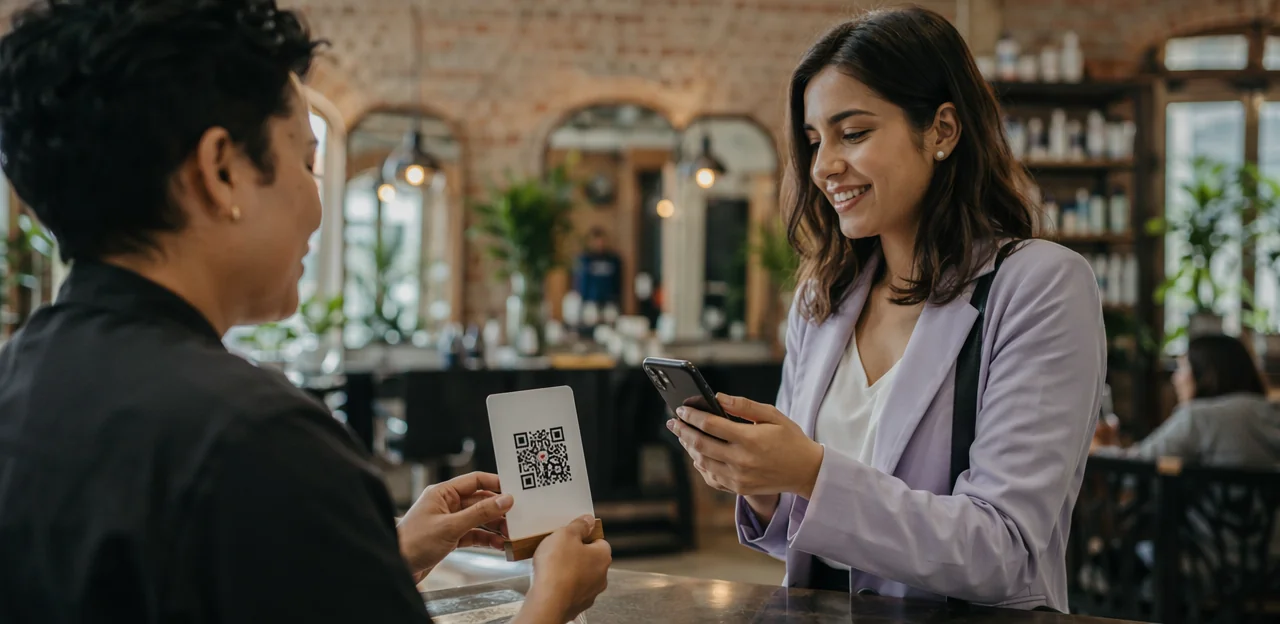
In a world where every customer interaction matters, qr code stickers have become one of the simplest and most effective tools for capturing feedback in real time. From hotels and restaurants to retail stores, clinics, gyms, and event venues, businesses are using these compact touchpoints to make it easier for customers to share opinions, rate experiences, and access support instantly. Whether you want to print qr code stickers for tables, counters, packaging, or entry points, the goal is the same: reduce friction and increase response rates.
Today’s brands are going beyond generic codes by investing in custom qr code stickers, qr code stickers for business, and even qr code stickers with logo to create a more professional, trustworthy experience. Depending on the environment, waterproof qr code stickers may be ideal for outdoor use or hospitality settings, while small qr code stickers can fit neatly on products, menus, or receipts. Some businesses also explore instagram qr code stickers for social engagement, while others want to make qr code stickers specifically for surveys, reviews, loyalty, or service requests.
This article explores how QR feedback stickers work across industries, what features matter most, how AI and analytics improve customer insight, and how to choose the right software and touchpoint strategy for long-term customer experience success.
Why QR Code Stickers Matter for Modern Customer Feedback

How qr code stickers reduce friction in feedback collection
QR code stickers remove the biggest barrier to feedback: effort. Instead of asking customers to fill out paper cards, remember a URL, or search their inbox later, businesses can place a code exactly where the experience happens and capture responses in seconds.
- Faster action: Guests scan and respond immediately on their phones.
- Mobile-first convenience: Today’s customers are used to quick taps and scans, not long forms.
- Higher response rates: QR code stickers for business work at the point of experience, when impressions are fresh.
- Flexible placement: Use small qr code stickers on tables, counters, packaging, or receipts.
To improve performance, print qr code stickers clearly, use custom qr code stickers or qr code stickers with logo for trust, and choose waterproof qr code stickers for demanding environments. Brands can even make qr code stickers for social touchpoints, including instagram qr code stickers, to extend engagement beyond the venue.
Connecting physical spaces to digital customer experience journeys
QR code stickers turn everyday touchpoints into instant digital entry points, helping businesses capture feedback exactly where experiences happen. Placed on storefronts, packaging, tables, counters, receipts, vehicles, or service desks, they connect customers to surveys, review requests, support forms, and loyalty flows in seconds.
- Use custom qr code stickers and qr code stickers with logo to match brand identity and improve trust.
- Print qr code stickers for high-traffic zones like checkout counters, waiting rooms, hotel tables, and technician kits.
- Choose waterproof qr code stickers for kitchens, bathrooms, outdoor pickup points, or field service equipment.
- Small qr code stickers work well on packaging, receipts, and product tags.
- Retail, hospitality, healthcare, and field services can all make qr code stickers that guide customers from physical interaction to digital action.
- For social engagement, instagram qr code stickers can complement feedback journeys for qr code stickers for business.
Using AI and analytics to turn scans into actionable insights
With qr code stickers, the real value starts after the scan. Every interaction can reveal where customers get stuck, what they love, and which locations need attention most. For teams using qr code stickers for business, analytics dashboards turn raw scan activity into clear next steps.
- Track scan volume by time, location, table, product, or campaign
- Combine survey responses with AI sentiment analysis to spot recurring complaints or praise
- Compare branches to identify top performers and underperforming sites
- Use trend reporting to prioritize fixes with the biggest customer impact
Whether you print qr code stickers, make qr code stickers, or deploy custom qr code stickers and qr code stickers with logo, consistent tagging improves reporting. Even waterproof qr code stickers, small qr code stickers, or instagram qr code stickers can feed a smarter feedback system at scale.
Best Types of QR Code Stickers for Different Business Needs

Choosing between standard, custom, and branded sticker formats
Not all qr code stickers serve the same purpose. The right format depends on visibility, brand goals, and where the code will be used.
- Standard labels work well for fast, low-cost deployment. They’re ideal when you need to print qr code stickers in volume for temporary campaigns, internal testing, or simple feedback points.
- Custom qr code stickers give you more control over size, shape, material, and placement. They’re better for qr code stickers for business in hotels, retail, healthcare, and restaurants where presentation matters.
- Qr code stickers with logo often improve trust and scan rates because customers instantly recognize the brand. They also create a more polished experience across locations.
For outdoor or high-touch areas, choose waterproof qr code stickers. Use small qr code stickers only when scan distance is short. Even niche uses like instagram qr code stickers benefit from consistent branding when you make qr code stickers for customer-facing spaces.
When to use waterproof qr code stickers and durable materials
Choose qr code stickers with tougher materials whenever they face moisture, friction, cleaning chemicals, or heavy handling. This is especially important for restaurants, salons, gyms, healthcare settings, outdoor venues, warehouses, and product packaging.
- Use waterproof qr code stickers in kitchens, bathrooms, locker rooms, spas, and outdoor service areas where spills, steam, and weather can damage labels.
- Add scratch-resistant laminate for warehouse bins, gym equipment, takeaway counters, and packaging that gets touched often.
- For branded campaigns, custom qr code stickers, qr code stickers with logo, and even instagram qr code stickers should still use durable finishes to protect scan quality.
- If you print qr code stickers in compact formats, test small qr code stickers carefully so wear does not affect readability.
For reliable qr code stickers for business, choose vinyl, polyester, or laminated stock when you make qr code stickers for long-term use.
Sizing and format considerations for counters, packaging, and displays
Choosing the right size for qr code stickers depends on where customers will scan them. Small qr code stickers work well on coffee cups, takeaway packaging, table tents, receipts, and countertop displays where the phone is only a few inches away. Larger formats are better for windows, walls, menus, and event signage viewed from farther back.
- Keep strong contrast: black on white usually scans best.
- Avoid glossy glare, busy backgrounds, or tiny logos that reduce readability.
- Use larger codes as scan distance increases; test from the expected standing point.
- When you print qr code stickers, leave quiet space around the code for reliable detection.
- For outdoor or wet areas, use waterproof qr code stickers.
- If you make qr code stickers for branding, ensure qr code stickers with logo or custom qr code stickers stay easy to scan.
For qr code stickers for business, always test multiple phones before full rollout.
Cross-Industry Use Cases for QR Feedback Touchpoints

Retail, restaurants, and hospitality feedback workflows
Retailers, restaurants, and hotels use qr code stickers at the exact moment customers form an opinion, making feedback faster and more accurate. Place qr code stickers for business where action happens:
- Tables and menus: collect meal ratings, service feedback, and prompt Google or social reviews.
- Receipts and checkout counters: ask one-tap satisfaction questions after purchase.
- Fitting rooms: capture product feedback and staff assistance ratings in real time.
- Hotel rooms and takeaway packaging: gather cleanliness, delivery, and overall experience scores.
For durability, choose waterproof qr code stickers in kitchens, bathrooms, outdoor seating, or delivery use. Brands can print qr code stickers or make qr code stickers in small qr code stickers formats, using custom qr code stickers, qr code stickers with logo, or even instagram qr code stickers to match campaigns and improve scan rates.
Healthcare, education, and professional services applications
Clinics, schools, universities, banks, and office-based firms use qr code stickers to collect fast, low-friction feedback at the exact point of service. Placed at reception desks, waiting rooms, consultation exits, classrooms, advising offices, and meeting spaces, custom qr code stickers let visitors rate appointment flow, staff helpfulness, cleanliness, and facility comfort in seconds.
- Use small qr code stickers on counters, doors, clipboards, or desks where space is limited.
- Choose waterproof qr code stickers for clinics, labs, wash areas, and high-touch environments.
- Add branding with qr code stickers with logo to build trust and improve scan rates.
- Print qr code stickers for each touchpoint so feedback stays location-specific and actionable.
- For firms wanting a simple rollout, qr code stickers for business are easy to deploy without extra hardware.
Organizations can also make qr code stickers for campaigns, events, or even instagram qr code stickers that connect feedback with broader engagement.
Events, creators, and social engagement opportunities
QR code stickers can do far more than collect post-visit surveys. At pop-ups, festivals, trade shows, and creator booths, one scan can grow an audience and capture instant feedback.
- Use instagram qr code stickers on tables, merch displays, or booth signs to drive follows, giveaway entries, or story tags.
- Add qr code stickers with logo to reinforce brand identity and improve trust at live activations.
- For outdoor venues or drink stations, choose waterproof qr code stickers that hold up in high-traffic environments.
- Use small qr code stickers on packaging, badges, or creator cards for quick social actions.
- Brands can print qr code stickers with a landing page that offers two paths: “Follow us” and “Share feedback.”
- To scale campaigns, make qr code stickers that are segmented by event zone, creator, or product line.
This approach makes custom qr code stickers and qr code stickers for business a practical tool for both community engagement and audience growth.
How to Design, Print, and Place QR Code Stickers Effectively

How to make qr code stickers that people actually scan
To make qr code stickers effective, design for speed, clarity, and trust:
- Use strong contrast: Black on white works best. Avoid busy backgrounds, low-contrast brand colors, or tiny codes that hurt readability, especially on small qr code stickers.
- Add a clear CTA: Say exactly what users get: Scan for feedback, Tap to review, or Scan for 10% off. This helps qr code stickers for business convert better.
- Keep copy concise: Limit text to one short benefit-driven line.
- Prioritize mobile landing pages: Fast-loading, no-login pages increase completions. If you print qr code stickers, always test scans on multiple phones.
- Use incentive messaging: Discounts, loyalty points, or instant rewards encourage action.
- Brand carefully: Custom qr code stickers and qr code stickers with logo should match brand style without distorting the code. Even waterproof qr code stickers or instagram qr code stickers must stay easy to scan.
Best practices to print qr code stickers for accuracy and durability
To make qr code stickers scan reliably and last in real-world conditions, focus on print quality and materials from the start:
- Use sharp print resolution: Print at 300 DPI or higher so even small qr code stickers stay readable. Keep strong contrast, and avoid shrinking codes too far when you print qr code stickers in-house.
- Choose the right stock: For indoor use, matte vinyl reduces glare. For kitchens, bathrooms, windows, or outdoor areas, use waterproof qr code stickers with UV-resistant finishes.
- Pick adhesive by surface: Permanent adhesive suits tables, counters, and packaging; removable adhesive works better for seasonal campaigns or instagram qr code stickers.
- Add lamination carefully: A thin matte laminate improves scratch and moisture resistance without hurting scans on custom qr code stickers or qr code stickers with logo.
- Test before rollout: Whether you make qr code stickers yourself or order qr code stickers for business from a vendor, test scans across phones, lighting, and distances before full deployment.
Placement strategies that maximize scan rates and feedback quality
Where you place qr code stickers matters as much as the survey itself. The best locations match moments when customers have fresh impressions and a few seconds to respond.
- Entrances and waiting rooms: Use custom qr code stickers to capture expectations before service begins.
- Point of sale and exits: Ideal for quick post-purchase feedback when the experience is still top of mind.
- Product packaging: Great for unboxing, setup, or repeat-use insights; small qr code stickers work well here.
- Service vehicles and field visits: Choose waterproof qr code stickers for durability in mobile environments.
- Post-service handoff points: Add qr code stickers with logo to receipts, bags, or thank-you cards for higher trust.
For qr code stickers for business, prioritize visibility, relevance, and timing. When you print qr code stickers or make qr code stickers, tailor the message to the touchpoint. Even instagram qr code stickers can support feedback in social-first brands.
Software Selection, Tracking, and Optimization

What to look for in QR and feedback software platforms
When choosing software for qr code stickers, focus on tools that scale beyond a single campaign:
- Dynamic QR management: Update destinations without reprinting when you print qr code stickers, including custom qr code stickers, small qr code stickers, or waterproof qr code stickers.
- Editable landing pages and survey builders: Easily change forms, offers, and feedback flows as needs evolve.
- CRM and POS integrations: Connect responses to customer profiles for follow-up and loyalty.
- Analytics dashboards: Track scan rates, response quality, location performance, and trends.
- Permissions and governance: Control who can edit, publish, and view data.
- Multi-location support: Essential for qr code stickers for business across stores, hotels, or venues.
Whether you make qr code stickers, add qr code stickers with logo, or even use instagram qr code stickers, the best platform turns scans into actionable feedback at scale.
Measuring scans, conversions, and customer experience outcomes
To judge whether qr code stickers are working, track the full journey from scan to action and outcome. Useful metrics include:
- Scan volume: Measure total scans by day, location, and sticker type, including small qr code stickers at tables or waterproof qr code stickers in outdoor or washroom areas.
- Completion rate: Compare scans to submitted feedback or form completions to see which custom qr code stickers and placements perform best.
- Review generation: Track how many users leave public reviews after scanning.
- Sentiment and themes: Use analytics to spot trends in praise, complaints, and service issues.
- Location performance: Compare entrances, counters, packaging, or qr code stickers with logo to refine placement.
When you print qr code stickers or make qr code stickers for campaigns, analytics help prove ROI, improve operations, and optimize future qr code stickers for business—even for niche uses like instagram qr code stickers.
Using AI to analyze feedback across locations and industries
When qr code stickers collect feedback at scale, AI helps teams turn raw comments into decisions much faster than manual review. Whether brands use qr code stickers for business in retail, hospitality, healthcare, or events, AI can:
- Summarize comments instantly into clear takeaways by location, product, or service line
- Detect recurring issues such as wait times, cleanliness, staff attitude, or checkout friction
- Categorize themes automatically across responses from small qr code stickers, waterproof qr code stickers, or qr code stickers with logo placed in different touchpoints
- Surface anomalies fast, including sudden complaint spikes after teams print qr code stickers or make qr code stickers for new campaigns
This helps operators compare performance across industries, prioritize fixes, and improve CX programs built around custom qr code stickers or even niche uses like instagram qr code stickers.
Common Mistakes to Avoid and Final Recommendations

Design and usability errors that hurt scan performance
Even well-made qr code stickers can fail if basic usability is ignored. Common issues include:
- Poor contrast: Light codes on light backgrounds reduce scan accuracy, especially outdoors.
- Codes that are too small: Small qr code stickers may look neat but often become hard to scan at normal viewing distance.
- Weak placement: Mounting stickers too high, too low, on curved surfaces, or in low-light areas hurts engagement.
- Broken or outdated links: Always test after you print qr code stickers and before rollout.
- Cluttered design: Overusing branding on custom qr code stickers or qr code stickers with logo can interfere with readability.
- Bad mobile experience: Landing pages must load fast and work smoothly on phones.
Whether you make qr code stickers for menus, feedback, instagram qr code stickers, or qr code stickers for business, test scan speed, link accuracy, and durability, especially for waterproof qr code stickers, before full deployment.
Operational mistakes in rollout, maintenance, and governance
Many qr code stickers fail because rollout is treated as a one-time print job instead of an ongoing program. Common mistakes include using static links that cannot be updated, unclear ownership at store level, inconsistent branding across locations, missing analytics, and leaving faded or damaged stickers in place too long. This is especially risky for qr code stickers for business in high-traffic areas.
Simple governance checklist for multi-location teams:
- Use dynamic codes before you print qr code stickers
- Standardize custom qr code stickers and qr code stickers with logo
- Track scans, completions, and location-level performance
- Replace worn waterproof qr code stickers on a fixed schedule
- Approve use cases for small qr code stickers and instagram qr code stickers
- Document who can make qr code stickers, update links, and audit placements
Building a scalable cross-industry QR feedback strategy
A scalable system starts by matching qr code stickers to the environment, then standardizing how feedback is captured, analyzed, and acted on.
- Choose the right format: use waterproof qr code stickers for kitchens, bathrooms, and outdoor areas; small qr code stickers for packaging or receipts; and custom qr code stickers or qr code stickers with logo to build trust and improve scan rates.
- Build for consistency: print qr code stickers with clear calls to action and place them at key moments like tables, exits, counters, rooms, or delivery bags.
- Select software that supports fast mobile forms, AI analytics, trend tracking, and location-based reporting for qr code stickers for business.
- Test and refine: even niche uses like instagram qr code stickers can support campaigns, while tools that help you make qr code stickers at scale simplify rollout across locations.
Conclusion
In today’s experience-driven market, qr code stickers are one of the simplest and most effective ways to capture customer feedback at the moment it matters most. Across hospitality, retail, healthcare, events, real estate, and service businesses, they help brands reduce friction, increase response rates, and turn everyday touchpoints into valuable insight. Whether you want to print qr code stickers for tables, counters, packaging, or receipts, or invest in custom qr code stickers that match your brand, the goal is the same: make feedback fast, visible, and easy.
From qr code stickers for business that link to surveys and review pages to qr code stickers with logo that strengthen brand trust, the right setup can improve both customer experience and data collection. Depending on your environment, waterproof qr code stickers, small qr code stickers, and even instagram qr code stickers can support everything from in-store engagement to social growth. If you’re ready to make qr code stickers part of your strategy, start by identifying high-traffic touchpoints, choosing durable materials, and connecting each code to a clear, mobile-friendly destination.
Next, test placement, track scan performance, and refine your messaging over time. For businesses seeking a more advanced feedback solution, platforms like Tapsy can help combine QR and NFC touchpoints with real-time analytics, rewards, and smarter customer insight.
Frequently Asked Questions
- What are QR code stickers used for in customer feedback?
QR code stickers let customers scan with their phones and respond immediately at the point of experience. They are commonly used to collect surveys, ratings, review requests, support requests, and loyalty actions in places like tables, counters, packaging, receipts, and service desks.
- Why do QR code stickers often increase feedback response rates?
They reduce effort by removing the need for paper cards, remembered URLs, or later follow-up from email. Because the code is placed where the experience happens, customers can respond while impressions are still fresh.
- How do custom QR code stickers differ from standard labels?
Standard labels are best for fast, low-cost deployment and temporary campaigns. Custom QR code stickers offer more control over size, shape, material, and placement, which makes them better for customer-facing environments where presentation and branding matter.
- When should a business choose QR code stickers with a logo?
QR code stickers with a logo are useful when trust and brand recognition matter. They can create a more polished experience across locations and may improve scan rates because customers instantly recognize the brand.
- Where are waterproof QR code stickers most useful?
Waterproof QR code stickers are best for kitchens, bathrooms, locker rooms, spas, outdoor service areas, and other places exposed to moisture, steam, weather, or frequent cleaning. They are also useful in gyms, healthcare settings, warehouses, and on packaging that gets handled often.
- Are small QR code stickers a good idea for packaging and receipts?
Yes, small QR code stickers work well when the scan distance is short, such as on packaging, receipts, coffee cups, table tents, and product tags. They should be tested carefully because codes that are too small can become difficult to scan at normal viewing distance.
- What design choices help people actually scan a QR feedback sticker?
Use strong contrast, usually black on white, and avoid busy backgrounds, glare, or tiny logos that reduce readability. Add a short call to action like "Scan for feedback" or "Tap to review," and send people to a fast, mobile-friendly page.
- What print and material settings improve QR sticker durability and accuracy?
Printing at 300 DPI or higher helps keep codes sharp and readable, especially in smaller formats. Matte vinyl can reduce glare indoors, while waterproof materials, UV-resistant finishes, and thin matte lamination help in wet, bright, or high-touch environments.
- Where should QR code stickers be placed for the best scan rates?
Good placements include tables, menus, checkout counters, exits, waiting rooms, hotel rooms, packaging, receipts, service vehicles, and post-service handoff points. The best locations are visible moments when customers have fresh impressions and a few seconds to respond.
- How can businesses track whether QR feedback stickers are working?
Useful metrics include scan volume, completion rate, review generation, sentiment trends, and performance by location or touchpoint. Tracking by time, table, branch, product, or campaign helps teams see which placements and sticker types perform best.
- How does AI help analyze feedback collected through QR code stickers?
AI can summarize comments, detect recurring issues, categorize themes, and surface unusual spikes in complaints or praise. This makes it easier to compare locations, identify operational problems, and prioritize fixes with the biggest customer impact.
- What software features matter most for managing QR code stickers at scale?
Dynamic QR management is important because it lets teams update destinations without reprinting stickers. Strong platforms also include editable landing pages, survey builders, CRM or POS integrations, analytics dashboards, permissions controls, and multi-location support.
- Which industries can benefit most from QR feedback stickers?
Retail, restaurants, hotels, healthcare, education, professional services, events, and field service teams can all use them effectively. Common use cases include collecting service ratings, cleanliness feedback, appointment flow feedback, product opinions, and post-visit reviews.
- Can Instagram QR code stickers be part of a feedback strategy?
Yes, Instagram QR code stickers can support both social engagement and feedback collection. They work well at events, creator booths, merch displays, and branded campaigns where one landing page can offer options like following the brand or sharing feedback.
- What common mistakes reduce QR code sticker performance?
Frequent problems include poor contrast, codes that are too small, weak placement, broken links, cluttered branding, and slow mobile landing pages. Operational issues like static links, missing analytics, inconsistent branding, and failing to replace worn stickers also hurt results over time.