Winning a guest once is valuable. Winning them back again and again is what drives sustainable revenue in hospitality and events. In a market where travelers have endless choices and expectations keep rising, a strong repeat visit strategy is no longer optional for hotels, venues, and accommodation providers that want to build loyalty, protect margins, and stand out from competitors.
The most successful brands understand that repeat bookings do not happen by chance. They are the result of a deliberate customer experience strategy, a smart customer engagement strategy, and a measurable customer experience management strategy that turns every stay, visit, or event into a reason to return. For independent operators, this can be a practical small business strategy and local marketing strategy; for larger groups, it becomes a scalable company growth strategy supported by data, automation, and the right marketing strategy software.
This article explores how hospitality businesses can create a repeat visit strategy that goes beyond discounts and generic loyalty offers. We will look at the role of guest experience, personalization, AI and analytics, feedback, and retention tactics in encouraging return visits and stronger long-term relationships. You will also see how modern tools, including touchpoint-based engagement platforms such as Tapsy, can help businesses capture insight in real time and turn satisfied guests into loyal repeat customers.
Why Repeat Visits Matter in Hospitality and Events

The business case for retention over constant acquisition
A strong repeat visit strategy reduces reliance on costly, unpredictable acquisition and creates steadier demand across rooms, tables, and event calendars. When hospitality brands turn first-time guests into regulars, they improve occupancy, smooth seasonal dips, and increase event attendance consistency without constantly raising ad spend.
- Lower acquisition pressure: Retention strengthens a practical company growth strategy by generating more revenue from existing guests.
- Higher lifetime value: A smart customer experience strategy and customer engagement strategy encourage repeat bookings, upgrades, and referrals.
- More predictable performance: For independents and groups alike, this supports a scalable small business strategy and local marketing strategy.
Backed by a clear customer experience management strategy and the right marketing strategy software, retention becomes a long-term profitability engine.
How guest expectations shape return behavior
Guest expectations directly influence whether a first stay or event visit becomes a second booking. A strong repeat visit strategy starts with four essentials:
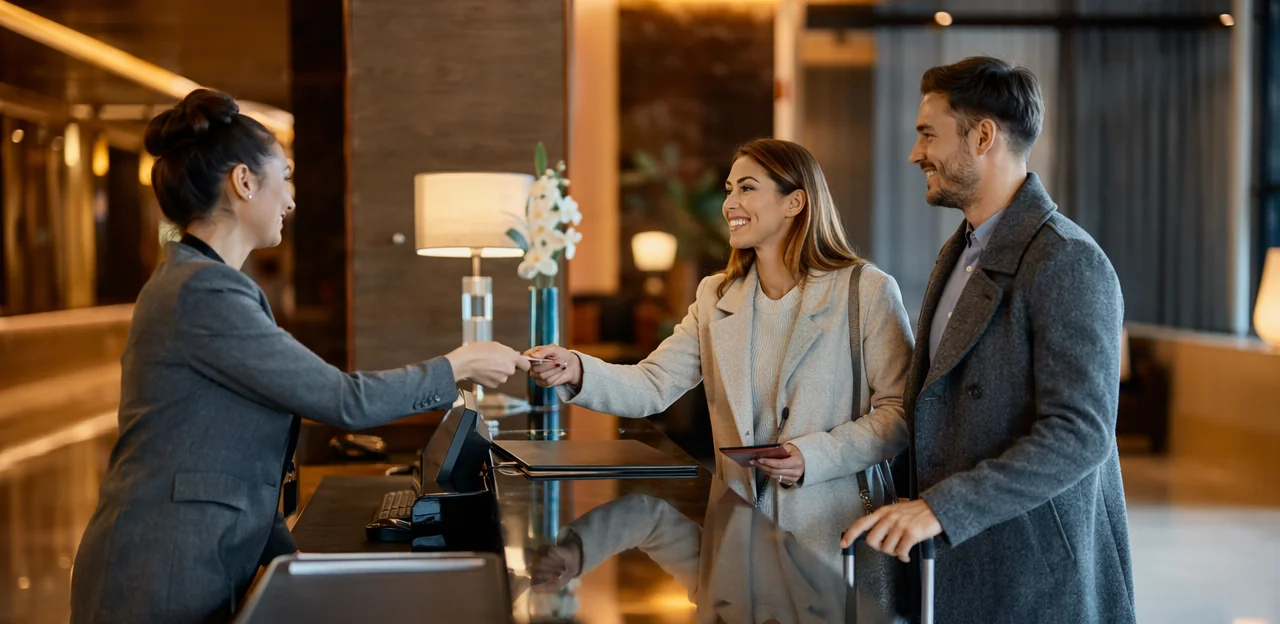
- Convenience: Fast check-in, clear communication, mobile-friendly service, and frictionless payments reduce effort and support a stronger customer experience strategy.
- Personalization: Remembering room preferences, dietary needs, or event interests makes guests feel recognized, strengthening a customer engagement strategy.
- Service recovery: Quick, thoughtful resolution of complaints often increases loyalty more than an error-free visit, making it central to any customer experience management strategy.
- Emotional connection: Warm interactions, local touches, and memorable moments support both a local marketing strategy and long-term advocacy.
For hotels and event operators, this is not just a small business strategy or company growth strategy—it is a core operational priority, often strengthened by marketing strategy software and real-time feedback tools.
Key retention metrics to track from first stay to next booking
A strong repeat visit strategy depends on tracking the KPIs that connect guest satisfaction to revenue and loyalty. Focus on:
- Repeat booking rate: Measures how many first-time guests return, making it a core signal in any customer engagement strategy.
- Direct booking share: Shows whether your customer experience strategy and local marketing strategy are reducing OTA dependence.
- Guest lifetime value (GLV): Reveals long-term revenue potential and supports a scalable company growth strategy.
- NPS and review sentiment: Combine survey scores with review analysis to strengthen your customer experience management strategy.
- Post-event return intent: Captures whether event attendees plan to rebook leisure stays, group bookings, or future visits.
With the right marketing strategy software and analytics, even a small business strategy can turn retention into a measurable, optimizable growth engine.
Build a Guest-Centered Repeat Visit Strategy

Map the full guest journey across stay and event touchpoints
A strong repeat visit strategy starts with mapping every interaction from first discovery to post-visit rebooking. This helps hotels and event venues spot friction, uncover revenue opportunities, and build a smarter customer experience management strategy.
- Discovery and booking: Review website speed, OTA listings, ads, and confirmation flows to identify drop-off points and improve your customer experience strategy.
- Arrival and check-in: Track wait times, wayfinding, staff interactions, and first impressions to strengthen your customer engagement strategy.
- On-site experience: Map dining, housekeeping, amenities, event sessions, and issue resolution to find moments that influence loyalty.
- Departure and follow-up: Audit checkout, feedback requests, offers, and remarketing to support a local marketing strategy and future bookings.
Use insights to align operations, messaging, and retention goals. For any small business strategy or broader company growth strategy, journey mapping paired with marketing strategy software creates more consistent experiences and more repeat guests.
Segment guests by behavior, value, and intent
A strong repeat visit strategy starts with segmenting guests by why they booked, how they spend, and what they are likely to do next. Hotels and event businesses should group audiences such as leisure travelers, business guests, wedding attendees, conference visitors, and local staycation guests, then match each segment with relevant offers and timing.
- Leisure travelers: promote seasonal packages, upgrades, and family add-ons.
- Business guests: offer fast check-in, loyalty perks, and midweek return rates.
- Wedding attendees: market anniversary stays, spa packages, and group booking incentives.
- Conference visitors: follow up with corporate rates and future event offers.
- Local staycation audiences: use a local marketing strategy with dining, wellness, or weekend deals.
This segmentation improves your customer engagement strategy, sharpens your customer experience strategy, and supports both small business strategy decisions and enterprise-level company growth strategy. With the right marketing strategy software and customer experience management strategy, teams can personalize outreach at scale.
Create reasons to return beyond discounts
A strong repeat visit strategy should give guests something new to anticipate, not just a cheaper rate. The most effective approach blends memorable experiences with a smart local marketing strategy and clear brand differentiation.
- Build experiential packages: Pair stays or tickets with chef’s tables, wellness sessions, backstage access, or local maker workshops.
- Use seasonal offers wisely: Rotate limited-time themes, menus, events, and cultural partnerships so each visit feels distinct.
- Create exclusive access: Offer early booking windows, members-only events, or priority reservations to strengthen your customer engagement strategy.
- Personalize upgrades: Use guest preferences to deliver tailored room touches, seating perks, or curated add-ons as part of a broader customer experience strategy.
- Lean into community-based experiences: Promote neighborhood tours, regional tastings, and local collaborations to support a small business strategy and stand out.
Supported by marketing strategy software and a strong customer experience management strategy, these tactics can reinforce a long-term company growth strategy.
Use AI and Analytics to Improve Retention

Predict repeat booking opportunities with guest data
A modern repeat visit strategy uses AI and analytics to move beyond generic follow-ups and identify who is most likely to return, when to re-engage them, and what offer will convert. By analyzing booking history, on-property spend, room or event preferences, response to past campaigns, and engagement patterns, hospitality teams can turn raw data into timely action.
- Spot likely return guests by scoring loyalty, visit frequency, satisfaction, and spend.
- Find ideal rebooking windows using seasonal behavior, lead times, and past stay intervals.
- Prioritize high-value segments such as premium bookers, family travelers, event attendees, or local guests.
This strengthens your customer engagement strategy, customer experience strategy, and customer experience management strategy while supporting a smarter local marketing strategy, small business strategy, and wider company growth strategy through better marketing strategy software.
Personalize communication at scale
A strong repeat visit strategy depends on timely, relevant communication across the full guest journey. Use marketing strategy software and CRM automation to trigger personalized email and SMS flows based on booking type, stay history, spend, and preferences.
- Pre-arrival: Send room upgrade offers, local recommendations, transport tips, and check-in details.
- In-stay: Trigger spa, dining, or event suggestions based on behavior, location, or past purchases.
- Post-stay: Follow up with tailored thank-yous, loyalty rewards, and return offers.
Recommendation engines help each message feel useful rather than generic, strengthening your customer experience strategy and customer engagement strategy. This supports a smarter customer experience management strategy, improves retention, and contributes to company growth strategy, local marketing strategy, and even small business strategy goals.
Turn feedback and sentiment into action
A strong repeat visit strategy starts with turning guest feedback into clear operational priorities. Review analysis, post-stay surveys, and service issue tracking show which moments build loyalty and which trigger churn, from slow check-in to poor room cleanliness or unresolved dining complaints. This is the foundation of a smarter customer experience management strategy.
- Use dashboards to spot recurring themes, sentiment shifts, and high-friction touchpoints.
- Combine review scores, survey responses, and complaint logs inside marketing strategy software to rank issues by revenue impact.
- Align insights with your customer experience strategy and customer engagement strategy to improve offers, service recovery, and follow-up messaging.
- For each location, connect findings to a local marketing strategy, small business strategy, and wider company growth strategy.
Strengthen Loyalty and Customer Engagement

Design loyalty programs guests actually value
A strong repeat visit strategy turns loyalty into a reason to book direct again, not just a disconnected discount. Build your program around benefits guests genuinely use:
- Points for stays, dining, spa visits, and event spend
- Tiers that unlock better perks with each repeat booking
- Member-only rates that make direct rebooking the smartest choice
- Priority access to events, upgrades, or peak dates
- Experiential rewards like late checkout, welcome amenities, local partner offers, or exclusive experiences
To support a wider customer engagement strategy and customer experience strategy, align rewards with guest behavior, seasonality, and your local marketing strategy. Use feedback and marketing strategy software to refine offers over time. When loyalty supports your customer experience management strategy, it becomes a practical small business strategy and long-term company growth strategy.
Use post-visit communication to stay top of mind
A strong repeat visit strategy continues after checkout or event departure. Timely, relevant follow-up keeps your brand present and turns one-time guests into loyal return visitors.
- Send a warm thank-you message within 24–48 hours to reinforce a positive customer experience strategy.
- Personalize offers based on stay history, spend, or preferences to strengthen your customer engagement strategy.
- Use anniversary reminders, birthday perks, or “one year since your stay” messages to create easy rebooking moments.
- Share event recaps, photo highlights, or “what’s new since your last visit” updates.
- Include curated local recommendations to support a smarter local marketing strategy and position your property as a trusted guide.
When supported by marketing strategy software, this becomes a scalable customer experience management strategy, useful for both enterprise brands and any small business strategy focused on retention and long-term company growth strategy.
Recover service failures before they prevent a return
A strong repeat visit strategy depends on fixing problems before a guest decides not to come back. In hotels, venues, and events, fast recovery protects revenue, strengthens loyalty, and turns negative moments into proof of care. As part of a broader customer experience management strategy, service recovery should be structured, measurable, and immediate.
- Respond fast: Capture issues in real time and assign ownership immediately.
- Lead with empathy: A sincere apology and personal follow-up reinforce your customer experience strategy and customer engagement strategy.
- Offer targeted recovery: Use tailored discounts, upgrades, or return incentives to support your local marketing strategy and future bookings.
For any small business strategy or wider company growth strategy, combining recovery workflows with marketing strategy software helps teams track patterns, prevent repeat issues, and preserve long-term guest value.
Apply Local Marketing to Drive Return Stays and Event Attendance

Partner with local businesses and attractions
A strong repeat visit strategy becomes far more persuasive when guests have a new reason to return beyond the room itself. Build a local marketing strategy around partnerships that turn one stay into an evolving destination experience.
- Restaurants and cafés: create seasonal dining passes, chef events, or return-guest tasting offers.
- Tour operators and venues: bundle future stays with exclusive tours, festival access, or priority booking.
- Wellness providers and cultural institutions: offer spa retreats, museum nights, gallery previews, or heritage packages.
This approach strengthens your customer experience strategy and customer engagement strategy while supporting a smarter small business strategy and broader company growth strategy. Track package uptake with marketing strategy software to refine your customer experience management strategy over time.
Promote seasonal and community-led experiences
A strong repeat visit strategy turns one-time stays into year-round demand by aligning offers with local culture and calendar moments. Build a local marketing strategy around seasonal festivals, holiday packages, food weeks, sports events, and neighborhood partnerships that appeal to both travelers and residents.
- Create limited-time packages tied to regional events, with perks that reward return bookings.
- Partner with local makers, guides, and venues to add authentic experiences guests cannot get elsewhere.
- Use a customer engagement strategy and customer experience strategy to personalize offers by season and audience segment.
- Track performance with marketing strategy software to refine your customer experience management strategy.
This supports a scalable company growth strategy and practical small business strategy rooted in market relevance.
A strong repeat visit strategy starts with owned channels. Personalize your website for returning visitors with geo-targeted landing pages, saved preferences, and dynamic offers tied to past stays or event attendance. Strengthen your local marketing strategy by keeping Google Business Profile posts, photos, FAQs, and seasonal updates current so nearby searchers see timely reasons to book again.
- Use retargeting ads to re-engage past guests with relevant packages, dining perks, or local event add-ons.
- Build CRM-driven campaigns that segment locals, weekend travelers, and loyalty members for higher-converting offers.
- Track performance with marketing strategy software to measure clicks, repeat bookings, and channel ROI.
This supports a smarter customer experience strategy, customer engagement strategy, and long-term company growth strategy.
Create an Action Plan for Long-Term Retention

Build a cross-functional retention roadmap
A strong repeat visit strategy works best when every department owns part of the outcome. Turn retention into a shared company growth strategy by aligning teams around clear goals, timelines, and accountability:
- Operations: fix service gaps and standardize delivery to support a consistent customer experience strategy.
- Front desk: capture preferences, resolve issues fast, and encourage direct rebooking as part of a customer engagement strategy.
- Events: create post-event offers that convert attendees into returning guests.
- Revenue management: identify high-value segments and time retention offers effectively.
- Marketing: connect CRM campaigns, local marketing strategy, and marketing strategy software to drive repeat demand.
- Leadership: set KPIs, assign owners, and review progress monthly.
This scalable customer experience management strategy supports both enterprise expansion and small business strategy growth.
Choose the right tools and workflows
A strong repeat visit strategy depends on connected systems that turn guest data into timely action.
- CRM + PMS integration: Link stay history, preferences, spend, and booking patterns to personalize pre-arrival, in-stay, and post-stay messaging. This supports a smarter customer experience strategy and stronger reporting.
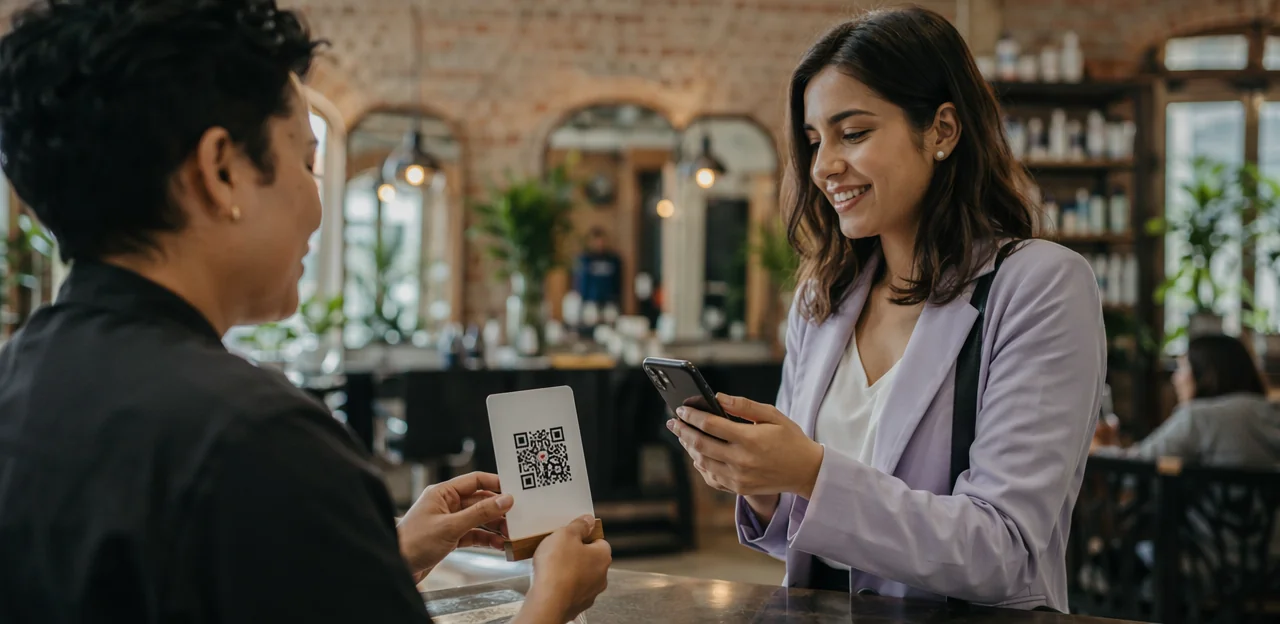
- Survey and feedback tools: Use real-time feedback to improve service recovery and shape your customer engagement strategy. Tools such as contactless feedback points can help capture insight on-site.
- Loyalty platforms: Reward return visits, upgrades, and referrals to strengthen retention and your company growth strategy.
- Marketing strategy software: Automate segmented campaigns, measure ROI, and support both a local marketing strategy and broader multi-property goals.
For independents, prioritize simple, affordable tools that fit a practical small business strategy. Larger groups should choose scalable platforms with dashboards, integrations, and standardized customer experience management strategy workflows.
Measure, test, and refine your repeat visit strategy
A strong repeat visit strategy should be reviewed continuously, not set once and left alone. Use a simple cycle to improve retention over time:
- Set a baseline: Track repeat booking rate, average spend, visit frequency, redemption rate, and guest satisfaction as part of your customer experience management strategy.
- Test one change at a time: Trial offers, timing, messaging, or channels using marketing strategy software to see what lifts return visits.
- Collect guest feedback: Use surveys, reviews, and on-site touchpoints to strengthen your customer engagement strategy and customer experience strategy.
- Review quarterly: Adjust for seasonality, competition, and local demand so your local marketing strategy, small business strategy, and broader company growth strategy stay relevant.
The best strategy evolves with guest behavior and market conditions.
Conclusion
A successful repeat visit strategy is never built on discounts alone. It comes from consistently delivering memorable stays, seamless service, personalized communication, and timely follow-up that makes guests feel recognized long after checkout or event day. When hospitality brands align their customer experience strategy with a strong customer engagement strategy, they create more than one-time transactions—they build loyalty, advocacy, and sustainable revenue.
The most effective approach combines guest feedback, data-driven personalization, and operational consistency. Whether you manage a hotel, venue, or accommodation business, your repeat visit strategy should support a broader company growth strategy by turning insights into action. That may include refining your local marketing strategy, strengthening your small business strategy, and investing in a customer experience management strategy that helps you identify what truly drives return bookings. With the right marketing strategy software, teams can track behavior, respond faster, and optimize every touchpoint with greater precision.
Now is the time to audit your guest journey, identify friction points, and create offers and experiences that encourage guests to come back again and again. Start with your feedback channels, loyalty touchpoints, and post-visit communications. If you’re looking for practical tools to support that process, platforms such as Tapsy can help capture real-time guest insight and strengthen retention efforts. The next step is simple: turn every guest interaction into a reason to return.
Frequently Asked Questions
- What is a repeat visit strategy in hospitality and events?
A repeat visit strategy is a planned approach to turning first-time guests and attendees into returning customers. It combines guest experience, personalized communication, feedback, loyalty tactics, and measurable retention efforts to encourage future bookings.
- Why should hotels and venues focus on retention instead of only acquiring new guests?
Retention reduces dependence on costly and unpredictable acquisition channels and helps create steadier demand across rooms, tables, and event calendars. Returning guests also support higher lifetime value through repeat bookings, upgrades, and referrals.
- Which guest expectations most influence whether someone comes back?
Convenience, personalization, service recovery, and emotional connection are the main factors highlighted. Fast check-in, clear communication, remembered preferences, thoughtful complaint handling, and memorable local touches all make a return visit more likely.
- What KPIs should be tracked to measure repeat visit performance?
Key metrics include repeat booking rate, direct booking share, guest lifetime value, NPS, review sentiment, and post-event return intent. Together, these show whether satisfaction is translating into loyalty, direct demand, and long-term revenue.
- How do you map the guest journey to improve repeat bookings?
Review each stage from discovery and booking to arrival, on-site experience, departure, and follow-up. This helps identify friction points, missed revenue opportunities, and moments that most strongly affect loyalty and rebooking.
- How should hospitality businesses segment guests for better retention?
Segment guests by booking purpose, spending behavior, and likely next action. Useful groups include leisure travelers, business guests, wedding attendees, conference visitors, and local staycation audiences, each with different offers and timing.
- What can encourage return visits besides discounts?
Experiential packages, seasonal themes, exclusive access, personalized upgrades, and community-based experiences can create stronger reasons to return. These options help the brand stand out while making each future visit feel distinct rather than simply cheaper.
- How can AI and analytics help predict repeat booking opportunities?
AI and analytics can identify likely return guests, estimate the best rebooking window, and highlight high-value segments. They do this by analyzing booking history, on-property spend, preferences, campaign responses, and engagement patterns.
- What does personalized communication at scale look like for hotels and event businesses?
It means using CRM automation and marketing software to send relevant messages before, during, and after a stay or event. Examples include pre-arrival upgrade offers, in-stay dining or spa suggestions, and post-stay thank-yous with tailored return offers.
- How should guest feedback and review sentiment be used to improve retention?
Feedback should be turned into operational priorities by identifying recurring issues and high-friction touchpoints. Combining reviews, surveys, and complaint logs helps teams improve service recovery, refine offers, and adjust follow-up messaging.
- What makes a loyalty program valuable enough to drive direct repeat bookings?
The most useful programs offer benefits guests actually use, such as points, tiered perks, member-only rates, priority access, and experiential rewards. Loyalty works best when rewards align with guest behavior, seasonality, and direct booking goals.
- What should post-visit communication include to keep guests engaged?
Effective follow-up includes a thank-you message within 24–48 hours, personalized offers, anniversary or birthday reminders, and updates on new experiences. Event recaps, photo highlights, and curated local recommendations can also help keep the brand top of mind.
- How can service failures be recovered before they stop a guest from returning?
Issues should be captured in real time, assigned quickly, and handled with empathy and personal follow-up. Targeted recovery such as tailored discounts, upgrades, or return incentives can help rebuild trust and protect future revenue.
- How does local marketing support repeat stays and event attendance?
Local marketing gives guests fresh reasons to return by connecting the property to restaurants, attractions, festivals, wellness providers, and community events. Seasonal packages, neighborhood partnerships, and locally relevant offers make the experience feel more distinctive and timely.
- What tools and workflows are most important for a long-term retention plan?
Connected systems such as CRM and PMS integrations, survey and feedback tools, loyalty platforms, and marketing strategy software are central. These tools help personalize messaging, capture real-time insight, automate campaigns, measure ROI, and support ongoing testing and refinement.