A well-designed referral loyalty program can turn satisfied customers into one of your most effective growth channels. Instead of relying only on discounts or one-time promotions, brands across retail, hospitality, e-commerce, healthcare, fitness, and service industries are using referrals to strengthen retention, increase trust, and attract high-value new customers through genuine word of mouth.
In this article, we’ll explore practical referral program examples from across industries and show how they connect with broader retention strategies. You’ll see how a customer loyalty referral program can work alongside points, perks, and personalized offers, and why many of today’s best loyalty rewards program examples combine referral incentives with customer experience data, AI-driven analytics, and smarter survey design. We’ll also look at how modern tools such as mobile loyalty systems with referral program features, digital loyalty program cards, and integrated pos loyalty program technology make it easier to track engagement and reward advocacy in real time.
Whether you’re building your first customer loyalty program or optimizing an existing one, this guide will break down what makes referral strategies successful, which models work best in different sectors, and how to create a program that drives both loyalty and measurable business growth.
Why a referral loyalty program matters for growth and retention

A referral loyalty program works best when it rewards both advocacy and repeat behavior. Instead of treating referrals as a one-time acquisition tactic, businesses connect them to an ongoing customer loyalty program that keeps new and existing customers engaged.
- Lower acquisition costs: Referred customers are cheaper to win than paid ads.
- Stronger trust: People act on recommendations from friends faster than brand messaging.
- Higher repeat purchase rates: Adding points, perks, or tiered rewards encourages both parties to buy again.
- Better lifetime value: A strong customer loyalty referral program turns one happy customer into multiple long-term buyers.
A basic referral program gives a reward for a single share or signup. A full customer loyalty referral program ties referrals into points balances, tiers, loyalty program cards, pos loyalty program data, and even mobile loyalty systems with referral program features. Many loyalty rewards program examples and referral program examples show this integrated model outperforming standalone campaigns.
High-performing referral loyalty program models usually share a few proven mechanics that make joining and redeeming feel effortless:
- Double-sided rewards: Give value to both the referrer and the new customer. This is one of the strongest referral program examples across industries.
- Points and credits: Offer flexible rewards through points, account credits, or discounts that fit a broader customer loyalty program.
- Tiered incentives: Increase rewards after 3, 5, or 10 successful referrals to encourage repeat sharing.
- Exclusive perks: Early access, VIP service, or members-only benefits often outperform cash-only offers in loyalty rewards program examples.
- Time-limited bonuses: Short campaigns create urgency and lift conversion.
Operationally, loyalty program cards, app tracking, mobile loyalty systems with referral program features, and a seamless pos loyalty program integration make every customer loyalty referral program easier to use and measure.
What success looks like across industries
The best referral loyalty program results are measured, not guessed. When reviewing referral program examples, look past creative offers and judge performance through core KPIs:
- Referral rate: the percentage of customers who actively refer others.
- Conversion rate: how many referred prospects become paying customers.
- Repeat purchase frequency: whether referred customers buy more often.
- Redemption rate: how often rewards are claimed in a customer loyalty program.
- Churn reduction: whether the program improves retention over time.
- Customer lifetime value: whether referrals bring higher-value, longer-lasting customers.
This strategic lens helps you compare loyalty rewards program examples, customer loyalty referral program models, and tools like mobile loyalty systems with referral program features, loyalty program cards, or a pos loyalty program without copying tactics blindly.
Referral loyalty program examples across industries

Retail, ecommerce, and restaurant examples
A strong referral loyalty program works best when it combines everyday earning with shareable incentives across digital and in-store channels. The most effective loyalty rewards program examples make it easy for customers to buy, refer, and redeem wherever they shop.
- Retailers: Offer points per purchase, double-point events, and referral bonuses such as “Give $10, Get $10.” A pos loyalty program can connect in-store transactions with online accounts, while digital or physical loyalty program cards keep earning simple at checkout.
- DTC and ecommerce brands: Build a customer loyalty referral program around account-based points, VIP tiers, birthday perks, and app-only offers. Common referral program examples include free shipping, store credit, or exclusive product drops for both referrer and friend.
- Grocery and beauty brands: Reward frequent visits, basket size, and category purchases, then layer on birthday gifts and personalized coupons to strengthen the overall customer loyalty program.
- Restaurants: Combine visit-based rewards, limited-time app deals, and referral credits for first orders or group dining invites.
Modern mobile loyalty systems with referral program features help brands unify app, web, and in-store engagement for a true omnichannel experience.
SaaS, subscription, and service business examples
A strong referral loyalty program works especially well for recurring-revenue brands because rewards can scale with retention, not just one-time purchases. The best referral program examples align incentives with monthly value and customer lifetime.
- SaaS brands: Offer both users a free month, account credit, or a temporary premium upgrade after the new customer completes a paid billing cycle. This keeps the customer loyalty referral program tied to real revenue.
- Membership businesses: Use milestone rewards such as “refer 3 friends, get 2 months free” or access to VIP perks. These are practical loyalty rewards program examples for subscriptions.
- Agencies and consultants: Provide service credits, strategy add-ons, or discounted retainers for successful referrals.
- Salons and fitness studios: Blend digital and in-person offers with loyalty program cards, class credits, product discounts, or free treatments after referral milestones.
- Home services: Reward with seasonal service upgrades, maintenance credits, or priority booking.
For omnichannel brands, mobile loyalty systems with referral program features can track referrals automatically, while a pos loyalty program helps service businesses connect in-store activity to a broader customer loyalty program.
Healthcare, finance, hospitality, and local business examples
A referral loyalty program works best in regulated and trust-led industries when rewards feel ethical, relevant, and easy to redeem.
- Healthcare clinics and insurers: Use compliant referral program examples such as wellness credits, charitable donations, or preventive-care perks instead of cash-heavy incentives. This protects trust while supporting a broader customer loyalty program.
- Banks and finance brands: Offer tiered points, fee waivers, or VIP service access for successful referrals. These loyalty rewards program examples are stronger when tied to long-term relationship milestones, not one-time signups.
- Hotels and travel brands: Combine room upgrades, late checkout, dining credits, or points with a customer loyalty referral program. Physical or digital loyalty program cards can connect referrals to in-person stays, check-ins, and on-site purchases.
- Neighborhood businesses: Cafés, salons, gyms, and retailers often win with simple discounts, stamp-style loyalty program cards, or a pos loyalty program that tracks visits and referred purchases.
For modern execution, mobile loyalty systems with referral program features help brands measure who referred whom, automate rewards, and personalize offers at the moment of service. In hospitality, touchpoint-based tools like Tapsy can also support in-person engagement and loyalty capture.
Designing the customer experience for higher referral participation

Reducing friction in the referral journey
A successful referral loyalty program removes every extra step between intent and action. The easier it is to share, join, and redeem, the more referrals convert.
- Enable one-click sharing via SMS, WhatsApp, email, and social links to reduce drop-off.
- Explain rewards clearly: state who gets what, when, and under which conditions. Many strong loyalty rewards program examples use short, benefit-led copy.
- Design mobile-first landing pages with fast load times, minimal fields, and a single CTA. This is essential for mobile loyalty systems with referral program features.
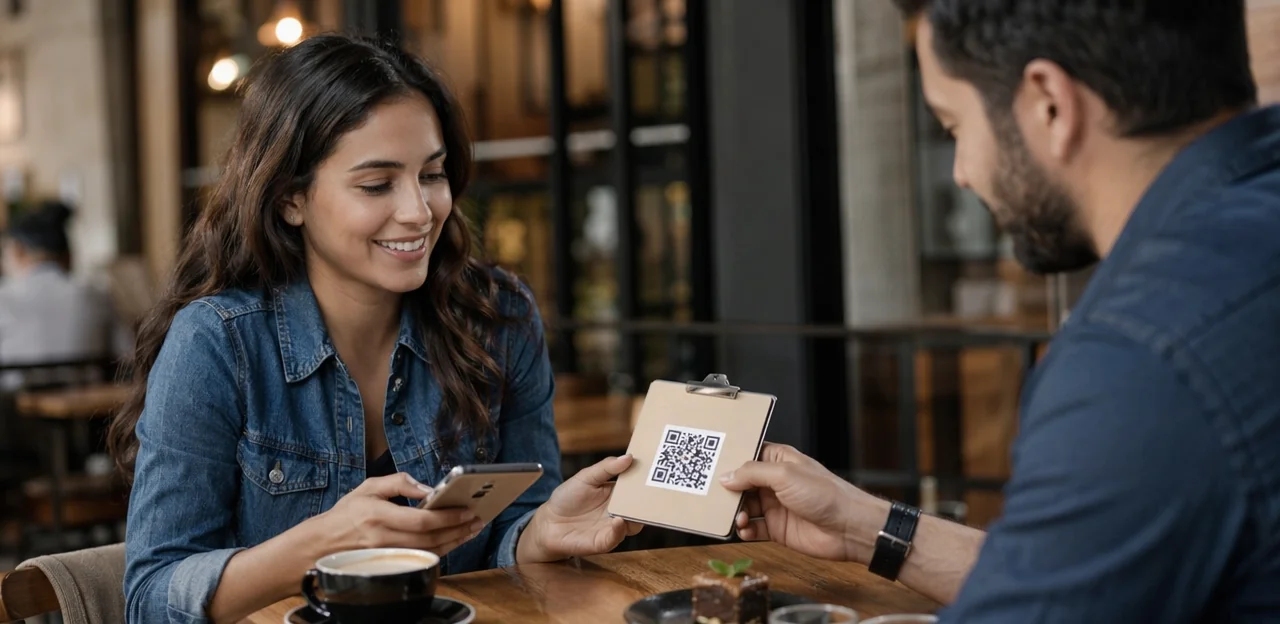
- Use QR codes in-store so staff can connect a pos loyalty program at checkout to digital referral enrollment instantly.
- Keep redemption simple with auto-applied credits, wallet-ready offers, or digital versions of loyalty program cards.
The best customer loyalty referral program and customer loyalty program flows feel seamless online and in-store, turning everyday purchases into scalable referral program examples that drive repeat visits.
Choosing rewards customers actually value
The best referral loyalty program reward is the one customers want and your margins can sustain. Use these practical loyalty rewards program examples to match incentive type to behavior:
- Cash: Strong for high-consideration purchases, but can erode profit quickly.
- Store credit: Ideal for repeat visits and a customer loyalty program focused on retention.
- Points: Flexible and familiar, especially in mobile loyalty systems with referral program features.
- Exclusive access: Early drops, VIP booking, or members-only perks work well when brand status matters.
- Product samples: Effective for beauty, food, and subscription-based referral program examples.
- Tier accelerators: Motivate loyal customers without heavy discounting.
If you use loyalty program cards, a pos loyalty program, or digital rewards, align incentives with purchase frequency, audience motivation, and average order value. A strong customer loyalty referral program rewards advocacy without training customers to wait for discounts.
Building trust with transparent program rules
A referral loyalty program performs better when customers instantly understand how it works. Clear rules reduce hesitation, prevent support issues, and improve completion rates across digital, in-store, and pos loyalty program journeys.
- State eligibility upfront: Explain who can refer, who qualifies as a new customer, and whether existing members of your customer loyalty program are excluded.
- Show reward timing clearly: Tell users exactly when rewards are issued—immediately, after purchase, or after a return window closes.
- Display expiration dates visibly: Add deadlines to referral links, dashboards, emails, apps, and even loyalty program cards.
- Explain fraud controls simply: Note limits on self-referrals, duplicate accounts, and suspicious activity reviews.
The best referral program examples and loyalty rewards program examples use plain language, progress updates, and mobile-friendly flows, especially in mobile loyalty systems with referral program features and a customer loyalty referral program.
Using AI and analytics to improve referral loyalty performance

AI and analytics make a referral loyalty program far more precise by scoring who is most likely to refer, convert, or churn. Instead of sending the same offer to everyone, brands can use:
- Behavioral data: app visits, survey responses, clicks, and usage patterns from mobile loyalty systems with referral program features
- Transactional data: purchase frequency, average order value, and pos loyalty program history
- Engagement signals: redemptions, reviews, and activity tied to loyalty program cards
This helps identify high-value advocates for a customer loyalty referral program, target likely converters with timely incentives, and re-engage churn-risk members before they leave. Among the best loyalty rewards program examples and referral program examples, the winning strategy is simple: personalize prompts, rewards, and channels based on real customer data across your customer loyalty program.
Optimizing offers, timing, and channels
A strong referral loyalty program improves when brands continuously test message, timing, and channel by audience segment. Use automation to match outreach to customer behavior:
- Email: A/B test subject lines, reward framing, and send times after purchase or milestone visits.
- SMS: Trigger short referral reminders after high-value transactions or repeat visits.
- App notifications: Use mobile loyalty systems with referral program features to prompt sharing when basket size exceeds a target or a guest visits more often than usual.
- Post-purchase prompts: Add referral asks to receipts, checkouts, or a pos loyalty program flow.
These referral program examples work especially well when tied to personalized rewards, digital loyalty program cards, and proven loyalty rewards program examples within a broader customer loyalty program or customer loyalty referral program.
Measuring incrementality and long-term value
To prove a referral loyalty program works, measure outcomes beyond sign-ups:
- Build dashboards that compare referred vs. non-referred customers on first purchase, repeat rate, AOV, and payback period.
- Use cohort analysis to track 30-, 90-, and 180-day retention, showing whether a customer loyalty referral program drives stronger lifetime value than other acquisition channels.
- Set clear attribution rules across email, SMS, app, and in-store touchpoints, especially for mobile loyalty systems with referral program features.
- Connect your pos loyalty program and ecommerce data to capture omnichannel revenue, redemptions, and the impact of loyalty program cards.
The best loyalty rewards program examples and referral program examples tie referral activity directly to CLV growth in the broader customer loyalty program.
Survey design and feedback loops for program improvement

What to ask customers before launching
Use survey design to validate your referral loyalty program before rollout. Ask:
- Which rewards motivate you most: cash, points, discounts, freebies, or VIP perks?
- Where would you prefer to share referrals: email, SMS, social, app, or in-store?
- What would stop you from referring: low trust, weak incentive, too many steps, or poor timing?
- What makes our brand worth recommending?
These insights sharpen incentive design, messaging, and channel selection for a stronger customer loyalty program. They also help compare referral program examples, loyalty rewards program examples, loyalty program cards, pos loyalty program, and mobile loyalty systems with referral program features.
Post-referral and post-redemption feedback questions
A strong referral loyalty program should include short post-action surveys for both advocates and referred customers. Good survey design helps brands improve the customer loyalty referral program experience and refine future offers.
- Ask advocates: Was sharing easy? Was the reward clear? Did the process feel trustworthy?
- Ask referred customers: Was the offer understandable? Was redemption simple? Was the reward worth it?
- Track responses by channel, including mobile loyalty systems with referral program features, pos loyalty program flows, or loyalty program cards.
Use insights to optimize messaging, reward value, and friction points across referral program examples, customer loyalty program campaigns, and other loyalty rewards program examples.
Turning feedback into program updates
Use feedback to improve a referral loyalty program based on what customers actually do, not what teams assume.
- Prioritize by signal strength: combine sentiment, survey completion rates, NPS, and support ticket themes to spot friction.
- Fix high-impact moments first: if landing pages have drop-offs, simplify copy, shorten forms, or clarify referral rewards.
- Adjust incentives: if users mention low value, test new reward thresholds using loyalty rewards program examples and referral program examples from similar brands.
- Refine experience design: update loyalty program cards, pos loyalty program prompts, and mobile loyalty systems with referral program features when a customer loyalty referral program feels confusing.
These updates keep your customer loyalty program relevant and easier to use.
Implementation checklist and common mistakes to avoid

Technology stack and channel setup
A strong referral loyalty program needs a practical stack that connects data, messaging, and rewards delivery. Core components typically include:
- CRM to store customer profiles, referral status, and lifetime value
- Email or SMS tools for invite links, reminders, and reward notifications
- Referral software to track codes, links, fraud rules, and attribution
- App support or mobile loyalty systems with referral program features for easy sharing and redemption
- POS loyalty program integration so in-store purchases automatically trigger points, rewards, or referral credits
Choose standalone tools if you want flexibility and already have strong systems. Pick an all-in-one customer loyalty program platform if you need faster setup, unified reporting, digital alternatives to loyalty program cards, and simpler execution across common referral program examples and loyalty rewards program examples.
Compliance, fraud prevention, and program governance
A strong referral loyalty program needs clear rules to prevent abuse and protect profitability. Effective governance should include:
- Fraud controls: block self-referrals, duplicate accounts, fake emails, shared payment methods, and suspicious device/IP activity.
- Reward limits: set incentive caps per customer, household, or month to control costs in any customer loyalty referral program.
- Privacy compliance: disclose data use, obtain consent, and align with GDPR, CCPA, and SMS/email rules—especially in mobile loyalty systems with referral program features.
- Channel safeguards: sync checks across pos loyalty program, online accounts, and even loyalty program cards.
Industry-specific restrictions matter too, especially in healthcare, finance, alcohol, and regulated promotions. The best referral program examples and loyalty rewards program examples balance growth with trust, ensuring every customer loyalty program reward is fair, compliant, and margin-safe.
A practical rollout plan for testing and scaling
Start your referral loyalty program with a controlled pilot, then scale based on proof:
- Pilot one location or segment: Launch a simple customer loyalty referral program with one clear reward and easy tracking through your pos loyalty program or mobile loyalty systems with referral program features.
- Track core KPIs: Measure referral rate, repeat purchase rate, redemption rate, customer lifetime value, and staff adoption.
- Test offers: Review loyalty rewards program examples and other referral program examples for inspiration, but adapt rewards to your margins, audience, and brand.
- Train frontline teams: Ensure staff can explain rewards, sign-up steps, and any use of loyalty program cards.
- Expand carefully: Roll out the customer loyalty program to more locations, channels, or customer segments only after pilot data confirms what works.
Conclusion
A well-designed referral loyalty program does more than reward repeat purchases—it turns satisfied customers into active brand advocates. Across industries, the strongest strategies combine clear incentives, seamless sharing, and data-driven optimization to improve both acquisition and retention. Whether you’re reviewing loyalty rewards program examples from retail, hospitality, healthcare, or eCommerce, the takeaway is the same: the most effective customer loyalty referral program feels easy to use, valuable to join, and relevant to the customer journey.
Today’s brands also have more tools than ever to execute smarter programs, from mobile loyalty systems with referral program features to integrated pos loyalty program technology that tracks rewards in real time. Even traditional loyalty program cards can play a role when paired with digital engagement, analytics, and personalized offers. The best referral program examples show that a modern customer loyalty program should be measurable, convenient, and built to evolve with customer feedback.
If you’re ready to strengthen growth, start by auditing your current customer experience, defining referral incentives, and choosing technology that supports both loyalty and insights. Explore competitor benchmarks, test different reward structures, and use analytics to refine performance over time. For businesses looking to modernize engagement and feedback alongside loyalty, platforms like Tapsy may also be worth exploring. Build your next referral loyalty program with intention, and you’ll create stronger relationships that drive lasting value.
Frequently Asked Questions
- What is a referral loyalty program?
A referral loyalty program rewards customers for recommending a brand while also encouraging repeat purchases. Unlike a one-time referral campaign, it connects referrals to a broader loyalty system through points, tiers, credits, perks, or tracked purchase behavior.
- Why do referral loyalty programs support both growth and retention?
They help lower acquisition costs because referred customers are often less expensive to win than paid traffic. They also strengthen trust, increase repeat purchase behavior, and can improve lifetime value by turning one satisfied customer into multiple long-term buyers.
- What features do the strongest referral loyalty programs usually include?
High-performing programs commonly use double-sided rewards, points or credits, tiered incentives, exclusive perks, and time-limited bonuses. They also make participation easy through app tracking, loyalty cards, mobile loyalty systems, and POS integration.
- How is a customer loyalty referral program different from a basic referral program?
A basic referral program usually rewards a single share or signup. A customer loyalty referral program ties referrals into ongoing engagement, such as points balances, reward tiers, loyalty cards, POS data, and mobile-based tracking.
- Which KPIs should businesses track to measure referral loyalty performance?
Key metrics include referral rate, conversion rate, repeat purchase frequency, redemption rate, churn reduction, and customer lifetime value. These indicators show whether the program is driving meaningful retention and higher-value customer relationships instead of just generating signups.
- What are some referral loyalty program examples in retail, ecommerce, and restaurants?
Retailers often use points per purchase, double-point events, and offers like "Give $10, Get $10." Ecommerce brands may combine account-based points, VIP tiers, birthday perks, free shipping, store credit, or exclusive product drops, while restaurants can use visit-based rewards, app deals, and referral credits for first orders or group dining.
- How can SaaS, subscription, and service businesses structure referral rewards?
SaaS brands can reward both users with a free month, account credit, or a temporary premium upgrade after the referred customer completes a paid billing cycle. Memberships, agencies, salons, fitness studios, and home services can use milestone rewards, service credits, class credits, free treatments, maintenance credits, or priority booking.
- What kinds of referral rewards fit healthcare, finance, hospitality, and local businesses?
Healthcare and insurance brands may use compliant options such as wellness credits, preventive-care perks, or charitable donations instead of cash-heavy rewards. Finance brands can offer fee waivers, tiered points, or VIP access, while hotels and local businesses may use room upgrades, dining credits, discounts, stamp-style loyalty cards, or tracked POS rewards.
- How can businesses reduce friction in the referral journey?
They can enable one-click sharing through SMS, WhatsApp, email, and social links, and clearly explain who gets what reward and when. Mobile-first landing pages, QR codes in-store, and simple redemption methods like auto-applied credits or digital loyalty cards also help increase completion.
- How should a business choose the right referral reward type?
The best reward is one customers value and the business can sustain. Options mentioned include cash, store credit, points, exclusive access, product samples, and tier accelerators, with the right choice depending on purchase frequency, audience motivation, margins, and average order value.
- Why are transparent rules important in a referral loyalty program?
Clear rules reduce hesitation, support issues, and confusion during signup and redemption. Businesses should explain eligibility, reward timing, expiration dates, and fraud controls in plain language so customers understand exactly how the program works.
- How do AI and analytics improve referral loyalty results?
AI and analytics help identify who is most likely to refer, convert, or churn by using behavioral, transactional, and engagement data. That makes it easier to personalize prompts, rewards, and channels instead of sending the same referral message to everyone.
- Which channels work best for referral prompts and optimization?
Useful channels include email, SMS, app notifications, post-purchase prompts, receipts, checkout flows, and POS-based touchpoints. Performance improves when brands test message framing, send timing, and channel choice by audience segment and customer behavior.
- What survey questions should be asked before and after launch?
Before launch, businesses can ask which rewards customers prefer, where they want to share referrals, what would stop them from referring, and what makes the brand worth recommending. After sharing or redeeming, they can ask whether the process was easy, whether the reward was clear, and whether the experience felt trustworthy and worthwhile.
- What should be included in a practical rollout and governance plan?
A practical rollout starts with a pilot in one location or segment, tracks core KPIs, tests offers, trains frontline teams, and expands only after results are proven. Governance should include fraud controls, reward limits, privacy compliance, and synced checks across online accounts, mobile systems, POS tools, and loyalty cards.