
Strong housing communities are built on more than well-maintained properties—they depend on trust, communication, and a genuine understanding of resident needs. That’s where a well-designed resident engagement survey can make a measurable difference. By asking the right questions, housing providers, property managers, and community teams can move beyond assumptions and uncover what residents really think about communication, maintenance, safety, shared spaces, and overall living experience.
In today’s housing landscape, resident expectations are rising, and feedback is no longer something to collect once a year and forget. Effective surveys help communities identify concerns early, improve service delivery, and strengthen resident satisfaction over time. Whether you manage social housing, multifamily properties, or mixed-use communities, the quality of your survey questions directly affects the quality of the insights you receive.
This article explores how to create better resident engagement surveys for housing communities, including the types of questions to ask, common mistakes to avoid, and best practices for improving response rates and data quality. It will also look at how feedback can be gathered at key moments in the resident journey, with modern tools such as Tapsy offering real-time ways to capture experience insights and respond faster.
Why resident engagement surveys matter in housing communities

What a resident engagement survey measures
A resident engagement survey goes beyond a basic housing resident survey focused only on service ratings. It measures how connected residents feel to their housing provider, community, and living experience over time. In the resident satisfaction vs engagement discussion, satisfaction reflects whether a service met expectations; engagement shows whether residents feel heard, informed, valued, and willing to participate.
A strong resident engagement survey typically measures:
- Resident voice: whether people feel their feedback leads to action
- Trust: confidence in the landlord, housing association, or property manager
- Communication quality: clarity, timeliness, and relevance of updates
- Service experience: responsiveness, repairs, safety, and staff interactions
- Sense of community: belonging, inclusion, and connection with neighbours
Use results to identify gaps, prioritise improvements, and strengthen long-term resident relationships.
Benefits for housing providers and property teams
A well-designed resident engagement survey gives landlords, housing associations, and property managers clear evidence for improving services and prioritising resources. It turns assumptions into measurable insight across repairs, communication, safety, and community support.
- Identify service gaps: Use a housing association survey to spot recurring issues by building, tenancy type, or service area before they escalate.
- Improve retention: Regular property management resident feedback helps teams act on concerns early, reducing dissatisfaction, complaints, and avoidable move-outs.
- Strengthen accountability: Survey results create benchmarks for response times, contractor performance, and resident satisfaction, making progress easier to track and report.
- Support resident-centered decisions: Reliable feedback helps shape policies, budgets, and service changes around the real resident experience, not internal assumptions.
Tools like Tapsy can also help capture timely, touchpoint-level feedback.
When to run surveys and who to include
Timing matters if you want a useful resident engagement survey programme rather than one-off results. Use a mix of survey types to capture both trends and specific experiences:
- Annual surveys: measure overall satisfaction, trust, safety, repairs, and communication year on year.
- Pulse survey housing: send short quarterly or monthly check-ins to track changing sentiment and spot issues early.
- Post-service surveys: trigger a tenant feedback survey after repairs, complaints, or housing officer contact.
- Move-in or move-out surveys: gather insight on onboarding, property condition, and reasons for leaving.
For representative feedback, include tenants, leaseholders, shared owners, new residents, long-term residents, and underrepresented groups. Offer multiple formats, languages, and accessible channels so every leaseholder survey or tenant survey reflects the whole community, not just the loudest voices.
How to design an effective resident engagement survey
Set clear goals before writing questions
Before drafting a resident engagement survey, decide exactly what you need to learn. Strong survey objectives keep the questionnaire short, relevant, and easier to act on.
Focus your resident survey design around a few priority outcomes, such as:
- Trust: Do residents feel listened to and treated fairly?
- Communication: Are updates clear, timely, and easy to understand?
- Repairs satisfaction: Are maintenance issues resolved quickly and properly?
- Safety perceptions: Do residents feel safe in their homes and shared spaces?
- Community participation: Are events, meetings, or local initiatives well attended?
Clear housing survey goals help you avoid vague or repetitive questions. Match each question to a decision you can make, such as improving repair response times, changing communication channels, or increasing neighbourhood involvement. If a question won’t inform action, leave it out.
Choose the right survey format and scale
The best resident engagement survey uses a mix of survey question types to balance speed, clarity, and useful insight:
- Rating scales: Use a 5-point Likert scale survey for satisfaction, safety, repairs, or communication. Keep labels consistent, such as “Very dissatisfied” to “Very satisfied.”
- Multiple-choice questions: Ideal for service preferences, contact methods, or common housing issues. Limit options and include “Other” when needed.
- Open-text questions: Use sparingly for context, suggestions, or unresolved concerns.
Keep surveys short: 5–10 questions is often enough to protect completion rates.
For accessible survey design, make it mobile-friendly with large tap targets, simple layouts, and fast loading. Use plain language, avoid jargon, and support screen readers, high contrast, and clear instructions so all residents can respond confidently.
Avoid bias and improve response quality
To get reliable insights from a resident engagement survey, keep questions clear, fair, and easy to answer:
- Use neutral wording: Avoid leading phrases like “How satisfied are you with our excellent maintenance service?” Instead, ask “How would you rate the maintenance service?”
- Avoid double-barreled questions: Don’t combine topics such as “Are you happy with building safety and cleanliness?” Split them into separate items.
- Reduce jargon: Replace technical housing terms with plain language residents use every day. This supports survey response quality and reduces confusion.
- Use inclusive survey language: Choose respectful, accessible wording that reflects different household types, ages, and backgrounds.
- Encourage honest feedback: Explain anonymity, how responses will be used, and that all views are welcome. Trust increases completion rates and more unbiased survey questions lead to better decisions.
Best resident engagement survey questions to ask

Questions about communication, trust, and responsiveness
A strong resident engagement survey should measure how well your housing provider communicates, builds confidence, and responds to resident concerns. These resident engagement survey questions help uncover whether people feel informed, heard, and treated with respect.
Consider including communication survey questions such as:
- Do you feel well informed about repairs, maintenance, and service updates?
- How clear and easy to understand are messages from your housing provider?
- Do you know how to report a problem or raise a concern?
- Are you kept updated on the progress of issues you have reported?
Add trust survey questions to understand confidence and credibility:
- Do you feel your views are listened to when you give feedback?
- Are you treated with respect by housing staff and contractors?
- Do you trust your housing provider to act on resident concerns?
- Do you believe complaints are handled fairly and promptly?
- How confident are you that your housing provider follows through on promises?
For better insight, pair scaled questions with an open text prompt like: “What could we do to improve communication and trust?” Tools such as Tapsy can also help collect timely feedback at key resident touchpoints.
Questions about repairs, safety, and service delivery
A strong resident engagement survey should include clear, practical questions that help housing teams identify operational issues quickly and improve trust. For this section, focus on measurable service areas residents experience every day:
- Repairs timeliness
- How satisfied were you with the time taken to complete your repair?
- Was your repair resolved on the first visit?
- Quality of work
- How would you rate the quality of the completed repair?
- Did the repair fully fix the issue without further follow-up?
- Building safety
- Do you feel safe in your building and shared spaces?
- Are fire safety, lighting, entry systems, and security measures well maintained?
- Cleanliness
- How satisfied are you with the cleanliness of communal areas?
- Are bins, corridors, lifts, and outdoor spaces kept to an acceptable standard?
- Complaint handling
- Was your complaint handled fairly and within a reasonable timeframe?
- Were you kept informed about progress and next steps?
- Overall service reliability
- How reliable do you find your housing provider’s day-to-day services?
- Would you recommend improvements based on this service delivery survey experience?
These prompts strengthen a repairs satisfaction survey and support better housing safety survey questions with actionable resident feedback.
Questions about community, inclusion, and wellbeing
A strong resident engagement survey should go beyond repairs and services to understand how people feel about daily life in the community. This is where well-designed community engagement survey questions and a resident wellbeing survey can reveal whether residents feel safe, connected, supported, and heard.
Include questions such as:
- Do you feel a sense of belonging in your neighbourhood?
- How positive are relationships between neighbours in your building or area?
- Have you experienced or witnessed anti-social behaviour, and was it handled effectively?
- Do you feel included and respected regardless of age, background, disability, faith, or identity?
- Are local support services easy to access when needed?
- Do you feel able to influence decisions and shape your community?
For an effective inclusive housing survey, use clear language, offer anonymous responses for sensitive topics, and include space for comments so residents can explain concerns in their own words. You can also track results by location or demographic group to identify gaps in inclusion or wellbeing. Tools such as Tapsy can help collect timely feedback and surface issues earlier.
How to increase response rates and reach diverse residents
Use accessible, multi-channel distribution
To improve your resident engagement survey results, use a multi-channel survey approach that meets residents where they are. Mixing survey distribution methods helps increase your resident survey response rate across age groups, languages, and access needs.
- Email: Best for detailed surveys and reminders with direct links.
- SMS: Ideal for short mobile-friendly surveys and quick follow-ups.
- Resident portals: Add surveys to login dashboards for regular visibility.
- Paper forms: Support older residents, offline households, and accessibility needs.
- Phone calls: Useful for residents who prefer verbal communication or need assistance.
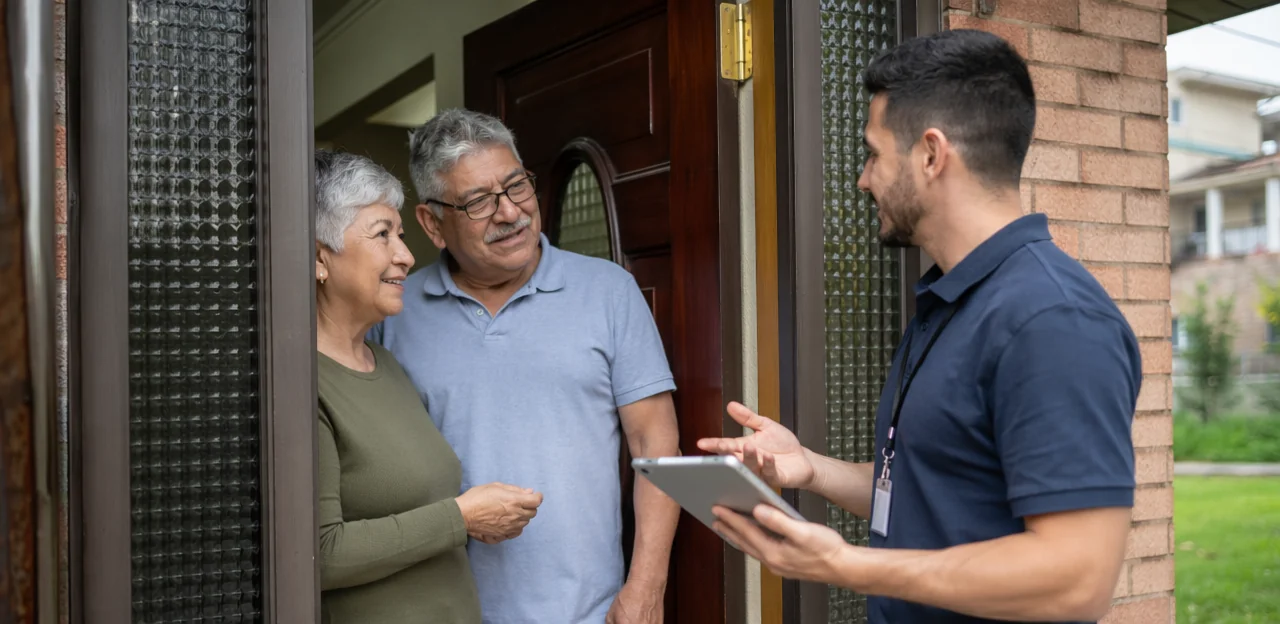
- In-person outreach: Collect feedback at community events, receptions, or door-to-door visits.
Keep messaging consistent across channels, offer translated versions, and consider tools like Tapsy for simple touchpoint-based feedback collection.
Build trust and explain the value of feedback
Residents are far more likely to complete a resident engagement survey when they understand why it matters and how their voice will be used. Strong feedback transparency helps build resident trust and improves response rates.
- Explain the purpose: Be clear about what you want to learn and how results will shape services, communication, or community improvements.
- Address confidentiality: Tell residents whether responses are anonymous, who can access the data, and how privacy is protected.
- Set expectations: Share how long the survey takes so it feels manageable.
- Close the loop: Highlight past changes driven by feedback, such as repairs, cleaner shared spaces, or better communication.
These simple survey participation tips show residents that giving feedback leads to real outcomes.
Support inclusion and underrepresented voices
An effective resident engagement survey should remove barriers so more people can take part and share honest views. To strengthen inclusive resident engagement, make access and outreach part of the survey design:
- Offer translated surveys and plain-language versions for residents with different language needs.
- Provide large print, screen-reader-friendly formats, phone options, and in-person help to improve accessible resident feedback.
- Support digital inclusion with assisted completion sessions, QR codes, and staff or community champions who can help residents respond.
- Use culturally sensitive outreach through trusted local groups, faith networks, and tailored messaging.
- Run targeted engagement for older residents, disabled residents, and harder-to-reach groups to ensure quieter voices are heard.
How to analyze results and turn feedback into action

Identify patterns, priorities, and root causes
To get more value from a resident engagement survey, turn raw responses into clear action points:
- Review quantitative scores by question, trend, and benchmark to spot low-performing areas quickly.
- Compare segments such as building, tenure type, age group, household type, or lease stage to uncover gaps in experience.
- Analyze open-text comments alongside ratings to understand why scores are rising or falling.
- Group recurring issues by property, service area, or resident group—for example maintenance delays, communication problems, or safety concerns.
- Prioritize root causes based on frequency, severity, and impact on satisfaction.
Strong survey analysis, resident feedback analysis, and housing data insights help teams fix the right problems first.
Create action plans residents can see
A resident engagement survey only builds trust when residents can see what happens next. Strong action planning should turn feedback into visible, time-bound improvements:
- Prioritize issues by impact and frequency, focusing first on safety, repairs, communication gaps, and recurring service complaints.
- Assign ownership to a named team or manager so every action has clear accountability.
- Set realistic timelines with milestones for quick wins and longer-term projects.
- Share updates openly through noticeboards, email, portals, and meetings as part of your resident communication strategy.
This helps close the feedback loop, showing residents their input is heard, valued, and acted on.
Track progress with follow-up surveys and KPIs
To turn a resident engagement survey into ongoing improvement, track results at regular intervals and compare them against clear survey KPIs. A short follow-up survey every quarter can reveal whether actions are improving trust, communication, and service delivery.
- Use pulse surveys: Send brief check-ins after key changes or repairs programmes.
- Benchmark scores: Compare current results with previous survey rounds, schemes, or neighbourhoods.
- Monitor complaint trends: Track volume, themes, and resolution times.
- Review repairs metrics: Measure first-time fix rates, completion times, and missed appointments.
- Watch resident sentiment indicators: Analyse comments, satisfaction scores, and recurring concerns for changes in tone.
Together, these resident satisfaction metrics show what is improving and where more action is needed.
Common mistakes to avoid with housing resident surveys

Asking too many questions or vague questions
A common resident engagement survey mistake is asking too much without a clear purpose. Avoid long survey problems and vague survey questions by keeping every item useful and specific:
- Limit questions to what you can act on.
- Use clear wording residents interpret the same way.
- Remove anything that does not link to a decision, service fix, or policy change.
Short, focused surveys improve completion rates and deliver better data.
Ignoring results from a resident engagement survey quickly weakens engagement trust. If residents share concerns and hear nothing back, future participation drops and cynicism grows.
- Share key findings promptly as part of strong survey follow-up
- Show visible resident feedback action, even on small fixes
- Where change is delayed, explain constraints, timelines, and next steps clearly
Closing the loop turns feedback into credibility, not frustration.
Treating all residents as one audience
Avoid designing one resident engagement survey for everyone. Strong survey segmentation improves response quality and makes results easier to act on.
- Use tenant demographics to tailor wording, channels, and timing.
- Segment by tenant type, building type, age, language, and service usage.
- Interpret scores in context: families, older residents, supported housing tenants, and high-rise residents often experience services differently.
This creates sharper housing community insights and more reliable decisions.
Conclusion
A well-designed resident engagement survey does more than collect opinions—it helps housing providers understand what residents truly experience day to day. From asking clear questions about communication, maintenance, safety, community amenities, and overall satisfaction to choosing the right timing and format, every part of the survey process shapes the quality of the insights you receive. When questions are relevant, concise, and easy to answer, residents are more likely to participate honestly and consistently.
Most importantly, a resident engagement survey should lead to action. Gathering feedback is only the first step; reviewing results, identifying patterns, and communicating what will change are what build trust and strengthen resident relationships over time. Communities that listen well can improve service delivery, increase satisfaction, and create a more responsive living environment.
Now is the time to review your current survey approach and make sure it reflects your residents’ real priorities. Start by auditing your existing questions, testing shorter feedback formats, and creating a follow-up plan for acting on responses. If you want to capture feedback in more immediate, touchpoint-based ways, tools like Tapsy can support real-time engagement. For next steps, explore survey design best practices, benchmark your results regularly, and use each resident engagement survey as an opportunity to turn feedback into meaningful improvement.
Frequently Asked Questions
- What does a resident engagement survey measure in housing communities?
A resident engagement survey measures more than basic service satisfaction. It looks at whether residents feel heard, informed, valued, and connected to their housing provider, community, and overall living experience. Common areas include resident voice, trust, communication quality, service experience, and sense of community.
- How is resident engagement different from resident satisfaction?
Satisfaction focuses on whether a service met expectations. Engagement goes further by showing whether residents feel listened to, respected, informed, and willing to participate. Using both helps housing teams understand not just service performance, but the strength of resident relationships over time.
- Why are resident engagement surveys important for landlords and property managers?
They help turn assumptions into measurable insight across repairs, communication, safety, and community support. This makes it easier to identify service gaps, improve retention, strengthen accountability, and make resident-centered decisions. Regular feedback also helps teams spot concerns early before they grow into larger problems.
- When should housing providers run resident engagement surveys?
A useful programme combines different survey timings rather than relying on a single annual survey. Annual surveys track overall trends, while pulse surveys can monitor changing sentiment more frequently. Post-service, move-in, and move-out surveys also capture feedback at important moments in the resident journey.
- Who should be included in a housing resident survey?
Surveys should include tenants, leaseholders, shared owners, new residents, long-term residents, and underrepresented groups. The goal is to reflect the whole community rather than only the most vocal respondents. Offering multiple formats, languages, and accessible channels helps make the feedback more representative.
- How do you set clear goals before writing survey questions?
Start by deciding exactly what you need to learn and what decisions the results should inform. Common goals include trust, communication, repairs satisfaction, safety perceptions, and community participation. If a question will not lead to action, it should be removed.
- What question types work best in a resident engagement survey?
A balanced survey usually combines rating scales, multiple-choice questions, and a small number of open-text prompts. Rating scales are useful for topics like satisfaction, safety, and communication, while multiple-choice questions help with preferences and common issues. Open-text questions add context and suggestions without making the survey too long.
- How long should a resident engagement survey be?
Keeping the survey short helps protect completion rates and improve data quality. Around 5 to 10 questions is often enough to gather useful insight without overwhelming residents. Each question should be specific, relevant, and tied to a possible action.
- How can housing teams avoid bias in survey questions?
Use neutral wording, avoid combining two topics in one question, and replace technical terms with plain language. Inclusive wording also helps residents from different backgrounds understand and answer confidently. Explaining anonymity and how responses will be used can encourage more honest feedback.
- What are good survey questions to ask about communication and trust?
Useful questions cover whether residents feel informed about repairs and service updates, whether messages are clear, and whether they know how to raise concerns. Trust-related questions can ask if residents feel listened to, treated with respect, and confident that complaints are handled fairly. Adding an open-text prompt about improving communication and trust can reveal practical suggestions.
- What should be included in questions about repairs, safety, and service delivery?
Questions should focus on practical service experiences such as repair timeliness, first-visit resolution, quality of work, and whether issues were fully fixed. Safety questions can cover shared spaces, lighting, entry systems, and fire safety. Cleanliness, complaint handling, and overall service reliability are also important areas to measure.
- How can a survey measure community, inclusion, and wellbeing?
It can ask whether residents feel a sense of belonging, whether neighbour relationships are positive, and whether anti-social behaviour is handled effectively. Inclusion questions should explore whether people feel respected regardless of age, background, disability, faith, or identity. Questions about access to local support services and influence over community decisions also help assess wellbeing.
- What are the best ways to increase resident survey response rates?
Using multiple channels such as email, SMS, resident portals, paper forms, phone calls, and in-person outreach helps reach more residents. Clear messaging about the purpose, confidentiality, and time required makes participation feel worthwhile and manageable. Showing past improvements driven by feedback can also build trust and encourage responses.
- How should housing providers analyze survey results and turn them into action?
Review scores by question, trend, and benchmark, then compare results across segments such as building, tenure type, age group, or household type. Open-text comments should be analyzed alongside ratings to understand root causes. Action plans should assign ownership, set timelines, and share visible updates so residents can see what is changing.
- What common mistakes should be avoided in housing resident surveys?
Common mistakes include asking too many questions, using vague wording, ignoring results, and treating all residents as one audience. Surveys work better when they are short, specific, and linked to real decisions or service fixes. Segmenting residents by factors like tenant type, building type, age, language, and service usage makes the findings more useful and reliable.