For housing providers, property managers, and community teams, resident expectations have changed. People want faster responses, better communication, and evidence that their concerns are being heard and acted on. But without the right systems in place, valuable insight can be delayed, lost across teams, or buried in disconnected surveys, emails, and service logs. That is why resident feedback software is becoming an essential part of modern housing and property operations.
The right platform does more than collect opinions. It helps teams capture real-time sentiment, spot recurring issues, improve service delivery, and create a more responsive resident experience across every touchpoint. From repairs and maintenance to communal spaces, move-ins, and day-to-day support, better feedback processes can lead to better decisions and stronger trust.
In this article, we will explore what resident feedback software is, why it matters for housing and property organizations, and the key features to look for when selecting a solution. We will also cover the role of integrations, how software can support operational efficiency, and what teams should consider when choosing a platform that fits their resident experience goals. Where relevant, solutions such as Tapsy may also illustrate how real-time feedback tools can support more proactive community engagement.
Why resident feedback software matters in housing and property

The role of feedback in resident experience
Resident feedback software helps housing providers collect, organise, and act on resident opinions across key touchpoints, from repairs and maintenance to communication and shared spaces. For housing associations, property managers, and community teams, structured housing resident feedback is essential because it turns scattered comments into clear, measurable insight.
Timely feedback improves resident experience by helping teams:
- identify service issues before they escalate into complaints
- respond faster to maintenance, safety, or communication concerns
- spot patterns across buildings, schemes, or neighbourhoods
- measure satisfaction consistently and track improvement over time
When feedback is captured in a structured, real-time way, teams can build trust, improve service quality, and support stronger resident retention. Tools such as Tapsy can also help gather feedback at the moment experience happens, making action more immediate and effective.
Challenges with manual and fragmented feedback processes
Manual, disconnected feedback workflows create avoidable delays and blind spots for housing teams. Common housing software challenges include:
- Siloed resident surveys: Separate survey platforms, email inboxes, spreadsheets, and CRM notes make it hard to see the full resident journey.
- Low response rates: Long forms, poor timing, and limited channels reduce participation, leaving teams with incomplete insight.
- Delayed reporting: By the time feedback is exported, reviewed, and shared, urgent issues may already have escalated.
- Inconsistent follow-up: Without clear ownership, complaints and service requests can be missed or handled unevenly across teams.
These gaps limit the value of property management feedback tools and slow action on repairs, communication issues, and community concerns. Modern resident feedback software helps centralize data, trigger alerts, and support faster, more consistent responses.
Business outcomes for housing and community teams
The right resident feedback software delivers more than survey responses; it gives housing and community teams a practical system for improving services, reducing risk, and planning with confidence.
- Better decision-making: Use real-time feedback and housing analytics to spot recurring issues by property, service type, or location, then prioritise resources where they will have the biggest impact.
- Improved compliance visibility: Track safety concerns, complaints, and response times in one place to support audits, governance, and service accountability.
- Stronger engagement: Modern community engagement software helps teams hear from more residents across multiple touchpoints, making participation easier and more inclusive.
- Measurable improvement: With consistent resident satisfaction tracking, teams can monitor trends, benchmark performance, and prove service changes are delivering results.
Platforms such as Tapsy can also support faster issue capture at key resident touchpoints.
Key features to look for in resident feedback software

Survey collection, omnichannel outreach, and accessibility
Strong resident feedback software should make it easy for every resident to respond, using the channel that fits their habits and needs. The best resident survey software supports multichannel feedback across:
- SMS surveys for quick pulse checks and urgent service follow-up
- Email surveys for longer-form responses and scheduled campaigns
- Web links and resident portals for self-serve access
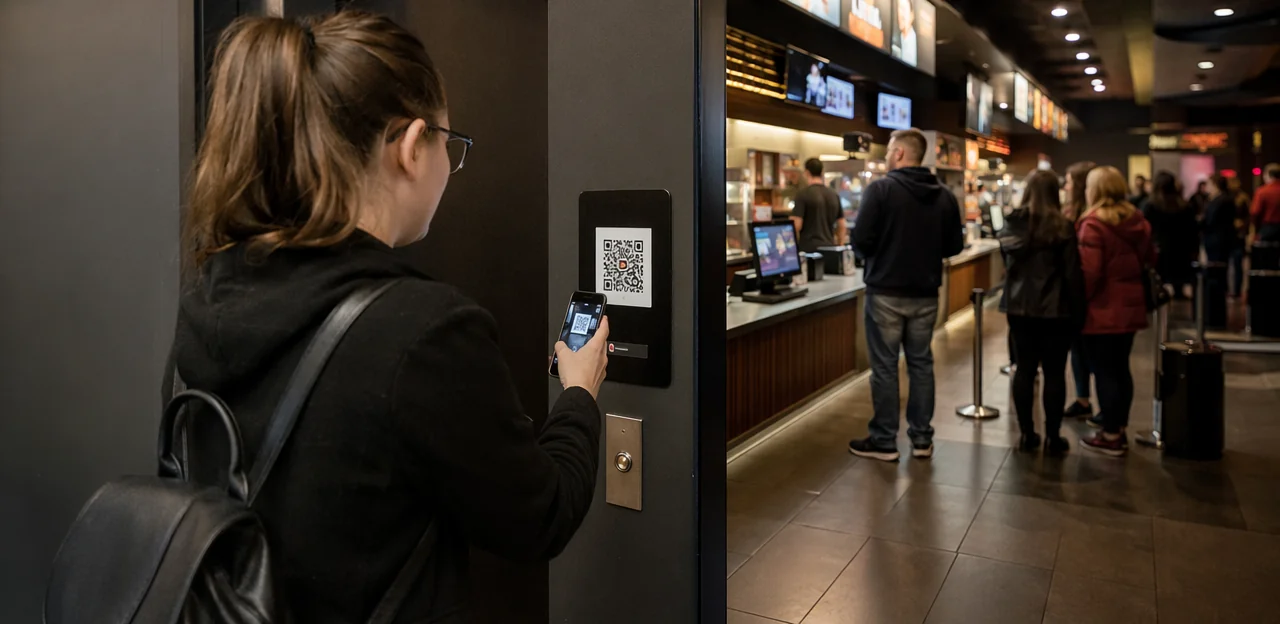
- QR codes in communal areas, repairs paperwork, or move-in packs
- In-app surveys within resident apps or service request workflows
To improve participation across diverse communities, prioritize accessible survey tools with:
- multilingual surveys and translated invites
- mobile-friendly layouts
- screen reader compatibility
- keyboard navigation
- clear, plain-language question design
Housing providers should also look for response tracking by channel, language, and demographic group to identify gaps in reach. Solutions such as Tapsy can also support QR-based, no-app feedback collection where immediate resident input matters most.
Dashboards, sentiment analysis, and reporting
For housing and property teams, resident feedback software is most useful when it turns raw comments into clear, real-time action. A strong resident feedback dashboard helps teams spot issues early, track service performance, and prioritize follow-up across sites, buildings, or contractors.
Key capabilities to look for include:
- Real-time dashboards: Monitor live feedback volumes, complaint categories, response times, and satisfaction scores by property or team.
- Sentiment analysis: Automatically detect positive, neutral, or negative tone in resident comments to identify frustration before it escalates.
- Trend analysis: Track recurring issues such as repairs, cleanliness, communication, or anti-social behaviour over time.
- Customizable reports: Build tailored reports for managers, board meetings, or compliance reviews using reliable feedback reporting software.
These tools give teams better visibility, faster escalation, and stronger accountability. Some platforms, such as Tapsy, also support real-time alerts, helping teams resolve problems while the resident experience can still be improved.
Case management, alerts, and action tracking
The best resident feedback software does more than collect comments; it turns them into clear next steps. Strong platforms combine case management software with automated workflows so every issue is assigned, prioritized, and resolved without falling through the cracks.
- Create cases automatically: Convert low scores, complaints, or safety concerns into trackable tickets with owner, deadline, and status.
- Use escalation alerts: Trigger instant notifications for urgent categories such as repairs, antisocial behaviour, or recurring service failures.
- Enable closed-loop follow-up: Support closed-loop feedback by updating residents, confirming actions taken, and capturing whether the resolution was satisfactory.
- Track accountability: Use dashboards, audit trails, and SLA monitoring to see who is responsible and where delays happen.
Effective resident issue tracking helps housing and property teams respond faster, reduce repeat complaints, and build trust through visible, measurable action.
How to choose the right software for your organization

Define goals, users, and success metrics
Before comparing vendors, clarify what success looks like for your team. A strong housing technology strategy starts with aligning business goals, operational needs, and measurable outcomes so your resident feedback software supports real improvements, not just more data.
- Set core goals: reduce complaints, improve resident satisfaction, increase engagement, or speed up service recovery.
- Identify users: housing officers, property managers, repairs teams, customer service staff, and leadership may all need different dashboards, alerts, and reporting views.
- Define resident feedback KPIs: track response rates, satisfaction scores, complaint resolution times, repeat issue volume, and service improvement targets by scheme or property.
- Support software selection: prioritize vendors that can capture feedback easily, route issues quickly, and integrate with your CRM or housing systems.
For example, platforms like Tapsy can help teams capture real-time feedback at key touchpoints.
Evaluate usability, scalability, and vendor support
During demos, look beyond features and test how the resident feedback software will work in day-to-day operations. A strong feedback software comparison should cover:
- Usability for frontline teams: Can housing officers, site staff, and community teams log in, view alerts, and act quickly without heavy admin? Check mobile access, dashboard clarity, and how many steps common tasks require.
- Scalability: Ask how the platform handles multiple schemes, regions, or full portfolios. Good property software selection means confirming consistent reporting, role-based permissions, and benchmarking across properties.
- Onboarding and training: Review implementation timelines, data migration help, training formats, and adoption support.
- Vendor support: Compare housing software vendors on response times, account management, SLAs, and issue resolution. For example, tools like Tapsy may also suit teams needing real-time, touchpoint-based feedback.
Questions to ask during procurement
Use this software procurement checklist to strengthen your housing software evaluation and compare each resident feedback platform fairly:
- Pricing: What is included in the base fee, and are there extra costs for users, properties, SMS, integrations, or support?
- Security: Does the vendor meet GDPR requirements, offer role-based access, encryption, and clear data retention policies?
- Data ownership: Who owns resident responses, contact data, and reporting history if you leave the platform?
- Implementation: What is the realistic go-live timeline, and who manages setup, training, and migration?
- Customization: Can the resident feedback software support your branding, question logic, workflows, and tenancy-specific use cases?
- Reporting: Can teams filter by scheme, property, issue type, and timeframe, and export dashboards easily?
If relevant, ask for a live demo using housing scenarios, as some tools such as Tapsy may suit real-time feedback needs.
Integrations that increase value across housing and property systems

CRM, property management, and housing management integrations
Strong housing software integrations turn resident feedback software into an operational tool, not just a reporting layer. By connecting feedback data with your CRM, housing management system, or a property management system integration, teams get a single view of each resident’s history, cases, repairs, and communications.
- Unify resident records: Link feedback to tenancy, lease, repair, and contact data in one profile.
- Reduce manual data entry: Automatically sync resident details, property information, and case updates across systems.
- Speed up follow-up: Route complaints or service issues directly to the right team from your CRM integration workflows.
- Improve reporting: Track trends by property, scheme, or resident segment without exporting spreadsheets.
This helps teams respond faster, work more accurately, and deliver a more consistent resident experience.
Connecting feedback data with service and maintenance workflows
Linking resident feedback software with repairs platforms and CRM tools turns comments into action. When feedback is connected to service request workflows, teams can spot repeated problems—such as heating faults, communal cleaning issues, or lift breakdowns—and respond faster with better context.
- Use maintenance software integration to automatically route complaints into repair tickets
- Combine feedback trends with resident service data to identify recurring issues by building, contractor, or asset type
- Prioritize action based on urgency, frequency, and resident impact
- Track resolution times alongside satisfaction scores to improve accountability and operational efficiency
Platforms like Tapsy can support real-time issue capture at key touchpoints, helping teams intervene earlier.
Data governance, privacy, and API considerations
When evaluating resident feedback software, make data governance part of the selection process from day one. A strong platform should support both operational efficiency and compliance.
- Check the feedback software API: confirm it connects cleanly with your CRM, housing management, repairs, and case management systems to avoid manual rekeying and delayed data syncing.
- Set role-based permissions: limit who can view, export, or edit sensitive records, especially where complaints or safeguarding issues are involved.
- Prioritise GDPR resident data controls: look for consent capture, data retention settings, deletion workflows, and clear audit trails.
- Strengthen data privacy housing practices: ensure encryption in transit and at rest, secure hosting, and documented breach response processes.
Best practices for implementation and adoption

Launch planning and stakeholder alignment
A successful resident feedback software rollout starts with clear ownership and shared goals. Before launch, align every stakeholder around what success looks like, how feedback will flow, and who acts on it.
- Leadership: define objectives, KPIs, budget, and reporting expectations.
- Frontline teams: map daily workflows for capturing, triaging, and resolving resident issues.
- IT and data teams: confirm integrations, permissions, security, and support processes.
- Community and housing staff: set response standards and escalation paths for sensitive cases.
Strong software implementation depends on practical change management: provide training, appoint internal champions, and communicate regularly. Consistent updates improve trust, reduce confusion, and drive stronger housing team adoption.
Improving response rates and feedback quality
To increase survey response rates and improve feedback quality, make it easy, relevant, and timely for residents to respond:
- Ask at the right moment: Send surveys after maintenance visits, move-in, renewals, or community events while the experience is still fresh.
- Keep surveys short: Use 3–5 focused questions with one optional comment box to reduce drop-off.
- Personalize outreach: Use the resident’s name, property, or recent interaction to make requests feel relevant.
- Design for mobile first: Ensure your resident feedback software works smoothly on phones, with fast-loading, simple forms.
- Explain the purpose: Clearly show how feedback will be used and share visible actions taken—one of the most effective resident engagement strategies for building trust and future participation.
Using insights to drive continuous improvement
To get real value from resident feedback software, teams should turn data into a repeatable continuous improvement process:
- Review trends regularly: Track recurring themes by property, service area, time period, and resident segment to spot root causes early.
- Build feedback action plans: Prioritise issues by impact and urgency, then assign owners, deadlines, and success measures.
- Close the loop with residents: Share what was heard, what is changing, and when improvements will happen to build trust and transparency.
- Turn insight into action: Use feedback to improve services, update policies, refine communication, and strengthen community relationships over time.
This structured approach supports lasting resident satisfaction improvement.
Common mistakes to avoid and final recommendations

Choosing software based only on features or price
One of the most common software buying mistakes is choosing resident feedback software based on a feature checklist or the lowest quote alone. A cheaper platform can increase the total cost of ownership if teams struggle to use it, reporting is limited, or integrations require manual workarounds.
Before making a resident feedback software selection, check:
- Adoption: Is it simple for residents and staff to use consistently?
- Integration fit: Does it connect with your CRM, housing management, or case systems?
- Reporting: Can you track trends, site performance, and response times easily?
- Long-term value: Will it scale across properties without added admin burden?
Tools like Tapsy can be useful when ease of use and real-time insight matter.
Failing to act on resident feedback
Collecting feedback without visible follow-up can do more harm than good. If residents take time to share concerns and nothing changes, resident trust quickly declines, response rates drop, and teams lose valuable insight that could improve services.
To avoid this, your resident feedback software should support clear action and closed-loop communication:
- acknowledge feedback quickly so residents know they have been heard
- assign issues to the right team with deadlines and ownership
- update residents on progress, even if the fix takes time
- track recurring themes to improve service delivery and prevent repeat issues
When teams consistently act on resident feedback, participation increases and resident experience improves.
Building a long-term resident feedback strategy
A sustainable resident feedback strategy goes beyond collecting survey responses. Housing and property teams should build a repeatable programme that links resident feedback software with day-to-day operations and clear accountability.
- Choose the right platform: Prioritise easy submission, real-time alerts, reporting, and multi-site visibility.
- Connect key systems: Integrate with CRM, repairs, housing management, and casework tools to reduce manual handoffs.
- Set governance rules: Define owners, response times, escalation paths, and data privacy standards.
- Turn insight into action: Review trends regularly, fix recurring issues, and communicate improvements back to residents.
This approach strengthens housing resident experience and supports continuous property management improvement over time.
Conclusion
In a sector where trust, responsiveness, and service quality matter every day, the right resident feedback software can make a measurable difference. For housing, property, and community teams, it creates a direct line to resident sentiment, helping you identify issues earlier, improve communication, and act on feedback before small frustrations become larger complaints. Just as importantly, the best platforms support better software selection decisions, integrate with existing systems, and strengthen the overall resident experience across every touchpoint.
Choosing resident feedback software is not just about collecting survey responses. It is about turning insight into action, giving teams the visibility they need to resolve problems faster, benchmark performance, and build stronger communities. When paired with the right integrations and workflows, feedback becomes a practical tool for service improvement, retention, and operational efficiency.
If you are reviewing options, start by mapping your resident journey, identifying key feedback moments, and prioritizing platforms that offer real-time reporting, easy deployment, and clear integration capabilities. You may also want to explore solutions such as Tapsy for simple, touchpoint-based feedback collection.
The next step is to compare vendors, request demos, and define the outcomes you want your resident feedback software to deliver—so you can choose a solution that supports both your teams and your residents long term.
Frequently Asked Questions
- What is resident feedback software for housing and property teams?
Resident feedback software helps housing providers, property managers, and community teams collect, organize, and act on resident opinions across touchpoints such as repairs, maintenance, communication, and shared spaces. It turns scattered comments into structured insight that can be tracked and used to improve service delivery.
- Why does resident feedback software matter for resident experience?
It helps teams identify service issues before they become formal complaints and respond faster to maintenance, safety, or communication concerns. When feedback is captured in a structured, real-time way, teams can build trust, improve service quality, and support stronger resident retention.
- What problems do manual or fragmented feedback processes create?
Disconnected surveys, emails, spreadsheets, and CRM notes make it hard to see the full resident journey. These workflows often lead to low response rates, delayed reporting, and inconsistent follow-up, which can cause urgent issues to be missed or handled unevenly.
- Which channels should good resident survey software support?
Strong platforms should support SMS surveys, email surveys, web links, resident portals, QR codes, and in-app surveys. Offering multiple channels makes it easier for residents to respond in the way that best fits their habits and needs.
- What accessibility features should housing teams look for in feedback tools?
Useful accessibility features include multilingual surveys, translated invites, mobile-friendly layouts, screen reader compatibility, keyboard navigation, and plain-language question design. Teams should also track responses by channel, language, and demographic group to identify gaps in reach.
- How do dashboards and sentiment analysis help property teams act faster?
Real-time dashboards let teams monitor feedback volumes, complaint categories, response times, and satisfaction scores by property or team. Sentiment analysis helps detect positive, neutral, or negative tone in comments so frustration can be identified and escalated earlier.
- How does case management improve follow-up on resident issues?
Case management allows low scores, complaints, or safety concerns to be turned into trackable tickets with an owner, deadline, and status. Combined with alerts, audit trails, and SLA monitoring, it helps teams assign responsibility clearly and avoid issues falling through the cracks.
- What goals and KPIs should be defined before choosing a platform?
Teams should clarify whether they want to reduce complaints, improve resident satisfaction, increase engagement, or speed up service recovery. Common KPIs include response rates, satisfaction scores, complaint resolution times, repeat issue volume, and service improvement targets by scheme or property.
- How should housing organizations compare software vendors during procurement?
They should assess usability for frontline teams, scalability across schemes or regions, onboarding and training support, and vendor response standards. Procurement should also cover pricing, security, data ownership, implementation timelines, customization options, and reporting flexibility.
- Why are CRM and housing management integrations important?
Integrations connect feedback with tenancy, lease, repair, and contact data so teams get a single view of each resident's history. This reduces manual data entry, speeds up follow-up, and improves reporting by property, scheme, or resident segment.
- How can feedback data connect with repairs and maintenance workflows?
When feedback software links to repairs platforms and CRM tools, complaints can be routed directly into service request workflows or repair tickets. This helps teams identify recurring issues such as heating faults, cleaning problems, or lift breakdowns and prioritize action based on urgency and impact.
- What data governance and privacy checks are important when evaluating resident feedback software?
Teams should confirm the platform supports API connections with core systems, role-based permissions, consent capture, retention settings, deletion workflows, and audit trails. It is also important to check encryption in transit and at rest, secure hosting, and documented breach response processes.
- What are the best ways to improve survey response rates and feedback quality?
Ask for feedback at the right moment, such as after maintenance visits, move-in, renewals, or community events, while the experience is still fresh. Keep surveys short, personalize outreach, design for mobile first, and explain how the feedback will be used and what actions will follow.
- What common mistakes should teams avoid when selecting resident feedback software?
A common mistake is choosing based only on a feature checklist or the lowest price without considering adoption, integrations, reporting, and long-term value. Another major mistake is collecting feedback without visible action, which can reduce trust and lower future participation.
- How can housing and community teams build a long-term resident feedback strategy?
They should choose a platform that supports easy submission, real-time alerts, reporting, and visibility across multiple sites. A strong long-term approach also includes integrating key systems, setting governance rules for ownership and response times, reviewing trends regularly, and communicating improvements back to residents.