
Resident feedback has never been more important, but collecting it is only half the challenge. For housing providers, the real value lies in turning resident comments, complaints, and suggestions into clear actions that improve services, strengthen trust, and shape better living experiences. That is where a resident voice platform can make a meaningful difference.
In a sector where expectations around communication, transparency, and accountability continue to rise, housing teams need more than occasional surveys or fragmented feedback channels. They need a smarter way to capture insight at the right moments, identify recurring issues, and respond before small concerns become bigger problems. A well-designed resident voice platform helps organisations move beyond simply listening to residents and toward making feedback useful, measurable, and operationally relevant.
This article explores how resident voice platforms support better survey design, improve resident experience, and help housing and property teams act on feedback with greater speed and confidence. It will also look at the practical features that matter most, common challenges in implementation, and how modern tools, including solutions like Tapsy, can help make resident feedback more timely, actionable, and effective.
Why resident feedback needs to be actionable in housing
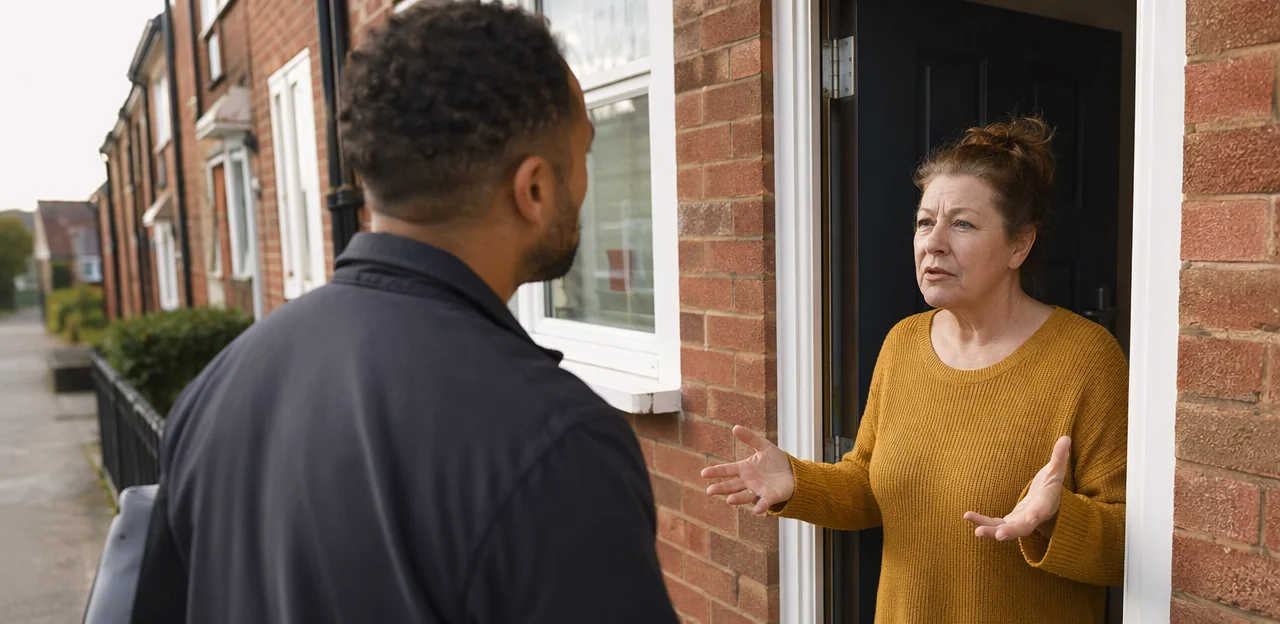
Many organisations collect housing feedback consistently, yet residents often see little evidence that anything changes. The gap usually is not a lack of listening, but a lack of systems that turn resident insight into action.
Common barriers include:
- Siloed data: feedback sits across surveys, repairs logs, CRM systems, and complaints teams, making patterns hard to spot.
- Slow response times: by the time issues are reviewed, the resident experience has already worsened.
- Unclear ownership: teams gather feedback, but no one is clearly responsible for acting on it or reporting back.
A strong resident voice platform helps convert actionable resident feedback into visible improvements by centralising data, triggering alerts, assigning actions, and closing the loop with residents. This is where tools like Tapsy can support faster, more accountable follow-up.
A strong resident voice platform turns feedback into visible action, which builds trust and strengthens accountability across housing services. When residents see concerns acknowledged, tracked, and resolved, tenant engagement becomes more meaningful and consistent.
- Supports transparency: Share what residents said, what actions were taken, and what changed. This shows that resident voice is shaping decisions, not being collected and ignored.
- Helps meet compliance expectations: Clear feedback records, response times, and issue tracking support regulatory standards around safety, complaints handling, and resident involvement.
- Improves service quality: Real-time insight helps teams spot recurring issues in repairs, communication gaps, antisocial behaviour, or communal areas before they escalate.
- Strengthens housing resident experience: Better listening leads to faster fixes, clearer updates, and stronger community confidence.
Tools like Tapsy can help capture and route feedback quickly at key touchpoints.
Key outcomes housing providers should aim for
A well-designed resident voice platform should deliver clear, measurable outcomes, not just more data. Housing providers should focus on goals that improve day-to-day services and long-term planning:
- Faster issue resolution: Route repairs, safety concerns, and service failures to the right team quickly, with clear ownership and follow-up times.
- Higher resident satisfaction: Use timely feedback to spot friction points early and improve communication, convenience, and trust.
- Better complaint handling: Identify repeat issues, respond consistently, and close the loop so residents feel heard.
- Stronger evidence for decision-making: Turn feedback trends into actionable insight for budgeting, staffing, and policy changes.
- Ongoing housing service improvement: Track what changes actually increase resident satisfaction over time.
A strong tenant feedback platform helps providers move from reactive responses to proactive service improvement.
What a resident voice platform does

Core functions of a resident voice platform
A resident voice platform is a digital system that helps housing providers collect, organise, and act on resident feedback at scale. The best tools combine listening with action, turning comments into measurable service improvements.
Core capabilities typically include:
- Survey distribution: Send targeted surveys by email, SMS, web link, or QR code to reach residents through accessible channels.
- Sentiment tracking: Monitor satisfaction trends, recurring themes, and urgent issues in real time.
- Case management: Route complaints or service requests to the right teams, assign ownership, and track resolution progress.
- Analytics dashboards: View performance by scheme, property, contractor, or issue type.
- Reporting: Produce clear reports for compliance, board updates, tenant panels, and continuous improvement planning.
Strong resident engagement software or a feedback management platform should make feedback actionable, not just visible.
How platforms centralise feedback across channels
A strong resident voice platform helps housing teams stop treating feedback as disconnected messages. Instead, it brings multichannel feedback from every touchpoint into one searchable, actionable view.
- SMS and email: capture quick pulse surveys, repair follow-ups, and service satisfaction responses.
- Web forms: collect structured feedback on complaints, tenancy services, and resident experience.
- Phone calls: log call outcomes, concerns, and sentiment from contact centre conversations.
- In-person interactions: record feedback gathered by housing officers, estate staff, or community teams on visits.
When this data sits inside one housing survey platform, teams can spot recurring issues, track trends by scheme or neighbourhood, and assign actions faster. Integrated resident communication tools also help close the loop, so residents know their feedback has been heard and acted on.
A strong resident voice platform should do more than collect comments; it should turn them into clear next steps. With the right resident feedback software, teams can move from raw responses to fast, evidence-based action planning.
- Tagging: Automatically label feedback by theme, location, property, or issue type, so recurring problems like damp, repairs, or antisocial behaviour are easy to spot.
- Trend analysis: Use feedback analytics to track patterns over time and see which issues are increasing, persistent, or linked to specific schemes.
- Alerts: Trigger instant notifications for urgent concerns such as safety risks, vulnerable residents, or repeated low scores.
- Workflow automation: Route cases to the right team, assign owners, set deadlines, and monitor resolution progress.
Platforms such as Tapsy can help teams respond quickly while keeping actions visible and accountable.
Survey design best practices for better resident insight

How to write clear, inclusive housing surveys
Good survey design helps a resident voice platform collect honest, useful answers from more people, not just the most confident respondents. To improve housing surveys and gather inclusive resident feedback:
- Use plain language: ask one thing at a time, avoid jargon, acronyms, and leading wording.
- Make questions specific: focus on clear experiences such as repairs, safety, communication, or communal areas.
- Design for accessibility: support screen readers, large text, high contrast, and easy-to-tap buttons.
- Offer translation options: provide key community languages and test wording with residents to avoid confusion.
- Build mobile-first surveys: keep them short, fast, and simple to complete on any phone.
- Reduce bias: balance answer choices, include “prefer not to say” where needed, and avoid assumptions about household type, income, or ability.
Tools like Tapsy can also support simple, no-app feedback collection.
Choosing the right survey types and timing
A strong resident voice platform should match survey type to the service moment, so feedback is timely and useful rather than generic.
- Transactional surveys: Sent straight after a specific interaction. Best for repairs, complaints handling, or a tenancy sign-up/renewal, where you need immediate insight into speed, communication, and resolution.
- Pulse surveys: Short, frequent check-ins on current issues. Useful for community services, estate changes, or seasonal concerns such as safety, cleaning, or antisocial behaviour.
- Relational surveys: Broader perception surveys run quarterly or biannually to understand trust, fairness, and overall experience across the landlord relationship.
- Annual surveys: Ideal for tracking tenant satisfaction measures, benchmarking performance, and meeting reporting requirements.
Tools such as Tapsy can help capture feedback closer to each touchpoint, improving response rates and actionability.
Balancing quantitative scores with open-text feedback
Ratings show what residents think, but rarely explain why. A low score may signal dissatisfaction, yet only open text feedback reveals whether the issue is delayed repairs, poor communication, safety concerns, or repeated service failures. That context is essential for a resident voice platform to drive action rather than just reporting averages.
- Identify root causes: Comments uncover recurring problems hidden behind the same score.
- Understand resident sentiment: Language, tone, and urgency show emotional impact, not just satisfaction levels.
- Improve survey response analysis: Combining scores with comments helps teams prioritise fixes by severity, theme, and frequency.
- Spot service improvement opportunities: Open responses often suggest practical changes residents want.
Platforms such as Tapsy can help capture and organise this feedback in real time, making it easier to act quickly and meaningfully.
How to make resident feedback useful and actionable

Building closed-loop feedback processes
A strong closed loop feedback model ensures residents know their input has been heard, acted on, and resolved. A resident voice platform should make this process visible and consistent.
- Acknowledge quickly
Send an immediate confirmation when feedback is submitted. Let residents know who will review it, expected timescales, and how updates will be shared. - Investigate and assign ownership
Route issues to the right team with clear accountability. Track complaint type, urgency, location, and history so staff can prioritise action and spot recurring problems. - Provide meaningful resident follow-up
Don’t rely on generic updates. Explain what was found, what action is being taken, and when the resident can expect resolution. - Confirm outcomes and close the loop
After action is completed, check back to confirm the issue is resolved. This final step strengthens trust and proves the feedback response process leads to real change.
Tools such as Tapsy can support faster routing and visible follow-up.
Assigning ownership and accountability across teams
To make a resident voice platform effective, insight must be owned across functions, not left with one team. Strong housing operations depend on clear feedback workflows, named owners, and measurable service accountability.
- Housing teams should own tenancy, neighbourhood, and estate-related themes, turning recurring feedback into local improvement plans.
- Repairs teams should receive issue-specific alerts, with targets for response time, first-time fix rate, and resident satisfaction after completion.
- Customer service teams should triage incoming feedback, log cases correctly, and route urgent issues using agreed escalation paths.
- Leadership teams should review trends, remove blockers, allocate resources, and hold departments accountable for delivery.
Set shared KPIs such as case closure time, action completion rate, repeat issue volume, and satisfaction recovery. A platform like Tapsy can support routing and alerts, but success comes from clear ownership, regular reviews, and visible follow-through.
Using dashboards and reporting to drive decisions
A strong resident voice platform should do more than collect comments; it should turn them into clear operational priorities. A well-designed resident feedback dashboard gives housing teams real-time visibility, helping them spot patterns early and act faster.
Key ways dashboards improve decision-making include:
- Property-level insight: identify buildings or schemes with recurring repair, safety, or communication issues.
- Service-level analysis: compare feedback across repairs, lettings, complaints, and neighbourhood services.
- Demographic trends: use housing analytics to understand whether certain resident groups report lower satisfaction or different needs.
- Issue-type reporting: track themes such as damp, anti-social behaviour, or response times to prioritise action.
With effective performance reporting, managers can allocate budget, staff time, and contractor support where they will have the greatest impact. Platforms such as Tapsy can support real-time reporting, making resident feedback more actionable across teams and locations.
Choosing the right platform for housing and property teams
Essential features to evaluate
When comparing resident voice platform features, housing providers should prioritise capabilities that turn feedback into action:
- Automation: Trigger alerts, case routing, follow-ups, and closed-loop responses automatically.
- Segmentation: Break down feedback by scheme, tenure, demographic group, location, or issue type for targeted action.
- Accessibility: Support multiple languages, mobile-first design, screen readers, and easy low-friction response options.
- Integrations: Connect with CRM, housing management, repairs, and reporting systems to reduce manual work.
- Role-based permissions: Give frontline teams, managers, and executives the right level of access securely.
- Robust analytics: Track trends, sentiment, response rates, and service recovery performance across your tenant engagement platform and wider housing technology stack.
Questions to ask vendors before implementation
Use this practical checklist during platform selection to choose the right resident voice platform for your organisation:
- Onboarding: What does setup include, how long will rollout take, and who owns training for housing teams?
- Support: Is help available during implementation and after go-live? Ask about SLAs, account management, and escalation routes.
- Data security: Where is data stored, how is it encrypted, and what access controls are available?
- Compliance: Does the housing software vendor support GDPR, accessibility standards, and audit trails?
- Reporting flexibility: Can dashboards be customised by scheme, tenancy type, issue category, or timeframe?
- Action management: How does the system assign, track, and close feedback-driven tasks during feedback platform implementation?
Measuring ROI after launch
To prove the value of a resident voice platform, track a small set of clear housing KPIs tied to outcomes, not just activity:
- Response rates: Measure participation by scheme, channel, and resident group to show whether engagement is broadening over time.
- Satisfaction improvements: Compare baseline and post-launch scores for repairs, communication, and overall experience to quantify resident engagement ROI.
- Complaint reduction: Monitor formal complaints, repeat issues, and escalation volumes to evidence better early resolution.
- Operational efficiency: Track response times, case closure speed, and staff time saved through faster issue routing.
- Service change evidence: Log actions taken from feedback and report “you said, we did” updates.
Platforms such as Tapsy can help make this feedback platform value more visible through real-time reporting.
Common mistakes and the future of resident experience

Mistakes that make feedback programs ineffective
Common resident feedback challenges often come from avoidable process gaps:
- Over-surveying residents: Too many requests create survey fatigue, lowering response quality and trust.
- Missing underrepresented voices: If your resident voice platform only reaches highly engaged tenants, insights will be skewed.
- Failing to close the loop: Not sharing what changed after feedback is one of the biggest tenant engagement mistakes.
- Collecting data without an action plan: Feedback should map to owners, timelines, and follow-up steps.
A strong program prioritises targeted outreach, inclusive design, and visible action.
How AI and automation are shaping resident voice
AI in resident feedback helps a resident voice platform turn large volumes of comments into clear action. Key capabilities include:
- Sentiment analysis to flag frustration, praise, or urgency in real time
- Theme detection to uncover recurring issues such as repairs, safety, or communication
- Predictive alerts to spot rising risk before complaints escalate
- Automated feedback management to route cases instantly to housing, repairs, or neighbourhood teams
This helps teams respond faster, prioritise consistently, and focus on the issues that most affect resident experience.
Creating a long-term resident-centric culture
A resident-centric culture lasts when insight becomes part of routine decision-making, not a one-off consultation. To make a resident voice platform truly useful, housing providers should align three elements:
- Technology: capture real-time feedback, spot trends, and route issues quickly.
- Governance: assign ownership, set response standards, and review actions transparently.
- Leadership: model listening, act on evidence, and report back to residents.
Together, these create stronger housing resident experience outcomes and support continuous improvement across services, repairs, communication, and community priorities.
Conclusion
In housing, listening is only the first step. The real value of a resident voice platform comes from turning feedback into clear action: identifying recurring issues, routing concerns to the right teams, closing the loop with residents, and using insights to improve services over time. When feedback is captured consistently and designed well, housing providers can move beyond one-off surveys and build a more responsive, transparent resident experience.
A strong resident voice platform also helps teams spot patterns across properties, prioritise what matters most, and demonstrate accountability to residents, boards, and regulators. Combined with thoughtful survey design and timely follow-up, it becomes a practical tool for improving trust, satisfaction, and operational performance.
If your organisation wants to make resident feedback more useful and actionable, now is the time to review your current approach. Audit your survey journeys, map your key resident touchpoints, and make sure every piece of feedback has a clear owner and next step. You may also want to explore tools such as Tapsy, which can support real-time feedback capture at key moments in the resident journey.
Ultimately, the right resident voice platform doesn’t just collect opinions, it helps you act on them. Start with small improvements, measure the impact, and keep building a feedback process that residents can see working.
Frequently Asked Questions
- What is a resident voice platform in housing?
A resident voice platform is a digital system that helps housing providers collect, organise, and act on resident feedback at scale. Its purpose is not just to gather comments, but to turn them into measurable service improvements through surveys, case management, analytics, and reporting.
- Why is resident feedback often not acted on effectively?
Feedback is often spread across surveys, repairs logs, CRM systems, and complaints teams, which makes patterns difficult to identify. Slow response times and unclear ownership also prevent teams from turning insight into visible action.
- How does a resident voice platform make feedback actionable?
It centralises feedback, triggers alerts, assigns actions, and helps teams close the loop with residents. It also supports tagging, trend analysis, workflow automation, and case routing so issues can be tracked and resolved more consistently.
- What outcomes should housing providers expect from a well-designed resident voice platform?
The main goals include faster issue resolution, higher resident satisfaction, better complaint handling, and stronger evidence for decision-making. It should also support ongoing service improvement by showing which changes actually improve resident experience over time.
- Which channels should be included when collecting resident feedback?
Useful channels include SMS, email, web forms, phone calls, and in-person interactions. Bringing these into one searchable view helps teams spot recurring issues across touchpoints and respond faster.
- What core features matter most when choosing a platform for housing teams?
Important features include automation, segmentation, accessibility, integrations, role-based permissions, and robust analytics. These capabilities help providers route feedback efficiently, reduce manual work, and turn insight into targeted action.
- How should housing surveys be written to get better resident insight?
Surveys should use plain language, ask one thing at a time, and focus on specific experiences such as repairs, safety, communication, or communal areas. They should also be accessible, mobile-first, and available in relevant languages to support broader participation.
- What is the difference between transactional, pulse, relational, and annual surveys?
Transactional surveys are sent after a specific interaction, such as a repair or complaint, to capture immediate feedback. Pulse surveys are short and frequent, relational surveys measure broader trust and experience over time, and annual surveys are useful for tracking tenant satisfaction measures and reporting requirements.
- Why should housing providers combine ratings with open-text feedback?
Scores show what residents think, but comments explain why they feel that way. Open-text feedback helps teams identify root causes, understand sentiment, and prioritise actions based on severity, theme, and frequency.
- What does a closed-loop feedback process look like?
A strong closed-loop process starts by acknowledging feedback quickly and setting expectations for updates. It then routes the issue to the right owner, provides meaningful follow-up, and confirms the outcome once the issue is resolved.
- How should ownership and accountability be shared across teams?
Housing teams should own tenancy, neighbourhood, and estate-related themes, while repairs teams should handle issue-specific alerts and response targets. Customer service should triage and route feedback, and leadership should review trends, remove blockers, and hold departments accountable.
- How do dashboards help housing providers make better decisions?
Dashboards give teams real-time visibility into recurring issues by property, service area, demographic group, or issue type. This helps managers prioritise action, allocate budget and staff time, and focus contractor support where it will have the greatest impact.
- What should teams ask vendors before implementing a resident voice platform?
Key questions should cover onboarding, rollout timelines, training, support, data security, compliance, reporting flexibility, and action management. Providers should also check whether the system supports GDPR, accessibility standards, audit trails, and secure access controls.
- How can a housing provider measure ROI after launch?
Useful measures include response rates, satisfaction improvements, complaint reduction, operational efficiency, and evidence of service changes made from feedback. Tracking these outcomes shows whether engagement is broadening and whether faster routing and follow-up are improving services.
- What common mistakes weaken resident feedback programmes?
Frequent problems include over-surveying residents, missing underrepresented voices, failing to close the loop, and collecting data without a clear action plan. Strong programmes avoid these gaps by using targeted outreach, inclusive design, clear ownership, and visible follow-through.