
In today’s restaurant landscape, great food and friendly service are only part of the equation. Guests want to feel heard, valued, and rewarded—and the brands that deliver on all three are the ones that keep diners coming back. That’s where restaurant loyalty feedback becomes so powerful. When restaurants connect loyalty efforts with real-time guest insights, they turn everyday visits into opportunities to strengthen relationships, improve service, and increase repeat business.
Rather than treating restaurant loyalty and customer feedback as separate strategies, leading operators are combining them to build smarter, more responsive experiences. From simple incentives tied to a restaurant loyalty card to more advanced restaurant loyalty programs powered by a modern restaurant loyalty platform, feedback helps businesses understand what guests actually want—while rewards give them a reason to stay engaged. This creates a stronger cycle of restaurant customer loyalty, better retention, and more informed decision-making.
In this article, we’ll explore how feedback and loyalty work together, why restaurant loyalty schemes are evolving beyond points alone, and what separates the best restaurant loyalty programs from the rest. We’ll also look at how restaurant loyalty software helps cafés and restaurants capture insights, personalize offers, and create guest experiences that drive long-term growth.
Why Restaurant Loyalty Feedback Matters

The link between loyalty and guest insight
Restaurant loyalty feedback turns repeat visits into usable insight. When guests join restaurant loyalty programs, redeem an offer, complete a quick survey, or leave a review, they reveal what keeps them coming back.
- Visits show behavior: Frequency, spend, and timing highlight what drives restaurant customer loyalty.
- Redemptions show preferences: A free coffee, dessert, or meal upgrade can reveal which rewards actually motivate return visits.
- Feedback adds context: Comments explain why guests return, what frustrates them, and which experiences deserve improvement.
- Reviews validate trends: Public sentiment helps confirm patterns seen in your restaurant loyalty platform or restaurant loyalty software.
Used together, a restaurant loyalty card or digital rewards system plus feedback data helps refine offers, service, and menu decisions. The best restaurant loyalty programs and restaurant loyalty schemes do more than reward guests—they listen, learn, and strengthen restaurant loyalty over time.
How feedback improves retention and repeat visits
Restaurant loyalty feedback gives operators a direct view into why guests return—or stop coming back. When feedback is tied to restaurant loyalty programs, it becomes easier to spot patterns among your most valuable customers and act before dissatisfaction turns into churn.
- Identify pain points early: Track complaints about wait times, order accuracy, staff service, or rewards redemption issues linked to your restaurant loyalty platform or restaurant loyalty card.
- Improve menu satisfaction: Use feedback to refine dishes, pricing, portions, and seasonal offers, strengthening restaurant customer loyalty.
- Respond quickly: Fast, personal follow-ups show guests they are heard, which builds trust and supports stronger restaurant loyalty.
The best restaurant loyalty programs and restaurant loyalty schemes combine rewards with insight. With the right restaurant loyalty software, restaurants can turn feedback into better experiences, higher visit frequency, and more repeat business.
A closed-loop strategy means collecting restaurant loyalty feedback, acting on it quickly, and then telling guests what changed. That final step is what turns comments into trust. When diners see menu updates, faster service, or smoother ordering based on their input, restaurant customer loyalty grows because guests feel heard, not just surveyed.
For restaurants and cafés, this approach strengthens both experience and retention:
- Use feedback to spot recurring issues and improve service, timing, or product quality.
- Link insights to restaurant loyalty programs or restaurant loyalty schemes so rewards feel relevant.
- Communicate improvements through email, SMS, in-venue signage, or a restaurant loyalty card offer.
- Track which actions increase repeat visits using restaurant loyalty software or a restaurant loyalty platform.
The best restaurant loyalty programs do more than reward spending—they prove that guest feedback drives visible change, which is essential for long-term restaurant loyalty.
How Restaurant Loyalty Programs Generate Better Feedback

Using loyalty touchpoints to collect meaningful data
The best restaurant loyalty programs turn everyday interactions into timely insight. Instead of waiting days to ask for opinions, collect restaurant loyalty feedback when the experience is still fresh:
- Apps: prompt members after dine-in, pickup, or delivery orders.
- Receipts: add short survey links or QR codes at payment.
- Email and SMS: follow up within hours with one-click rating requests.
- Kiosks and table QR codes: capture in-the-moment reactions before guests leave.
Because loyalty members are known customers, their feedback is often richer than anonymous comments. A restaurant loyalty platform can connect responses to visit frequency, spend, menu choices, and redemption behavior, making feedback more actionable. Whether tied to a restaurant loyalty card, digital offers, or restaurant loyalty schemes, this helps improve restaurant customer loyalty. The best restaurant loyalty programs and restaurant loyalty software reward responses, increasing quality and response rates.
The role of a restaurant loyalty card in feedback collection
A restaurant loyalty card does more than reward repeat visits; it creates a clear data trail that makes restaurant loyalty feedback far more useful. When linked to restaurant loyalty software or a restaurant loyalty platform, each visit, purchase, redemption, and reward preference can be tied to specific feedback, helping teams understand not just what guests say, but who is saying it and why.
- Track visit history: Identify first-time, regular, and high-value guests.
- Measure purchase behavior: Connect feedback to menu choices, spend levels, and visit times.
- Analyze reward usage: See which offers drive responses and support stronger restaurant loyalty programs.
This helps restaurants segment feedback by customer type, improve restaurant loyalty schemes, and refine promotions. The best restaurant loyalty programs turn feedback into action, strengthening restaurant customer loyalty and overall restaurant loyalty performance.
Designing incentives that encourage honest responses
To make restaurant loyalty feedback useful, reward participation, not positivity. The goal is to show guests their time matters without steering answers. In strong restaurant loyalty programs, the incentive should stay the same whether feedback is glowing or critical.
- Offer fixed rewards, such as bonus points in your restaurant loyalty scheme, for completing a short survey.
- Use surprise perks, like a free coffee or dessert on a future visit, delivered after submission rather than promised for a high rating.
- Trigger post-visit prompts when guests reach milestones on a restaurant loyalty card, such as a fifth visit or points threshold.
- Use restaurant loyalty software or a restaurant loyalty platform to automate neutral messaging and track trends.
This approach strengthens restaurant customer loyalty and supports the best restaurant loyalty programs.
Building a Smarter Loyalty Strategy With Data and AI

What restaurant loyalty software should track
To improve restaurant loyalty feedback, your system should track the metrics that directly influence retention, spend, and guest experience. Strong restaurant loyalty software helps turn raw data into smarter decisions.
- Visit frequency: Shows how often guests return and which restaurant loyalty programs drive repeat visits.
- Average spend: Reveals whether a restaurant loyalty card or reward offer increases basket size.
- Redemption rate: Measures how appealing your rewards are and helps refine restaurant loyalty schemes.
- Customer lifetime value: Identifies your most profitable segments and guides budget allocation.
- Satisfaction scores: CSAT or NPS highlight service gaps affecting restaurant customer loyalty.
- Review sentiment: Tracks recurring praise or complaints across feedback and public reviews.
- Churn signals: Falling visits, lower spend, or poor feedback help a restaurant loyalty platform trigger win-back campaigns.
The best restaurant loyalty programs connect these metrics to action, making restaurant loyalty more measurable and profitable.
How a restaurant loyalty platform turns feedback into action
A modern restaurant loyalty platform connects POS, CRM, surveys, and campaign tools so restaurant loyalty feedback drives immediate action instead of sitting in reports. When a guest leaves a low rating after dining, the system can trigger a service recovery workflow, alert a manager, and send a personalized offer before that customer churns.
- POS data links feedback to visit history, spend, and menu choices.
- CRM profiles segment guests by frequency, preferences, and lifetime value.
- Survey responses reveal satisfaction, effort, and repeat-visit intent.
- Campaign automation sends tailored rewards, from a digital restaurant loyalty card perk to win-back offers.
This helps teams refine restaurant loyalty programs, improve restaurant customer loyalty, and build smarter restaurant loyalty schemes using restaurant loyalty software. The best restaurant loyalty programs turn insight into retention, not just points.
Using AI and analytics to predict loyalty outcomes
AI turns restaurant loyalty feedback into clear next steps. By analyzing visit frequency, spend, reward redemption, sentiment, and complaint themes, a restaurant loyalty platform can flag guests who are likely to lapse before they disappear.
- Identify at-risk guests: Spot declining visits, lower basket size, or repeated low ratings early.
- Detect complaint patterns: Group issues such as slow service, order accuracy, or menu dissatisfaction to reveal operational fixes.
- Recommend next-best offers: Use behavior data to send relevant perks, whether that’s a dessert upgrade, bonus points, or a digital restaurant loyalty card incentive.
- Personalize outreach: Tailor messages by guest preferences, visit time, and feedback history.
For operators, this makes restaurant loyalty software more efficient by automating targeting and reducing guesswork. For guests, it creates stronger restaurant customer loyalty through timely, relevant experiences that improve restaurant loyalty programs and support the best restaurant loyalty programs and smarter restaurant loyalty schemes.
Best Practices for Restaurant Loyalty Programs and Feedback Loops

Create a simple, high-value loyalty experience
The most effective restaurant loyalty programs are easy to join, easy to understand, and easy to use. If guests must download an app, fill out long forms, or decode complicated point rules, participation drops fast. That hurts both restaurant customer loyalty and restaurant loyalty feedback, because fewer guests stay engaged long enough to respond.
Focus on three essentials:
- Easy enrollment: Let guests join in seconds via QR, phone number, or a simple restaurant loyalty card.
- Clear rewards: Offer obvious value, such as a free coffee, discount, or birthday perk.
- Low-friction redemption: Make claiming rewards effortless at checkout.
The best restaurant loyalty programs and restaurant loyalty schemes reduce steps, not add them. A strong restaurant loyalty platform or restaurant loyalty software should simplify every interaction.
Ask the right questions at the right time
Strong restaurant loyalty feedback starts with short, relevant questions sent while the visit is still fresh. For restaurant customer loyalty, ask only what helps improve the next experience:
- Post-visit timing: Send within 1–24 hours, or trigger feedback at the table, receipt, or exit.
- NPS-style question: “How likely are you to recommend us?” to track satisfaction trends tied to restaurant loyalty.
- Menu feedback: Ask about taste, value, portion size, or new dishes.
- Service ratings: Keep ratings simple for speed, friendliness, and accuracy.
- Open-text prompt: “What’s one thing we could improve?”
Keep surveys under 60 seconds. Smart restaurant loyalty software or a restaurant loyalty platform can also connect responses to restaurant loyalty programs, restaurant loyalty card usage, and restaurant loyalty schemes to help build the best restaurant loyalty programs.
Close the loop with personalization and recovery
Strong restaurant loyalty feedback systems turn comments into immediate action. When a guest leaves negative feedback, use your restaurant loyalty platform or restaurant loyalty software to trigger a fast recovery plan:
- Send a tailored offer, such as a free dessert, bounce-back discount, or points boost tied to their visit.
- Have a manager reach out personally to apologize and resolve the issue.
- Log preferences or service failures so the next visit feels smoother and more personal.
For happy guests, strengthen restaurant customer loyalty with referral rewards, VIP perks, chef events, or early access offers. The best restaurant loyalty programs go beyond a basic restaurant loyalty card by combining feedback, personalization, and smart restaurant loyalty schemes that keep diners returning.
Examples of Loyalty and Feedback Working Together in Restaurants
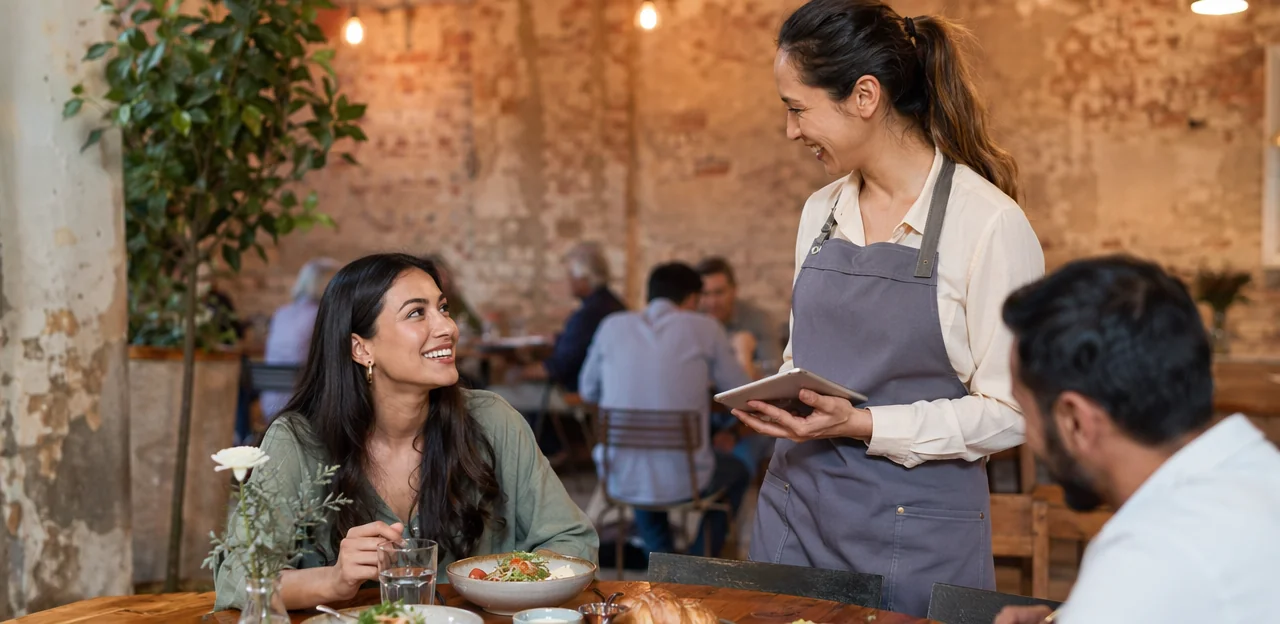
Quick-service brands and cafés can combine restaurant loyalty feedback with frictionless digital touchpoints to turn busy morning and lunch traffic into repeat visits. The key is speed: keep rewards and feedback lightweight, mobile-friendly, and tied to the purchase moment.
- Offer app-based points or a restaurant loyalty card that rewards repeat coffee, breakfast, or lunch orders.
- Add digital receipts with a one-tap survey to capture satisfaction while the visit is still fresh.
- Use short surveys inside restaurant loyalty programs to learn wait-time pain points, favorite menu items, and order accuracy issues.
- Connect insights to restaurant loyalty software or a restaurant loyalty platform to trigger offers like “buy 5 coffees, get 1 free.”
This helps improve convenience, strengthen restaurant customer loyalty, and refine restaurant loyalty schemes based on real behavior—one reason the best restaurant loyalty programs feel fast, relevant, and easy to use.
Full-service restaurant use cases
Full-service operators can turn restaurant loyalty feedback into smarter retention by linking reservation data, spend history, and post-dining responses inside a restaurant loyalty platform or restaurant loyalty software.
- Personalize offers: Use visit frequency, average check, favorite dishes, and occasion data to send relevant rewards through restaurant loyalty programs—such as wine pairings for high-value guests or birthday tasting menus.
- Recover service issues fast: If feedback flags slow service or a poor meal, trigger an apology, manager follow-up, or a targeted offer before the guest churns.
- Increase guest lifetime value: Track which guests respond best to a restaurant loyalty card, VIP perks, or seasonal campaigns, then refine restaurant loyalty schemes based on actual behavior.
This data-driven approach strengthens restaurant customer loyalty and helps build the best restaurant loyalty programs around real guest preferences.
What the best restaurant loyalty programs do differently
The best restaurant loyalty programs go beyond discounts by pairing rewards with strong restaurant loyalty feedback loops. High-performing restaurant loyalty schemes usually share four traits:
- Clear value exchange: Every visit feels worth it, whether through points, a digital restaurant loyalty card, exclusive perks, or instant rewards.
- Smart segmentation: A strong restaurant loyalty platform tailors offers by visit frequency, spend, preferences, and channel.
- Consistent feedback collection: Leading restaurant loyalty programs use simple post-visit prompts to gather useful insight without friction.
- Visible action: Great brands show customers their input matters by improving menu items, service, and offers.
With the right restaurant loyalty software, restaurants strengthen restaurant customer loyalty and make restaurant loyalty more measurable.
Common Mistakes to Avoid and How to Measure Success

Mistakes that weaken loyalty and feedback performance
Common mistakes can quietly reduce restaurant customer loyalty and limit the value of restaurant loyalty feedback:
- Overcomplicated rewards: If restaurant loyalty programs have too many rules, guests lose interest. Keep earning and redemption simple.
- Poor data integration: When feedback, POS, and CRM data are disconnected, your restaurant loyalty software cannot personalize offers or spot trends.
- Asking for too much feedback: Long surveys create fatigue. Use short, timely requests tied to real visits or a restaurant loyalty card scan.
- Ignoring complaints: Collecting feedback without action damages trust and weakens restaurant loyalty.
- Untrained staff: Even the best restaurant loyalty programs fail if teams do not explain benefits or promote restaurant loyalty schemes consistently.
A strong restaurant loyalty platform should simplify engagement, not complicate it.
Key KPIs for restaurant loyalty feedback success
To improve restaurant loyalty feedback, track KPIs that connect guest sentiment with business results:
- Enrollment rate: Measure how many diners join your restaurant loyalty program after visiting.
- Active member rate: Track how often members engage with your restaurant loyalty card, app, or offers.
- Repeat visit rate: Monitor how frequently members return compared with non-members to gauge restaurant customer loyalty.
- Redemption rate: See which rewards in your restaurant loyalty programs or restaurant loyalty schemes actually drive action.
- Survey response rate: Check how many guests share feedback after a visit.
- Sentiment trends: Analyze review scores, comments, and satisfaction patterns using restaurant loyalty software or a restaurant loyalty platform.
- Retention and revenue per member: Compare long-term member value to identify the best restaurant loyalty programs.
How to optimize over time
Treat restaurant loyalty feedback as an ongoing test-and-learn process, not a one-time setup. To improve ROI from your restaurant loyalty platform, review performance monthly and compare results across:
- Offers: Test discounts, free items, points multipliers, or upgrades to see which incentives drive repeat visits and stronger restaurant customer loyalty.
- Channels: Compare QR codes, email, SMS, receipts, table tents, and digital prompts within your restaurant loyalty software.
- Timing: Measure response and redemption rates by daypart, visit stage, and follow-up timing.
- Survey design: A/B test question length, rating scales, and reward placement to improve completion.
Track retention, redemption, spend per guest, and feedback volume. Regular review cycles help refine restaurant loyalty programs, restaurant loyalty card offers, and restaurant loyalty schemes into the best restaurant loyalty programs for your audience.
Conclusion
Ultimately, the strongest growth strategy is not choosing between retention and insight—it’s combining them. When restaurants connect restaurant loyalty feedback with everyday guest interactions, they gain a clearer picture of what drives repeat visits, higher spend, and stronger advocacy. Feedback reveals what guests value most, while restaurant loyalty incentives give them a reason to return, engage, and share more over time.
Whether you run a single café or a multi-location brand, aligning surveys, offers, and rewards can turn basic restaurant loyalty programs into a continuous improvement engine. From a simple restaurant loyalty card to more advanced restaurant loyalty schemes, the goal is the same: strengthen restaurant customer loyalty by making every visit feel recognized and worthwhile. The best restaurant loyalty programs don’t just reward transactions—they respond to preferences, resolve friction quickly, and use data to create better experiences.
The next step is to audit your current guest journey: identify where feedback is collected, how rewards are delivered, and whether your tools support both. Investing in the right restaurant loyalty software or restaurant loyalty platform can help unify data, automate offers, and act on insights faster. If you’re ready to improve retention and guest satisfaction, start by building a smarter restaurant loyalty feedback strategy—and explore solutions such as Tapsy to make engagement more immediate, measurable, and effective.
Frequently Asked Questions
- What is restaurant loyalty feedback?
Restaurant loyalty feedback is the combination of rewards activity and guest input, such as surveys, reviews, and redemption behavior. It helps restaurants understand what keeps guests returning, what frustrates them, and which experiences need improvement.
- Why should restaurants connect loyalty programs with customer feedback?
Combining loyalty and feedback creates a stronger cycle of retention, better service, and smarter decisions. Rewards keep guests engaged, while feedback shows what they value so restaurants can improve offers, service, and menu choices.
- How does feedback help increase repeat visits?
Feedback reveals why guests return or stop coming back, making it easier to spot issues before they lead to churn. When restaurants respond quickly and improve pain points like wait times, order accuracy, or redemption problems, trust and visit frequency can improve.
- What does a closed-loop loyalty feedback strategy mean?
A closed-loop strategy means collecting feedback, acting on it quickly, and then showing guests what changed. That process turns comments into visible improvements, which helps guests feel heard rather than simply surveyed.
- Which loyalty touchpoints are best for collecting guest feedback?
Useful touchpoints include apps, receipts with survey links or QR codes, email, SMS, kiosks, and table QR codes. These channels work best when feedback is requested soon after the experience, while details are still fresh.
- How does a restaurant loyalty card improve feedback quality?
A loyalty card creates a clear data trail by linking visits, purchases, redemptions, and reward preferences to specific guest feedback. That makes it easier to understand who is responding, how often they visit, and which offers influence their behavior.
- What incentives encourage honest survey responses without biasing results?
The best approach is to reward participation, not positive ratings. Fixed rewards like bonus points or surprise perks after submission help increase response rates without pushing guests toward overly favorable answers.
- What metrics should restaurant loyalty software track?
Key metrics include visit frequency, average spend, redemption rate, customer lifetime value, satisfaction scores, review sentiment, and churn signals. These measures help restaurants connect guest sentiment with retention, profitability, and program performance.
- How does a restaurant loyalty platform turn feedback into action?
A modern platform connects POS, CRM, surveys, and campaign tools so teams can respond immediately to guest input. For example, low ratings can trigger manager alerts, service recovery steps, and personalized offers before a guest stops returning.
- How can AI and analytics improve restaurant loyalty outcomes?
AI can identify at-risk guests by spotting patterns like declining visits, lower spend, repeated complaints, or poor ratings. It can also group common issues and recommend next-best offers or personalized outreach based on guest behavior and preferences.
- What makes a restaurant loyalty program easy for guests to use?
Strong programs are simple to join, easy to understand, and frictionless to redeem. Fast enrollment, clear rewards, and effortless checkout redemption help keep guests engaged and more likely to participate in feedback requests.
- When should restaurants ask for feedback, and what should they ask?
Feedback should be requested while the visit is still fresh, usually within 1 to 24 hours or at the table, receipt, or exit. Short questions about recommendation likelihood, menu satisfaction, service quality, and one improvement idea are most useful.
- How should restaurants respond to negative and positive feedback from loyalty members?
Negative feedback should trigger quick recovery steps such as a tailored offer, a manager follow-up, or logging service issues for the next visit. Positive feedback can be used to strengthen loyalty with referral rewards, VIP perks, chef events, or early access offers.
- How do quick-service cafés and full-service restaurants use loyalty feedback differently?
Quick-service brands and cafés focus on fast, mobile-friendly rewards and lightweight surveys tied closely to the purchase moment. Full-service restaurants often use reservation data, spend history, and post-dining feedback to personalize offers, recover service issues, and increase guest lifetime value.
- What common mistakes weaken restaurant loyalty and feedback performance?
Frequent problems include overcomplicated rewards, disconnected data, long surveys, ignored complaints, and poorly trained staff. Restaurants should also monitor enrollment, active member rate, repeat visits, redemption, survey response, sentiment, retention, and revenue per member to improve over time.