A great meal can win a customer once, but a smart follow-up strategy is what brings them back again and again. For restaurants and cafés, every dining experience creates a valuable opportunity: the chance to turn honest opinions into stronger loyalty. That is where a well-planned restaurant repeat visit campaign becomes so effective. Instead of treating feedback as a passive metric, leading operators now use it as a direct trigger for retention, personalized offers, and better guest experiences.
When paired with the right restaurant feedback form, thoughtful restaurant feedback questions, and a well-timed restaurant feedback survey, customer insights become far more than operational data. They reveal what guests loved, what almost stopped them from returning, and what kind of incentive is most likely to inspire the next visit. With modern customer feedback tools, restaurants can collect real-time customer feedback, simplify every customer feedback form, and turn everyday customer feedback surveys into actionable campaigns.
This article explores how restaurants and cafés can use post-visit feedback to improve service, identify patterns, personalize outreach, and design repeat-visit offers that actually work. From survey strategy and AI-driven analytics to loyalty-building tactics and customer experience improvements, you will learn how to transform guest feedback into measurable return visits and long-term growth.
Why a Restaurant Repeat Visit Campaign Matters
How feedback connects customer experience to retention
A strong restaurant repeat visit campaign works best when it starts with real customer feedback, not assumptions. A well-timed restaurant feedback survey shows why guests may or may not return by uncovering the details that shape customer experience.
- A simple restaurant feedback form can highlight service delays, staff friendliness, and atmosphere issues.
- Smart restaurant feedback questions reveal menu preferences, pricing concerns, and favorite dishes.
- Ongoing customer feedback surveys help identify satisfaction drivers that increase repeat visits.
- The right customer feedback tools turn each customer feedback form into actionable trends for offers, service fixes, and personalized follow-up.
When restaurants act quickly on feedback, they improve guest satisfaction, build trust, and give customers a clear reason to come back.
The business value of acting on customer feedback surveys
A strong restaurant repeat visit campaign starts with acting on customer feedback surveys, not just collecting them. When restaurants review each restaurant feedback survey and respond quickly, they can fix service gaps before guests churn, improve experiences that drive better public reviews, and create offers that bring diners back.
- Use a simple restaurant feedback form to spot issues with speed, food quality, or staff interactions.
- Turn smart restaurant feedback questions into action plans for managers and frontline teams.
- Pair customer feedback tools with follow-up rewards, apology offers, or personalized promotions.
- Track every customer feedback form to identify repeat complaints and loyalty opportunities.
Listening, responding, and closing the loop turns everyday customer feedback into stronger loyalty and more repeat purchases.
Common mistakes restaurants make after collecting feedback
A restaurant repeat visit campaign often fails because the follow-up is weak, slow, or irrelevant. Common mistakes include:
- Sending generic offers: If every guest gets the same discount after a restaurant feedback survey, the message feels automated instead of personal. Use insights from your restaurant feedback form and restaurant feedback questions to tailor offers.
- Ignoring negative responses: Poor customer feedback is the clearest chance to fix service gaps and protect the customer experience. Leaving complaints unanswered can push diners away for good.
- Following up too late: Delayed responses reduce impact. Fast action using customer feedback tools, customer feedback surveys, or a digital customer feedback form keeps intent high and improves return rates.
Build the Right Feedback Collection System

Choosing the best restaurant feedback form for post-visit insights
A strong restaurant feedback form should be fast, clear, and easy to complete on any phone. If guests can finish a customer feedback form in under 60 seconds, response rates usually improve and the data becomes more useful for a restaurant repeat visit campaign.
- Keep it mobile-friendly: Use large buttons, simple rating scales, and minimal typing.
- Ask focused restaurant feedback questions: Cover food quality, service speed, staff friendliness, cleanliness, and likelihood to return.
- Use clear prompts: A short restaurant feedback survey with 3–5 questions often outperforms longer customer feedback surveys.
- Place forms where guests already engage: Add links or QR codes on receipts, table tents, takeaway packaging, SMS follow-ups, email receipts, and loyalty apps.
The best customer feedback tools also help segment responses, trigger offers, and turn customer feedback into repeat visits.
Essential restaurant feedback questions to ask
A strong restaurant feedback survey should uncover what drives satisfaction and what triggers a return visit. Use concise restaurant feedback questions such as:
- How would you rate the food quality today? Identifies menu winners and guests to target with dish-specific offers.
- How satisfied were you with speed of service? Helps segment lunch, takeaway, or peak-time guests for operational fixes or bounce-back deals.
- How friendly and helpful was our staff? Reveals service-led loyalty and where coaching is needed.
- How clean was the restaurant, including tables and restrooms? Flags trust issues that can hurt repeat visits.
- Did you feel the meal offered good value for money? Supports pricing, bundling, and promotion decisions.
- How likely are you to return? Core signal for a restaurant repeat visit campaign and win-back targeting.
A simple restaurant feedback form or digital customer feedback form turns customer feedback surveys into actionable segments. With the right customer feedback tools, restaurants can use customer feedback to personalize offers, improve operations, and increase repeat visits.
Using customer feedback tools to centralize and analyze responses
A strong restaurant repeat visit campaign starts with bringing every restaurant feedback survey into one dashboard. Modern customer feedback tools collect responses from QR codes, receipts, email, and in-store prompts, so each customer feedback form or restaurant feedback form feeds a single source of truth.
- Centralize feedback: Combine all customer feedback surveys to track themes across locations, shifts, menu items, or service teams.
- Tag responses automatically: Use AI & Analytics to label answers from open-text restaurant feedback questions by topic, such as wait time, food quality, cleanliness, or staff friendliness.
- Apply sentiment analysis: Detect whether customer feedback is positive, neutral, or negative to prioritize service recovery fast.
- Spot trends early: Trend detection reveals recurring issues or rising favorites before they affect retention.
- Connect to CRM and loyalty: Sync survey data with guest profiles to trigger personalized offers, win-back messages, or rewards after a customer feedback survey.
Tools like Tapsy can also help capture on-site feedback instantly without adding friction.
Turn Feedback Into Audience Segments and Campaign Triggers

Segmenting happy, neutral, and unhappy guests
A strong restaurant repeat visit campaign starts by grouping diners using three signals: scores from your restaurant feedback survey, written sentiment, and visit behavior such as frequency, spend, and time since last visit. Use your customer feedback tools to turn every customer feedback form or restaurant feedback form into clear segments:
- Promoters: High survey scores, positive comments, repeat visits. Send referral offers, VIP perks, or “bring a friend” rewards.
- Neutral guests: Mid-range scores, mixed sentiment, occasional visits. Use targeted follow-ups based on specific restaurant feedback questions, such as menu variety or service speed, plus a limited-time return incentive.
- Dissatisfied diners: Low scores, negative customer feedback, declining visits. Trigger a service recovery message, apology, and tailored offer.
Review customer feedback surveys weekly so each segment receives messaging that matches their experience and likelihood to return.
Using visit history and survey data for smarter targeting
A strong restaurant repeat visit campaign works best when customer feedback is paired with actual behavior. Responses from a customer feedback form or restaurant feedback survey become far more useful when matched with visit frequency, average spend, and preferred ordering channel.
- Segment by visit pattern: Reward frequent guests with VIP perks, and send lapsed diners a limited-time comeback offer.
- Use spend data wisely: If customer feedback surveys show high satisfaction from big-ticket diners, promote premium add-ons or tasting events.
- Match the channel: If guests prefer delivery, app orders, or dine-in, tailor timing and messaging to that habit.
- Act on specific feedback: Use restaurant feedback questions and each restaurant feedback form to identify complaints, then trigger recovery offers fast.
With the right customer feedback tools—including platforms like Tapsy—restaurants can turn every restaurant feedback survey into smarter Loyalty & Retention targeting.
Setting automated triggers after feedback submission
A strong restaurant repeat visit campaign starts the moment a guest completes a restaurant feedback form. Instead of storing responses for later review, use customer feedback tools to trigger immediate, personalized follow-up based on the answers in your restaurant feedback survey.
- Positive feedback: Send an instant thank-you message with a bounce-back coupon valid for the next 7–14 days.
- Low ratings: Trigger service recovery outreach from a manager within minutes to resolve issues before the guest churns.
- High-value guests: If customer feedback surveys show frequent visits or high spend, send VIP invitations, early access offers, or exclusive tasting events.
- Specific responses: Route feedback based on restaurant feedback questions such as food quality, speed, or staff service.
The key is speed and relevance. Fast, tailored responses turn customer feedback from a simple customer feedback form into measurable repeat visits.
Create Offers and Messaging That Bring Guests Back
Matching incentives to feedback signals
Use each restaurant feedback survey response to power a smarter restaurant repeat visit campaign. The key is matching the reward to what guests actually said in your restaurant feedback form or customer feedback form.
- Positive feedback: If guests praise speed, friendliness, or a favorite dish in restaurant feedback questions, send a bounce-back offer tied to that behavior, such as double loyalty points on their next lunch visit or a free dessert with the dish they loved.
- Negative feedback: If customer feedback surveys mention slow service, cold food, or order errors, respond with a recovery incentive: a free add-on, appetizer, or limited-time menu offer with a short redemption window.
Using customer feedback tools to segment customer feedback helps improve customer experience while making every offer feel relevant, timely, and worth returning for.
Writing personalized follow-up messages across channels
A strong restaurant repeat visit campaign uses follow-up messages that reflect customer feedback without feeling overly personal or invasive. Keep the tone appreciative, specific, and action-oriented.
- SMS: Best for quick offers. Reference the recent visit or a restaurant feedback survey briefly: “Thanks for sharing your thoughts on your last visit—enjoy 15% off this week.” Keep it short and include one clear CTA.
- Email: Add more context. Mention themes from customer feedback surveys, such as speed, service, or menu variety, and show what changed based on the restaurant feedback form or customer feedback form.
- App notifications: Use for timely reminders and loyalty rewards tied to answers from restaurant feedback questions.
Use customer feedback tools to segment by sentiment and visit history, so every message feels helpful, not intrusive.
Timing, frequency, and expiration strategy
A strong restaurant repeat visit campaign starts the moment a guest completes your restaurant feedback survey. Send the first offer within 5–30 minutes while the visit is still fresh. Use responses from your restaurant feedback form or customer feedback form to tailor the incentive.
- Cafés: Follow up fast with a 24–72 hour offer to match frequent routines.
- Quick-service spots: Send same-day or next-day offers; one reminder within 48 hours is usually enough.
- Full-service restaurants: Allow more planning time with a 5–10 day redemption window.
Keep follow-ups limited to 1–2 reminders to avoid fatigue from too many customer feedback surveys. Short expiration windows create urgency, while longer windows suit higher-ticket dining. Review restaurant feedback questions, customer feedback, and data from customer feedback tools to refine timing for better Loyalty & Retention.
Measure Performance and Optimize With AI and Analytics

Key metrics for campaign success
Track a restaurant repeat visit campaign with KPIs that connect customer feedback surveys to revenue:
- Survey completion rate: Measure how many guests finish a restaurant feedback survey after opening a restaurant feedback form or customer feedback form. High completion shows your restaurant feedback questions are short, relevant, and well-timed.
- Redemption rate: Track how many guests use the offer tied to customer feedback. This reveals whether incentives are compelling.
- Repeat visit rate: The clearest sign your campaign is driving return traffic.
- Customer lifetime value: Use AI & Analytics to compare long-term spend from guests who responded versus those who did not.
- Satisfaction improvement: Monitor score changes over time using customer feedback tools.
Together, these metrics prove ROI by linking feedback to retention, spend, and loyalty.
A/B testing feedback-driven campaigns
Use A/B testing to make every restaurant repeat visit campaign smarter and more profitable. Start with insights from customer feedback, your restaurant feedback form, and customer feedback surveys to identify what guests actually value.
- Test subject lines: Compare benefit-led messages (“Free dessert on your next visit”) with urgency-led ones (“Redeem by Sunday”).
- Test offer types: Use restaurant feedback survey results and restaurant feedback questions to match offers to preferences, such as discounts, loyalty points, or menu trials.
- Test send times: Compare lunch, late afternoon, and evening sends based on visit patterns.
- Test audience segments: Split by first-time diners, lapsed guests, or high-value regulars using customer feedback tools and each customer feedback form response.
Then connect winners to operations: if guests praise speed, promote express lunch offers; if they mention service gaps, fix staffing before scaling campaigns.
Using AI analytics to predict return likelihood
AI turns customer feedback into a practical scoring system for every guest, helping teams build a smarter restaurant repeat visit campaign. By analyzing a restaurant feedback survey, visit history, spend patterns, and response tone, AI can flag who is most likely to return, who is at churn risk, and who shows strong purchase intent.
- Churn risk: Detects negative sentiment from a restaurant feedback form or low scores in customer feedback surveys.
- Sentiment: Reads open-text replies from restaurant feedback questions to spot frustration, delight, or urgency.
- Purchase intent: Identifies guests likely to redeem offers or revisit soon.
For independent operators, this improves follow-up efficiency. For multi-location brands, it supports consistent Restaurant Operations and targeted outreach across stores using modern customer feedback tools and each customer feedback form.
Best Practices for Restaurants and Cafés
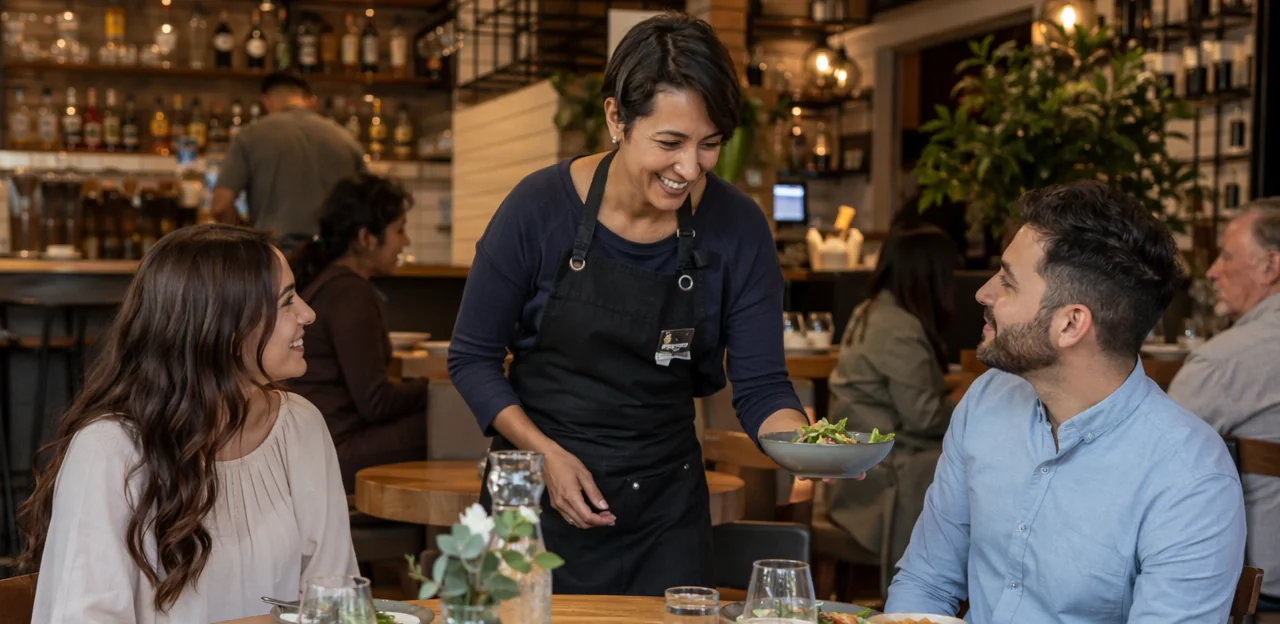
Adapting the strategy for different restaurant formats
A strong restaurant repeat visit campaign should reflect visit frequency, spend, and guest expectations across Restaurants & Cafés.
- Cafés: Use a short restaurant feedback survey or one-tap customer feedback form after purchase. Keep rewards simple—free add-ons or every-5th-visit perks. Messaging cadence can be frequent because visits are habitual.
- Fast casual brands: Ask focused restaurant feedback questions on speed, accuracy, and value. Pair customer feedback surveys with bounce-back offers like “return this week” discounts.
- Full-service restaurants: Use a richer restaurant feedback form covering service, ambiance, and menu satisfaction. With higher average tickets, offer premium incentives and follow up less often but more personally.
The best customer feedback tools match effort, reward, and timing to the format.
Protecting trust, privacy, and brand reputation
A successful restaurant repeat visit campaign depends on trust as much as timing. When using customer feedback tools, be clear about what data you collect, why you collect it, and how it improves the customer experience.
- Add clear consent language to every customer feedback form or restaurant feedback form.
- Keep restaurant feedback questions relevant, brief, and limited to what you truly need.
- Store customer feedback securely and restrict access to authorized staff only.
- Use insights from customer feedback surveys or a restaurant feedback survey for respectful personalization, not intrusive messaging.
- Explain how feedback shapes service, offers, or menu improvements to show value and prevent backlash.
Transparent communication protects brand reputation and makes guests more willing to engage again.
A simple implementation roadmap for operators
- Set a clear goal: Define what your restaurant repeat visit campaign should improve: second visits, 30-day return rate, average spend, or loyalty sign-ups.
- Choose the right inputs: Build a short restaurant feedback form with focused restaurant feedback questions about food, service, speed, and overall satisfaction. Keep the restaurant feedback survey fast and mobile-friendly.
- Capture feedback at the right moment: Use dine-in, takeaway, or post-visit customer feedback surveys to collect timely customer feedback.
- Automate follow-up: Connect customer feedback tools to send thank-you offers, bounce-back discounts, or personalized messages based on responses from the customer feedback form.
- Review monthly: Track response rates, repeat visits, redemption, and trends to refine Restaurant Operations and campaign performance.
Conclusion
A successful restaurant repeat visit campaign turns guest insight into measurable growth. When restaurants collect feedback at the right moment, they can identify service gaps, improve menu and experience decisions, and follow up with offers that bring diners back sooner. Whether you use a simple restaurant feedback form, targeted restaurant feedback questions, or a more structured restaurant feedback survey, the goal is the same: make it easy for guests to share honest input and make every response actionable.
The most effective campaigns connect customer feedback surveys to loyalty and retention strategies. By combining real-time customer feedback with personalized rewards, return-visit incentives, and smart segmentation, restaurants can move beyond one-time visits and build lasting relationships. Modern customer feedback tools also help teams spot trends faster, refine operations, and turn every customer feedback form into a source of insight.
Now is the time to strengthen your restaurant repeat visit campaign with a clear feedback loop, a compelling offer, and consistent follow-up. Start by reviewing your current survey flow, simplifying your questions, and linking responses to promotions your guests will actually use. For next steps, explore templates for feedback collection, retention offer strategies, and contactless tools such as Tapsy that help capture in-the-moment responses and support repeat business.
Frequently Asked Questions
- What is a restaurant repeat visit campaign?
A restaurant repeat visit campaign uses post-visit feedback to encourage guests to come back. It connects survey responses with follow-up actions such as personalized offers, service recovery, and loyalty-focused messaging.
- Why should restaurants use feedback instead of assumptions for retention?
Feedback shows what guests actually liked, what nearly stopped them from returning, and which incentives may work best. That makes retention efforts more relevant and helps improve customer experience based on real signals.
- What should a restaurant feedback form include?
It should be fast, clear, and easy to complete on a phone. Strong forms focus on food quality, service speed, staff friendliness, cleanliness, value for money, and likelihood to return.
- How many questions should a post-visit restaurant feedback survey have?
A short survey with 3 to 5 questions often performs better than a longer one. Keeping completion time under 60 seconds can improve response rates and make the data more useful for follow-up campaigns.
- Where should restaurants place feedback forms to get more responses?
Forms can be placed where guests already interact with the brand, such as receipts, table tents, takeaway packaging, SMS follow-ups, email receipts, and loyalty apps. QR codes and direct links help reduce friction and capture feedback quickly.
- Which feedback questions are most useful for driving repeat visits?
Useful questions cover food quality, speed of service, staff friendliness, cleanliness, value for money, and likelihood to return. These responses help identify satisfaction drivers, service problems, and the right type of follow-up offer.
- How can customer feedback tools improve a repeat visit campaign?
Customer feedback tools centralize responses from multiple channels into one dashboard and help identify patterns across locations, shifts, menu items, or teams. They can also tag topics automatically, apply sentiment analysis, and connect survey data to CRM or loyalty systems for personalized follow-up.
- How should restaurants segment guests after collecting feedback?
A practical approach is to group guests into promoters, neutral guests, and dissatisfied diners. Use survey scores, written sentiment, and visit behavior such as frequency, spend, and time since last visit to decide what message or offer each group should receive.
- What should happen immediately after a guest submits feedback?
The best next step is an automated response based on the guest's answers. Positive feedback can trigger a thank-you and a bounce-back coupon, while low ratings should trigger fast service recovery outreach from a manager.
- How do restaurants match offers to feedback signals?
Offers should reflect what the guest actually said. Positive comments about speed, friendliness, or a favorite dish can lead to rewards tied to that behavior, while complaints about slow service or order issues should lead to recovery incentives with a short redemption window.
- Which follow-up channels work best for feedback-based campaigns?
SMS works well for short, immediate offers with one clear call to action. Email allows more context about service improvements or menu updates, while app notifications are useful for timely reminders and loyalty rewards.
- When should restaurants send repeat-visit offers after feedback?
The first offer should usually go out within 5 to 30 minutes after survey completion while the visit is still fresh. Cafés often benefit from 24 to 72 hour offers, quick-service brands from same-day or next-day timing, and full-service restaurants from a 5 to 10 day redemption window.
- What are the most important metrics to track in a feedback-driven campaign?
Key metrics include survey completion rate, redemption rate, repeat visit rate, customer lifetime value, and satisfaction improvement over time. Together, these show whether feedback collection and follow-up are improving retention, spend, and loyalty.
- How can AI analytics help predict which guests will return?
AI can analyze survey responses, visit history, spend patterns, and response tone to estimate return likelihood. It can also flag churn risk, detect sentiment in open-text feedback, and identify guests who are more likely to redeem offers soon.
- How should cafés, fast casual brands, and full-service restaurants adapt this strategy?
Cafés should use very short surveys and simple rewards because visits are frequent and habitual. Fast casual brands should focus on speed, accuracy, and value, while full-service restaurants can use richer surveys, more premium incentives, and less frequent but more personal follow-up.