
A spotless dining room can create a great first impression, but a neglected restroom can undo it in seconds. For restaurants and cafés, the restroom is more than a utility space—it is a direct reflection of hygiene standards, service quality, and attention to detail. That is why restaurant restroom feedback deserves a central place in any customer experience strategy.
When businesses rely only on general review sites or broad customer feedback surveys, they often miss the small but critical issues that shape guest perceptions. A well-designed restaurant feedback form or targeted restaurant feedback survey can help operators uncover problems such as cleanliness, supplies, odors, maintenance concerns, and accessibility before they affect ratings, repeat visits, or word-of-mouth recommendations. The right restaurant feedback questions also make it easier to collect actionable insights rather than vague complaints.
In this article, we will explore why restroom-specific feedback matters, how it influences brand reputation and operational standards, and how restaurants can use smarter customer feedback tools to capture real-time insights. We will also look at how a simple customer feedback form can support faster issue resolution, stronger guest satisfaction, and better decision-making across restaurant operations.
Why Restaurant Restroom Feedback Directly Impacts Guest Perception
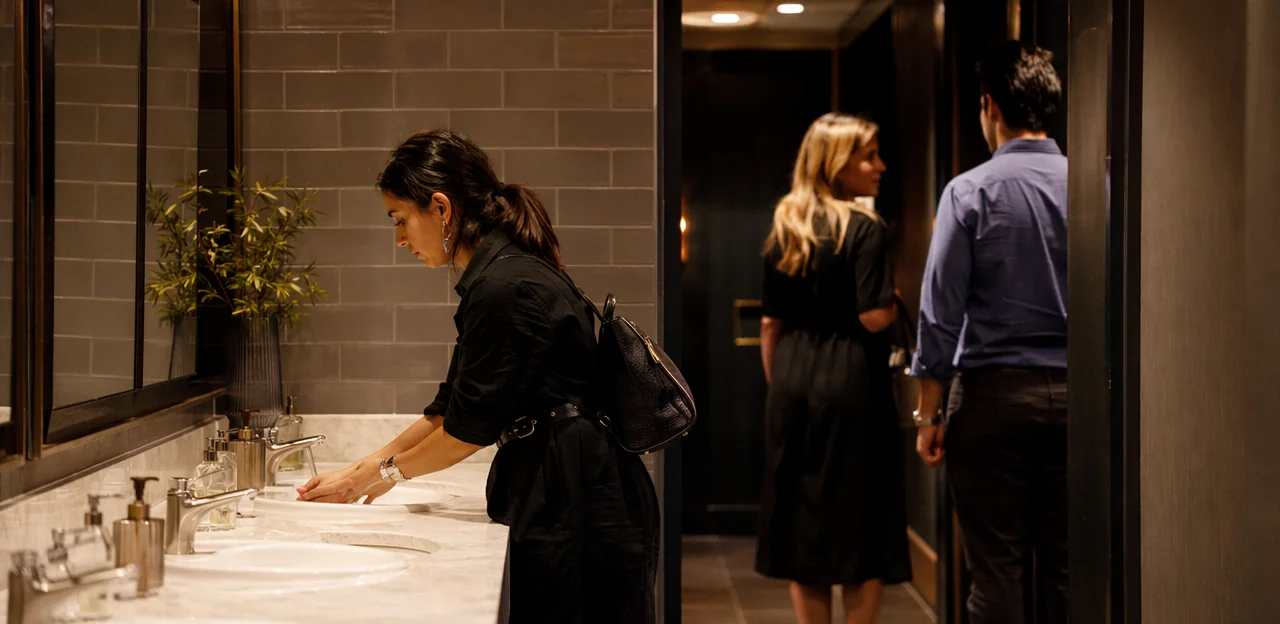
Restrooms as a reflection of overall restaurant standards
Guests often treat the restroom as a shortcut for judging the entire operation. If it feels dirty, poorly stocked, or neglected, many assume the same standards apply to food prep, hygiene, and service. That is why restaurant restroom feedback is so valuable: it uncovers trust issues that can damage the full dining journey.
- A messy restroom can signal weak food safety habits.
- Broken fixtures or empty supplies can suggest poor management and low professionalism.
- Unpleasant odors can shape negative memories long after the meal.
Adding restroom-focused restaurant feedback questions to a restaurant feedback form or restaurant feedback survey helps teams spot hidden issues fast. Use customer feedback surveys, a simple customer feedback form, and other customer feedback tools to capture honest customer feedback and act before small concerns become reputation problems.
The link between restroom conditions, reviews, and repeat visits
Restrooms strongly shape how guests judge cleanliness, safety, and overall standards. Even after a great meal, poor restaurant restroom feedback can trigger negative word-of-mouth, lower star ratings, and fewer repeat visits.
- Guests often treat restroom condition as a reflection of kitchen hygiene and management quality.
- A dirty, poorly stocked, or neglected restroom can outweigh otherwise positive service and food.
- Negative experiences frequently appear in reviews because they are memorable and easy to describe.
To act early, include restroom checks in every restaurant feedback survey and restaurant feedback form. Add targeted restaurant feedback questions about cleanliness, supplies, odor, and maintenance response time. Short customer feedback surveys completed on-site improve response rates and surface issues before they reach Google or Tripadvisor. Using simple customer feedback tools and a clear customer feedback form helps turn routine customer feedback into stronger loyalty.
Why this issue matters for restaurants and cafés of every size
Structured restaurant restroom feedback helps every venue catch small hygiene or maintenance issues before they damage reviews, repeat visits, or staff workload.
- Independent cafés can use a simple restaurant feedback form or customer feedback form to spot cleaning gaps quickly and protect local reputation.
- Quick-service brands benefit from fast customer feedback surveys that flag high-traffic restroom problems across shifts and locations.
- Full-service restaurants can add targeted restaurant feedback questions to a restaurant feedback survey to connect restroom standards with overall guest experience.
The key is consistency: use clear customer feedback tools, assign response ownership, and review trends weekly. When customer feedback is structured, teams can act faster, improve cleanliness, and prevent restroom issues from overshadowing food and service quality.
What to Measure in a Restaurant Restroom Feedback Strategy
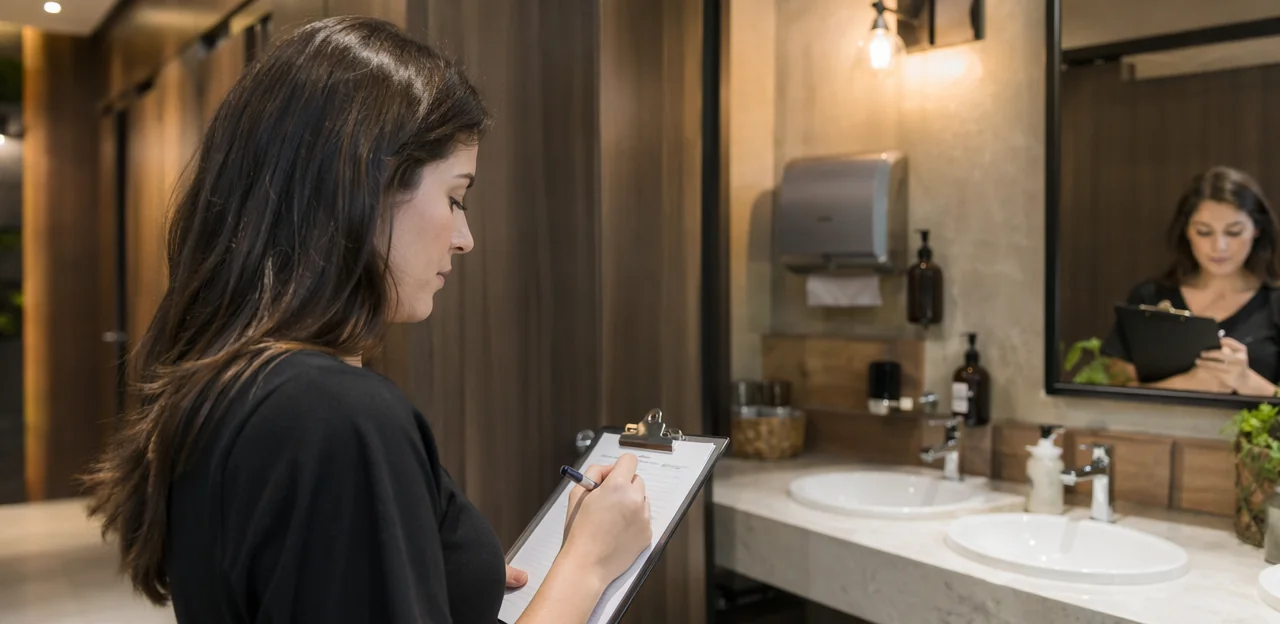
Core cleanliness and maintenance indicators
Strong restaurant restroom feedback should focus on specific, trackable conditions staff can fix quickly. In a restaurant feedback form or restaurant feedback survey, include concise restaurant feedback questions that turn opinions into action:
- Odor: Was there a noticeable unpleasant smell?
- Supplies: Were soap, toilet paper, paper towels, or hand dryers available and working?
- Sanitation: Were sinks, toilets, handles, mirrors, and floors visibly clean?
- Broken fixtures: Did guests notice leaks, clogged toilets, faulty locks, or damaged dispensers?
- Lighting: Was the restroom bright enough to feel safe and clean?
- Overall appearance: Did the space feel well-maintained, stocked, and consistent with the brand?
The best customer feedback surveys use rating scales plus a short comment box. This helps customer feedback tools flag urgent issues, prioritize repairs, and create clear cleaning checklists from every customer feedback form response.
Accessibility, safety, and inclusivity considerations
Effective restaurant restroom feedback should go beyond cleanliness to uncover barriers that directly affect comfort, dignity, and return visits. A strong restaurant feedback survey or customer feedback form should ask guests about:
- Accessibility: Are entrances, stalls, sinks, and hand dryers usable for wheelchair users or guests with limited mobility?
- Privacy: Do locks work properly, and do guests feel safe and respected inside the space?
- Baby-changing facilities: Are changing stations available, clean, and accessible to all caregivers?
- Gender-inclusive needs: Are signage, layout, and amenities welcoming for all guests?
- Safety issues: Report poor lighting, wet floors, broken fixtures, or security concerns quickly.
Use clear restaurant feedback questions in your restaurant feedback form and other customer feedback surveys. The best customer feedback tools help teams turn customer feedback into fast, visible improvements.
How to prioritize issues by business impact
Use restaurant restroom feedback to rank problems by what hurts the guest experience most, not just by what gets mentioned first. A simple scoring system in your restaurant feedback form or restaurant feedback survey helps teams act faster.
- Frequency: Track how often the same issue appears in customer feedback surveys. Repeated complaints about empty soap dispensers or dirty floors signal systemic problems.
- Severity: Separate minor fixes from urgent risks. A broken lock, flooding, or no toilet paper should outrank cosmetic updates.
- Guest impact: Review restaurant feedback questions tied to cleanliness, safety, and overall satisfaction. If restroom complaints correlate with lower ratings, prioritize them.
- Staff workload: Fix issues that create repeat cleanup, complaints, or service interruptions.
Using customer feedback tools to tag and score responses makes every customer feedback form more actionable and easier to manage.
How to Build an Effective Restaurant Feedback Form and Survey

Best practices for a restroom-specific restaurant feedback form
A strong restaurant restroom feedback process should be fast, discreet, and effortless. Keep the restaurant feedback form mobile-first so guests can respond in under 30 seconds without interrupting their visit.
- Keep it short: Limit the customer feedback form to 3–5 taps. Start with a simple rating, then one optional follow-up.
- Use clear timing: Ask for feedback immediately after the restroom visit, when impressions are fresh. A QR code or tap point near the exit works best.
- Protect anonymity: Let guests submit anonymously to encourage honest customer feedback, especially about cleanliness, odor, or supplies.
- Choose easy question formats: Use multiple choice, emoji scales, or 1–5 ratings before one optional open-text field.
- Ask targeted restaurant feedback questions: Focus on cleanliness, restocking, smell, and overall comfort.
- Optimize for mobile: Large buttons, minimal typing, and no login improve completion rates for any restaurant feedback survey or customer feedback surveys.
Simple customer feedback tools often outperform longer forms.
Essential restaurant feedback questions to ask guests
To make restaurant restroom feedback useful, keep questions short, specific, and easy to answer in a restaurant feedback survey or restaurant feedback form. Focus on areas guests notice immediately:
- Cleanliness: Was the restroom clean, fresh-smelling, and well maintained?
- Supplies: Were soap, toilet paper, paper towels, or hand dryers fully stocked?
- Comfort: Did the restroom feel comfortable, private, and safe to use?
- Accessibility: Was the restroom easy to find and accessible for all guests?
- Brand expectations: Did the restroom experience match the quality and atmosphere of our restaurant?
You can also add one open-ended prompt: “What could we improve about the restroom experience?” This helps capture richer customer feedback beyond yes/no answers.
For better results, use digital customer feedback tools or a simple customer feedback form at the point of service. Well-designed customer feedback surveys with targeted restaurant feedback questions turn small restroom issues into fast operational improvements.
Choosing the right survey channels and response triggers
To collect restaurant restroom feedback effectively, match the channel to the moment guests are most likely to respond:
- QR codes near restroom exits: Best for immediate, in-the-moment input while details are fresh. Keep the restaurant feedback form short and focused on cleanliness, supplies, odor, and accessibility.
- Table receipts: Useful when guests are finishing their meal and more willing to complete a broader restaurant feedback survey that includes restroom experience.
- SMS follow-ups: Ideal within a few hours of the visit for opted-in guests. These customer feedback surveys work well when paired with a direct link and 1–2 key restaurant feedback questions.
- Kiosk prompts: Great in high-traffic venues where speed matters. These customer feedback tools can capture quick ratings before guests leave.
- Email surveys: Better for detailed customer feedback and trend analysis, especially when you want a longer customer feedback form after the visit.
Using multiple customer feedback tools helps restaurants gather timely, useful insights without over-surveying guests.
Using AI and Analytics to Turn Restroom Feedback Into Action
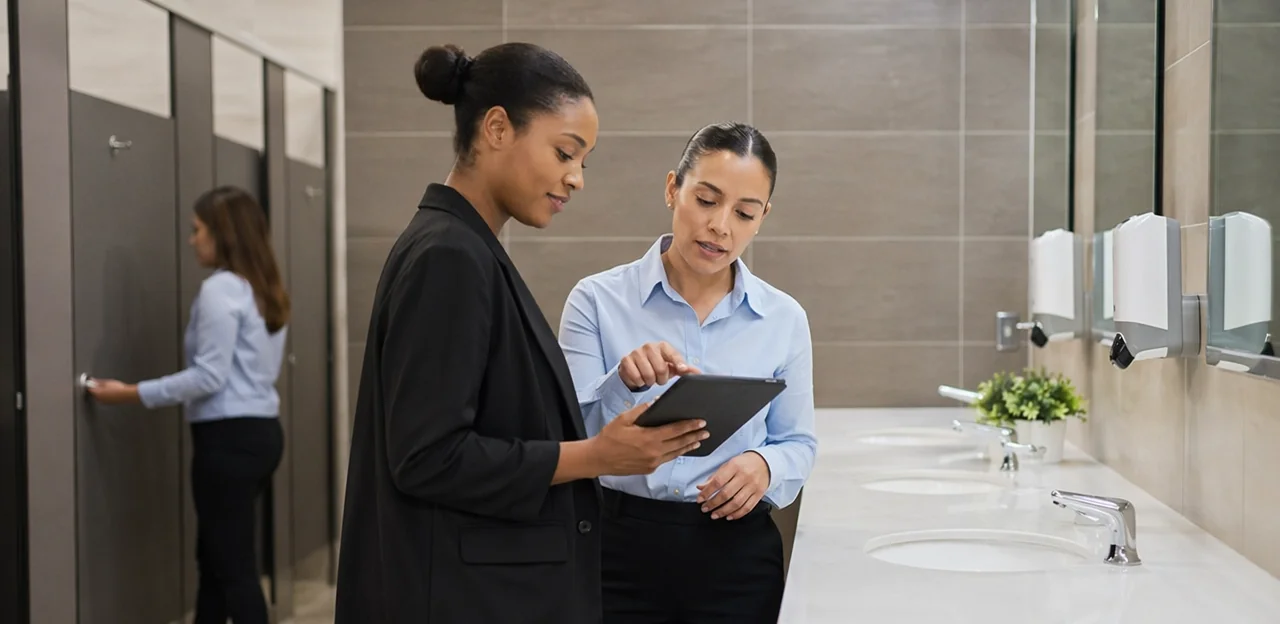
How AI identifies patterns in customer feedback at scale
AI turns restaurant restroom feedback into clear, usable insight by analyzing large volumes of comments from every restaurant feedback form, restaurant feedback survey, and customer feedback form in one place. Instead of manually reading responses, teams can spot issues faster and act sooner.
- Categorizes comments automatically: AI groups open-text customer feedback into themes like cleanliness, odor, supplies, maintenance, or accessibility.
- Detects recurring complaints: It flags repeated issues across customer feedback surveys and highlights which restaurant feedback questions appear most often in negative responses.
- Surfaces operational trends: Analytics show patterns by location, shift, weekday, or daypart, helping managers identify when restroom standards slip.
- Prioritizes action: Smart customer feedback tools can rank urgent problems by frequency, sentiment, and business impact, speeding up decisions and follow-up.
Combining survey data with operational metrics
To make restaurant restroom feedback useful, pair it with operational data instead of reacting to complaints in isolation. A strong restaurant feedback survey or customer feedback form can reveal patterns, but root causes appear when that input is matched to what was happening on-site.
- Compare customer feedback surveys with staffing schedules to see whether low scores spike during shift changes, understaffed periods, or peak traffic.
- Match responses from a restaurant feedback form to cleaning logs to confirm whether missed checks align with odor, supply, or cleanliness complaints.
- Link recurring restaurant feedback questions to maintenance tickets to spot unresolved issues like broken locks, leaks, or hand dryers.
- Review restroom comments alongside public review data and other customer feedback tools to identify wider service failures.
This turns raw customer feedback into clear operational fixes, not guesswork.
Creating alerts, dashboards, and accountability workflows
To make restaurant restroom feedback actionable, teams need more than a basic restaurant feedback form. The right customer feedback tools turn low scores into fast, trackable action.
- Set real-time alerts: Trigger notifications when a restaurant feedback survey includes low cleanliness, odor, or supply ratings, so managers can respond before more guests are affected.
- Build simple dashboards: Track trends from customer feedback surveys by shift, daypart, location, and issue type to spot recurring problems.
- Assign clear ownership: Route each negative response from a customer feedback form to the right staff member with deadlines and status updates.
- Measure impact: Compare follow-up scores and key restaurant feedback questions over time to confirm whether fixes actually improve customer feedback and satisfaction.
This workflow helps operators close the loop, not just collect data.
How Restaurants and Cafés Can Act on Feedback Without Overcomplicating Operations

Turning customer feedback into practical SOP improvements
Use restaurant restroom feedback to build clear, repeatable SOPs staff can follow every shift. Turn patterns from a restaurant feedback form, restaurant feedback survey, and other customer feedback surveys into action:
- Cleaning schedules: If customer feedback mentions dirty floors or odors at peak times, add extra checks before and after rush periods.
- Inspection checklists: Use recurring issues from restaurant feedback questions to create a checklist for mirrors, toilets, sinks, soap, and trash.
- Restocking routines: If a customer feedback form flags empty soap or paper supplies, assign refill checks every hour.
- Escalation protocols: Define when staff should alert a manager immediately, such as plumbing issues, safety hazards, or repeated complaints tracked through customer feedback tools.
Training staff to respond to restroom issues proactively
Strong restaurant restroom feedback systems only work when staff know how to act fast. Train frontline teams and managers to:
- Spot issues early: Include restroom checks in opening, peak-hour, and closing routines.
- Log problems immediately: Use a simple restaurant feedback form or digital customer feedback form to record cleanliness, supplies, odors, and maintenance concerns.
- Review signals daily: Managers should track patterns from customer feedback surveys, restaurant feedback survey responses, and in-person comments.
- Close the loop quickly: Assign ownership, fix the issue, and confirm completion before complaints spread into broader customer feedback.
Pair this training with clear restaurant feedback questions and reliable customer feedback tools so teams can respond before restroom concerns damage the guest experience.
Communicating improvements to build trust and loyalty
Acting on restaurant restroom feedback matters, but communicating those changes is what builds trust. Acknowledge issues quickly when patterns appear in your restaurant feedback survey or customer feedback surveys, especially around cleanliness, supplies, or maintenance.
- Share visible updates with simple signage such as “You asked, we fixed it.”
- Train staff to mention recent improvements when appropriate.
- Use a restaurant feedback form or digital customer feedback form to close the loop after changes.
- Review restaurant feedback questions regularly to spot recurring restroom concerns.
- Track responses with customer feedback tools to measure whether satisfaction improves.
When guests see their customer feedback leads to action, your brand feels attentive, credible, and worth revisiting.
Common Mistakes to Avoid When Collecting Restaurant Restroom Feedback

Asking too many questions or collecting feedback too late
Long customer feedback surveys and delayed follow-ups often produce weak, inaccurate responses. Guests forget details quickly, so restaurant restroom feedback is most useful when captured immediately after the visit. Keep every restaurant feedback survey short and focused on what staff can fix fast.
- Limit your restaurant feedback questions to cleanliness, odor, supplies, and maintenance
- Use a simple restaurant feedback form or digital customer feedback form
- Choose real-time customer feedback tools to spot issues before they affect more guests
Concise, timely customer feedback leads to better data and faster action.
Ignoring negative comments or failing to close the loop
Collecting restaurant restroom feedback without acting on it can do more harm than good. When the same issues keep appearing in a restaurant feedback survey or customer feedback surveys, guests assume their input is ignored, which weakens trust and fuels poor reviews.
- Use customer feedback tools to flag repeat complaints fast.
- Turn every restaurant feedback form or customer feedback form into clear tasks for staff.
- Review restaurant feedback questions regularly to spot patterns.
- Show visible follow-through: cleaner restrooms, restocked supplies, and signage noting improvements based on customer feedback.
Action builds credibility; silence damages it.
Treating restroom feedback as separate from the full guest experience
Treating restaurant restroom feedback as a standalone issue misses how strongly it shapes overall perception of cleanliness, service, and brand trust. Restroom insights should feed the same operational review as food quality and speed of service.
- Add restroom-focused restaurant feedback questions to every restaurant feedback form or customer feedback form
- Include findings in restaurant feedback survey reporting and staff checklists
- Use customer feedback tools to connect restroom complaints with peak times, staffing gaps, and cleaning routines
When combined with wider customer feedback surveys, restroom data becomes actionable across operations, standards, and guest experience strategy.
Conclusion
In the end, restaurant restroom feedback is about far more than cleanliness alone—it’s a direct window into how guests experience your brand, your standards, and your attention to detail. A well-maintained restroom can reinforce trust, while recurring issues can quietly damage satisfaction, reviews, and repeat visits. By using a simple restaurant feedback form at key touchpoints, operators can capture concerns early, spot patterns faster, and turn small fixes into meaningful improvements across the guest journey.
The most effective approach is to combine thoughtful restaurant feedback questions with a fast, accessible restaurant feedback survey that guests can complete in seconds. When paired with broader customer feedback surveys, restroom insights become part of a larger strategy for service quality, operational consistency, and customer loyalty. The right customer feedback tools also make it easier to collect, organize, and act on every customer feedback form without creating extra friction for staff or diners.
Now is the time to make restaurant restroom feedback a standard part of your operations. Review your current process, refine your customer feedback questions, and implement a system that helps you respond in real time. For next steps, audit your existing feedback channels, update your survey design, and explore modern customer feedback tools—such as contactless solutions like Tapsy—to make feedback collection easier, faster, and more actionable.
Frequently Asked Questions
- Why does restroom feedback matter so much in restaurants and cafés?
Guests often use the restroom as a shortcut for judging overall hygiene, service quality, and management standards. A dirty, poorly stocked, or neglected restroom can damage trust, reviews, and repeat visits even when food and service were good.
- What kinds of restroom problems should a restaurant feedback form measure?
The most useful form measures odor, supplies, sanitation, broken fixtures, lighting, and overall appearance. These are specific conditions staff can fix quickly and track over time.
- How can restroom conditions affect online reviews and customer loyalty?
Restroom issues are memorable and easy for guests to describe in public reviews, so they often show up in ratings and word-of-mouth comments. Negative restroom experiences can outweigh an otherwise positive meal and reduce the chance of repeat visits.
- What are the best questions to ask in a restroom-specific survey?
Keep questions short and focused on cleanliness, supplies, comfort, accessibility, and whether the restroom matched the restaurant's overall quality. One optional open-ended prompt, such as asking what could be improved, can capture extra detail without making the survey too long.
- How long should a restaurant restroom survey be?
It should be very short and easy to complete in under 30 seconds. A mobile-first format with 3 to 5 taps, simple ratings, and one optional follow-up works best.
- When is the best time to collect restroom feedback from guests?
The best time is immediately after the restroom visit, while details are still fresh. QR codes or tap points near the exit are especially effective for capturing timely responses.
- Which survey channels work best for collecting restroom feedback?
QR codes near restroom exits are best for immediate input, while table receipts can support broader dining feedback that includes the restroom experience. SMS follow-ups, kiosk prompts, and email surveys can also work depending on how quickly and how deeply you want feedback.
- Should restroom feedback be anonymous?
Yes, anonymous submission helps guests share honest feedback, especially about cleanliness, odor, and supply issues. Reducing friction and avoiding logins can also improve completion rates.
- How should restaurants prioritize restroom issues once feedback starts coming in?
Rank issues by frequency, severity, guest impact, and staff workload rather than by which complaint appeared first. Repeated problems like empty soap dispensers show systemic gaps, while urgent risks such as broken locks or flooding should be handled first.
- What accessibility and inclusivity topics should be included in restroom feedback?
Feedback should cover accessibility for wheelchair users and guests with limited mobility, privacy, baby-changing facilities, gender-inclusive needs, and safety concerns. These factors affect comfort, dignity, and whether guests want to return.
- How can AI help restaurants use restroom feedback more effectively?
AI can group comments into themes like cleanliness, odor, supplies, maintenance, and accessibility so teams do not have to read every response manually. It can also detect recurring complaints, show patterns by shift or location, and help prioritize action based on frequency and sentiment.
- Why should restroom survey results be combined with operational data?
Survey responses become more useful when matched with staffing schedules, cleaning logs, maintenance tickets, and other review data. This helps managers find root causes, such as missed checks during peak periods or unresolved repair issues.
- How can restaurants turn restroom feedback into daily operational improvements?
Use recurring feedback patterns to update cleaning schedules, inspection checklists, restocking routines, and escalation protocols. If complaints spike at certain times, add extra checks before and after rush periods and assign clear ownership for fixes.
- What are the most common mistakes when collecting restroom feedback?
The biggest mistakes are asking too many questions, collecting feedback too late, ignoring negative comments, and failing to close the loop. Treating restroom feedback as separate from the full guest experience is also a problem because it strongly shapes overall brand perception.
- How can restaurants show guests that restroom feedback led to real changes?
Visible follow-through builds trust, such as cleaner restrooms, restocked supplies, and simple signage that shows improvements were made. Staff can also mention updates when appropriate, while managers track whether follow-up scores improve over time.