In housing communities, resident satisfaction can change quickly, and small issues often become bigger problems when feedback arrives too late. A broken gate, repeated noise complaint, missed cleaning task, or poor communication from management can quietly erode trust long before traditional surveys or email threads reveal what is going wrong. That is why the choice between a resident feedback app and no-app feedback methods matters more than ever.
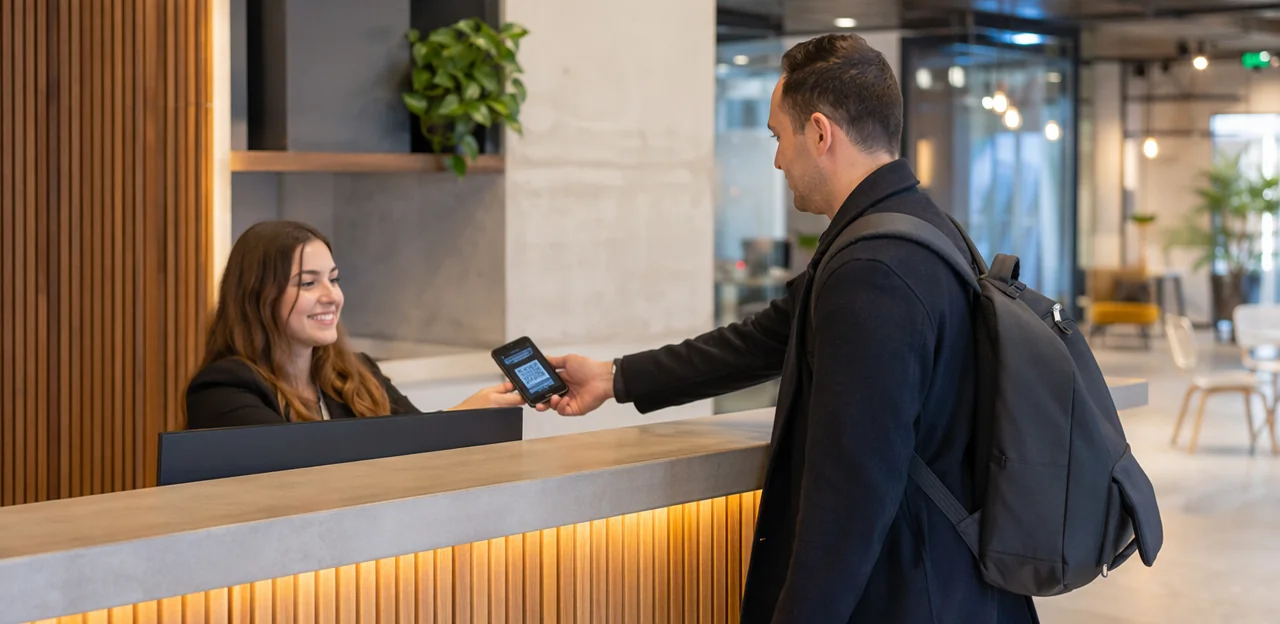
A resident feedback app can offer structure, visibility, and ongoing communication, but it can also create friction if residents need to download, learn, and regularly use yet another platform. By contrast, no-app feedback options such as QR codes, text links, or tap-based touchpoints can make it easier to capture fast, in-the-moment responses across shared spaces and service interactions. In some cases, solutions like Tapsy illustrate how no-app feedback can reduce barriers and improve response rates.
This article will compare resident feedback app systems with no-app alternatives in housing communities, looking at accessibility, adoption, response quality, operational speed, and overall resident experience. If you are selecting software for a property portfolio or trying to improve engagement in a single community, this guide will help you understand which approach is more practical, effective, and resident-friendly.
Why Feedback Systems Matter in Housing Communities

The role of resident feedback in property operations
Resident feedback is a core operational input, not just a satisfaction metric. In housing communities, feedback helps teams spot recurring issues, improve service delivery, and make better decisions across leasing, facilities, and resident experience.
- Improve service quality: Regular housing communities feedback highlights gaps in cleaning, security, amenities, and staff responsiveness.
- Prioritize maintenance: A resident feedback app helps surface urgent repairs faster and identify patterns before small issues escalate.
- Support retention: Acting on property management feedback shows residents they are heard, which strengthens satisfaction and renewals.
- Increase compliance awareness: Feedback can reveal safety, accessibility, or policy concerns early.
- Build trust: Structured feedback creates transparency, accountability, and stronger community confidence.
What no-app feedback usually looks like
In many housing communities, no-app feedback relies on a patchwork of traditional resident feedback channels rather than one central system. Common examples include:
- Phone calls: residents report issues to the office, and staff log details manually—or not at all.
- Paper forms: feedback boxes, move-in packets, or maintenance slips that require manual feedback collection and later data entry.
- Email inboxes: messages sit across shared inboxes, making follow-up uneven.
- In-person conversations: useful for context, but often undocumented.
- Ad hoc surveys: sent occasionally, with inconsistent timing and response rates.
In practice, these methods can work, but they often create gaps in tracking, ownership, and trend analysis compared with a resident feedback app.
What a resident feedback app typically includes
A resident feedback app acts as a central hub for gathering, organizing, and responding to resident input across the community. Most resident feedback software includes features such as:
- Quick surveys and pulse polls to measure satisfaction after maintenance, events, or leasing interactions
- Issue reporting tools for residents to submit complaints, photos, and service requests in one place
- Sentiment tracking to spot recurring concerns and monitor overall resident experience
- Real-time notifications that alert staff to urgent problems or low ratings
- Dashboards and analytics for identifying trends, response times, and property-level performance
A strong resident engagement app or feedback management platform helps teams turn feedback into faster action and better retention.
Resident Feedback App vs No-App Feedback: Key Differences

Speed, convenience, and response rates
A resident feedback app usually makes the biggest difference at the point of action: residents can report an issue or share an opinion in seconds, instead of waiting to email, call, visit the office, or remember it later. That speed reduces drop-off and improves response rates.
Key differences include:
- Less friction: Apps remove extra steps like finding contact details, filling long forms, or calling during office hours.
- Mobile resident feedback anywhere: Residents can submit updates from their phone in the lift, car park, or apartment as soon as a problem happens.
- Built-in reminders: Push notifications and follow-up prompts encourage residents to complete surveys they might otherwise ignore.
- Faster issue capture: Real-time submissions help teams act sooner, before small complaints become bigger service problems.
These are some of the clearest resident feedback app benefits. By making feedback fast, simple, and mobile-first, housing communities often see higher participation than with offline or fragmented channels. In some cases, no-download tools such as Tapsy can reduce friction even further.
Data quality, tracking, and reporting
A resident feedback app gives housing teams cleaner, more usable data than phone calls, paper notes, inbox messages, or informal staff handovers. Instead of scattered comments, every submission follows a consistent format, making feedback tracking far more reliable.
- Standardized inputs: Apps use set fields for location, issue type, urgency, date, and resident comments, reducing vague or incomplete records.
- Better categorization: Complaints and suggestions can be tagged by building, service area, or recurring issue, improving response routing.
- Stronger resident feedback analytics: Managers can spot trends in maintenance, cleanliness, safety, or communication before they become larger problems.
- Clear housing data reporting: Dashboards and exportable reports make it easier to monitor volumes, response times, and satisfaction by property or period.
- Audit trails: Time stamps, status updates, and action histories create accountability and support compliance reviews.
Without an app, messages can be lost, duplicated, misfiled, or never logged at all, leaving teams with incomplete records and limited visibility into community-wide issues.
Accountability and follow-through
A resident feedback app strengthens property management accountability by turning each complaint, request, or suggestion into a trackable workflow instead of an informal message that can be missed.
- Assign clear ownership: Issues can be routed to the right staff member, vendor, or department immediately.
- Use status updates: Teams can mark items as received, in progress, waiting on parts, or resolved, giving residents visibility without repeated calls or emails.
- Document every step: Photos, notes, timestamps, and actions taken create a reliable record for issue resolution tracking and future audits.
- Improve resident communication: Built-in resident communication tools make it easier to confirm receipt, share timelines, and close the loop after completion.
Without an app, follow-up often depends on who wrote down the complaint, who remembers to check in, and whether separate email, phone, and spreadsheet systems match up. That inconsistency can slow response times, create duplicate work, and leave residents unsure whether anyone owns the issue.
Pros and Cons for Housing Providers and Residents

Advantages of using a resident feedback app
A resident feedback app gives housing providers a faster, more structured way to understand and improve the resident experience than phone calls, paper forms, or scattered emails.
- Centralized communication: Bring complaints, compliments, maintenance feedback, and service requests into one system, reducing missed messages and duplication.
- Better insights: Spot recurring issues by block, scheme, contractor, or service area, helping teams make smarter decisions during housing software selection and ongoing operations.
- Faster triage: Route urgent issues such as repairs, safety concerns, or antisocial behaviour to the right team quickly, improving response times.
- Measurable service performance: Track response rates, satisfaction trends, resolution times, and team performance with clear reporting.
- Improved resident experience: Residents feel heard when feedback is easy to give and visibly acted on.
For both social housing landlords and private residential operators, this leads to stronger trust, better service delivery, and more accountable property management.
Limitations and risks of app-based feedback
A resident feedback app can improve visibility, but it also brings practical risks that housing teams should plan for:
- Upfront and ongoing costs: Licensing, setup, maintenance, training, and support can make app-based feedback expensive, especially for smaller providers.
- Onboarding friction: Strong resident app adoption depends on clear communication, simple sign-up, and staff encouragement. If registration feels complicated, participation drops quickly.
- Digital inclusion concerns: Not all residents have smartphones, data access, confidence with apps, or language support. Without offline or no-app options, digital inclusion suffers.
- App fatigue: Residents already manage multiple apps. Another download can feel like a burden, reducing response rates over time.
- Integration problems: Common feedback app challenges include weak links with CRM, repairs, and case-management systems, which can slow follow-up.
Software alone does not create engagement. Better results come from good process design, fast response workflows, and consistent staff adoption.
When no-app feedback still has value
A resident feedback app can streamline reporting, but offline resident feedback remains essential in many housing communities. Not every resident is comfortable with digital tools, and some situations are better handled through human contact.
- Support vulnerable residents: Older adults, residents with disabilities, people with limited literacy, or those without reliable internet may prefer phone calls, paper forms, or in-person conversations. This improves housing accessibility and trust.
- Handle sensitive issues carefully: Complaints involving antisocial behaviour, safeguarding, domestic abuse, or mental health concerns may feel safer face-to-face or by phone.
- Serve low-tech communities: In properties with low smartphone use, offline options can increase response rates and reduce exclusion.
The best approach is inclusive communication: combine digital channels with phone, paper, and staff-led conversations so every resident can share feedback in a way that works for them.
How Feedback Methods Affect Resident Experience

Accessibility, trust, and ease of use
Whether residents use a resident feedback app or prefer paper forms, phone calls, or in-person reporting often depends on how safe and simple the process feels. Strong resident experience starts with feedback options that remove barriers.
- Offer multilingual forms and plain-language prompts to improve tenant communication across diverse communities.
- Prioritize accessible feedback tools such as screen-reader support, large text, high-contrast design, voice input, and easy mobile navigation.
- Be clear about privacy: explain what data is collected, who sees it, and whether feedback can be anonymous.
- Compare channels honestly: digital tools are faster and easier to track, while traditional methods may feel more personal and trustworthy for sensitive issues.
A no-app option, such as QR-based feedback through Tapsy, can reduce friction while preserving convenience.
Closing the loop with residents
Residents are more likely to keep sharing input when they see closing the feedback loop in action. After reporting an issue or suggestion, they want three things:
- Acknowledgment: confirmation that their message was received
- Updates: visibility into status, timing, and next steps
- Action: proof that management is responding
A resident feedback app strengthens the feedback response process by sending automatic confirmations, progress notifications, and closure messages. This improves transparency and builds trust, which can lift resident satisfaction over time.
By contrast, no-app feedback methods like paper forms, email, or phone calls can feel slower and less visible, leaving residents unsure whether anything is happening. To improve outcomes, set clear response timelines and share visible follow-up updates.
Building a stronger sense of community
A resident feedback app can do more than collect complaints; it can strengthen community engagement by showing residents that their voices lead to visible action. When management listens quickly, shares updates, and closes the loop on common issues, trust grows and the overall housing community experience improves.
- Respond to feedback promptly, even if the fix takes time.
- Share visible updates on resolved issues, policy changes, or service improvements.
- Track recurring themes to guide events, amenities, and communication priorities.
- Use feedback insights to recognize staff and improve service consistency.
This responsiveness supports resident retention, encourages positive word of mouth, and helps build a stronger reputation for the community.
Choosing the Right Approach for Your Housing Organization

Questions to ask before selecting software
Use this resident feedback app checklist to decide whether a solution fits your housing community’s operating model and broader software selection process:
- Goals: What problems are you solving—higher response rates, faster issue resolution, better resident experience, or stronger retention?
- User needs: Will residents actually use an app, or would SMS, web, QR, or no-app options remove friction?
- Integrations: Does it connect with your existing property management software, CRM, maintenance, or help desk tools?
- Reporting: Can you track trends by building, issue type, time period, and staff response?
- Security: How is resident data stored, encrypted, and permissioned?
- Accessibility: Is it easy to use for older residents, multilingual communities, and people with disabilities?
- Support: What onboarding, training, and customer support are included?
- Budget: What are the full costs—licenses, setup, integrations, and ongoing administration?
A resident feedback app should match how your teams work, not create extra complexity.
When a hybrid model works best
A hybrid feedback model works best in housing communities with mixed resident preferences, ages, and digital confidence levels. Relying only on a resident feedback app can improve speed and reporting, but it may exclude residents who prefer traditional contact methods.
A stronger housing communication strategy combines digital and offline channels to widen participation and improve insight quality:
- Use app-based feedback for quick issue logging, photos, updates, and trend tracking.
- Keep phone, email, and in-person options for residents who need accessibility, language support, or a more personal interaction.
- Centralize all responses in one system so staff can compare themes across every touchpoint.
- Train teams to log offline feedback digitally to strengthen data capture and reporting.
This approach creates more inclusive multi-channel resident feedback, while preserving accessibility and giving housing teams better data for service improvement.
Metrics to measure success after implementation
To evaluate whether a resident feedback app is improving service delivery, track a focused set of resident feedback KPIs and review them monthly:
- Response rate: Measure how many residents actually submit feedback. Higher participation usually means the process is easier and more trusted.
- Time to acknowledge: Track how quickly staff confirm receipt of an issue. Fast acknowledgement improves confidence and reduces frustration.
- Resolution time: Monitor how long complaints or maintenance-related concerns take to close.
- Resident satisfaction metrics: Use CSAT or NPS after issue resolution to see whether outcomes meet expectations.
- Repeat complaints: Identify recurring issues by building, category, or team to spot root causes.
- Engagement trends: Review feedback volume, sentiment, and peak reporting times.
These housing performance metrics help housing teams benchmark service, prioritize fixes, and drive continuous improvement over time.
Conclusion: App or No-App?

Making a resident-centered decision
The right feedback strategy is not simply about choosing digital over traditional methods. It should reflect your residents’ preferences, your team’s ability to act on feedback, and your community’s inclusion goals. In practice, the best decision balances convenience, accountability, and accessibility.
A resident feedback app often provides clear advantages for growing portfolios and busy property teams. It can make it easier to:
- track issues from submission to resolution
- spot recurring trends across buildings or resident groups
- centralize reporting and improve response times
- scale feedback collection without adding heavy admin work
For many operators, this leads to a stronger housing resident experience, because feedback is easier to capture, organize, and act on consistently.
However, technology alone does not guarantee better outcomes. A resident feedback app works best when it is introduced thoughtfully, with clear communication, staff ownership, and follow-up processes. Just as importantly, housing providers should continue to support non-digital channels such as phone, in-person conversations, paper forms, or community meetings.
A resident-centered approach should include:
- assessing resident digital access and comfort levels
- defining how feedback will be reviewed and resolved
- offering multiple ways to participate
- measuring whether changes actually improve satisfaction
If needed, providers can also explore flexible tools such as Tapsy alongside broader engagement methods. Ultimately, the best choice is the one residents will actually use—and that your team can reliably turn into action.
Conclusion
In housing communities, the difference between a modern feedback process and a traditional no-app approach often comes down to speed, visibility, and actionability. Without a structured system, resident input can be delayed, scattered across channels, or missed entirely. By contrast, a resident feedback app helps property teams gather real-time insights, spot recurring issues faster, and respond in ways that improve trust, satisfaction, and retention.
The key takeaway is simple: better feedback collection leads to better resident experience. A well-designed resident feedback app makes it easier for residents to share concerns about maintenance, amenities, cleanliness, communication, and community life while those experiences are still fresh. It also gives housing operators clearer data to prioritize improvements and measure what is working.
For housing providers evaluating their next step, now is the time to review your current feedback process and identify where friction exists. Look for tools that simplify submission, centralize reporting, and support faster follow-up. Solutions such as Tapsy may also be worth exploring if you want a no-app, touchpoint-based way to capture timely feedback in physical spaces.
Ready to improve resident engagement? Start by auditing your current channels, comparing software options, and requesting demos to find the right resident feedback app for your community.
Frequently Asked Questions
- What is the main difference between a resident feedback app and no-app feedback in housing communities?
A resident feedback app centralizes feedback, tracking, and follow-up in one system. No-app feedback usually relies on channels like phone calls, paper forms, emails, or in-person conversations, which can be harder to track consistently. The biggest differences are usually speed, visibility, and accountability.
- Why does resident feedback matter so much in property operations?
Resident feedback helps housing teams identify recurring issues, improve service delivery, and make better decisions across maintenance, leasing, and resident experience. It can also reveal safety, accessibility, and policy concerns early. Acting on feedback strengthens trust and supports retention.
- What does no-app feedback typically look like for housing providers?
No-app feedback often includes phone calls to the office, paper forms, email inboxes, in-person conversations, and occasional surveys. These methods can work, but they often depend on manual logging and follow-up. That can create gaps in ownership, tracking, and trend analysis.
- What features are usually included in resident feedback software?
Typical features include quick surveys, pulse polls, issue reporting tools, sentiment tracking, real-time notifications, and dashboards. These tools help staff collect feedback in a structured way and monitor response times or recurring problems. They also make it easier to turn resident input into action.
- How can a resident feedback app improve response rates?
Apps make it easier for residents to submit feedback in the moment instead of waiting to call, email, or visit the office. Built-in reminders and mobile access reduce friction and help capture issues while they are still fresh. In some cases, no-download tools like QR-based options can reduce friction even further.
- Why is data quality usually better with an app-based system?
App-based systems use standardized fields for details like location, issue type, urgency, and date. That makes submissions easier to categorize, route, and analyze across buildings or service areas. It also creates clearer records than scattered emails, paper notes, or undocumented conversations.
- How does a resident feedback app help with accountability and follow-through?
It turns each complaint or request into a trackable workflow with clear ownership. Staff can assign issues, update statuses, and document actions with timestamps, notes, or photos. Residents also get better visibility into whether something is received, in progress, or resolved.
- What are the main advantages of using a resident feedback app for housing providers?
The main benefits are centralized communication, faster triage, better reporting, and clearer service performance measurement. Housing teams can spot recurring issues, reduce missed messages, and improve response times. Residents also tend to feel more heard when feedback is easy to submit and visibly acted on.
- What risks or limitations should housing teams consider before choosing an app?
Common concerns include licensing and setup costs, onboarding friction, app fatigue, and integration problems with existing systems. Digital inclusion is also important because not every resident has a smartphone, data access, or confidence using apps. Better results depend on strong processes and staff adoption, not software alone.
- When do no-app feedback methods still make sense?
No-app methods remain valuable for residents who prefer phone, paper, or in-person communication. They are also important for sensitive issues such as safeguarding, domestic abuse, mental health concerns, or antisocial behaviour. In lower-tech communities, offline options can improve participation and reduce exclusion.
- How can housing providers make feedback more accessible and trustworthy?
Providers can offer multilingual forms, plain-language prompts, and accessible design features such as screen-reader support, large text, high contrast, and voice input. They should also explain privacy clearly, including what data is collected and whether feedback can be anonymous. A process that feels safe and simple encourages more residents to participate.
- What does it mean to close the feedback loop with residents?
Closing the feedback loop means confirming that feedback was received, sharing updates on status or timing, and showing what action was taken. Apps can support this with automatic confirmations and progress notifications. Clear follow-up builds trust and encourages residents to keep sharing input.
- Is a hybrid feedback model better than using only an app or only traditional channels?
A hybrid model is often the strongest option because it supports mixed resident preferences and different levels of digital confidence. It combines app-based speed and reporting with phone, email, and in-person options for accessibility and personal support. Centralizing all responses in one system helps staff compare themes across every channel.
- What should a housing organization check before selecting resident feedback software?
Key questions include what goals the system should solve, whether residents will actually use an app, and how well it integrates with property management, CRM, maintenance, or help desk tools. Teams should also review reporting, security, accessibility, support, and total cost. The best fit is one that matches daily operations without adding unnecessary complexity.
- Which metrics should be tracked after implementing a resident feedback system?
Useful metrics include response rate, time to acknowledge, resolution time, satisfaction scores such as CSAT or NPS, repeat complaints, and engagement trends. Reviewing these monthly helps teams understand whether service delivery is improving. These measures also help identify root causes and prioritize fixes over time.