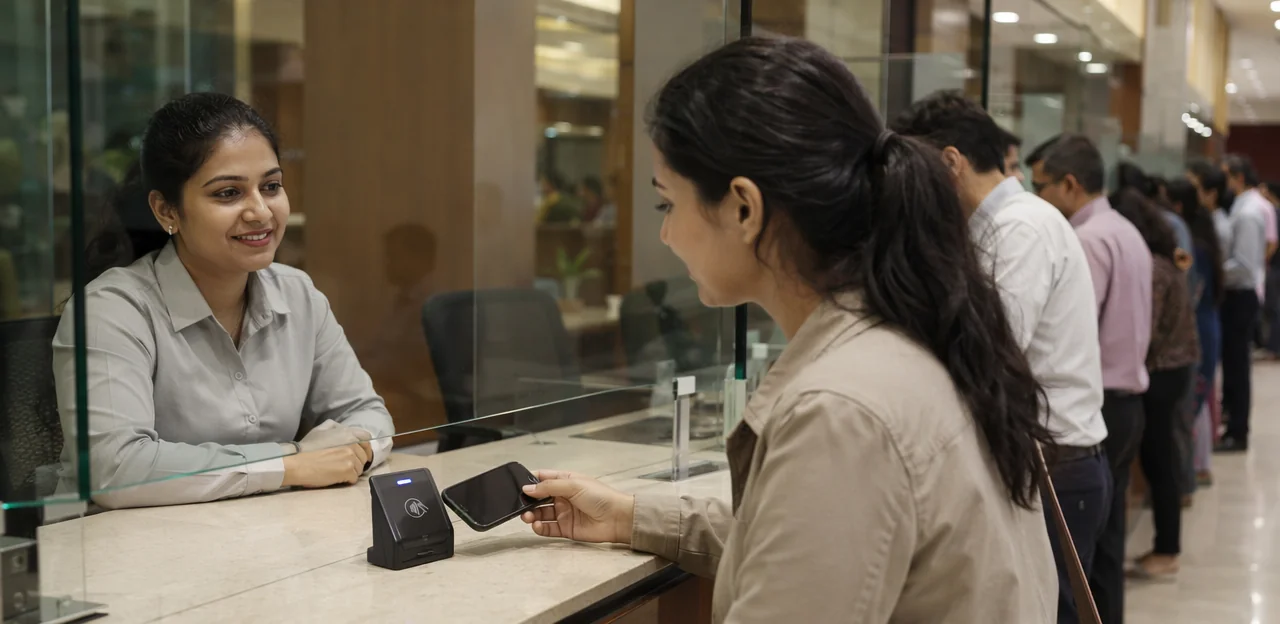
A great retail experience rarely depends on products alone. In stores, malls, and showrooms, customer perception is shaped by every touchpoint, from entrance flow and staff interactions to fitting rooms, checkout speed, cleanliness, and product availability. When businesses fail to capture those moments in real time, they risk losing valuable insight, repeat visits, and revenue. That is why retail feedback best practices matter so much for modern retail spaces.
Effective feedback strategies help retailers move beyond generic surveys and collect useful, location-specific insights that lead to better decisions. Whether you manage a flagship store, a shopping center, or a branded showroom, the right approach can reveal friction points, uncover service gaps, and improve the overall guest experience before dissatisfaction turns into negative reviews or lost sales. In some cases, tools like Tapsy can support this by making it easier to gather feedback directly at physical touchpoints.
This article explores the most important retail feedback best practices for creating stronger customer experiences across retail environments. You’ll learn how to collect feedback at the right moments, choose the right channels and software, respond to issues faster, and turn customer insights into measurable improvements in service, operations, and retail experience design.
Why Retail Feedback Matters Across Physical Retail Spaces

The role of feedback in modern retail experience
Retail feedback is the structured collection of shopper opinions, ratings, and comments across the buying journey—from entrance and product discovery to checkout and after-sales service. For stores, malls, and showrooms, it is essential because it turns everyday interactions into clear signals for improvement.
Why it matters:
- Improves customer satisfaction: identifies pain points like long queues, poor signage, or unhelpful staff.
- Builds loyalty: acting on customer feedback in retail shows shoppers their voice matters.
- Strengthens operations: reveals recurring issues in staffing, merchandising, cleanliness, or service flow.
- Enhances the retail experience: helps teams refine touchpoints that influence repeat visits and spend.
Following retail feedback best practices means collecting feedback in real time, reviewing trends by location, and closing the loop quickly. Tools like Tapsy can help capture in-the-moment insights at physical touchpoints.
How guest experience shapes revenue and retention
In physical retail, guest experience directly influences sales, loyalty, and reputation. Shoppers who feel welcomed, supported, and understood are more likely to buy now and return later. That is why retail feedback best practices should connect sentiment data to store performance.
- Higher conversion rates: Positive in-store interactions reduce friction, build trust, and increase purchase confidence.
- Stronger repeat visits: Consistently strong customer satisfaction retail scores often lead to better retail customer retention and higher lifetime value.
- Better brand perception: Clean spaces, helpful staff, and fast issue resolution shape how customers talk about your brand online and offline.
- Faster recovery: Real-time tools such as Tapsy can help stores catch problems at the moment they happen and protect future revenue.
Track feedback by touchpoint, act quickly, and reward return visits.
Differences between stores, malls, and showrooms
Effective retail feedback best practices start with matching your approach to the format:
- Stores: Prioritize fast, transaction-based store feedback. Shoppers usually have a short, focused journey, so ask about staff helpfulness, product availability, checkout speed, and cleanliness at exit points or receipts.
- Malls: Mall customer feedback should capture broader experience factors across longer, less predictable visits. Focus on navigation, parking, security, restrooms, events, and tenant mix. Use kiosks, QR codes, and zone-based prompts in high-traffic common areas.
- Showrooms: Showroom feedback should reflect a longer, consultative journey. Measure advisor knowledge, product demonstrations, wait times, financing clarity, and follow-up quality.
Because foot traffic and journey complexity differ, collection timing matters. Real-time touchpoint tools such as Tapsy can help capture format-specific insights while the experience is still fresh.
Retail Feedback Best Practices for Collecting Actionable Insights

Ask at the right moments in the customer journey
One of the most important retail feedback best practices is choosing the right moment to ask. Well-timed customer journey feedback feels relevant, increases response rates, and gives teams clearer insight into what actually happened.
- After purchase: Send a short post-purchase survey retail message within a few hours or by the next day to measure checkout ease, product availability, and overall satisfaction.
- After staff interaction: Ask immediately after help from sales associates, fitting room teams, or service desks to evaluate knowledge, friendliness, and problem resolution.
- After product demos: Capture reactions while details are fresh, especially in showrooms selling furniture, electronics, or appliances.
- After a mall visit: Use exit-based prompts to learn about navigation, cleanliness, parking, and tenant mix.
Strong in-store feedback timing means asking close to the experience, but not interrupting it. Tools like Tapsy can help collect quick, touchpoint-level feedback in real time.
Use the right channels for in-store and on-site feedback
Choosing the right customer feedback channels is central to retail feedback best practices. The best retail survey methods match the moment, location, and shopper intent.
- QR codes: Fast, low-cost, and easy to place on shelves, fitting rooms, or exits. Great for touchpoint-specific feedback, but participation depends on signage and mobile use.
- SMS: High open rates and ideal after service or pickup. However, it requires consent and careful timing.
- Email: Useful for longer post-visit surveys and richer insights, but response rates are often lower.
- Kiosks and tablets: Strong in-store feedback tools for immediate, on-site responses in malls, stores, and showrooms. They’re visible and convenient, but need maintenance and staff oversight.
- Receipts: Printed or digital receipts can prompt feedback after checkout, though many customers ignore them.
- Mobile surveys: Flexible and easy to personalize, but keep them short to reduce drop-off.
For example, tools like Tapsy can support QR-based, no-app feedback at key retail touchpoints.
Keep surveys short, clear, and easy to complete
One of the most important retail feedback best practices is reducing effort for the customer. The easier a survey feels, the more responses you’ll get—and the better your data quality will be.
- Keep it short: Aim for 3–5 questions for in-store or post-visit feedback. Short feedback surveys consistently outperform longer forms, especially on mobile.
- Ask one thing at a time: Strong customer survey design uses simple, specific questions such as product availability, staff helpfulness, checkout speed, or store cleanliness.
- Use consistent rating scales: Stick to one scale format, such as 1–5 or 1–10, throughout the survey to avoid confusion and improve comparison.
- Make open-text optional: Add one prompt like “What could we improve today?” to capture context without slowing completion.
- Use clear language: Avoid jargon, double-barreled questions, or vague wording.
Tools like Tapsy can support fast, touchpoint-based feedback collection with minimal friction.
Choosing Retail Feedback Software That Fits Your Environment

Core features to look for in feedback platforms
To follow retail feedback best practices, choose a customer feedback platform that helps teams act fast, not just collect responses. Prioritize these must-have capabilities:
- Real-time alerts: Instantly notify store or mall managers when low ratings, service issues, or negative comments appear so teams can recover the experience before it becomes a public complaint.
- Omnichannel collection: Your retail feedback software should capture feedback across QR codes, SMS, email, kiosks, receipts, and in-store touchpoints.
- Dashboard reporting: A clear retail analytics dashboard should show trends, response rates, top issues, and team performance in one place.
- Sentiment analysis: Automatically detect positive, neutral, and negative themes in open-text comments.
- Location-level comparisons: Benchmark stores, showrooms, or mall units to spot underperforming locations quickly.
Solutions like Tapsy can support real-time, touchpoint-based feedback collection.
Software selection considerations for stores, malls, and showrooms
Choosing the right platform starts with how your retail environment operates. Strong retail feedback best practices depend on matching tools to your scale, team structure, and buying journey.
- Business size and locations: A single boutique may only need simple surveys, while chains benefit from multi-location retail software with centralized dashboards, benchmarking, and location-level alerts.
- Staffing model: Lean teams need automation, mobile alerts, and easy workflows. Larger teams may require role-based permissions and escalation paths.
- Customer journey: Stores need checkout and service-desk feedback, malls need zone- or tenant-level visibility, and showrooms benefit from specialized showroom feedback tools tied to consultations or product demos.
- Implementation fit: Prioritize fast deployment, clear reporting, and touchpoint-based capture. Solutions like Tapsy can support real-time, in-location feedback collection.
Integration, privacy, and ease of use
Strong retail feedback best practices depend on how well your feedback platform fits into daily operations. When feedback data connects with CRM, POS, and support tools, teams can act faster and personalize follow-up without creating extra manual work.
- Prioritize POS integration feedback so you can link responses to purchase timing, location, and transaction context.
- Sync with CRM and help desk systems to route complaints, flag loyal customers, and close the loop quickly.
- Protect customer data privacy retail by choosing tools with role-based access, encryption, consent management, and clear data retention policies.
- Select easy-to-use survey software that store staff can launch, understand, and manage with minimal training.
Platforms such as Tapsy can help by capturing feedback at physical touchpoints while keeping the process simple for both shoppers and teams.
Turning Feedback Into Better Guest and Retail Experiences

Identify patterns by location, team, and touchpoint
One of the most important retail feedback best practices is to segment responses before drawing conclusions. Strong retail feedback analysis should compare trends across stores, departments, showrooms, and mall zones so you can see where problems repeat and where high-performing experiences can be replicated.
- By location: Track satisfaction, complaint themes, and response volume by store, showroom, floor, or mall entrance to uncover location-based customer insights.
- By team: Compare feedback tied to sales associates, fitting room staff, cashiers, and service desks to identify coaching needs or standout performers.
- By touchpoint: Use touchpoint analysis retail to review checkout, fitting rooms, product demos, click-and-collect, parking, and wayfinding.
Look for recurring patterns such as long queues in one zone, poor product knowledge in a department, or weak showroom follow-up. Tools like Tapsy can help capture feedback at specific physical touchpoints, making trend analysis faster and more actionable.
Close the loop with customers and frontline teams
One of the most important retail feedback best practices is to close the feedback loop quickly and visibly. When customers leave negative comments, acknowledge them fast, thank them, and explain the action being taken. A delayed or generic reply can increase frustration, while a clear response builds trust.
- For negative feedback: respond within a defined timeframe, apologize when appropriate, and assign ownership so issues are fixed, not just logged.
- For positive feedback: recognize standout employees by name and share praise in team huddles to reinforce the behaviors you want repeated.
- For store improvement: turn recurring comments into simple action plans, then update staff on what changed.
Use feedback trends in frontline team coaching to address service gaps, product knowledge, queue management, or showroom presentation. Tools like Tapsy can help route comments in real time, making responding to customer feedback faster and more consistent.
Use feedback to improve staffing, layout, and service
One of the most practical retail feedback best practices is turning comments into clear operational changes that improve guest experience and support ongoing retail operations improvement. Use feedback trends to identify where shoppers feel friction, then act quickly:
- Employee training: If feedback mentions unclear answers or inconsistent service, coach associates on product knowledge, upselling, and issue resolution.
- Store design: Use store layout feedback to fix hard-to-find categories, narrow aisles, or poor signage that slows browsing.
- Queue management: If shoppers report long waits, adjust staffing by peak hours, open mobile checkout points, or add self-service options.
- Product displays: Comments about cluttered shelves or missing price tags can guide cleaner, more intuitive merchandising.
- Showroom consultations: If customers say demos feel rushed, refine consultation scripts, booking flow, and follow-up processes.
Tools like Tapsy can help capture real-time touchpoint feedback so teams can respond faster and improve continuously.
Common Mistakes to Avoid in Retail Feedback Programs

Collecting more responses does not automatically improve decisions. One of the most important retail feedback best practices is to avoid over-surveying shoppers or collecting data without a clear purpose. Too much outreach creates survey fatigue retail teams often underestimate, lowering response quality and participation.
- Define a focused feedback strategy tied to 2–3 operational priorities.
- Set clear customer feedback goals, such as reducing wait times or improving fitting-room cleanliness.
- Ask only questions linked to measurable KPIs and actions.
- Review feedback regularly and remove questions that do not drive decisions.
Ignoring frontline execution and accountability
Even strong retail feedback best practices fail when insights never reach the floor. Success depends on clear ownership, consistent retail staff training, and fast action from every store manager customer experience lead.
- Train teams to recognize common issues, respond appropriately, and log resolutions.
- Assign feedback accountability by role, shift, or department so nothing is ignored.
- Require managers to review trends weekly and close the loop with staff.
- Track follow-up times and recovery outcomes, not just survey scores.
Tools like Tapsy can help route issues quickly, but execution still drives results.
Failing to measure results over time
One of the biggest gaps in retail feedback best practices is collecting feedback without tracking performance trends. To prove customer experience ROI, stores should monitor consistent retail feedback KPIs such as:
- customer satisfaction scores
- NPS in retail
- response and participation rates
- repeat visits or return purchases
- issue resolution time and closure rates
Review these metrics weekly and monthly by location, team, or touchpoint. This helps identify what improves experience, where problems persist, and which actions deliver measurable business value. Tools like Tapsy can simplify ongoing tracking across physical retail spaces.
Building a Scalable Retail Feedback Strategy

Create a simple framework for rollout
Use a clear customer feedback framework to make your retail program rollout practical and measurable. Follow these retail feedback best practices:
- Set goals: Define what you want to improve, such as service speed, staff helpfulness, or showroom experience.
- Choose key touchpoints: Select where feedback matters most—entrances, checkout, fitting rooms, kiosks, or exits.
- Pick channels: Use SMS, email, QR codes, or in-store tablets based on shopper behavior.
- Assign owners: Give store managers, CX teams, or regional leaders clear follow-up responsibilities.
- Review and refine: Track results weekly and adjust your retail feedback strategy.
Tailor feedback workflows by retail format
Apply retail feedback best practices by matching the workflow to how people shop in each space:
- Standalone stores: Use a simple store feedback workflow at checkout or exit—1–2 rating questions plus an optional comment for speed.
- Shopping malls: Build a mall experience strategy with touchpoints at entrances, food courts, restrooms, and parking to capture location-specific issues.
- Appointment-based showrooms: Align feedback to the showroom customer journey—booking, consultation, product demo, and follow-up—with alerts for low scores so staff can recover concerns quickly.
Plan for continuous optimization
To apply retail feedback best practices consistently, build a simple review-and-improve cycle:
- Review survey performance monthly: track response rate, completion rate, drop-off points, sentiment trends, and location-level differences.
- Refine questions: remove low-value items, shorten long surveys, and update wording to match current store priorities.
- Test new channels: compare QR codes, SMS, email, kiosks, or tools like Tapsy to optimize customer feedback collection.
- Scale what works: share winning formats, alerts, and workflows across sites to strengthen the multi-location retail experience and support continuous improvement retail.
Conclusion
In today’s competitive retail environment, listening well is no longer optional. The strongest retail brands turn everyday interactions into actionable insight by following proven retail feedback best practices: collecting feedback at the right touchpoints, keeping surveys short and relevant, acting on issues in real time, and using data to improve both staff performance and the overall guest experience. Whether you manage a single showroom, a busy mall location, or a multi-store retail network, the goal is the same: make it easy for customers to share what they think, then use that input to create better experiences that drive loyalty and repeat visits.
The most effective retail feedback best practices also go beyond simply measuring satisfaction. They help uncover friction in the customer journey, identify trends across locations, and give teams the tools to resolve problems before they become negative reviews or lost sales. Solutions such as Tapsy can support this by enabling real-time, touchpoint-based feedback in physical spaces.
As a next step, audit your current feedback process, map your highest-impact customer touchpoints, and choose tools that support fast response and clear reporting. For continued improvement, explore resources on customer journey mapping, in-store experience design, and retail analytics. Start applying these retail feedback best practices now to turn customer insight into measurable business growth.
Frequently Asked Questions
- What is retail feedback and why is it important for physical retail spaces?
Retail feedback is the structured collection of shopper opinions, ratings, and comments across the buying journey, from entrance to checkout and after-sales service. It matters because it helps identify pain points, improve customer satisfaction, strengthen operations, and refine the retail experience in stores, malls, and showrooms.
- How does guest experience affect revenue and customer retention in retail?
A strong guest experience can increase conversion rates by reducing friction and building purchase confidence. It also supports repeat visits, stronger brand perception, and faster recovery when issues are caught and addressed quickly.
- How should feedback collection differ between stores, malls, and showrooms?
Stores usually need fast, transaction-based feedback focused on staff helpfulness, product availability, checkout speed, and cleanliness. Malls should capture broader experience factors like navigation, parking, security, restrooms, events, and tenant mix, while showrooms should measure advisor knowledge, demos, wait times, financing clarity, and follow-up quality.
- When is the best time to ask customers for retail feedback?
The best time is close to the experience without interrupting it. Good moments include shortly after purchase, immediately after staff assistance, after product demos, or at mall exits when details are still fresh.
- Which feedback channels work best for in-store and on-site retail experiences?
Useful channels include QR codes, SMS, email, kiosks, tablets, receipts, and mobile surveys. The right choice depends on the location, the shopper's intent, and how quickly you want feedback, with QR codes and kiosks being especially useful for touchpoint-specific, on-site responses.
- How long should a retail feedback survey be?
In-store or post-visit surveys should usually be kept to 3–5 questions. Short surveys with simple wording, one topic at a time, and optional open-text comments tend to reduce effort and improve response quality.
- What features should retailers look for in feedback software?
Key features include real-time alerts, omnichannel collection, dashboard reporting, sentiment analysis, and location-level comparisons. These capabilities help teams move beyond collecting responses and act on issues quickly across different retail locations.
- How do you choose feedback software for a single store versus a multi-location retail business?
A single boutique may only need simple survey tools, while chains benefit from centralized dashboards, benchmarking, and location-level alerts. The right platform should also match staffing needs, customer journey complexity, and how quickly teams need to respond.
- Why do integration and privacy matter in a retail feedback platform?
Integration with POS, CRM, and help desk systems helps teams connect feedback to transactions, personalize follow-up, and route complaints faster. Privacy matters because retailers should protect customer data with role-based access, encryption, consent management, and clear data retention policies.
- How can retailers analyze feedback more effectively across locations and teams?
Responses should be segmented by location, team, and touchpoint before drawing conclusions. Comparing stores, departments, mall zones, checkout areas, fitting rooms, or service teams helps reveal recurring problems and identify high-performing experiences worth repeating.
- What does it mean to close the loop on retail feedback?
Closing the loop means responding quickly and visibly to customer comments and making sure issues are addressed, not just recorded. It also includes sharing positive feedback with frontline teams, recognizing strong performance, and turning recurring comments into action plans.
- How can customer feedback improve staffing, layout, and service in retail?
Feedback can highlight where associates need coaching, where signage or store layout creates confusion, and where queues are too long. It can also guide improvements to product displays, merchandising, consultation flow, and follow-up processes in showrooms.
- What common mistakes should retailers avoid in feedback programs?
Retailers should avoid over-surveying customers, collecting data without a clear purpose, and asking questions that are not tied to measurable actions. Another major mistake is failing to assign ownership, train staff, and ensure managers review trends and follow up consistently.
- Which KPIs should be tracked to measure retail feedback results over time?
Useful KPIs include customer satisfaction scores, NPS, response and participation rates, repeat visits or return purchases, and issue resolution time. Reviewing these weekly and monthly by location, team, or touchpoint helps show what is improving and where problems continue.
- What is a practical way to build a scalable retail feedback strategy?
Start with a simple framework: set goals, choose key touchpoints, pick the right channels, assign owners, and review results regularly. Then tailor workflows by retail format and keep optimizing by refining questions, testing channels, and scaling the approaches that work best.