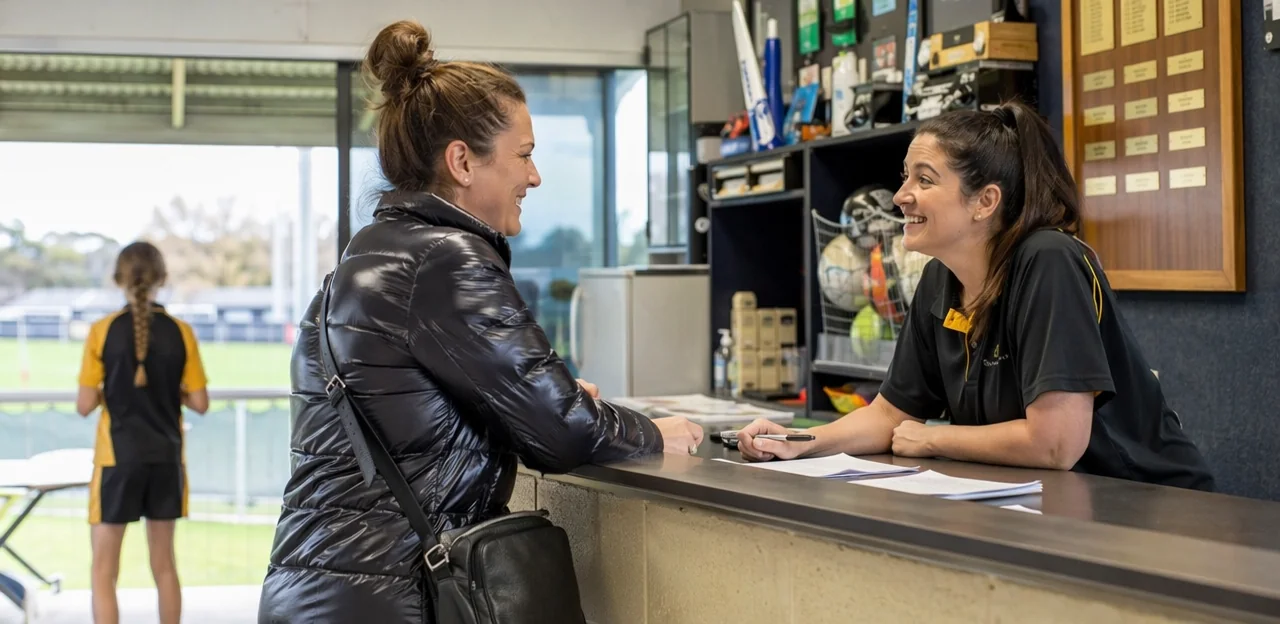
What keeps members coming back to a sports club often goes far beyond the match, the training session, or the final score. It is the smooth check-in at reception, the cleanliness of the changing rooms, the clarity of communication, the condition of the facilities, and the way small issues are handled before they become bigger frustrations. Behind every great club experience is a complex operational engine, and understanding how that engine performs starts with one essential tool: sports club operations feedback.
For sports associations and clubs, feedback is not just about satisfaction surveys. It is a practical way to identify service gaps, improve day-to-day processes, support staff and volunteers, and create a better environment for members, athletes, parents, and visitors. When collected consistently and acted on quickly, it can strengthen retention, boost engagement, and help clubs run more efficiently.
This article explores how sports club operations feedback can uncover hidden pain points, improve customer experience behind the scenes, and support smarter decisions across facilities, events, and member services. It will also look at effective ways clubs can gather timely input, respond to issues faster, and use tools such as Tapsy to create continuous improvement at every touchpoint.
Why sports club operations feedback matters

The link between operations and member experience
Members rarely separate service from systems. Their member experience is shaped by everyday operational moments, including:
- fast, friendly check-in
- accurate class scheduling and timely updates
- clean, safe facilities
- clear communication from staff
- quick, fair issue resolution
When these parts of club operations run smoothly, the overall sports club customer experience feels professional and trustworthy. When they fail, satisfaction drops quickly, even if coaching or programs are strong.
That is why sports club operations feedback matters. It helps clubs spot friction points, fix recurring problems, and respond before frustration leads to cancellations. Collect feedback at key touchpoints, track patterns weekly, and assign clear owners to resolve issues fast. Tools like Tapsy can help capture real-time feedback where the experience happens.
Common behind-the-scenes issues clubs overlook
Many sports club operations problems start small but repeat often enough to frustrate members and staff. Strong sports club operations feedback helps clubs spot these patterns before they damage trust.
- Booking conflicts: Double-booked courts, pitches, or classes create avoidable tension and make the club feel disorganized.
- Understaffing: Thin reception, coaching, or maintenance coverage leads to slow responses and poor member support.
- Unclear policies: Confusing rules around cancellations, guest access, payments, or facility use often become major club management issues.
- Maintenance delays: Broken equipment, poor lighting, or unclean changing areas quickly affect satisfaction and safety.
- Inconsistent communication: Mixed messages across email, staff, and social channels undermine confidence.
Using regular facility operations feedback—and tools like Tapsy for fast issue reporting—helps clubs fix friction early and improve reliability.
Who should provide operational feedback
To make sports club operations feedback useful, collect input from every group that experiences the club differently. A complete view helps improve daily service, safety, communication, and overall sports association operations.
- Members: Share firsthand member feedback on facilities, scheduling, cleanliness, and value.
- Coaches: Highlight training logistics, equipment gaps, and communication issues that affect sessions.
- Front-desk staff: Provide practical staff feedback on check-ins, payments, peak-time bottlenecks, and common member questions.
- Volunteers: Spot event-day friction, staffing shortages, and process inefficiencies.
- Parents: Offer insight into communication, safeguarding, transport, and youth program experience.
- Administrators: Identify patterns in bookings, complaints, staffing, and resource allocation.
Use short, role-specific surveys at key touchpoints to capture timely, actionable feedback.
How to collect useful feedback across club operations

Best feedback channels for sports clubs
Choosing the right customer feedback channels depends on the type of issue you want to uncover in sports club operations feedback:
- Sports club feedback survey: Best for tracking patterns over time, such as satisfaction with scheduling, facilities, or communication. Use short pulse surveys after seasons or monthly.
- Suggestion forms: Useful for collecting ideas anonymously, especially when members want to share improvements without making a formal complaint.
- Post-event check-ins: Ideal right after matches, tournaments, or training sessions, when operational details are still fresh.
- Staff debriefs: Great for surfacing behind-the-scenes issues like staffing gaps, equipment delays, or check-in bottlenecks.
- Complaint logs and online reviews: Best for spotting recurring service failures and reputation risks.
- Direct interviews: Most effective for deeper insight from coaches, parents, volunteers, or long-term members.
For faster capture at physical touchpoints, clubs can also use operations feedback tools like Tapsy to collect real-time input.
Questions that uncover operational pain points
To make sports club operations feedback useful, ask focused questions that reveal friction in day-to-day service. The best feedback questions for sports clubs encourage specific, measurable answers rather than vague opinions.
- Scheduling: “How satisfied were you with class, court, or training session times this month?”
- Communication: “How clearly did the club communicate schedule changes or event updates?”
- Cleanliness: “How would you rate the cleanliness of changing rooms, showers, and shared spaces today?”
- Staffing responsiveness: “How quickly did staff resolve your issue or answer your question?”
- Equipment availability: “Were the equipment and facilities you needed available when you arrived?”
- Digital booking systems: “How easy was it to book, reschedule, or cancel through our online system?”
Use rating scales, time-based measures, and optional comment fields in every member satisfaction survey to identify recurring operational pain points and prioritize improvements.
How to increase response quality and participation
To improve sports club operations feedback, make it easy, timely, and worth answering. Better design helps increase survey response rate while also producing more honest, actionable feedback.
- Ask at the right moment: Send surveys right after training, matches, events, or facility use, when details are still fresh.
- Keep it simple: Use 3–5 focused questions and one optional comment box. Short surveys reduce drop-off.
- Make forms mobile-friendly: Most members respond on phones, so use fast, clean forms with large buttons and minimal typing.
- Offer anonymity options: Anonymous responses often reveal issues members may hesitate to share openly.
- Show visible follow-up: Share what changed based on feedback, such as updated schedules or repaired equipment. This builds trust and strengthens sports club member engagement.
Tools like Tapsy can also help capture quick, in-the-moment feedback at club touchpoints.
Turning feedback into operational improvements

Prioritizing issues by impact and urgency
To turn sports club operations feedback into action, sort every issue by how much it affects members and how quickly it needs attention. This helps you prioritize operational improvements without overloading staff or budget.
- Quick wins: Low-cost, high-visibility fixes such as unclear signage, slow check-in, or poor communication about class times. These deliver fast trust and support sports club process improvement.
- Medium-term fixes: Problems that appear often but need planning, such as booking workflow changes, staff training, or equipment maintenance schedules.
- Strategic improvements: High-impact, higher-cost issues like facility upgrades, safeguarding processes, or major scheduling system changes.
Use four filters in your service improvement plan:
- Member impact – how strongly it affects satisfaction or retention
- Frequency – how often the issue appears
- Cost and effort – time, budget, and staffing required
- Operational risk – safety, compliance, or reputational consequences
A simple scoring matrix can make decisions faster and more consistent.
Improving scheduling, staffing, and communication
Using sports club operations feedback consistently helps clubs spot where daily friction happens and fix it fast. Focus on patterns in comments, attendance, and complaints to improve sports club scheduling, staffing efficiency, and club communication improvement.
- Refine timetables: Review feedback by session, day, and age group to identify overcrowded classes, unpopular time slots, or repeated booking conflicts. Shift high-demand sessions, add buffer time, and balance court or pitch use more effectively.
- Reduce wait times: Track comments about reception queues, check-in delays, and equipment handout bottlenecks. Then adjust arrival windows, simplify sign-in, or stagger session start times.
- Improve staff coverage: Use peak-time feedback to align coaches, front-desk staff, and volunteers with busy periods, reducing service gaps.
- Strengthen communication: Share cancellations, timetable changes, and policy updates through consistent channels and early notice. Tools like Tapsy can help clubs collect real-time feedback at key touchpoints.
Fixing facility and equipment experience issues
Sports club operations feedback helps clubs spot recurring issues before they become bigger safety or satisfaction problems. When members regularly mention poor lighting, worn flooring, crowded changing rooms, or damaged gear, that insight should feed directly into facility management decisions.
- Plan maintenance proactively: Track repeated complaints to schedule repairs before issues disrupt training or matches.
- Raise cleaning standards: Use feedback by location to identify toilets, showers, gyms, or seating areas that need more frequent cleaning checks.
- Prioritize equipment maintenance and replacement: If members report broken machines, unsafe goalposts, or worn balls and mats, create a replacement timeline based on usage and risk.
- Improve space usage: Comments about congestion or poor layout can guide changes to booking systems, storage, and traffic flow across sports club facilities.
Tools like Tapsy can help capture issue reports at the exact touchpoint where problems happen.
Building a feedback system that staff can sustain

Creating a repeatable feedback workflow
A consistent feedback workflow turns one-off comments into a reliable continuous improvement system for your club. Keep the club operations process simple and scheduled:
- Collect feedback weekly from members, parents, coaches, and volunteers through short surveys, QR touchpoints, or staff logs.
- Review submissions in a fixed weekly meeting, grouping issues by category, urgency, and location.
- Assign ownership to one responsible person per issue, with clear action steps and deadlines.
- Resolve and confirm completion, then update the original feedback record.
- Report internally each month on trends, repeat issues, response times, and completed fixes.
For effective sports club operations feedback, use a shared tracker or a tool like Tapsy to centralize updates and accountability.
Getting staff and coaches involved
To make sports club operations feedback useful, it must become part of everyday team culture, not a blame exercise. Build staff engagement by showing staff and coaches that feedback helps fix problems faster and improve member experience.
- Train teams to spot patterns: Encourage staff to notice repeated complaints, delays, facility issues, or communication gaps.
- Create a simple logging process: Use a shared form or tool so coach feedback and operational issues are recorded consistently.
- Invite ideas, not just problems: Ask teams to suggest practical improvements during regular check-ins.
- Lead from the top: Strong sports club leadership should review feedback openly, thank contributors, and focus on solutions.
Tools like Tapsy can also help capture and route issues quickly.
Using technology to track trends and actions
Technology makes sports club operations feedback easier to collect, organize, and act on consistently. Instead of relying on scattered emails or verbal comments, clubs can use connected tools to spot patterns and improve faster:
- CRM systems store member history, complaints, and follow-ups in one place.
- Survey platforms capture quick feedback after training, events, or facility use.
- Booking software highlights friction points such as cancellations, no-shows, or peak-time issues.
- An operations dashboard brings this data together to reveal recurring problems, response times, and satisfaction trends.
The right sports club software supports better feedback tracking, helping managers assign actions, monitor fixes, and measure progress over time. Tools like Tapsy can also help capture real-time, location-based feedback.
Measuring success after operational changes

Key metrics to monitor
To make sports club operations feedback useful, track a small set of clear, repeatable KPIs that show whether operational changes are improving the member experience:
- Member retention: Monitor renewals, cancellations, and drop-off points to spot loyalty risks early.
- Attendance rates: Compare bookings to actual participation by session, coach, or facility.
- Complaint volume and themes: Track how many issues are raised and which problems appear most often.
- Response and resolution time: Measure how quickly staff acknowledge and fix issues.
- Booking errors: Watch for double bookings, missed reservations, and scheduling conflicts.
- Staff productivity: Review tasks completed, turnaround times, and service consistency.
- Satisfaction scores: Use customer satisfaction metrics such as CSAT or NPS to evaluate trends.
Together, these sports club KPIs reveal what is working and where to improve next.
How to close the feedback loop with members
To close the feedback loop, clubs should always tell members what changed, why it changed, and what results they expect. In sports club operations feedback, this step turns comments into visible action and shows members their input matters.
- Share the change: Explain what was improved, such as scheduling, facilities, or communication.
- Explain the reason: Link the update directly to member feedback.
- Set expectations: Outline the benefit members should notice, like faster check-ins or cleaner changing rooms.
Strong member communication creates trust and transparency. When clubs regularly report outcomes, members are more likely to keep participating, offer honest feedback, and support future improvements.
When to review and adjust your approach
A strong sports club management strategy should include a clear review cycle so sports club operations feedback leads to measurable action, not one-off fixes. Review results monthly, with a deeper quarterly check, and add extra reviews before peak periods, new seasons, or major growth phases.
- Track outcomes: Compare feedback trends, repeat complaints, response times, and member satisfaction scores.
- Spot new pressure points: Growth, staffing changes, and seasonal demand often create fresh operational issues.
- Adjust priorities: Shift resources toward the areas causing the biggest friction for members, parents, and staff.
- Close the loop: Share what changed and what improved.
This supports continuous operational improvement and keeps standards consistent as the club evolves.
Best practices for sports associations and clubs

Adapting feedback systems for different club sizes
Effective sports club operations feedback should match the scale and complexity of each organisation. For sports associations and clubs, the best approach is to build scalable feedback systems that fit staffing and decision-making capacity.
- Small community clubs: Use simple monthly surveys, QR feedback points, or short post-event check-ins. Keep action planning focused on 1–2 priority fixes at a time.
- Multi-site clubs: Standardise questions across locations, then compare trends by venue, team, or programme to improve club size operations consistently.
- Larger associations: Combine automated dashboards, role-based alerts, and scheduled review meetings so issues are routed quickly and improvements are tracked centrally.
Tools like Tapsy can help clubs collect fast, location-based feedback without adding operational complexity.
Balancing operational efficiency with personal service
Strong clubs improve operational efficiency without losing the human touch that members value. The best approach is to automate routine tasks while keeping staff visible, helpful, and responsive when it matters most. Use sports club operations feedback to identify where convenience can increase and where personal interaction should stay front and center.
- Simplify admin: Offer easy booking, digital payments, and clear scheduling updates.
- Respond quickly: Route issues fast and acknowledge feedback so members feel heard.
- Keep it personal: Use names, remember preferences, and tailor communication by age group or activity.
- Protect community connection: Create regular touchpoints with coaches, volunteers, and staff.
This balance strengthens personalized member experience and raises overall sports club service quality.
A simple action plan clubs can start today
Use this sports club action plan to turn sports club operations feedback into visible improvements fast:
- Choose feedback channels: collect input where experiences happen—email, short post-session surveys, QR codes in facilities, or tools like Tapsy for quick on-site responses.
- Identify top issues: review comments weekly and group them into recurring themes such as scheduling, cleanliness, communication, or equipment.
- Assign owners: give each issue a clear staff lead and deadline.
- Communicate changes: tell members what was heard and what is being fixed.
- Measure results over 30, 60, and 90 days: track response rates, issue resolution times, and satisfaction scores as part of your operations improvement checklist and member experience strategy.
Conclusion
In the end, great member experiences are built long before game day. From cleaner facilities and smoother scheduling to better communication, faster issue resolution, and stronger volunteer support, the clubs that stand out are the ones that listen to what happens behind the scenes. That is why sports club operations feedback matters so much. It turns everyday touchpoints into practical insight, helping clubs identify friction early, fix problems faster, and create an environment where members, athletes, parents, and staff feel supported.
A consistent approach to sports club operations feedback also makes improvement measurable. Instead of relying on assumptions or occasional surveys, clubs can gather timely input across training sessions, events, shared spaces, and service interactions. Over time, that feedback becomes a roadmap for better retention, stronger engagement, and a more reliable club experience.
The next step is simple: review your current feedback process and look for the moments where members are most likely to share honest input. Start small, track patterns, and act visibly on what you learn. If you want to streamline this process, tools like Tapsy can help collect real-time feedback at key club touchpoints. For continued progress, build a regular review cycle, monitor recurring issues, and give your team the resources to turn feedback into action.
Frequently Asked Questions
- What is sports club operations feedback?
Sports club operations feedback is input about how the club runs behind the scenes, not just how enjoyable a match or training session was. It covers areas like check-in, scheduling, cleanliness, communication, staffing, facilities, and issue resolution.
- Why does operational feedback matter for member retention?
Members judge the club through everyday service moments such as fast reception, clean changing rooms, and clear updates. When those systems fail repeatedly, frustration grows and cancellations become more likely.
- What common operational problems should clubs watch for?
Clubs should look for booking conflicts, understaffing, unclear policies, maintenance delays, and inconsistent communication. These issues often start small but can damage trust when they happen repeatedly.
- Who should be asked to provide feedback on club operations?
Useful feedback should come from members, coaches, front-desk staff, volunteers, parents, and administrators. Each group sees different parts of the experience, from training logistics and safeguarding to bookings, complaints, and peak-time bottlenecks.
- Which feedback channels work best for sports clubs?
Different channels suit different goals. Short surveys help track patterns over time, suggestion forms support anonymous ideas, post-event check-ins capture fresh detail, staff debriefs reveal internal issues, and interviews provide deeper insight.
- What questions help uncover operational pain points?
The most useful questions focus on specific service areas such as scheduling, communication, cleanliness, staff responsiveness, equipment availability, and digital booking. Rating scales, time-based questions, and an optional comment box make the answers easier to compare and act on.
- How can a club improve feedback response rates and quality?
Ask for feedback right after training, events, or facility use while the experience is still fresh. Keep forms short, make them mobile-friendly, allow anonymous responses, and show visible follow-up so people see that their input leads to change.
- How should clubs prioritize issues found through feedback?
A practical approach is to sort issues into quick wins, medium-term fixes, and strategic improvements. Clubs can score each issue by member impact, frequency, cost and effort, and operational risk to decide what to address first.
- How can feedback improve scheduling and staffing decisions?
Comments, attendance patterns, and complaints can show overcrowded sessions, unpopular time slots, check-in delays, and service gaps at busy times. Clubs can then adjust timetables, add buffer time, stagger starts, and align staff and volunteers with peak demand.
- How does operational feedback help with facilities and equipment?
Repeated reports about lighting, flooring, changing rooms, or damaged gear can guide maintenance and replacement decisions. Clubs can use that input to plan repairs earlier, raise cleaning frequency, and improve space usage before problems grow.
- What does a sustainable feedback workflow look like for a sports club?
A repeatable workflow includes collecting feedback weekly, reviewing it in a scheduled meeting, assigning one owner per issue, confirming when the fix is complete, and reporting trends monthly. A shared tracker or centralized tool helps keep accountability clear.
- How can staff and coaches be involved without making feedback feel like blame?
Feedback works better when teams are trained to spot patterns and log issues consistently, not defend themselves. Leaders should review feedback openly, thank contributors, and focus discussions on practical fixes and improvement ideas.
- What technology can support sports club feedback tracking?
CRM systems can store member history and follow-ups, survey platforms can collect quick responses, booking software can reveal cancellations and scheduling friction, and dashboards can combine trends in one place. Tools like Tapsy can also capture real-time, location-based feedback at club touchpoints.
- Which metrics should clubs monitor after making operational changes?
Clubs should track retention, attendance, complaint volume and themes, response and resolution time, booking errors, staff productivity, and satisfaction scores such as CSAT or NPS. These measures show whether changes are improving the member experience or whether more adjustment is needed.
- How can clubs close the feedback loop with members?
Clubs should explain what changed, why it changed, and what benefit members should expect to notice. Regular updates on improvements such as cleaner facilities, faster check-ins, or clearer scheduling help build trust and encourage future feedback.