In today’s hospitality landscape, great food and coffee are only part of what keeps guests coming back. Restaurants and cafés are under growing pressure to deliver faster service, more personalized interactions, and seamless digital touchpoints that turn one-time visitors into loyal regulars. That is exactly why interest in tapsy ai restaurants cafes is growing: operators want smarter ways to capture feedback in the moment, understand guest behavior, and improve service without adding friction to the customer journey.
As AI becomes more practical for everyday operations, businesses are exploring ai for customer experience to strengthen loyalty, reduce missed opportunities, and make better decisions from real guest data. From instant feedback collection and customer sentiment analysis ai to personalized offers and a more effective loyalty rewards program for restaurants, AI is reshaping how hospitality brands engage diners. It also supports modern loyalty card programs for restaurants and helps create memorable experiences for restaurants with rewards that want to stand out in a crowded market.
This article explores how ai can improve customer experience, highlights useful ai customer experience examples, and looks at how NFC and QR touchpoints can help restaurants and cafés gather insights, boost retention, and build stronger relationships with every guest interaction.
Why Tapsy AI matters for restaurants and cafés
The shift toward AI-powered hospitality
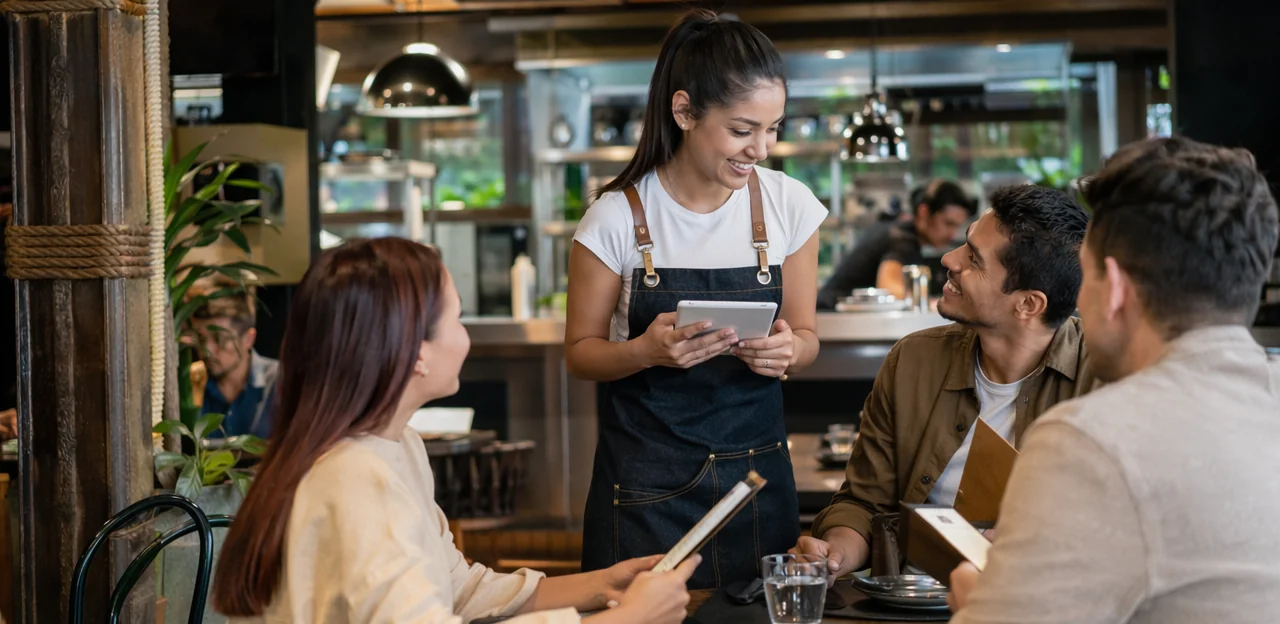
Restaurants and cafés are adopting AI to do more with less: streamline service, personalize offers, and respond faster to guest needs. As labor costs rise and expectations for seamless digital service grow, tapsy ai restaurants cafes becomes especially relevant because it connects real-time feedback, touchpoint data, and smarter engagement in one flow.
- Use customer sentiment analysis ai to spot service issues before they turn into poor reviews.
- Apply ai for customer experience to tailor promotions, timing, and messages based on guest behavior.
- Combine AI insights with a loyalty rewards program for restaurants or loyalty card programs for restaurants to turn one-time visitors into restaurants with rewards success stories.
These are practical ai customer experience examples that show how ai can improve customer experience while supporting leaner operations.
Key challenges restaurants and cafés need to solve
Restaurants and cafés often struggle with a few recurring operational gaps:
- Slow service and bottlenecks: Delays at ordering, payment, or table turns hurt satisfaction. tapsy ai restaurants cafes can surface friction points fast and show how ai can improve customer experience in real time.
- Fragmented customer data: Feedback, POS history, and loyalty activity often sit in separate systems, limiting ai for customer experience decisions.
- Low repeat visits: Without a strong loyalty rewards program for restaurants or modern loyalty card programs for restaurants, retention suffers.
- Inconsistent feedback collection: Sporadic surveys miss issues. Customer sentiment analysis ai helps track patterns continuously.
- Limited personalization: Practical ai customer experience examples include tailored offers for restaurants with rewards based on visit behavior and sentiment.
What makes Tapsy AI different
What sets tapsy ai restaurants cafes apart is how it connects the guest moment to daily operations without adding friction.
- Instant feedback at the table or counter: NFC and QR touchpoints let guests respond in seconds, creating practical ai customer experience examples instead of delayed survey data.
- Actionable insight, not just reports: Built-in customer sentiment analysis ai helps teams spot service issues, menu trends, and repeat complaints fast.
- Stronger retention: Feedback can trigger a loyalty rewards program for restaurants, making it easier to turn one-time visitors into restaurants with rewards regulars.
- Operations and marketing in one flow: This shows how ai can improve customer experience while supporting offers, follow-ups, and smarter loyalty card programs for restaurants.
That makes it useful ai for customer experience, not just analytics.
How AI improves customer experience in hospitality
Personalization across the guest journey
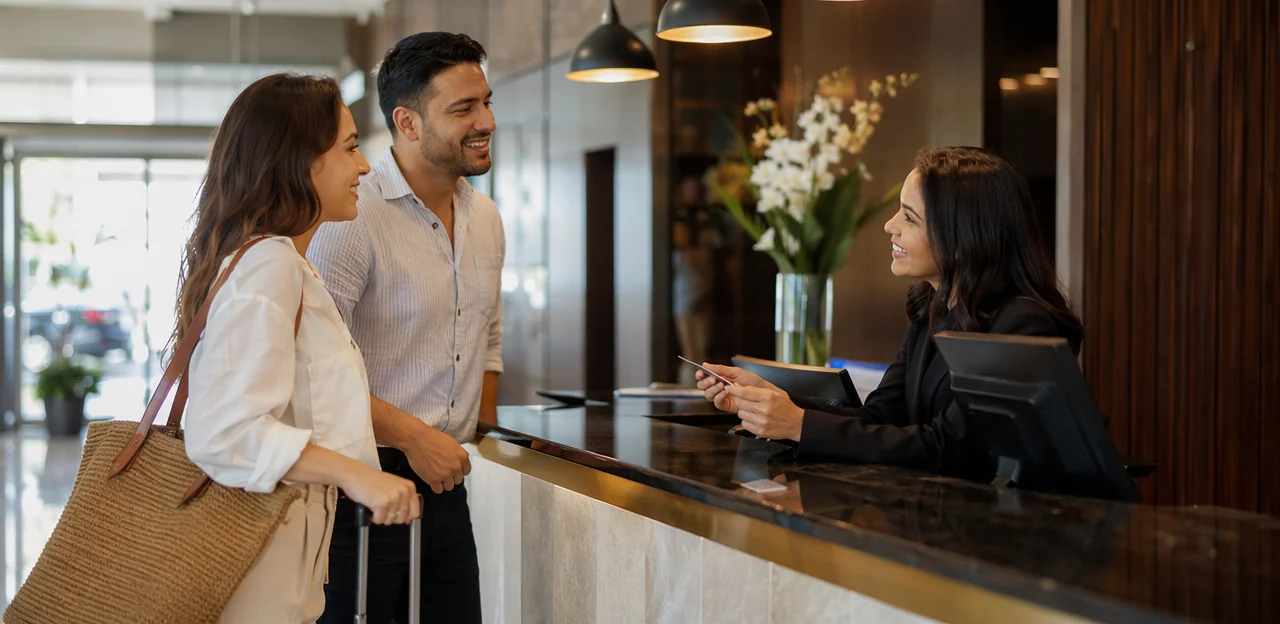
With tapsy ai restaurants cafes, personalization can begin before the order and continue after the visit. AI uses visit history, favorite items, spend patterns, timing, and feedback to tailor messages that feel useful instead of generic—showing how ai can improve customer experience in practical ways.
- Recommend menu items based on past orders, dietary preferences, or time of day
- Trigger a loyalty rewards program for restaurants with offers matched to guest behavior
- Adapt promotions for first-time diners, regulars, and lapsed customers
- Use customer sentiment analysis ai to identify unhappy guests and send recovery offers quickly
- Strengthen loyalty card programs for restaurants with personalized perks guests are more likely to redeem
These are strong ai customer experience examples because they make dining more relevant, timely, and rewarding. For restaurants with rewards, AI-driven personalization supports better retention, higher repeat visits, and smarter ai for customer experience across every touchpoint.
Faster service and smarter engagement
In tapsy ai restaurants cafes, AI helps teams respond faster without making service feel robotic. Smart NFC and QR touchpoints let guests scan, browse menus, reorder, request help, or leave feedback in seconds, reducing wait times and easing pressure on staff. This is one of the clearest ai customer experience examples: friction drops, while convenience stays personal.
- Quicker responses: AI routes requests like table assistance, allergy questions, or bill payment to the right staff member instantly.
- Streamlined ordering: Digital flows shorten decision time, support upsells, and connect naturally with a loyalty rewards program for restaurants.
- Smarter engagement: Real-time customer sentiment analysis ai helps managers spot issues early and recover service before a bad review happens.
- Better retention: Easy rewards, including loyalty card programs for restaurants, encourage repeat visits and support restaurants with rewards strategies.
This shows how ai can improve customer experience through practical, human-centered service.
Using sentiment data to improve satisfaction
With tapsy ai restaurants cafes, operators can turn every review, tap, and QR feedback moment into practical action. Customer sentiment analysis ai helps spot patterns early, so small frustrations do not become public complaints.
- Catch service issues faster: Identify repeated mentions of slow table turns, unfriendly staff, or order mistakes by shift, day, or location.
- Improve menu performance: Track sentiment around taste, portion size, pricing, and dietary options to refine dishes based on real guest feedback.
- Resolve recurring complaints: Use feedback loops to flag common pain points and assign fixes before they affect loyalty.
This is one of the clearest ai customer experience examples because it connects insight to measurable change: better ratings, fewer complaints, and stronger repeat visits. Combined with a loyalty rewards program for restaurants or loyalty card programs for restaurants, ai for customer experience shows exactly how ai can improve customer experience while helping build stronger restaurants with rewards strategies.
Using NFC and QR touchpoints to connect digital and in-store experiences
Contactless touchpoints that drive action
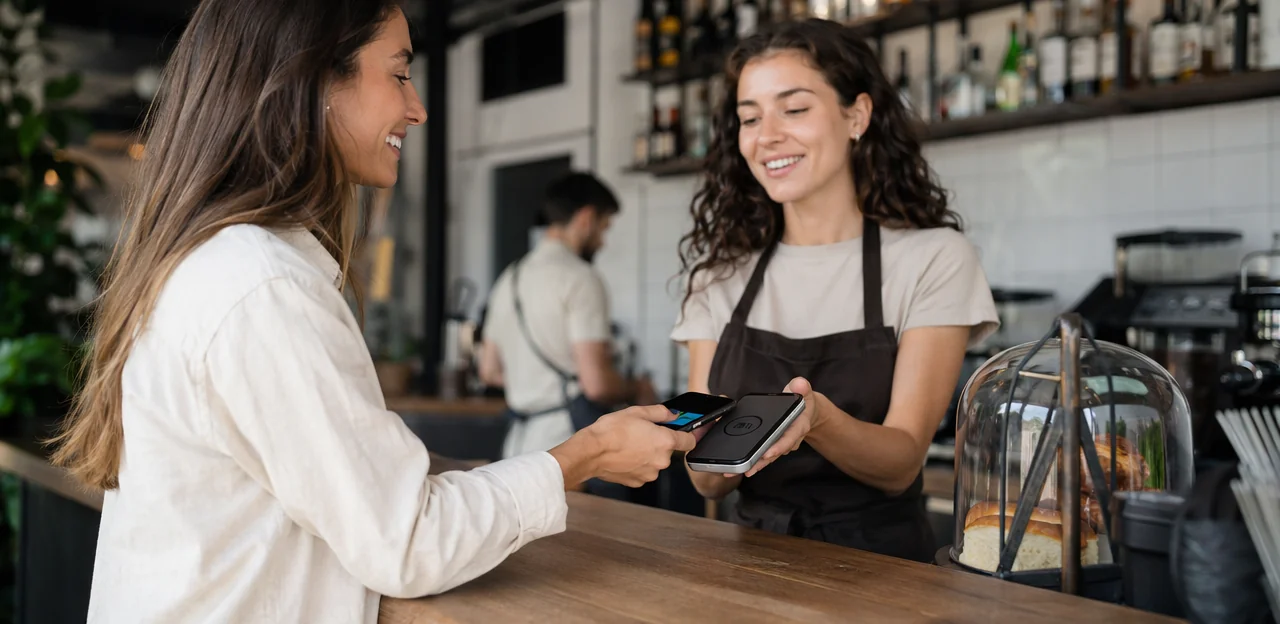
With tapsy ai restaurants cafes, NFC and QR touchpoints turn every table, counter, and takeaway bag into a fast path to action. Guests can tap or scan to:
- open digital menus instantly
- place or repeat orders with fewer delays
- submit feedback before they leave
- join a loyalty rewards program for restaurants
- unlock timely offers for restaurants with rewards
This reduces friction, supports ai for customer experience, and improves conversion at the moment of intent. For operators, each interaction creates cleaner first-party data, stronger loyalty card programs for restaurants, and richer customer sentiment analysis ai insights. It’s one of the clearest ai customer experience examples showing how ai can improve customer experience while speeding service and boosting repeat visits.
Turning every table, counter, or receipt into a conversion point
With tapsy ai restaurants cafes, every physical touchpoint can become part of a seamless guest journey. QR codes and NFC tags placed on tables, counters, takeaway bags, windows, and receipts let diners tap instantly to join a loyalty rewards program for restaurants, leave feedback, or unlock offers.
- At tables: promote upsells, dessert offers, and loyalty card programs for restaurants
- On takeaway packaging: drive repeat orders with time-limited rewards for restaurants with rewards
- On windows and counters: capture walk-ins after hours
- On receipts: collect reviews and power customer sentiment analysis ai
This is practical ai for customer experience: frictionless engagement, smarter retention, and real ai customer experience examples that show how ai can improve customer experience.
Best practices for touchpoint design and adoption
To make tapsy ai restaurants cafes effective, design each QR and NFC interaction to feel helpful, fast, and rewarding.
- Place touchpoints where intent is highest: menus, table tents, pickup counters, receipts, and exits. This supports ai for customer experience without interrupting the meal.
- Use clear calls to action: try phrases like “Tap for a quick reward” or “Scan to rate today’s visit.” This works well for restaurants with rewards and loyalty card programs for restaurants.
- Optimize for mobile speed: keep forms short, browser-based, and easy to complete with one hand.
- Train staff to introduce value naturally: explain benefits such as a loyalty rewards program for restaurants, faster issue resolution, and customer sentiment analysis ai insights.
These are practical ai customer experience examples that show how ai can improve customer experience.
Building loyalty and repeat visits with AI-driven rewards
Why loyalty matters more than one-time traffic
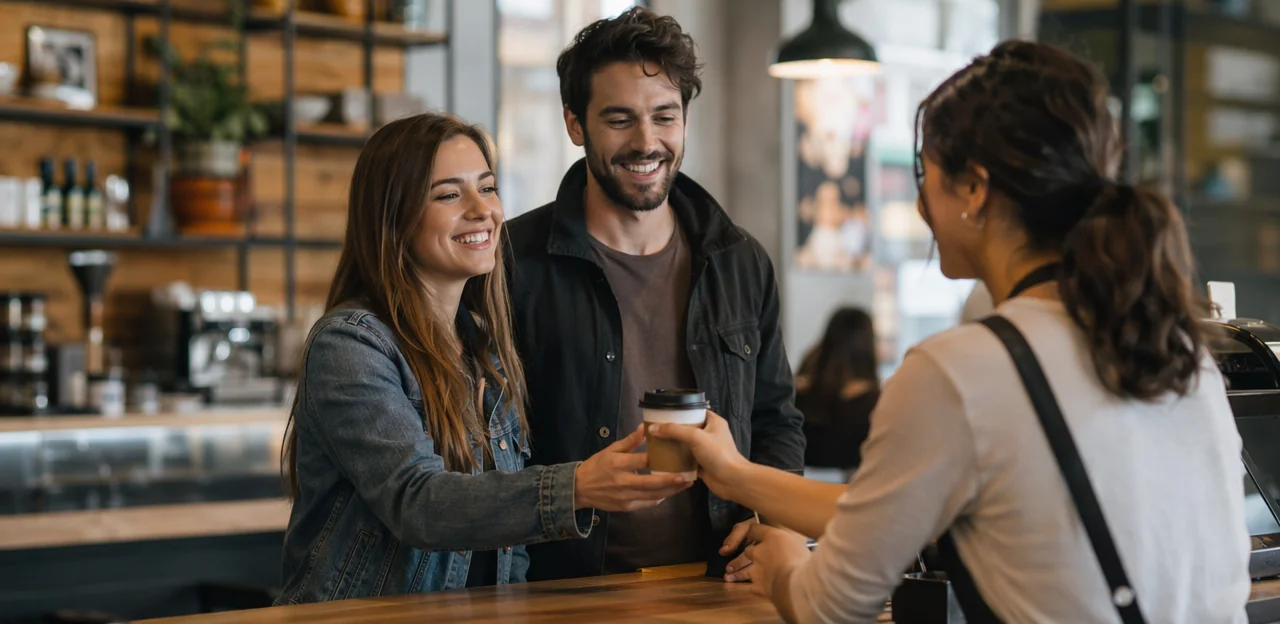
For tapsy ai restaurants cafes, sustainable growth comes from turning first-time guests into regulars. One-off traffic can fill tables, but repeat visits drive stronger margins because retained customers usually cost less to convert and spend more over time. A well-designed loyalty rewards program for restaurants can increase visit frequency, lift average order value, and build long-term customer value.
- Increase frequency: Give guests a reason to return with points, instant perks, or visit-based rewards.
- Raise spend: Smart upsell offers within loyalty card programs for restaurants can encourage add-ons, bundles, and premium choices.
- Improve experience: Using ai for customer experience, operators can personalize rewards based on behavior and preferences.
- Act on feedback: Customer sentiment analysis ai helps identify what keeps guests loyal and what pushes them away.
Among the best ai customer experience examples are restaurants with rewards that combine real-time feedback, tailored offers, and data-driven retention. This is exactly how ai can improve customer experience while making loyalty more profitable.
Designing loyalty card programs for restaurants that guests actually use
Effective loyalty card programs for restaurants are simple, rewarding, and easy to join. For tapsy ai restaurants cafes, the best-performing programs usually include:
- Frictionless sign-up: let guests join with a tap or scan at the table, counter, or receipt page—no long forms.
- Digital loyalty cards: replace paper punch cards with mobile-friendly cards guests can access instantly.
- Clear reward structures: offer achievable perks like “buy 5 coffees, get 1 free,” surprise upgrades, or visit-based bonuses as part of a strong loyalty rewards program for restaurants.
- Personalized incentives: use visit frequency, favorite items, and timing patterns to send offers guests actually want.
This is where ai for customer experience adds value. AI can identify drop-off risk, recommend better rewards, and show how ai can improve customer experience through smarter targeting. Strong ai customer experience examples include lunch offers for weekday regulars and dessert rewards for high-spend diners. Combined with customer sentiment analysis ai, restaurants with rewards can continuously refine offers that drive repeat visits.
How Tapsy AI supports smarter loyalty strategies
tapsy ai restaurants cafes helps operators turn loyalty data into timely, relevant action across every guest touchpoint. Instead of treating rewards as one-size-fits-all, restaurants can connect visit patterns, feedback, and customer profiles to build a more effective loyalty rewards program for restaurants.
- Smarter segmentation: Group guests by frequency, spend, preferences, and sentiment to improve targeting beyond basic loyalty card programs for restaurants.
- Better campaign timing: Use analytics to trigger offers after a positive visit, during drop-off risk, or at quiet trading periods.
- More relevant rewards: Match incentives to what guests actually value, from free drinks to menu-specific promotions, helping restaurants with rewards increase redemption.
- Stronger experience insights: With customer sentiment analysis ai, teams can see how ai can improve customer experience by linking feedback to loyalty behavior.
This is practical ai for customer experience in action and one of the clearest ai customer experience examples for hospitality brands.
AI analytics for restaurant operations and decision-making
From raw data to actionable insights
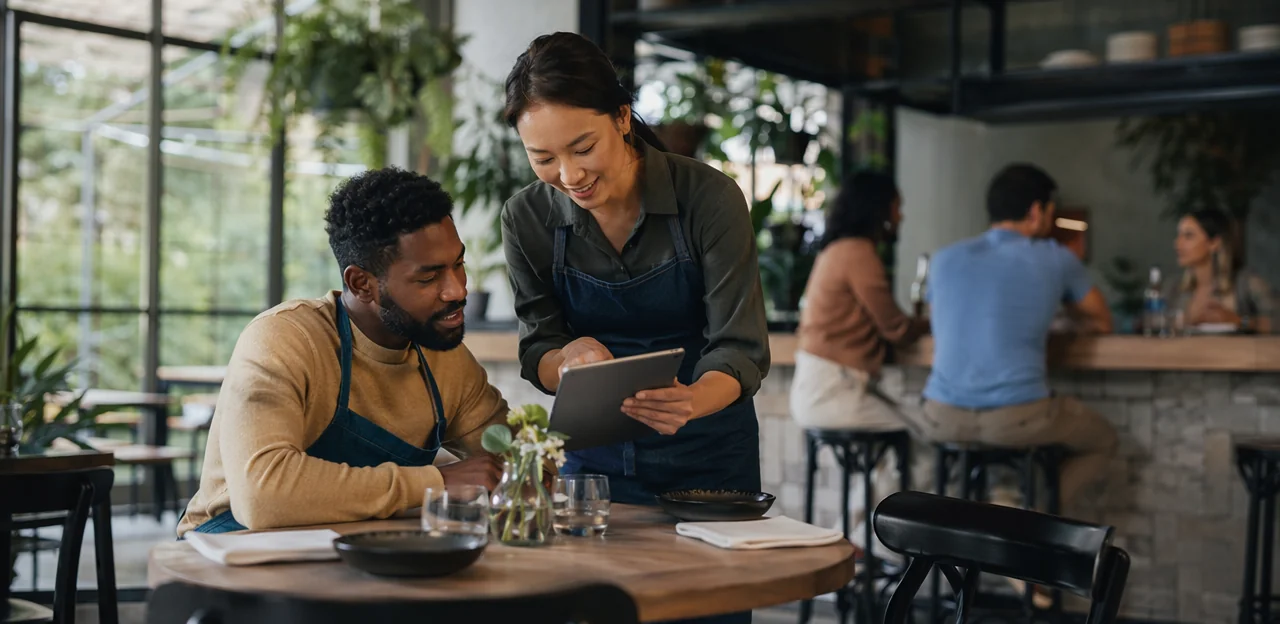
With tapsy ai restaurants cafes, operators can turn everyday guest interactions into decisions that raise margins and service quality. Instead of collecting feedback and sales data in separate places, AI highlights what matters most:
- Peak-hour patterns: Identify rush periods, staffing gaps, and slower windows to optimize schedules and table turnover.
- Customer preferences: Use customer sentiment analysis ai and order trends to spot favorite dishes, service pain points, and upsell opportunities.
- Campaign performance: Measure which offers drive redemptions, visits, and revenue, improving every loyalty rewards program for restaurants.
- Repeat behavior: Track return frequency and engagement to refine loyalty card programs for restaurants and attract more restaurants with rewards customers.
These are practical ai customer experience examples that show how ai can improve customer experience while boosting efficiency and profitability.
Operational improvements managers can measure
With tapsy ai restaurants cafes, managers can connect guest feedback to clear operational KPIs instead of relying on guesswork. Useful metrics include:
- Reduced service bottlenecks: Track wait-time complaints, table-turn delays, and ordering friction through customer sentiment analysis ai to spot recurring pain points by shift, station, or location.
- Stronger promotion performance: Measure redemption rates, repeat visits, and offer response from a loyalty rewards program for restaurants or loyalty card programs for restaurants to see which campaigns actually drive revenue.
- Improved review scores: Use ai for customer experience to detect issues before guests post public reviews.
- Better retention: Monitor return frequency, reward usage, and feedback trends across restaurants with rewards for practical ai customer experience examples that show how ai can improve customer experience.
Examples of AI-informed decisions in restaurants and cafés
Practical ai customer experience examples show how tapsy ai restaurants cafes can turn live guest input into smarter action:
- Adjust staffing to demand: Use visit patterns, dwell time, and feedback volume to schedule more staff during peak lunch or weekend rushes.
- Refine menu promotions: Combine sales data with customer sentiment analysis ai to promote dishes guests praise and rework items with repeated complaints.
- Target lapsed guests: Identify guests who have not returned and send tailored offers through a loyalty rewards program for restaurants or loyalty card programs for restaurants.
- Respond faster to issues: Spot rising complaints about wait times, food temperature, or service tone early and fix them before reviews spread.
This is ai for customer experience in action and a clear example of how ai can improve customer experience for restaurants with rewards.
Implementation tips and the future of AI in restaurants and cafés
How to start with the right AI use cases
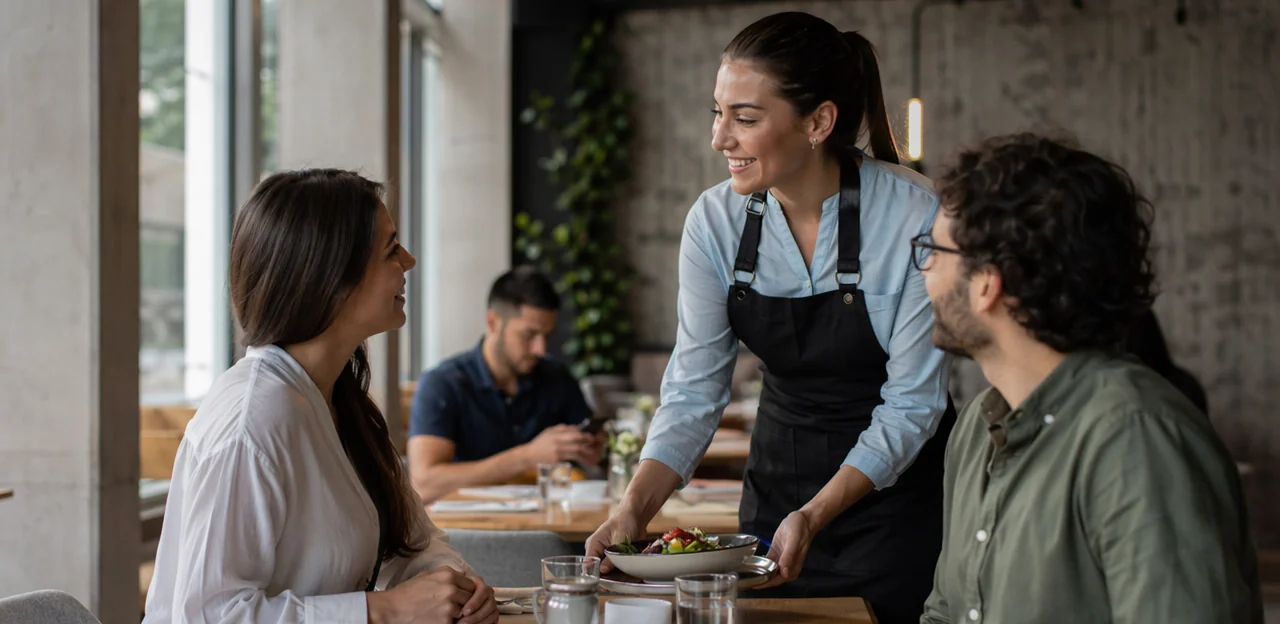
To get the most from tapsy ai restaurants cafes, start with simple, high-impact wins your team and guests will actually use. Focus on tools that improve service without adding friction.
- Loyalty first: Launch a loyalty rewards program for restaurants or modernize loyalty card programs for restaurants to turn occasional visitors into restaurants with rewards that drive repeat visits.
- Capture feedback instantly: Use QR or NFC touchpoints at tables, counters, or exits to collect real-time input and power customer sentiment analysis ai.
- Track customer analytics: Review visit patterns, offer redemptions, and satisfaction trends to see how ai can improve customer experience.
- Keep adoption easy: The best ai for customer experience tools require minimal staff training and no app download for guests.
These are practical ai customer experience examples that scale fast.
Common mistakes to avoid
When implementing tapsy ai restaurants cafes, avoid mistakes that weaken long-term results:
- Overcomplicating the journey: Too many steps, questions, or offers reduce participation. Keep ai for customer experience simple, fast, and mobile-friendly.
- Skipping staff training: Teams should know how touchpoints, rewards, and feedback flows work. This is essential to show how ai can improve customer experience in daily service.
- Ignoring privacy expectations: Be transparent about what data you collect and why, especially when running a loyalty rewards program for restaurants or loyalty card programs for restaurants.
- Collecting data without action: Use customer sentiment analysis ai to spot trends, fix issues, and refine restaurants with rewards strategies. The best ai customer experience examples always turn insight into visible improvements.
What the future looks like for hospitality brands
The next wave of growth will belong to brands using tapsy ai restaurants cafes strategies to turn every visit into a smarter, more personal journey. Expect progress in:
- AI-powered personalization: tailored offers, menu prompts, and a stronger loyalty rewards program for restaurants
- Predictive loyalty: using customer sentiment analysis ai to identify churn risk and improve loyalty card programs for restaurants
- Omnichannel guest journeys: connecting in-store QR/NFC touchpoints, feedback, and follow-up messages for better ai for customer experience
- Smarter operations: applying insights from ai customer experience examples to staffing, service recovery, and promotions
Brands that adopt early will build stronger data, better restaurants with rewards, and a clear edge in how AI can improve customer experience.
Conclusion
In a market where every visit matters, tapsy ai restaurants cafes gives operators a smarter way to turn everyday guest interactions into measurable growth. By combining NFC and QR touchpoints with real-time feedback, actionable analytics, and instant engagement, restaurants and cafés can better understand what guests want, respond faster, and build stronger long-term loyalty. This is where ai for customer experience becomes practical: from capturing in-the-moment opinions to using customer sentiment analysis ai to uncover patterns that improve service, menus, and operations.
Just as importantly, how ai can improve customer experience is no longer theoretical. The best ai customer experience examples are the ones that remove friction, reward participation, and help venues create memorable moments. Whether you are exploring a loyalty rewards program for restaurants, modernizing loyalty card programs for restaurants, or looking for better ways to compete with other restaurants with rewards, the opportunity is clear: connect feedback, rewards, and insight in one seamless experience.
If you are ready to elevate guest satisfaction and repeat visits, now is the time to explore what tapsy ai restaurants cafes can do for your business. Review your current feedback journey, identify key touchpoints, and consider solutions like Tapsy to help turn customer insight into action.
Frequently Asked Questions
- What is Tapsy AI for restaurants and cafés?
Tapsy AI is presented as a way for restaurants and cafés to connect guest feedback, touchpoint data, analytics, and loyalty actions in one flow. It uses QR and NFC interactions to help operators capture feedback quickly, understand guest behavior, and improve service with less friction.
- How can AI improve customer experience in restaurants and cafés?
AI can improve customer experience by personalizing offers, speeding up service interactions, and helping teams respond to issues faster. It also supports real-time feedback collection and sentiment analysis so operators can make better decisions based on actual guest behavior.
- Why are restaurants and cafés adopting AI-powered hospitality tools?
Restaurants and cafés are adopting AI tools to streamline service, personalize engagement, and respond more quickly to guest needs. Rising labor costs and higher expectations for seamless digital experiences make practical, low-friction tools more valuable.
- What problems can Tapsy AI help restaurants solve?
It can help address slow service, fragmented customer data, low repeat visits, inconsistent feedback collection, and limited personalization. The focus is on surfacing friction points quickly and turning guest interactions into useful operational and marketing actions.
- How does customer sentiment analysis help a hospitality business?
Customer sentiment analysis helps teams detect recurring issues such as slow service, order mistakes, or negative reactions to menu items before they become larger problems. It also helps managers identify patterns by shift, day, or location and act on them more quickly.
- How do QR codes and NFC touchpoints support restaurant growth?
QR codes and NFC touchpoints give guests a fast way to open menus, place repeat orders, leave feedback, join loyalty programs, or unlock offers. For operators, these interactions create cleaner first-party data and more opportunities to improve retention and conversion.
- Where should restaurants place QR or NFC touchpoints for the best results?
High-intent locations include tables, menu stands, pickup counters, takeaway bags, receipts, windows, and exits. These placements make it easier for guests to act at the right moment without interrupting the dining experience.
- What makes a loyalty program effective for restaurants?
An effective loyalty program is simple to join, easy to understand, and rewarding enough to encourage repeat visits. Clear rewards, mobile-friendly access, and personalized incentives based on guest behavior make programs more useful and more likely to be redeemed.
- How can AI make restaurant loyalty rewards more relevant?
AI can segment guests by frequency, spend, preferences, timing, and sentiment to improve targeting. That allows restaurants to send offers after positive visits, during drop-off risk, or at quieter periods with rewards that better match what guests value.
- What are some practical examples of AI-driven personalization in restaurants?
Examples include recommending menu items based on past orders, dietary preferences, or time of day, and sending tailored offers to first-time diners, regulars, or lapsed customers. AI can also identify unhappy guests and trigger recovery offers quickly.
- How can managers use AI analytics to improve operations?
Managers can use AI analytics to identify peak-hour patterns, staffing gaps, service bottlenecks, menu trends, and campaign performance. These insights help improve scheduling, refine promotions, and connect guest feedback to measurable operational changes.
- What metrics should restaurants track when using AI for customer experience?
Useful metrics include wait-time complaints, table-turn delays, ordering friction, review scores, repeat visits, reward usage, and offer redemption rates. Tracking these measures helps show whether service, retention, and promotion performance are improving.
- How should a restaurant start using AI without overcomplicating the guest journey?
A practical starting point is to focus on simple, high-impact use cases such as instant feedback collection, QR or NFC touchpoints, and a loyalty program that is easy to join. Tools that require minimal staff training and no app download for guests are positioned as the easiest to adopt.
- What common mistakes should restaurants avoid when implementing AI tools?
Common mistakes include adding too many steps, skipping staff training, ignoring privacy expectations, and collecting data without acting on it. Keeping interactions fast, transparent, and tied to visible improvements helps avoid weak adoption and poor results.
- How is Tapsy AI different from using analytics alone?
The difference described is that Tapsy AI connects real-time guest moments to action instead of only producing reports. It combines feedback, sentiment analysis, loyalty triggers, and QR or NFC touchpoints so operations and marketing work together in one flow.