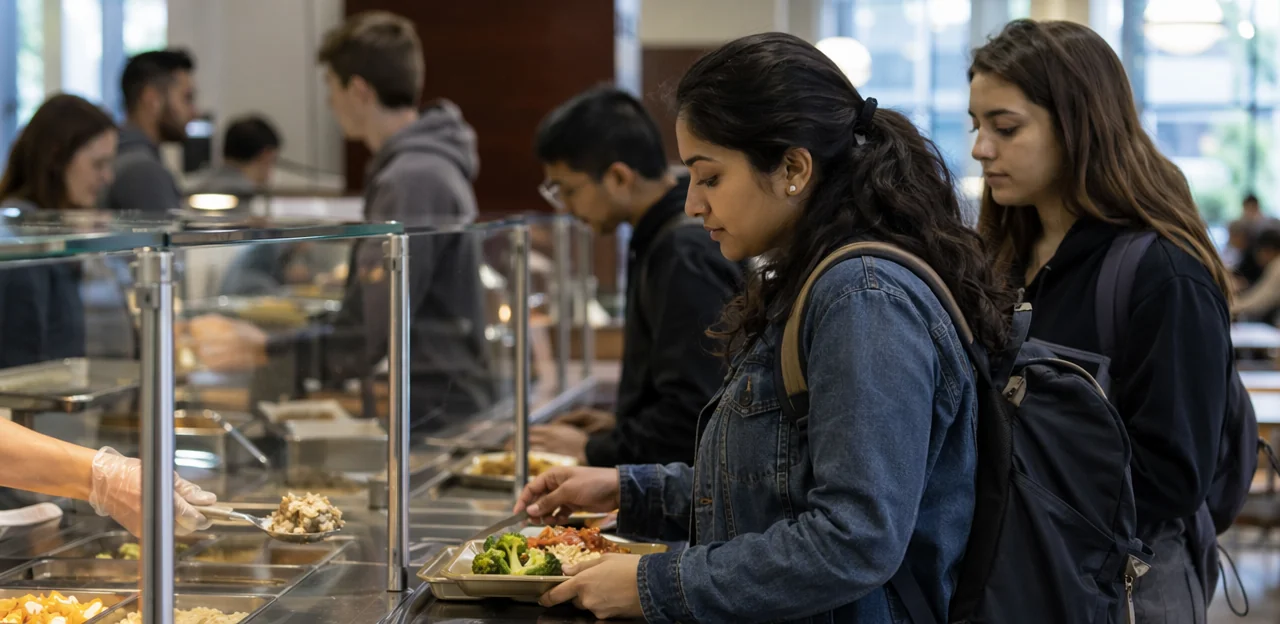
A busy campus cafeteria can shape the student experience as much as the classroom itself. Long queues between lectures, inconsistent food quality, limited healthy choices, and rising prices all influence how students feel about their day—and about the institution as a whole. That is why student feedback for cafeterias has become an essential tool for schools, colleges, and universities looking to improve dining services in practical, measurable ways.
When students can quickly share what they think about meals, waiting times, portion sizes, cleanliness, and overall value, cafeteria teams gain more than opinions—they gain operational insight. Feedback helps identify what is working, where friction is building, and which changes will have the biggest impact on satisfaction, efficiency, and spend. In an environment where budgets are tight and expectations are high, those insights can directly support better ROI and smarter pricing decisions.
This article explores how education providers can measure the factors that matter most: food quality, queue experience, and perceived value for money. It also looks at how real-time feedback methods, including touchpoint-based tools such as Tapsy, can help campuses respond faster, improve restaurant operations, and create a better everyday dining experience for students.
Why student feedback matters in campus dining

The role of feedback in the student experience
Cafeterias shape far more than mealtimes. They affect energy, mood, social connection, and how students feel about daily life on campus. Strong student feedback for cafeterias helps institutions spot issues early and improve the wider student experience.
- Wellbeing: Food quality, dietary choice, cleanliness, and queue times directly influence stress, concentration, and routine.
- Perception: Poor campus dining satisfaction can make students feel the institution is unresponsive, even if academics are strong.
- Retention and reputation: Dining is a daily touchpoint, so consistent feedback helps protect satisfaction scores, word of mouth, and campus reputation.
To act on feedback, track trends by location, time, and issue type, then communicate visible improvements back to students.
How feedback supports education and campus decision-making
Student feedback for cafeterias gives leaders across education and campus settings a practical basis for better decisions. Instead of relying on assumptions, schools, colleges, and universities can use campus dining feedback and cafeteria survey data to identify what needs attention and where budgets will have the biggest impact.
- Improve services: Spot recurring issues with food quality, queue times, seating, hygiene, or pricing.
- Manage vendors better: Use trend data to review supplier performance, contract compliance, and menu satisfaction.
- Allocate resources wisely: Adjust staffing, opening hours, stock levels, and equipment based on demand patterns.
With evidence-based planning, campuses can justify investments, compare locations, and track whether changes actually improve the student experience.
Linking feedback to ROI and pricing outcomes
Student feedback for cafeterias should be treated as a revenue and retention tool, not just a satisfaction metric. When campuses connect comments on food quality, queues, and affordability to spending patterns, they can improve ROI and pricing with clearer evidence.
- Increase meal plan uptake: Identify what students see as strong meal plan value and adjust menus, portions, or hours accordingly.
- Reduce complaints and waste: Fix recurring pain points early to lower service recovery costs and avoid lost sales.
- Support retention: Better dining experiences contribute to overall student satisfaction and campus loyalty.
- Refine cafeteria pricing strategy: Use feedback to test price sensitivity, bundle offers, and premium options without undermining perceived value.
Tools like Tapsy can help capture real-time, location-specific insights.
What to measure: food, queues, and value

Measuring food quality, choice, and consistency
For effective student feedback for cafeterias, focus on the food metrics students notice most every day. Strong food quality feedback should measure both satisfaction and consistency across meals, outlets, and times of day.
Key areas to track include:
- Taste and overall enjoyment
- Freshness and ingredient quality
- Serving temperature
- Portion size and perceived value
- Nutrition and healthier options
- Dietary inclusivity for vegetarian, vegan, halal, gluten-free, and allergy-aware needs
- Menu variety and repeat fatigue
Turn these into simple survey questions using 1–5 scales, such as:
- “How would you rate today’s meal for taste?”
- “Was the food served fresh and at the right temperature?”
- “Did the portion size feel fair for the price?”
- “Did you find options that matched your dietary needs?”
- “How satisfied are you with menu variety this week?”
Set benchmarks by tracking average scores, repeat complaints, and differences by location or meal period. This helps improve cafeteria food quality while aligning menus with real student dining preferences.
Tracking queue times and service efficiency
Queue feedback is one of the most practical parts of student feedback for cafeterias because long waits quickly damage satisfaction, repeat visits, and perceived value. To improve cafeteria queue times and overall service efficiency, track both operational data and student sentiment together.
- Measure wait times: record average time from joining the line to receiving food, and from checkout entry to payment completion.
- Monitor line speed: calculate how many students are served every 5, 10, or 15 minutes at each station.
- Identify peak-period congestion: compare breakfast, lunch, and class-change rushes to spot bottlenecks by day, menu station, or location.
- Review checkout performance: track payment delays, cashier throughput, and failed transactions that slow service flow.
- Map service flow: note where queues build up most often, such as tray pickup, hot food counters, or payment points.
Real-time tools such as QR touchpoint surveys or platforms like Tapsy can capture immediate feedback at busy stations, helping campus restaurant operations fix issues before they become recurring complaints.
Understanding value for money and pricing perception
For students, value for money is rarely about price alone. In student feedback for cafeterias, perceptions of cost are shaped by what students receive and how easy the experience feels.
Students typically judge student dining value through:
- Price vs. portion size: Does the meal feel filling enough for the cost?
- Food quality: Freshness, taste, nutrition, and consistency all affect pricing acceptance.
- Convenience: Fast service, short queues, and accessible locations can justify slightly higher prices.
- Meal plan flexibility: Students value options such as rollover balances, mix-and-match meals, and choices for different budgets.
To measure affordability and fairness, cafeterias can track:
- Ratings on whether meals feel “worth the price”
- Feedback by item, time of day, and student segment
- Comparison of full-price purchases vs. meal plan usage
- Comments on hidden costs, limited options, or inconsistent portions
Strong cafeteria pricing feedback helps operators adjust bundles, portion standards, and low-cost choices to improve perceived fairness and overall satisfaction.
How to collect student feedback effectively

Choosing the right feedback channels
For effective student feedback for cafeterias, match the channel to the dining moment and the type of insight you need:
- Cafeteria surveys / campus dining surveys: Best for termly or monthly check-ins on food quality, pricing, variety, and overall satisfaction. Use for trend tracking.
- QR code forms: Ideal at exits, tables, or tray return points for fast, in-the-moment responses about queues, cleanliness, or meal value. Tools like Tapsy can support this no-app approach.
- Kiosk prompts: Useful in high-traffic halls for one-tap ratings right after checkout.
- Mobile apps: Best when students already use a campus app and you want repeat feedback from frequent diners.
- Social listening: Helps spot emerging complaints or praise, but should complement—not replace—structured student feedback tools.
- Comment cards: Good backup for low-tech settings.
- Focus groups: Best for deeper insights when redesigning menus, pricing, or service flow.
Writing better questions for useful insights
Strong student feedback for cafeterias starts with short, neutral questions that are easy to answer in the moment. A good dining hall survey should combine rating scales with one optional comment box so you capture both trends and context.
- Keep questions specific: Ask about one topic at a time, such as food taste, queue speed, cleanliness, or value.
- Use unbiased wording: Avoid leading phrases like “How great was today’s lunch?”
- Mix quantitative and qualitative formats:
- “How would you rate today’s food quality?” (1–5)
- “How long did you wait in line?” (Under 5 min / 5–10 min / 10+ min)
- “How clean was the dining area?” (1–5)
- “Did today’s meal feel good value for money?” (Yes/No)
- “What should we improve?”
These survey questions for cafeterias and student feedback questions make results easier to act on and compare over time.
Improving response rates and data quality
To make student feedback for cafeterias useful, focus on both survey response rates and feedback data quality:
- Ask at the right time: Trigger surveys immediately after lunch or dinner, when food quality, queue times, and value are still fresh.
- Keep it short: Aim for 3–5 questions with one optional comment box. Short surveys improve student survey participation and reduce drop-off.
- Use light incentives: Offer small rewards such as prize draws, meal vouchers, or loyalty points without making feedback feel transactional.
- Sample smartly: Collect responses across different days, meal periods, campuses, and student groups to ensure representative feedback.
- Communicate clearly: Explain why feedback matters, what will change, and how often students will be asked to avoid fatigue.
Tools like Tapsy can help capture quick, in-the-moment responses at cafeteria touchpoints.
Turning feedback into operational improvements

Using feedback to improve menus and food offer
Student feedback for cafeterias is most useful when comments are grouped into clear menu themes and turned into small, measurable changes. Dining teams can use this input to drive real menu improvement and smarter cafeteria food improvements across the term.
- Taste and quality: Track repeated comments on flavour, temperature, freshness, and portion size, then adjust recipes or suppliers.
- Variety and inclusion: Review requests for more global dishes, rotating specials, allergen-safe meals, and better plant-based and healthy choices.
- Test before full rollout: Pilot new items on one service line or for one week, then compare sales, waste, and student ratings.
- Validate with students: Use quick polls, tasting panels, or QR feedback points to confirm whether the updated student dining menu meets expectations.
Tools such as Tapsy can help collect real-time reactions at the point of service, making menu decisions faster and evidence-based.
Reducing queues through staffing and layout changes
To reduce cafeteria queues, start by turning student feedback for cafeterias into clear operational fixes. Comments about long waits often point to specific pressure points in campus foodservice operations.
- Adjust staffing schedules: Match labor to demand by adding staff 10–15 minutes before class breaks and lunch peaks rather than only during the rush.
- Redesign service stations: Separate made-to-order meals from fast-moving items, improve signage, and create dedicated payment or pickup lanes to strengthen queue management.
- Add grab-and-go options: Pre-packed sandwiches, salads, and drinks help students with limited time bypass slower counters.
- Smooth peak demand: Use feedback and sales data to identify bottlenecks by time, menu, or location, then stagger promotions or open temporary service points.
These changes can reduce wait times, increase throughput, improve satisfaction scores, and lift revenue per service period.
Refining pricing, portions, and meal plans
When student feedback for cafeterias highlights poor value, institutions should turn that insight into targeted pricing and menu changes that improve both satisfaction and ROI.
- Review meal plan pricing: Compare plan tiers against actual student usage. If many students underuse credits, offer smaller, more flexible options to improve perceived fairness and student dining affordability.
- Adjust cafeteria portion sizes: Use feedback and waste data together. If portions feel too small, value drops; if too large, food cost and waste rise. Right-sizing portions protects margins while improving trust.
- Rework bundles and promotions: Test breakfast combos, off-peak discounts, and meal deals that match student budgets and schedules.
- Simplify meal plan structures: Clear pricing, rollover options, and transparent inclusions help students understand value.
Tools like Tapsy can help capture real-time feedback on pricing and portions, making it easier to refine offers based on evidence rather than assumptions.
Reporting results and proving ROI

Building cafeteria KPIs from student feedback
Turn student feedback for cafeterias into a small set of trackable cafeteria KPIs that link experience to operations and revenue. Focus on metrics you can review weekly:
- Satisfaction score: overall rating after each visit
- Net Promoter Score (NPS): likelihood to recommend the cafeteria
- Food quality rating: taste, freshness, temperature, and menu variety
- Average queue time: reported or observed wait from line entry to checkout
- Value score: whether price matches portion size and quality
- Complaint volume: number of issues by category, such as cleanliness or stockouts
- Repeat purchase indicators: visit frequency, meal-plan usage, or returning buyers
These student satisfaction metrics and dining performance metrics help teams spot trends, prioritize fixes, and benchmark locations. Tools like Tapsy can help capture real-time, touchpoint-level feedback.
Connecting feedback to financial and student outcomes
To improve campus dining ROI, connect student feedback for cafeterias with operational and enrollment data in one dashboard. Track patterns such as low food ratings, long queues, or poor value perceptions, then measure their business impact:
- Revenue and meal plan participation: Compare sentiment by location and time period against sales, renewals, and meal plan participation rates.
- Food waste: Link complaints about quality, freshness, or portion size to waste logs to spot overproduction or unpopular menu items.
- Labor efficiency: Match queue feedback with staffing schedules to improve labor deployment and foodservice performance.
- Retention and engagement: Review dining satisfaction alongside student retention, attendance, and campus engagement metrics.
Tools like Tapsy can help capture real-time, touchpoint-level feedback for faster action.
Creating dashboards and stakeholder reports
Turn student feedback for cafeterias into clear, role-specific reporting that drives action, not just discussion. A simple feedback dashboard should highlight the metrics each audience can influence:
- Campus leaders: overall satisfaction, value-for-money scores, queue trends, and location benchmarks
- Catering partners: food quality ratings, menu comments, repeat issues, and peak-time performance
- Operations teams: wait times, staffing gaps, stockouts, cleanliness, and issue resolution speed
Use campus dining analytics to compare sites, dayparts, and term periods, then pair results with a short action plan: owner, deadline, target, and review date. Strong stakeholder reporting builds accountability by linking every insight to a measurable next step.
Best practices for a continuous feedback strategy

Closing the feedback loop with students
To make student feedback for cafeterias meaningful, show students exactly what changed and when. Strong closing the feedback loop practices build trust, increase participation, and prove the student voice shapes decisions.
- Run “You said, we did” campaigns on posters, email, and social channels.
- Use digital signage updates in queue areas to highlight menu, pricing, or staffing changes.
- Share quick monthly wins, such as “shorter lunch queues” or “more affordable meal deals.”
- Keep cafeteria communication specific, visible, and regular so students see results fast.
Avoiding common mistakes in cafeteria feedback programs
Common feedback program mistakes can limit the value of student feedback for cafeterias. Follow these cafeteria survey best practices to build a stronger student feedback strategy:
- Don’t collect too much data: Keep surveys short and focused on food quality, queue times, and value.
- Don’t ignore comments: Qualitative feedback often explains low scores and reveals practical fixes.
- Don’t act too slowly: Review responses weekly and close urgent issues fast.
- Don’t focus only on complaints: Track positive trends too, so you can repeat what students already like.
Creating a long-term culture of improvement
To turn student feedback for cafeterias into lasting results, teams need a simple, repeatable process:
- Measure regularly: Track food quality, queue times, pricing sentiment, and satisfaction trends to support continuous improvement.
- Work across teams: Dining, procurement, finance, and student services should review insights together and act on shared priorities.
- Keep decisions student-led: Use feedback to shape menus, staffing, and pricing in ways that strengthen student-centered operations.
Over time, this creates a smarter campus dining strategy that improves efficiency, trust, and the overall student experience.
Conclusion
In the end, better campus dining starts with better listening. Effective student feedback for cafeterias helps institutions move beyond assumptions and measure what really shapes the dining experience: food quality, queue times, portion sizes, pricing, and overall value. When schools consistently gather and act on this input, they can reduce frustration, improve operational efficiency, and make smarter decisions about menus, staffing, and pricing strategies.
Just as importantly, student feedback for cafeterias gives students a voice in a service they use every day. That creates a stronger sense of trust, improves satisfaction, and helps dining teams spot issues before they turn into bigger complaints or declining participation. Whether the goal is improving ROI, streamlining restaurant operations, or enhancing the student experience, feedback data is one of the most practical tools available.
The next step is to make feedback easy, timely, and actionable. Use short pulse surveys, QR-based touchpoints, queue monitoring, and regular reporting to turn comments into measurable improvements. Platforms like Tapsy can support this by capturing real-time feedback at key service moments. Start by identifying your biggest cafeteria pain points, set a baseline, and review trends regularly. With the right approach, student feedback for cafeterias can become a powerful driver of better dining outcomes across campus.
Frequently Asked Questions
- Why is student feedback important for campus cafeterias?
Student feedback helps campuses identify problems with food quality, queues, cleanliness, pricing, and overall value before they become bigger issues. Because cafeterias are a daily touchpoint, improving them can support student satisfaction, reputation, and retention.
- What should cafeterias measure first when collecting student feedback?
The main areas to measure are food quality, queue experience, and value for money. Practical details such as taste, freshness, temperature, portion size, dietary options, wait times, and pricing fairness give teams the clearest operational insight.
- How can food quality be measured in a student cafeteria?
Use simple survey questions with 1–5 scales to rate taste, freshness, serving temperature, portion size, dietary fit, and menu variety. Track average scores, repeat complaints, and differences by location or meal period to spot patterns.
- Which food-related issues matter most to students?
Students notice taste, freshness, temperature, portion size, healthier options, and whether menus meet dietary needs such as vegetarian, vegan, halal, gluten-free, and allergy-aware requirements. Menu variety also matters because repeated choices can lead to fatigue.
- How should cafeterias track queue times and service efficiency?
Measure the time from joining the line to receiving food, and from checkout entry to payment completion. It also helps to monitor line speed, identify peak congestion periods, review checkout delays, and map where queues build up most often.
- What makes students feel that cafeteria food is good value for money?
Students judge value through the balance of price, portion size, food quality, and convenience. Meal plan flexibility, such as rollover balances or mix-and-match options, also affects whether pricing feels fair.
- What feedback channels work best for campus dining services?
Different channels suit different moments. Termly or monthly surveys are useful for trends, while QR code forms, kiosk prompts, and touchpoint tools are better for quick in-the-moment feedback about queues, cleanliness, or meal value.
- How can cafeteria survey questions be written to get useful answers?
Questions should be short, neutral, and focused on one topic at a time, such as taste, queue speed, cleanliness, or value. A strong format combines rating scales with one optional comment box so teams can compare trends and understand the reasons behind scores.
- How do campuses improve response rates for cafeteria feedback?
Ask for feedback immediately after lunch or dinner, keep surveys to 3–5 questions, and include only one optional comment box. Light incentives, clear communication, and sampling across different days, meal periods, campuses, and student groups also improve participation and data quality.
- How can student feedback be turned into menu improvements?
Group comments into themes such as taste, freshness, portion size, variety, and dietary inclusion, then make small measurable changes. New items can be piloted on one line or for one week and reviewed using sales, waste, and student ratings before a wider rollout.
- What operational changes can reduce long cafeteria queues?
Useful fixes include adjusting staffing before class breaks, separating made-to-order meals from fast-moving items, improving signage, and creating dedicated payment or pickup lanes. Grab-and-go options and temporary service points can also reduce pressure during peak times.
- How can feedback help refine pricing, portions, and meal plans?
Feedback can show when portions feel too small, meal plans are too rigid, or pricing lacks clarity. Campuses can then test smaller or more flexible plans, right-size portions using waste data, and introduce bundles or off-peak offers that better match student budgets and schedules.
- Which KPIs should be built from cafeteria feedback?
Useful KPIs include overall satisfaction, Net Promoter Score, food quality rating, average queue time, value score, complaint volume, and repeat purchase indicators such as visit frequency or meal plan usage. Reviewing these weekly helps teams benchmark locations and prioritize fixes.
- How can cafeteria feedback be linked to ROI and wider student outcomes?
Feedback becomes more valuable when it is compared with revenue, meal plan participation, food waste, labor efficiency, and student retention or engagement data. This makes it easier to see how poor food ratings, long queues, or weak value perceptions affect both operations and financial performance.
- What are the most common mistakes in cafeteria feedback programs?
Common mistakes include collecting too much data, ignoring written comments, acting too slowly, and focusing only on complaints. Strong programs keep surveys short, review results weekly, fix urgent issues quickly, and communicate visible changes back to students.