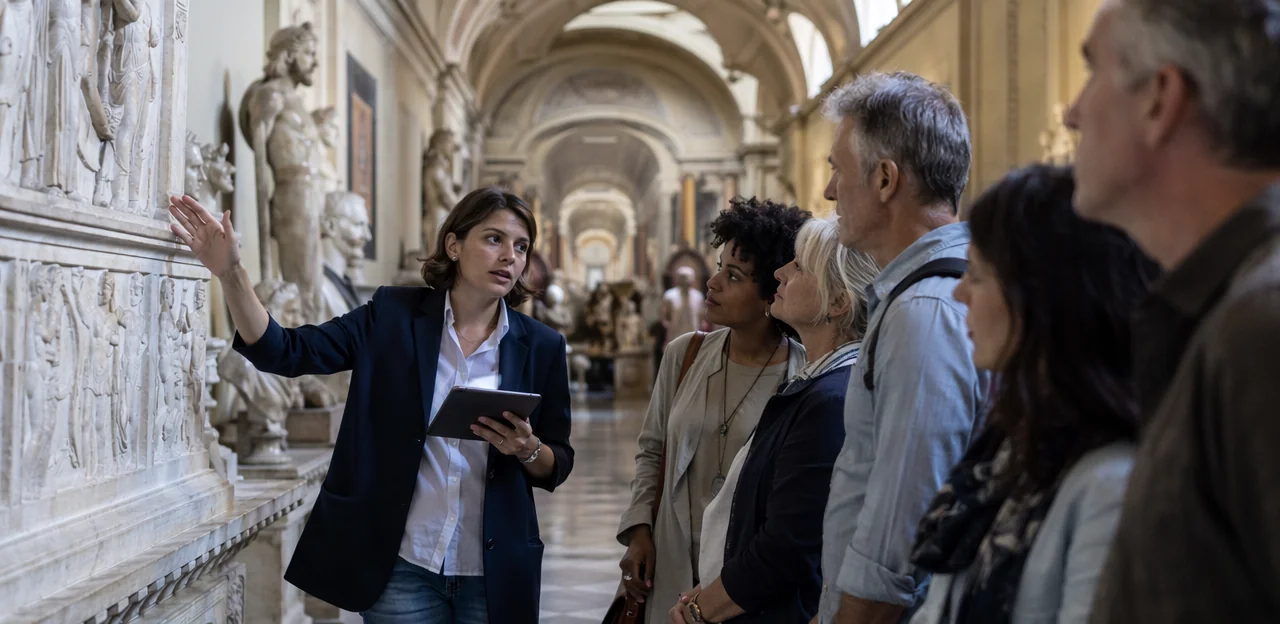
A great guided tour can turn a visit into a story people remember, recommend, and return for. But without the right guided tour feedback, museums and attractions are often left guessing which moments inspired visitors, which details were missed, and where the experience could be improved. In a sector where audience expectations are rising and every interaction shapes reputation, collecting timely, meaningful insight is no longer optional.
This article explores how visitor attractions and cultural venues can use feedback to strengthen tours, improve interpretation, and deliver more engaging audience experiences. From choosing the right event feedback questions to designing an effective event feedback form, we’ll look at practical ways to capture responses that go beyond surface-level ratings. We’ll also examine how approaches used in event feedback, conference feedback, and survey event feedback can be adapted for guided tours, helping teams gather clearer, more actionable data.
Along the way, we’ll cover useful event feedback examples, the value of post event feedback, and how AI and analytics can help museums and attractions identify patterns, measure satisfaction, and refine customer experience at scale. Whether you manage daily tours, special exhibitions, or live cultural programming, the right feedback strategy can turn visitor opinions into smarter decisions.
Why guided tour feedback matters for museums and attractions
The role of feedback in visitor experience strategy
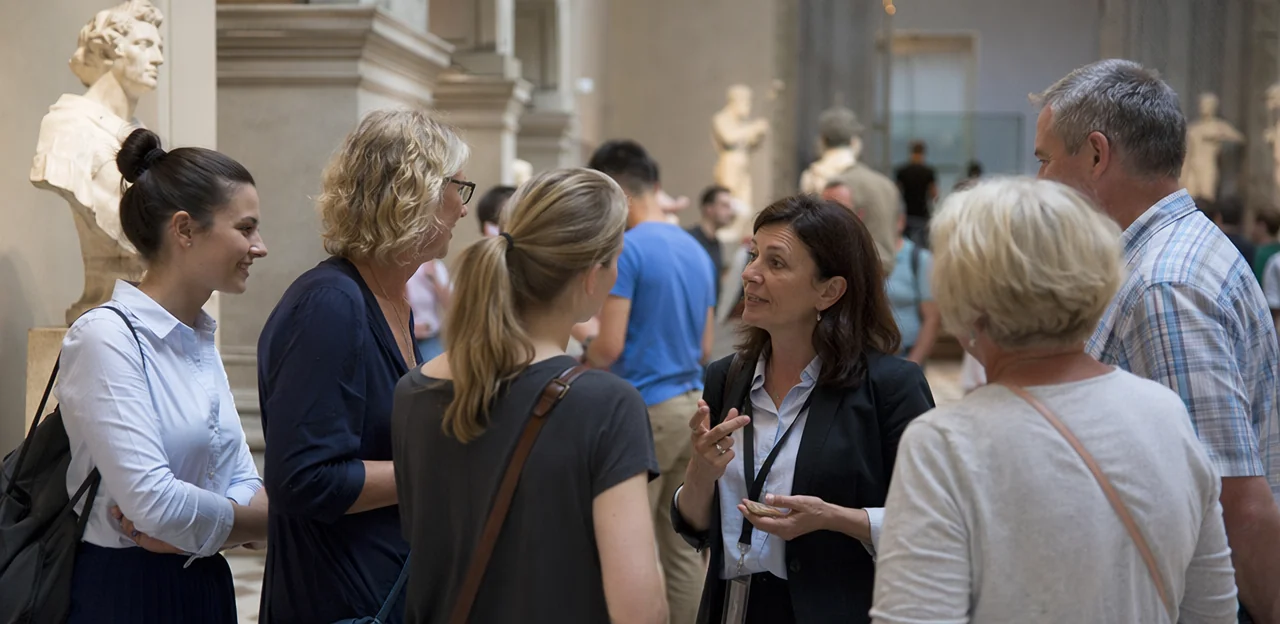
Guided tour feedback is essential for improving visitor experience and shaping a stronger audience experience across museums, galleries, heritage sites, and attractions. It helps teams understand what visitors valued, where guides lost attention, and which moments created the most impact.
- Identify strengths in storytelling, pacing, accessibility, and guide knowledge
- Use event feedback questions to uncover issues around group size, audio quality, or route flow
- Turn insights from an event feedback form into staff coaching, tour redesign, and better scheduling
- Compare guided visits with conference feedback, post event feedback, or broader survey event feedback to spot wider trends
Reviewing event feedback examples also helps teams ask clearer questions and collect more useful data. When gathered consistently, feedback supports smarter operational decisions, deeper engagement, and more memorable visits.
How feedback shapes culture and attraction programming
Guided tour feedback shows teams exactly what visitors connect with and where the customer experience can improve. Comments often reveal whether storytelling feels memorable, interpretation is clear, pacing suits different audiences, accessibility needs are met, and guides feel engaging rather than scripted. That insight helps museums and attractions refine both tours and wider cultural programming.
- Review event feedback for recurring themes in tour content, tone, and timing.
- Use targeted event feedback questions in every event feedback form to assess clarity, inclusivity, and guide performance.
- Compare tour responses with conference feedback, survey event feedback, and post event feedback from talks or workshops.
- Turn common patterns into action using event feedback examples, such as adjusting route length, adding multilingual interpretation, or coaching guides on audience interaction.
Done consistently, feedback helps attractions build stronger, more relevant programming.
Comparing tour feedback with broader event feedback
Guided tour feedback overlaps with event feedback and conference feedback in key ways: all aim to measure satisfaction, engagement, clarity, and likelihood to recommend. A strong event feedback form or survey event feedback template can provide a useful starting point.
However, tours need more specific event feedback questions tailored to the live, moving experience, such as:
- How knowledgeable and engaging was the guide?
- Was the route easy to follow and well paced?
- Did the tour add clear educational value?
- Were group size, audio, and visibility comfortable?
Unlike many event feedback examples used for static sessions, tour surveys should capture flow, storytelling, and interaction quality. For better post event feedback, attractions should combine standard satisfaction metrics with tour-specific questions to uncover practical improvements fast.
How to collect guided tour feedback effectively
Choosing the right feedback channels
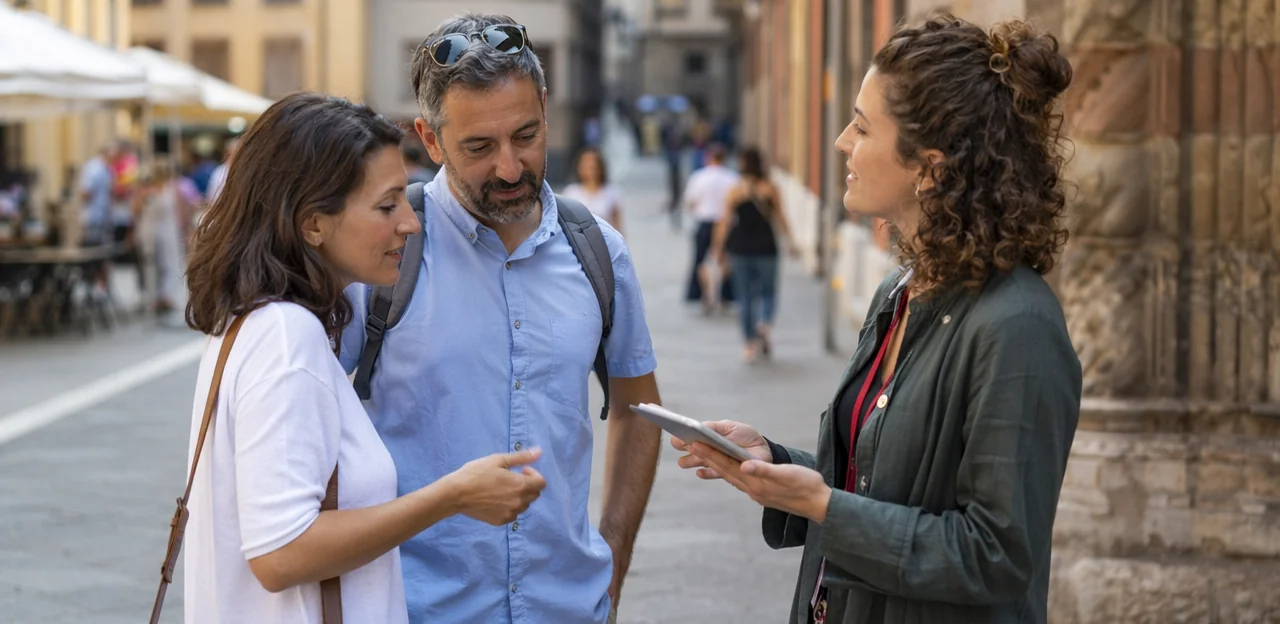
For strong guided tour feedback, use a mix of channels based on convenience, timing, and audience type. The best results usually come from capturing reactions as close to the experience as possible.
- QR codes at the tour exit: Fast, low-friction, and ideal for mobile-friendly event feedback form completion. Best used immediately after the tour; often delivers higher response rates than later outreach.
- Staff-led prompts: Guides inviting visitors to share post event feedback at the end of a tour can significantly lift completion rates, especially when paired with a short link or QR code.
- Kiosk surveys: Useful in museums and attractions with heavy footfall. Great for quick event feedback questions before visitors leave.
- Email surveys: Better for detailed conference feedback or reflective survey event feedback, but response rates are usually lower if sent 24+ hours later.
- SMS prompts: Effective for short event feedback requests sent within 1–3 hours.
Review event feedback examples regularly to refine questions and improve completion.
Designing a high-converting event feedback form
A strong event feedback form for tours should be fast, intuitive, and easy to complete on a phone before visitors leave. To increase guided tour feedback response rates, keep the form focused on the experience that just happened.
- Make it mobile-friendly: Use large tap targets, minimal scrolling, and a clean layout for on-site completion.
- Keep it short: Aim for 3–5 essential event feedback questions that take under two minutes.
- Use clear rating scales: Simple 1–5 scales work well for guide knowledge, pace, storytelling, and overall satisfaction.
- Include optional open text: Let visitors add detail without making it mandatory.
- Ask timely questions: Effective post event feedback captures what visitors enjoyed, what confused them, and what could improve.
For museums and attractions, strong event feedback, conference feedback, or survey event feedback forms balance speed with insight. Reviewing event feedback examples can help refine your questions.
When to ask for post-tour responses
Timing shapes the quality of guided tour feedback. For museums and attractions, the best approach is often a mix of immediate and slightly delayed post event feedback.
- Right after the tour: Capture emotional reactions, staff impressions, and clarity of interpretation while details are fresh. This is ideal for short event feedback questions delivered through a quick event feedback form at the exit.
- Within 24 hours: Send a follow-up for more reflective survey event feedback, such as what visitors remembered most, whether they would recommend the experience, and what could improve.
- Avoid waiting too long: After 48–72 hours, recall fades and sentiment becomes less precise, reducing actionable insight.
A two-step strategy improves event feedback quality, much like conference feedback collection: instant reactions first, deeper reflection second. Reviewing strong event feedback examples can also help refine questions and timing.
Best event feedback questions for guided tours
Core questions every museum should ask
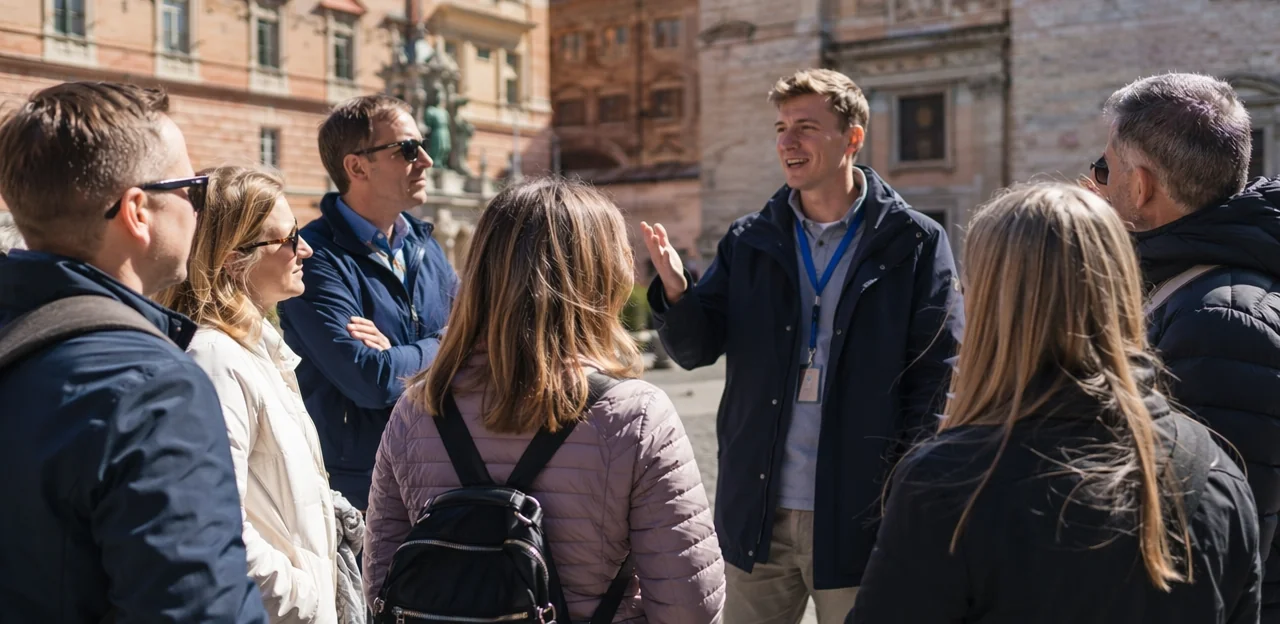
A strong guided tour feedback strategy should focus on the parts of the experience that most influence satisfaction, learning, and return visits. Use these event feedback questions in any event feedback form or survey event feedback workflow:
- Overall satisfaction: How satisfied were you with the guided tour overall?
- Guide knowledge: Did the guide demonstrate strong subject knowledge and answer questions clearly?
- Clarity and storytelling: Was the information easy to follow, engaging, and relevant to the exhibits?
- Pacing: Was the tour too fast, too slow, or well paced for the group?
- Accessibility: Was the tour accessible in terms of language, hearing, mobility, and comfort?
- Relevance: Did the tour match your interests, age group, or reason for visiting?
- Enjoyment and impact: What did you enjoy most, and what could be improved?
These event feedback examples also work for post event feedback, conference feedback, and broader event feedback programs, helping museums turn visitor insight into better tours.
Questions for different visitor segments
To improve guided tour feedback, tailor prompts to each audience so your audience experience data is specific and actionable rather than generic. A smart event feedback form should reflect why people visited and what they needed from the tour.
- Families: Ask whether the guide kept children engaged, if the pace suited mixed ages, and which hands-on moments were most memorable.
- School groups: Use event feedback questions about curriculum relevance, group management, clarity of interpretation, and whether students stayed engaged throughout.
- Tourists: Include event feedback on language clarity, local storytelling, wayfinding, and whether the tour enhanced their understanding of the destination.
- Members: Focus on exclusivity, depth of content, repeat-visit value, and what would encourage future attendance.
- Accessibility-focused audiences: Ask about physical access, audio quality, signage, sensory comfort, and whether staff support met expectations.
Reviewing survey event feedback, post event feedback, and even conference feedback structures can inspire strong event feedback examples for tours. Digital tools such as Tapsy can help collect responses in the moment.
Examples of strong guided tour survey prompts
A well-designed guided tour feedback section should be short, specific, and easy to complete on mobile or in an event feedback form. Use a mix of scales, recommendation prompts, and open text to capture meaningful insights.
- Rating question: “How would you rate your guided tour experience today?”
Use a 1–5 or 1–10 scale to gather clear event feedback trends. - Guide performance: “How knowledgeable and engaging was your tour guide?”
This is one of the most useful event feedback questions for museums and attractions. - NPS-style prompt: “How likely are you to recommend this tour to a friend or family member?”
This works well for survey event feedback and broader audience benchmarking, similar to conference feedback methods. - Open-ended reflection: “What was the most memorable part of the tour?”
Great for qualitative event feedback examples. - Improvement question: “What could we improve for future visitors?”
Essential for actionable post event feedback and service refinement.
Using AI and analytics to turn feedback into action

Analyzing qualitative and quantitative responses
To turn guided tour feedback into action, museums should combine scores with open-text analysis rather than reviewing comments in isolation. A practical framework includes:
- Track ratings such as satisfaction, guide knowledge, pacing, and accessibility to spot weak points in the customer experience.
- Use AI analytics to run sentiment analysis on comments from each event feedback form, separating positive, neutral, and negative reactions.
- Apply text clustering to group recurring themes like unclear storytelling, poor acoustics, overcrowding, or standout guide performance.
- Compare patterns across event feedback, conference feedback, and post event feedback to see whether issues are tour-specific or wider operational trends.
- Review trend reports weekly to refine event feedback questions, improve scripts, train guides, and build better survey event feedback processes using proven event feedback examples.
Spotting patterns across tours, guides, and audiences
Strong guided tour feedback becomes far more useful when attractions compare results across key variables. Analytics can show why one guide earns higher scores, why a morning slot performs better, or why a science-themed route resonates differently from an art-focused one. This helps teams improve audience experience while making tours feel more relevant to each visitor group.
- Compare scores by guide, time slot, language, exhibit theme, and visitor type.
- Use an event feedback form with consistent event feedback questions to track trends accurately.
- Review open-text comments for recurring issues such as pacing, clarity, accessibility, or group size.
- Segment conference feedback, school visits, families, tourists, and members to tailor delivery.
- Combine survey event feedback, post event feedback, and live event feedback examples to spot gaps and replicate high-performing tour formats.
Closing the loop with operational improvements
Collecting guided tour feedback only matters if teams act on it. Turn post event feedback into visible changes that improve the next visitor journey:
- Refine tour scripts: Use recurring comments and event feedback questions to spot confusing sections, weak storytelling, or pacing issues.
- Strengthen staff training: Review event feedback for guide knowledge, tone, and group management, then coach teams on common pain points.
- Improve route design: If a survey event feedback response highlights bottlenecks, poor sightlines, or noise, adjust stops and timing.
- Expand accessibility support: Use the event feedback form to identify needs around seating, hearing support, step-free access, and clearer signage.
- Upgrade follow-up communications: Share updates, resources, or tailored offers after tours, using conference feedback and visitor insights to show responsiveness.
Reviewing event feedback examples regularly helps attractions demonstrate that visitor voices directly shape the experience.
Common mistakes to avoid in guided tour feedback programs
Asking too many or vague questions
Long, unfocused surveys quickly lower completion rates and weaken guided tour feedback quality. If visitors face a bloated event feedback form or unclear prompts, they skip questions or give generic answers that are hard to act on.
- Limit event feedback questions to the essentials: guide knowledge, pace, clarity, highlights, and overall satisfaction.
- Use specific wording instead of broad asks like “How was it?”
- Include 1–2 open-text prompts for useful post event feedback.
- Review conference feedback, survey event feedback, and other event feedback examples to refine stronger, action-led event feedback.
Ignoring negative feedback or low response bias
Cherry-picking praise can distort guided tour feedback and hide service issues that damage customer experience. A few glowing comments never outweigh recurring complaints or a weak sample size.
- Review negative comments for patterns in timing, guide knowledge, accessibility, or pacing.
- Compare post event feedback with on-site observations, ticketing data, and repeat-visit rates.
- Use a simple event feedback form with balanced event feedback questions to reduce bias.
- Benchmark event feedback, conference feedback, and survey event feedback trends over time, using real event feedback examples to guide improvements.
Collecting feedback without a response plan
Collecting guided tour feedback is pointless if nobody owns the next step. Many museums gather survey event feedback through an event feedback form, but results sit unread, with no review cadence or action plan. That weakens trust and makes future event feedback less reliable.
- Assign one team to review guided tour feedback weekly.
- Turn recurring event feedback questions into clear fixes, staff coaching, or script updates.
- Compare themes across conference feedback, post event feedback, and tour data.
- Use event feedback examples to show staff what “actionable” looks like.
Building a sustainable feedback framework for long-term growth

Creating a repeatable feedback process
To make guided tour feedback consistent and useful, build a simple process every team can follow:
- Set clear goals: Decide what success looks like for customer experience, such as guide knowledge, pacing, accessibility, and visitor satisfaction.
- Standardize surveys: Use the same core event feedback questions across tours and sites, with a short event feedback form for quick responses and optional open comments.
- Benchmark results: Compare scores by guide, tour type, season, and location using past event feedback examples, conference feedback, and other survey event feedback data.
- Review regularly: Share post event feedback monthly across operations, visitor services, and marketing to spot trends and improve future event feedback collection.
Aligning feedback with visitor attraction KPIs
To make guided tour feedback useful, map every response to a measurable attraction outcome rather than treating it as standalone commentary. Track feedback against core KPIs such as:
- Satisfaction: link ratings to guide quality, storytelling, pacing, and accessibility to improve overall audience experience.
- Repeat visitation: ask in a simple event feedback form whether visitors would return for another tour, exhibition, or seasonal program.
- Membership conversion: use event feedback questions to identify whether tours increase interest in joining, donating, or upgrading.
- Dwell time: compare tour satisfaction with time spent on-site before or after the visit.
- Recommendation intent: include NPS-style prompts in conference feedback, survey event feedback, or post event feedback flows.
Review event feedback examples regularly to spot which tour elements drive stronger customer experience outcomes.
Using insights to strengthen loyalty and reputation
Acting on guided tour feedback shows visitors that their opinions lead to real improvements, which builds trust and deepens loyalty. Museums and attractions can turn event feedback into stronger experiences by:
- reviewing post event feedback quickly and fixing common pain points such as pacing, signage, or guide clarity
- using clear event feedback questions in every event feedback form to spot trends across tours, talks, and exhibitions
- studying survey event feedback, conference feedback, and other event feedback examples to refine staff training and storytelling
When visitors see changes based on their input, they are more likely to return, recommend the venue, and leave positive reviews that strengthen brand reputation.
Conclusion
In today’s experience-driven visitor economy, guided tour feedback is no longer a “nice to have” for museums, heritage sites, and attractions—it’s essential to delivering tours that educate, inspire, and evolve. When you capture feedback consistently, you gain a clearer view of what visitors value most: guide performance, pacing, storytelling, accessibility, route design, and overall satisfaction. Just as importantly, guided tour feedback helps teams spot friction points early, improve audience engagement, and make smarter operational decisions backed by real insight.
A strong feedback strategy can also align with broader experience measurement, from event feedback and conference feedback to post event feedback after special exhibitions, talks, and cultural programs. Using the right event feedback questions in a simple event feedback form makes it easier to collect meaningful responses, compare survey event feedback over time, and turn event feedback examples into practical improvements.
The next step is to make feedback collection easy, immediate, and actionable. Review your current process, refine your questions, and choose tools that help you analyze responses quickly and respond in real time. If you’re ready to strengthen guided tour feedback, start with a short, visitor-friendly survey, benchmark results across tours, and explore digital platforms such as Tapsy to simplify collection and unlock richer visitor insights.
Frequently Asked Questions
- Why is guided tour feedback important for museums and visitor attractions?
Guided tour feedback helps teams understand what visitors valued, where attention dropped, and which parts of the experience need improvement. It supports better storytelling, pacing, accessibility, guide coaching, and operational decisions that lead to more memorable visits.
- What should a guided tour feedback form include?
A strong form should stay short, mobile-friendly, and focused on the tour that just happened. It should include core questions on overall satisfaction, guide knowledge, storytelling clarity, pacing, accessibility, and an optional open-text field for comments.
- When is the best time to ask visitors for tour feedback?
The best time is immediately after the tour, when reactions and details are still fresh. A follow-up within 24 hours can capture more reflective feedback, while waiting 48–72 hours usually reduces recall and makes responses less actionable.
- Which feedback channels work best for guided tours?
QR codes at the tour exit are effective because they are fast and easy to use on mobile. Staff-led prompts, kiosk surveys, email surveys, and SMS requests can also work, depending on the audience and how quickly the request is sent after the experience.
- How many questions should a post-tour survey ask?
A practical target is 3–5 essential questions that take under two minutes to complete. Keeping the survey short improves completion rates and makes it easier to collect clear, useful responses before visitors leave.
- How is guided tour feedback different from general event or conference feedback?
Tour feedback overlaps with event and conference feedback in measuring satisfaction, engagement, and recommendation intent. However, guided tours also need specific questions about route flow, pacing, visibility, audio quality, educational value, and how engaging the guide was during a moving live experience.
- What are the most useful questions to ask after a guided tour?
Useful questions cover overall satisfaction, guide knowledge, clarity of information, storytelling, pacing, accessibility, and relevance to the visitor's interests. Open-ended prompts such as what was most memorable and what could be improved help uncover practical changes.
- Should museums tailor tour surveys for different visitor groups?
Yes, feedback questions should reflect why different audiences visited and what they needed from the experience. Families, school groups, tourists, members, and accessibility-focused visitors may each need different prompts about engagement, curriculum relevance, language clarity, exclusivity, or physical access.
- How can AI help analyze guided tour feedback?
AI can support sentiment analysis on comments, helping teams separate positive, neutral, and negative reactions. It can also cluster recurring themes such as unclear storytelling, poor acoustics, overcrowding, or strong guide performance so patterns are easier to act on.
- What patterns should attractions compare across tours?
Teams should compare results by guide, time slot, language, exhibit theme, and visitor type. Looking at both ratings and open-text comments helps reveal why some tours perform better and where pacing, clarity, accessibility, or group size may need adjustment.
- How should museums turn feedback into operational improvements?
Feedback should lead to visible actions such as refining tour scripts, coaching guides, adjusting routes, improving accessibility support, and updating follow-up communications. A regular review process helps turn recurring comments into practical fixes rather than leaving responses unread.
- What common mistakes weaken guided tour feedback programs?
Common problems include asking too many vague questions, ignoring negative feedback, and collecting responses without a clear action plan. These issues lower response quality, hide service problems, and make future feedback less useful.
- How can a museum build a repeatable feedback process for tours?
Start by setting clear goals for guide knowledge, pacing, accessibility, and visitor satisfaction. Then standardize core survey questions, benchmark results across tours and sites, and review feedback regularly across operations, visitor services, and marketing.
- Which visitor attraction KPIs can guided tour feedback support?
Guided tour feedback can be linked to satisfaction, repeat visitation, membership conversion, dwell time, and recommendation intent. Mapping survey responses to these outcomes helps attractions use feedback as part of wider customer experience measurement.
- How does acting on tour feedback improve loyalty and reputation?
When visitors see that comments lead to real changes, trust grows and the experience feels more responsive. That can encourage return visits, recommendations, and positive reviews that strengthen the venue's reputation over time.