
A great cinema experience is built on more than a sharp screen and comfortable seats. From ticket purchase to the final credits, every moment shapes how audiences feel about your venue—and whether they come back. That’s why getting feedback in the right place, at the right time, matters just as much as collecting it at all.
Effective cinema feedback placement can help operators capture real-time insights while the experience is still fresh. Instead of relying only on post-visit surveys that are easy to ignore, cinemas can use well-positioned NFC and QR touchpoints to understand what guests think about queues, concessions, cleanliness, seat comfort, sound quality, and overall service. When placed strategically, these feedback points become a seamless part of the customer journey rather than an interruption.
In this article, we’ll explore where to place feedback points across a cinema venue to maximize response rates and improve audience experience. We’ll look at high-impact locations such as entrances, ticketing areas, concession counters, auditoriums, and exits, along with the role of digital tools in making feedback fast and effortless. We’ll also touch on how solutions like Tapsy can support smarter, context-aware engagement through NFC and QR touchpoints.
Why cinema feedback placement matters across the guest journey

How timing and location affect response quality
Effective cinema feedback placement improves both response rates and insight quality because guests are reacting while the experience is still fresh. Capturing guest journey feedback at the right touchpoint makes comments more specific, accurate, and easier to act on.
- In-the-moment responses near the screen exit, concessions, or restrooms reflect immediate emotions about sound, seating, cleanliness, queues, and staff service.
- Delayed surveys sent hours or days later often get lower response rates and more general answers, because details are forgotten or influenced by the overall trip home.
- Location matters: feedback points should match the experience being measured, such as snack counters for food service or foyer exits for overall satisfaction.
Using QR or NFC tools for real-time cinema feedback helps operators spot issues quickly and improve service before negative reviews spread.
What cinemas can learn from well-placed feedback points
Effective cinema feedback placement helps venues capture timely, specific insights that are far more useful than generic post-visit reviews. By placing touchpoints at key moments in the journey, teams can improve operations and boost cinema customer feedback quality.
- Queue times: Learn where bottlenecks happen at ticketing, entry, or concessions.
- Staff service: Measure how helpful, friendly, and efficient front-of-house teams are.
- Seat comfort: Identify issues with legroom, cleanliness, broken seats, or temperature.
- Screen and sound quality: Spot recurring problems with brightness, audio levels, or visibility.
- Cleanliness: Track standards in auditoriums, foyers, and toilets.
- Concessions satisfaction: Understand pricing, speed, product availability, and food quality.
These audience experience insights make every cinema satisfaction survey more actionable. Tools like Tapsy can also help cinemas collect real-time responses at each touchpoint.
The role of NFC and QR touchpoints in modern cinema venues
NFC tags and QR codes make cinema feedback placement far more efficient by turning high-traffic areas into instant response points. Instead of relying on long post-visit surveys, cinemas can capture reactions in the moment with contactless feedback touchpoints that guests can tap or scan in seconds.
- Fast and frictionless: NFC cinema feedback works with a simple tap, while QR code feedback cinema options support all smartphone users.
- Contactless and convenient: Ideal for foyers, concession counters, seat rows, and exit zones where speed matters.
- Easy to scale: One cinema can deploy multiple low-cost touchpoints across the entire venue without adding staff workload.
- More actionable insights: Location-based prompts reveal exactly where issues or wins happen.
Platforms such as Tapsy can help cinemas manage these touchpoints and turn real-time feedback into service improvements.
Best places to collect feedback in a cinema venue
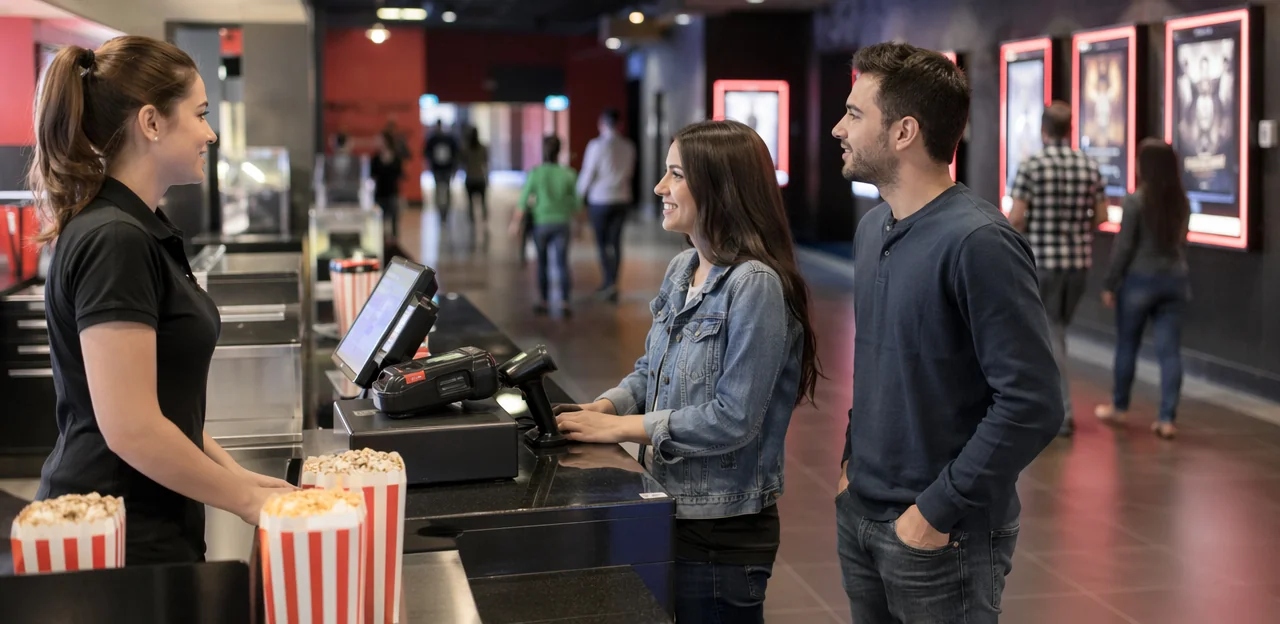
Entrance, lobby, and ticketing areas
The arrival journey is one of the most important zones for cinema feedback placement because it shapes first impressions before guests even reach the screen. Use short, low-friction touchpoints to capture cinema lobby feedback while the experience is still fresh.
- At the entrance: Place a cinema entrance survey near doors or digital welcome boards to measure first impressions, cleanliness, queue management, and ease of entry.
- At self-service kiosks: Ask 1–2 quick questions about screen readability, payment flow, and booking speed. This is ideal for gathering ticketing experience feedback without interrupting the purchase.
- At box office counters: Add QR or NFC prompts where guests can rate staff helpfulness, problem resolution, and clarity of ticket options after the interaction.
- In waiting zones: Position feedback points near concession queues or lobby seating to assess wayfinding, crowding, and whether signage clearly directs guests to screens, restrooms, and collection points.
Keep surveys brief and location-specific. For example, NFC or QR stands such as Tapsy can help cinemas collect real-time insights and fix arrival issues before they affect the rest of the visit.
Concessions, retail, and waiting spaces
Concession zones are some of the best locations for cinema feedback placement because they capture reactions while the experience is still fresh. Place QR codes and NFC tags where guests naturally pause, especially at snack counters, order collection points, and nearby seating or waiting areas.
Use these touchpoints to measure:
- Queue experience: Add a quick cinema queue feedback prompt at the end of the line or near pickup shelves to learn whether wait times felt reasonable.
- Product availability: Ask if key items were in stock, such as popcorn sizes, drinks, or combo deals. This supports stronger concessions feedback cinema tracking.
- Upsell success: Test whether guests noticed meal bundles, premium snacks, or limited-time offers.
- Cleanliness and comfort: Place a food and beverage survey near lounge seating, standing tables, or self-service stations to monitor spills, bin overflow, and overall tidiness.
For best results, keep surveys short and location-specific. A simple prompt like “How was your snack pickup today?” performs better than a generic venue-wide question. Tools such as Tapsy can help tailor feedback flows by touchpoint, making concession insights more actionable.
Auditorium entrances, seats, and exit routes
For effective cinema feedback placement, the auditorium journey should be measured at two key moments: just before guests settle in and immediately after the film ends. This helps capture both expectation-based reactions and fresh post-screening impressions.
- At auditorium entrances: place NFC or QR touchpoints where guests pause to find their screen. Use a one-question auditorium feedback prompt focused on accessibility, wayfinding, queue flow, and first impressions of temperature or cleanliness.
- At seat rows or armrest-level signage: invite a quick mid-journey or pre-show scan for seat comfort, legroom, and auditorium temperature. Keep it frictionless so it does not interrupt the screening.
- At exit routes: this is the best place for a short movie experience survey while audio, picture quality, and overall enjoyment are still top of mind. Ask guests to rate:
- Seat comfort
- Sound clarity and volume
- Screen brightness and picture quality
- Temperature and ventilation
- Accessibility and ease of movement
Use cinema exit feedback to trigger rapid operational fixes, such as adjusting HVAC, checking projector calibration, or reviewing accessible seating availability. Solutions like Tapsy can help tailor prompts by touchpoint.
How to use NFC and QR touchpoints effectively

Choosing between QR codes, NFC tags, and hybrid setups
For effective cinema feedback placement, choose the format that matches footfall, audience habits, and staff capacity.
- QR codes work well in foyers, concessions, posters, and seat-back cards. They support a strong cinema QR code strategy because they are low-cost, visible, and easy to update. However, they depend on camera access, good lighting, and users actively opening their phone.
- NFC tags are faster for high-traffic areas such as ticket checks, self-service kiosks, or premium lounges. In an NFC vs QR feedback comparison, NFC often feels more seamless, but older phones may not support tap interactions.
- Hybrid feedback touchpoints combine both, improving accessibility and device compatibility while reducing missed responses.
Use weatherproof, easy-clean materials, clear instructions, and routine checks to ensure tags and codes remain readable and functional.
Designing signage and calls to action that drive scans
Strong signage turns good cinema feedback placement into measurable action. To lift your cinema survey response rate, focus on clear prompts, easy visibility, and consistent branding.
- Use direct wording: A strong feedback call to action like “Scan to rate your visit in 30 seconds” outperforms vague labels such as “More info.”
- Set the right height: Place QR signs at natural eye or hand level near exits, concession counters, and waiting zones so guests can scan without bending or reaching.
- Prioritize visibility: Follow QR code signage best practices with high contrast, uncluttered layouts, and enough white space around the code.
- Keep branding consistent: Match cinema colors, tone, and imagery to build trust and recognition.
- Add incentive messaging: Small rewards, prize draws, or instant offers can significantly improve scan volume and response quality.
Reducing friction in the feedback form experience
Strong cinema feedback placement only works if the form itself feels effortless. To improve completion rates, design every mobile feedback form for speed and clarity:
- Use mobile-first layouts: Large tap targets, fast loading pages, and no pinch-to-zoom.
- Keep it brief: A short cinema survey of 3–5 questions is usually enough to capture useful insight without losing guests.
- Start with rating scales: Simple star, emoji, or 1–5 rating questions reduce effort and generate consistent data.
- Add smart routing logic: If a guest gives a low score, show one follow-up asking what went wrong; if the score is high, ask what stood out most.
- Avoid unnecessary fields: Only request contact details when follow-up is needed.
This creates frictionless customer feedback that feels quick for guests and actionable for cinema teams.
Matching feedback points to specific cinema goals

Improving operations, staffing, and queue management
Strategic cinema feedback placement helps venues spot friction exactly where it happens and turn it into practical fixes. By placing quick NFC or QR feedback points at key operational moments, teams can capture real-time cinema operations feedback and act faster.
- Ticketing areas: Identify slow check-in, unclear signage, or peak-time congestion.
- Concessions: Gather queue management insights on wait times, order accuracy, and understaffed rush periods.
- Auditorium exits and entrances: Track cleaning speed, seat readiness, and delays between screenings.
These insights support staffing improvement cinema by showing when and where extra team members are needed, helping managers reduce queues, improve turnover, and keep the guest journey smooth.
Enhancing audience comfort and screening quality
Effective cinema feedback placement helps teams spot and fix issues before they affect more guests. Place quick-response NFC or QR touchpoints at key moments, such as:
- At auditorium exits: capture a fast screening quality survey on sound clarity, screen brightness, subtitles, and lighting.
- Near seating zones: gather cinema comfort feedback about legroom, seat condition, temperature, and cleanliness.
- By accessible entrances or designated seating areas: collect cinema accessibility feedback on step-free access, companion seating, hearing loops, and wayfinding.
This targeted approach gives staff location-specific insights, making it easier to dispatch cleaning, adjust HVAC, resolve AV problems, or support accessibility needs quickly. Tools like Tapsy can help streamline real-time responses.
Supporting loyalty, retention, and repeat visits
Well-planned cinema feedback placement should extend beyond the auditorium exit. Post-show QR codes on tickets, digital receipts, app confirmations, or follow-up emails can capture timely post-visit cinema feedback while the experience is still fresh. This helps cinemas improve service and strengthen cinema customer retention.
- Send a short survey within 24 hours, ideally with one clear incentive such as points or a discount on the next visit.
- Link feedback responses to membership accounts to personalize offers, rewards, and film recommendations.
- Use feedback data to identify unhappy guests early and recover the relationship before they stop returning.
This creates a stronger cinema loyalty experience and encourages repeat visits.
Common mistakes in cinema feedback placement to avoid

Using too many touchpoints or asking at the wrong time
Poor cinema feedback placement can reduce responses instead of increasing them. Avoid touchpoint overload by limiting prompts to the most relevant moments, or guests may experience survey fatigue cinema and ignore every request.
- Don’t place QR or NFC prompts at every seat, wall, and concession counter.
- Avoid interrupting key moments like ticket scanning, trailers, or post-credit exits.
- Ask when guests have a natural pause, such as after concessions or while leaving calmly.
- Keep signage clear and minimal to prevent clutter.
This helps prevent feedback timing mistakes and protects the overall guest experience.
Ignoring accessibility, visibility, and staff awareness
Poor cinema feedback placement can undermine response rates, even with great technology. Avoid these common mistakes:
- Use accessible feedback points at wheelchair-friendly heights and near step-free routes, not only on high counters or crowded concession areas.
- Improve cinema signage visibility with clear wording, lighting, and directional prompts from foyers, screens, and exits.
- Test QR and NFC points in weak mobile signal areas; offer venue Wi-Fi or place touchpoints where connectivity is reliable.
- Train teams in staff-led feedback collection so they can explain the process, encourage participation, and assist less confident guests.
Collecting data without a plan to act on it
Even the best cinema feedback placement strategy fails if feedback sits in a dashboard untouched. Cinemas need a clear customer feedback action plan so every submission is routed, reviewed, and assigned to someone who can act.
- Define ownership by area: concessions, cleanliness, ticketing, and auditorium comfort
- Use cinema feedback analytics to spot repeat issues and prioritize fixes
- Set response SLAs for urgent complaints and service recovery
- Track actions taken and outcomes to measure improvement
This is how cinemas start closing the feedback loop and turn data into better guest experiences.
Building a cinema feedback placement strategy that scales

Creating a venue-wide touchpoint map
Build a cinema touchpoint map by plotting every audience interaction from arrival to exit, then assigning one clear feedback goal per zone. This makes cinema feedback placement consistent, actionable, and easy to measure.
- Arrival: parking, entrance, ticket scan — track queue speed and first impressions
- Concessions: ordering, upsells, wait times — measure service efficiency and product satisfaction
- Auditorium: seating, cleanliness, sound, screen quality — capture in-show experience
- Departure: exits, restrooms, overall visit — assess final sentiment and return intent
This customer journey mapping cinema approach strengthens your venue feedback strategy.
Testing, measuring, and optimizing placement performance
To improve cinema feedback placement, treat every touchpoint as a testable asset. Use feedback placement testing to compare:
- Locations: foyer, concessions, auditorium exits, and restroom areas
- Messaging: “Rate your visit in 30 seconds” vs. “Help us improve tonight’s experience”
- Formats: QR posters, seat-back cards, NFC stands, or digital screens
Track QR scan rate optimization and survey completion improvement separately, since high scans do not always mean better insight quality. Review results weekly, remove low-performing placements, and scale winning combinations. Platforms like Tapsy can help measure performance by touchpoint.
Key metrics to track for long-term success
To measure whether your cinema feedback placement strategy is working, track a small set of high-impact cinema feedback metrics:
- Response rate: shows which touchpoints generate the most participation.
- Sentiment score: a core customer satisfaction KPI for overall mood and service perception.
- Issue category trends: spot recurring problems like queues, sound, cleanliness, or concessions.
- Resolution speed: measure how quickly staff close the loop on complaints.
- Repeat visit indicators: link feedback with return bookings, loyalty use, or membership activity.
Together, these support stronger audience experience measurement and smarter operational decisions.
Conclusion
Effective cinema feedback placement is all about timing, visibility, and relevance. The best results come from positioning feedback points at key moments in the guest journey: at entry for first impressions, near concessions for service and wait-time insights, outside auditoriums for film-specific reactions, and at exits where the overall experience is still fresh. Adding NFC or QR touchpoints in these locations makes it easy for audiences to respond quickly without interrupting their visit.
A strong cinema feedback placement strategy does more than collect opinions—it helps venues spot issues faster, improve operations, and create a smoother, more enjoyable audience experience. When feedback is captured in real time and linked to specific touchpoints, cinemas can understand exactly where friction happens and where delight is being created.
The next step is to audit your venue layout and map feedback opportunities across the full customer journey. Start with high-traffic, high-emotion areas, test response rates, and refine placement based on audience behavior. If you want to streamline this process, tools like Tapsy can support real-time, location-aware feedback collection through NFC and QR touchpoints.
Done well, cinema feedback placement turns everyday interactions into actionable insight—helping cinemas boost satisfaction, loyalty, and repeat visits.
Frequently Asked Questions
- Why is feedback placement important in a cinema venue?
Placement matters because guests give more specific and useful feedback when they respond close to the moment they experienced something. A touchpoint near concessions, restrooms, or auditorium exits helps tie comments to a clear part of the visit, making issues easier to identify and fix.
- Where should cinemas place feedback points first?
Start with high-traffic, high-emotion areas across the guest journey. Good first locations include entrances, ticketing areas, concession counters, auditorium entrances, seat zones, and exit routes.
- What can cinemas learn from feedback collected at entrances and ticketing areas?
These touchpoints help measure first impressions, cleanliness, queue management, ease of entry, and booking flow. They can also reveal whether self-service kiosks are easy to use and whether box office staff are helpful and clear.
- How should feedback be collected in concession and waiting areas?
Place QR codes or NFC tags where guests naturally pause, such as at snack counters, pickup shelves, lounge seating, or standing tables. Keep prompts short and specific so cinemas can assess queue experience, stock availability, upsell visibility, and cleanliness.
- What is the best place to ask about seat comfort, sound, and screen quality?
Auditorium exits are one of the best places because the screening experience is still fresh. Cinemas can also place touchpoints near seat rows or auditorium entrances to gather feedback on comfort, temperature, accessibility, and cleanliness.
- Should cinemas use QR codes, NFC tags, or both?
QR codes are useful in foyers, concessions, posters, and seat-back cards because they are visible and easy to update. NFC tags are faster in high-traffic areas like ticket checks or kiosks, while a hybrid setup improves accessibility and device compatibility.
- How can signage improve cinema survey response rates?
Use direct calls to action, clear layouts, high contrast, and consistent branding so guests immediately understand what to do. Signs should be placed at natural eye or hand level near exits, counters, and waiting zones to make scanning easy.
- How long should a cinema feedback form be?
A short mobile-first survey of about 3 to 5 questions is usually enough. Starting with simple rating scales and only showing follow-up questions when needed helps reduce friction and improve completion rates.
- What operational issues can well-placed cinema feedback uncover?
It can highlight slow check-in, unclear signage, long concession waits, order accuracy issues, cleaning delays, and seat readiness problems between screenings. These insights help managers adjust staffing, improve turnover, and reduce friction at key points.
- How can feedback touchpoints support audience comfort and accessibility?
Touchpoints near seating zones and accessible entrances can capture comments about legroom, seat condition, temperature, cleanliness, step-free access, companion seating, hearing loops, and wayfinding. This makes it easier for staff to respond to comfort and accessibility issues quickly.
- Can cinemas use feedback after the visit to improve loyalty and retention?
Yes, post-show feedback can be collected through tickets, digital receipts, app confirmations, or follow-up emails while the visit is still recent. Sending a short survey within 24 hours and linking responses to membership accounts can support service recovery, rewards, and repeat visits.
- What are common mistakes to avoid when placing feedback points in a cinema?
Avoid placing too many prompts across every surface, because that can create survey fatigue and reduce participation. It is also important not to interrupt key moments like ticket scanning, trailers, or rushed exits.
- How do accessibility and staff awareness affect feedback collection?
Feedback points should be visible, reachable at wheelchair-friendly heights, and placed near step-free routes rather than only on high counters or crowded areas. Staff should also understand the process so they can explain it, encourage participation, and help guests who need support.
- What should cinemas do with the feedback once it is collected?
Each area should have clear ownership so feedback about concessions, cleanliness, ticketing, or auditorium comfort goes to the right team. Cinemas should review trends, prioritize repeated issues, set response times for urgent complaints, and track what actions were taken.
- Which metrics help measure whether cinema feedback placement is working?
Useful metrics include response rate, sentiment score, issue category trends, resolution speed, and repeat visit indicators. It is also helpful to compare scan rates and survey completion rates separately, because high scans do not always lead to strong insight quality.