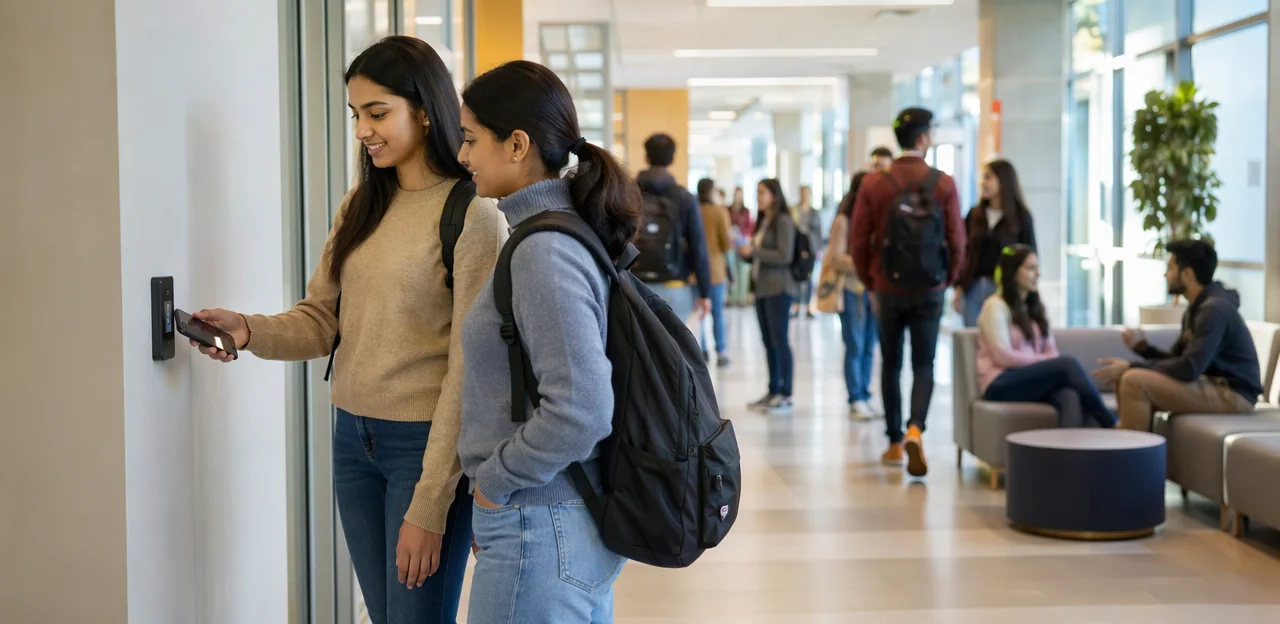
A great campus is not defined only by its buildings, courses, or technology. It is shaped by how students experience every interaction, from enrolling in classes and visiting the library to asking for IT help or speaking with student support. When those everyday moments feel confusing, slow, or impersonal, satisfaction drops quickly. That is why campus customer experience has become a critical priority for colleges and universities that want to improve engagement, retention, and student success.
The challenge is that many institutions still rely on delayed surveys or fragmented data, making it hard to understand what students are experiencing in real time. Feedback loops help close that gap. By collecting input at key touchpoints and acting on it quickly, campuses can spot issues earlier, improve services faster, and show students that their voices lead to meaningful change. Tools such as Tapsy can support this by helping institutions gather feedback where experiences actually happen.
In this article, we will explore why feedback loops matter in student services, how they strengthen the overall student experience, and what institutions can do to build more responsive, student-centered support systems across campus.
Why campus customer experience matters in higher education

Defining campus customer experience in a student-centered environment
Campus customer experience is the full perception students form across every touchpoint, from admissions and IT support to dining, housing, and academic advising. Unlike traditional customer service, which often focuses on resolving individual issues, student-centered services are designed around the entire student journey and continuous improvement.
Key differences include:
- Journey-wide focus: not just one-off transactions, but how services connect across campus
- Student expectations: shaped by fast, personalized, digital-first experiences in banking, retail, and healthcare
- Feedback-driven design: using real-time input to improve access, speed, and clarity
A strong higher education customer experience strategy treats students as active participants, not passive recipients. For example, tools like Tapsy can help campuses collect feedback at the moment services are delivered, making improvement faster and more relevant.
How student services shape the overall student experience
Student services define many of the moments students remember most, so they play a central role in campus customer experience. Every touchpoint can strengthen or weaken student satisfaction, trust, and long-term perception of the institution.
- Enrollment: Clear, fast onboarding reduces stress and sets positive expectations.
- Advising: Helpful guidance improves confidence, retention, and academic progress.
- IT help: Quick support keeps learning uninterrupted and shows reliability.
- Housing: Safe, responsive housing services influence comfort, belonging, and wellbeing.
- Financial aid: Transparent communication builds trust during high-stakes decisions.
To improve the student experience, institutions should collect feedback after key interactions, track recurring issues, and close the loop with visible action. Tools like Tapsy can help capture real-time input where student services happen, making improvement faster and more student-centered.
The link between service quality, retention, and institutional success
Strong campus customer experience directly shapes how students feel about staying, participating, and recommending an institution. When advising, financial aid, IT help, housing, and dining are responsive and easy to use, students face fewer friction points that can undermine student retention and persistence.
- Reduce avoidable drop-off: Track recurring complaints such as long wait times, unclear processes, or poor communication, then fix them quickly.
- Strengthen campus engagement: Positive service interactions make students more likely to join activities, use support resources, and build a sense of belonging.
- Boost reputation and referrals: Consistent service quality in higher education encourages positive word-of-mouth among current students, families, and applicants.
Actionably, colleges should create fast feedback loops at key touchpoints, using tools like Tapsy where relevant, to identify issues before they affect enrollment outcomes.
What feedback loops are and why student services need them

Understanding feedback loops in the campus context
In campus customer experience, feedback loops are not one-off surveys. They are ongoing systems that help institutions collect, analyze, act on, and communicate student feedback across every department and service channel.
A strong feedback loop typically includes:
- Collecting feedback at key touchpoints such as admissions, IT help desks, housing, dining, libraries, and advising
- Analyzing patterns to spot recurring issues, service gaps, and high-performing teams
- Acting quickly by assigning issues to the right department and tracking resolution
- Closing the loop by telling students what changed as a result of their input
This process turns comments into measurable campus service improvement. Tools like Tapsy can help capture feedback in real time at the point of experience, making response and follow-up faster and more effective.
Common gaps in traditional student feedback processes
Relying only on annual student surveys leaves major blind spots in campus customer experience. By the time results are reviewed, the issue may have already affected retention, trust, or service usage.
- Delayed insights: Yearly surveys capture opinions long after a poor advising visit, long queue, or facility problem occurred.
- Low response relevance: Broad questionnaires often miss context, so the student voice behind a specific service interaction gets diluted.
- Siloed data: Feedback from academics, housing, IT, and student services is often stored separately, limiting a full view of the student journey.
- Limited follow-through: Without clear ownership and real-time alerts, institutions struggle to act on higher education feedback quickly.
A stronger approach combines annual surveys with ongoing, touchpoint-level feedback.
Why closed-loop feedback builds trust and responsiveness
Closed-loop feedback turns student comments into visible action, which is essential for strong campus customer experience. When students see that concerns are acknowledged, reviewed, and resolved, student trust grows and participation increases.
- Acknowledge quickly: Send a confirmation or follow-up so students know their feedback was received.
- Act visibly: Share updates such as reduced wait times, improved facilities, or clearer service processes.
- Close the loop publicly: Use email, portals, signage, or social posts to show what changed and why.
- Assign ownership: Make teams responsible for responding, so responsive student services become consistent rather than reactive.
This approach makes closed-loop feedback more than a survey process. It proves that student input matters, helping institutions build credibility, improve services faster, and strengthen long-term engagement.
Where to collect feedback across the student journey

Key service touchpoints from admissions to graduation
To improve campus customer experience, institutions should map the full student journey and collect feedback at the moments that shape trust, retention, and success across the student lifecycle.
- Admissions and onboarding: Ask about application clarity, response times, campus tours, orientation, and first-week readiness.
- Registration and enrollment: Capture pain points around course selection, payment, timetables, and system usability.
- Advising and academic support: Gather quick feedback after advising appointments, tutoring, and career guidance to spot service gaps early.
- Support requests: Measure satisfaction with IT, housing, financial aid, and wellbeing services immediately after each interaction.
- Graduation services: Review communication, ceremony logistics, clearance processes, and alumni handoff.
Use short, in-the-moment surveys at these campus touchpoints to turn feedback into faster fixes and better student outcomes.
Using multiple channels to capture real-time student insights
To improve campus customer experience, institutions need real-time feedback from the places and moments that shape student life. Relying on one method misses important voices, so use a mix of student communication channels to build stronger omnichannel student services:
- Surveys: Great for structured pulse checks after classes, appointments, or events.
- SMS and chat: Ideal for fast, low-friction responses on urgent or time-sensitive issues.
- Email: Useful for follow-up questions and more detailed feedback.
- Student portals: Capture insights during routine tasks like registration, payments, or support requests.
- Kiosks and QR touchpoints: Collect instant reactions in libraries, dining halls, and service desks.
- In-person conversations: Add context and uncover issues students may not type.
Tools like Tapsy can help gather feedback where experiences happen, while routing issues quickly to the right team.
Balancing quantitative metrics with qualitative student comments
To improve campus customer experience, institutions need to read numbers and narratives together. Ratings, ticket volumes, and response times show service metrics at scale, while comments explain why performance is rising or falling.
- Track core metrics: monitor satisfaction scores, first-response time, resolution time, repeat complaints, and channel-specific trends.
- Layer in sentiment analysis: review tone across surveys, emails, and chat logs to spot frustration, confusion, or praise early.
- Code open-text themes: group qualitative feedback into categories such as staff helpfulness, wait times, accessibility, and communication clarity.
- Close the loop: compare themes against student feedback data to prioritize fixes with the biggest impact.
For example, a fast response time may still earn poor comments if students feel answers are unclear or impersonal. Tools like Tapsy can help capture feedback at the moment of service.
How to turn feedback into better campus customer experience

Analyzing feedback to identify root causes and trends
Strong campus customer experience programs turn raw comments into clear action. Effective feedback analysis should combine quantitative scores with open-text responses to reveal both what is happening and why.
- Review data by theme: Group feedback into categories such as wait times, staff support, facilities, digital access, or communication.
- Spot recurring issues: Track repeated complaints, low ratings, and peak problem times to uncover student service trends.
- Segment by student group: Compare responses from first-year students, postgraduates, international students, commuters, and residents to surface different needs.
- Prioritize improvements: Rank issues by frequency, impact on satisfaction, and ease of resolution.
Tools like Tapsy can help capture timely, location-based responses, improving campus experience insights and faster service fixes.
Creating cross-functional workflows for action
Strong campus customer experience depends on turning feedback into coordinated action, not isolated fixes. That requires cross-functional collaboration across student affairs, academic support, IT, and administrative teams, with clear ownership at every step.
- Create shared intake channels: Route feedback from help desks, surveys, and service points into one system so issues are visible across teams.
- Define service workflows: Assign categories such as advising delays, portal access problems, or billing confusion to the right department with response time targets.
- Set escalation rules: If one issue affects multiple services, trigger joint reviews instead of separate responses.
- Track outcomes together: Use shared dashboards to monitor resolution times, repeat complaints, and service consistency.
In higher education operations, this approach reduces silos, speeds resolution, and helps students experience one connected institution.
Closing the loop with students and staff
To improve campus customer experience, feedback must lead to visible action. Closing the feedback loop means showing students and staff what changed, who owns it, and when progress will be reviewed.
- Communicate changes clearly: Share “you said, we did” updates through email, digital signage, portals, and social channels. Keep messages specific, timely, and tied to real service improvements.
- Invest in staff training: Give frontline teams practical staff training on listening skills, issue escalation, empathy, and how to respond consistently when concerns are raised.
- Build student service accountability: Assign owners to recurring issues, set response timelines, and track outcomes in regular service reviews.
Tools like Tapsy can help capture real-time feedback and route it quickly, making improvements more visible and lasting.
Best practices and metrics for sustainable improvement
KPIs that measure campus customer experience effectively
To improve campus customer experience, institutions should track a focused set of customer experience metrics that connect feedback to service performance:
- Student satisfaction score: Measure how students rate advising, IT, housing, dining, and support interactions.
- Response time: Track how quickly teams acknowledge questions or complaints.
- Resolution time: Monitor how long it takes to fully solve issues.
- First-contact resolution: Measure the percentage of cases solved in one interaction.
- Retention indicators: Review re-enrollment, service usage, and dropout-risk trends.
- Sentiment trends: Analyze comments over time to spot recurring pain points early.
Using clear service KPIs and real-time feedback tools such as Tapsy can help campuses act faster and improve outcomes.
Governance, ownership, and continuous improvement processes
Strong campus customer experience outcomes depend on clear accountability and disciplined follow-through. To make feedback actionable, institutions should build service governance into everyday operations:
- Assign ownership: Give each service area a named owner responsible for feedback trends, response times, and improvement plans.
- Standardize review cycles: Review feedback weekly for urgent issues, monthly for patterns, and quarterly for cross-campus priorities.
- Embed feedback into decisions: Use student input to shape budgets, staffing, policy updates, and service design priorities.
- Close the loop: Share actions taken with students to build trust and increase participation.
This creates a practical continuous improvement model and strengthens the wider student services strategy. Tools like Tapsy can help capture feedback at the point of service.
Avoiding common mistakes when implementing feedback loops
Strong feedback systems only improve campus customer experience when they are easy to use and tied to action. Common feedback loop challenges include:
- Prevent survey fatigue: Keep requests short, timely, and targeted. Use micro-feedback at key service moments instead of sending long surveys too often.
- Fix poor data integration: Combine feedback from student services, facilities, IT, and academic support into one view so patterns are visible across the full journey.
- Be transparent: Tell students what you heard, what changed, and what is still being reviewed.
- Act on insights: A feedback loop without follow-up weakens trust and harms your student experience strategy.
Tools like Tapsy can help capture feedback at the point of experience.
Building a student-first culture through feedback

Why leadership support is essential
Executive buy-in turns campus customer experience from a side initiative into an institution-wide priority. When higher education leadership actively champions feedback loops, teams are more likely to act on insights, not just collect them.
- Prioritize the right outcomes: Leaders can embed a student-first culture into strategic planning, KPIs, and service standards.
- Allocate resources effectively: Budget, staffing, training, and tools are easier to secure when leadership sees student experience as mission-critical.
- Align goals across departments: Executive support helps admissions, IT, facilities, and student services follow one campus customer experience strategy.
For example, tools like Tapsy can support real-time feedback collection, but leadership is what ensures action follows data.
Frontline teams are central to a strong campus customer experience, but they need the right support to act on feedback quickly and confidently. To improve service delivery, institutions should equip frontline staff and student support teams with:
- Practical training: Teach active listening, de-escalation, accessibility awareness, and how to turn feedback into immediate action.
- Simple tools: Use shared dashboards, clear escalation paths, and real-time feedback systems so issues reach the right team fast.
- Decision-making autonomy: Give staff permission to resolve common problems on the spot, without unnecessary approvals.
When teams are trained, informed, and empowered, student concerns are addressed faster, more consistently, and with greater empathy.
Creating a long-term roadmap for better student experiences
A strong student experience roadmap turns feedback into sustained action, not one-off fixes. To improve campus customer experience over time, institutions should build a phased plan that connects insight, ownership, and measurable outcomes.
- Start with priority touchpoints such as admissions, IT help, advising, housing, and dining.
- Create closed feedback loops so issues are reviewed quickly, assigned to teams, and resolved visibly.
- Balance digital and in-person improvements by upgrading portals, booking systems, service desks, and frontline support together.
- Track progress quarterly using satisfaction, response time, and repeat issue data to guide campus service transformation.
- Scale what works across departments to support ongoing higher education innovation.
Conclusion
Ultimately, improving campus customer experience is not about collecting more surveys for the sake of data—it is about creating a reliable feedback loop that helps institutions listen, respond, and improve in real time. When students can share input easily across key touchpoints—from admissions and IT support to libraries, dining halls, and residence services—universities gain a clearer view of what is working and where friction is holding students back.
Strong feedback loops turn student voices into action. They help teams identify service gaps earlier, improve communication, reduce frustration, and build trust across the campus community. Just as importantly, they show students that their experiences matter, which strengthens engagement, satisfaction, and retention over time. That is the real value of a thoughtful campus customer experience strategy.
The next step is simple: audit your current student service journey, identify high-impact moments for feedback, and make it easy for students to respond while the experience is still fresh. Institutions looking to modernize this process can also explore tools like Tapsy, which help capture feedback directly at campus touchpoints.
To keep moving forward, review your service data regularly, close the loop with visible improvements, and invest in systems that make listening continuous—not occasional. The institutions that win on campus customer experience will be the ones that act on what students tell them.
Frequently Asked Questions
- What does campus customer experience mean in higher education?
Campus customer experience is the overall perception students form across every touchpoint, including admissions, advising, housing, dining, IT support, and financial aid. It focuses on the full student journey rather than only resolving isolated service issues.
- Why do student services have such a strong impact on student satisfaction?
Student services shape many of the daily interactions students remember most, from enrollment to support requests. When these moments are clear, fast, and helpful, they strengthen trust, satisfaction, and long-term perception of the institution.
- How are feedback loops different from traditional student surveys?
Feedback loops are ongoing systems that collect, analyze, act on, and communicate feedback continuously. Traditional surveys, especially annual ones, often arrive too late and can miss the context of specific service interactions.
- Why are delayed or fragmented feedback processes a problem for campuses?
Delayed or siloed feedback makes it harder to understand what students are experiencing in real time. By the time issues are reviewed, they may already have affected trust, service usage, retention, or overall satisfaction.
- What are the main steps in a strong campus feedback loop?
A strong loop collects feedback at key touchpoints, analyzes patterns, assigns issues to the right teams, and communicates what changed. This turns student comments into measurable service improvement instead of leaving them as unused data.
- Where should colleges and universities collect feedback across the student journey?
High-impact moments include admissions, onboarding, registration, advising, academic support, IT help, housing, financial aid, wellbeing services, and graduation processes. Collecting feedback at these touchpoints helps institutions catch friction early and improve the student lifecycle experience.
- Which channels can campuses use to gather real-time student feedback?
Useful channels include surveys, SMS, chat, email, student portals, kiosks, QR touchpoints, and in-person conversations. Using multiple channels helps institutions capture feedback where experiences actually happen and reach more students.
- How can institutions balance metrics with student comments?
Quantitative metrics such as satisfaction scores, response times, resolution times, and repeat complaints show performance at scale. Qualitative comments explain why students feel frustrated, confused, or satisfied, which makes prioritization more accurate.
- What kinds of service issues should campuses look for in feedback data?
Common themes include long wait times, unclear communication, poor digital access, staff support issues, facility problems, and process confusion. Grouping feedback by theme and student segment helps reveal recurring problems and root causes.
- How does closed-loop feedback build student trust?
Closed-loop feedback shows students that their concerns were received, reviewed, and acted on. Trust grows when institutions acknowledge input quickly, make visible improvements, and clearly explain what changed.
- What does it take to turn student feedback into coordinated action across departments?
Campuses need shared intake channels, defined workflows, clear ownership, escalation rules, and shared dashboards. This reduces silos between student affairs, academic support, IT, and administration so students experience one connected institution.
- Which KPIs are most useful for measuring campus customer experience?
Important KPIs include student satisfaction score, response time, resolution time, first-contact resolution, retention indicators, and sentiment trends. These measures connect feedback to actual service performance and help teams act faster.
- What common mistakes should institutions avoid when implementing feedback loops?
Common mistakes include causing survey fatigue, keeping feedback data in separate systems, failing to explain what was heard, and not acting on insights. Feedback systems only improve experience when they are easy to use and tied to visible follow-up.
- Why is leadership support important for improving campus customer experience?
Leadership support helps make student experience an institution-wide priority instead of a side initiative. It also makes it easier to align departments, secure resources, and connect feedback work to strategy, KPIs, staffing, and service standards.
- How can tools like Tapsy support student service feedback loops?
Tools like Tapsy can help campuses collect feedback in real time at the point of service and route issues to the right team faster. They support touchpoint-level listening so institutions can respond while the experience is still fresh.