Conferences succeed or fail on audience experience, yet many organizers still rely on feedback methods that arrive too late or get ignored altogether. That is why nfc event feedback is becoming such a valuable tool for modern events. By placing simple tap-or-scan feedback points throughout a venue, organizers can capture real-time reactions from attendees at the exact moment they visit a session, interact with an exhibitor, or leave a keynote.
This approach makes event feedback faster, easier, and far more actionable than traditional follow-up emails. Instead of waiting days to review a generic event feedback form, planners can collect on-the-spot insights, test better event feedback questions, and improve the attendee journey while the event is still happening. It also opens the door to smarter survey event feedback strategies, stronger analytics, and more personalized event experiences.
In this article, we will explore how NFC feedback points work at conferences, why they outperform standard post event feedback methods, and how to design effective touchpoints that boost response rates. We will also look at useful event feedback examples, practical ways to structure a post event feedback survey questions set, and how AI-powered tools and contactless platforms such as Tapsy can help turn audience input into measurable event improvements.
Why NFC Event Feedback Matters at Conferences

What NFC Event Feedback Is and How It Works
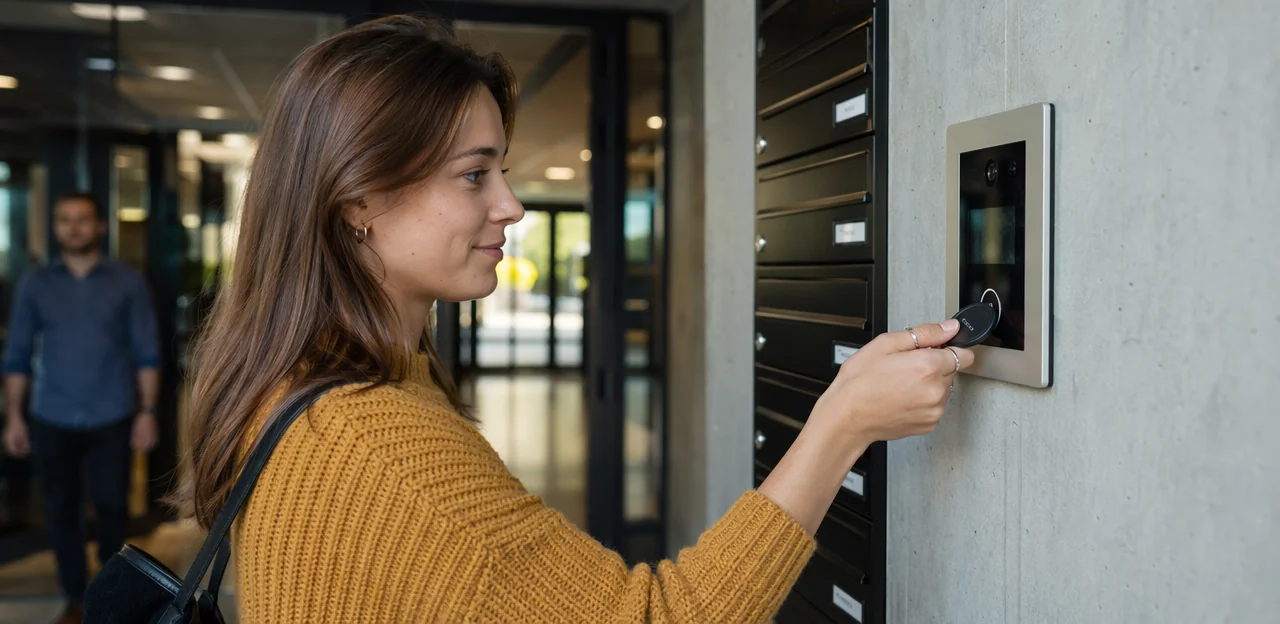
NFC event feedback is a fast, contactless way to collect attendee opinions during or right after a session. Instead of handing out an event feedback form or waiting for post event feedback emails, organizers place NFC touchpoints at exits, booths, or tables.
How it works:
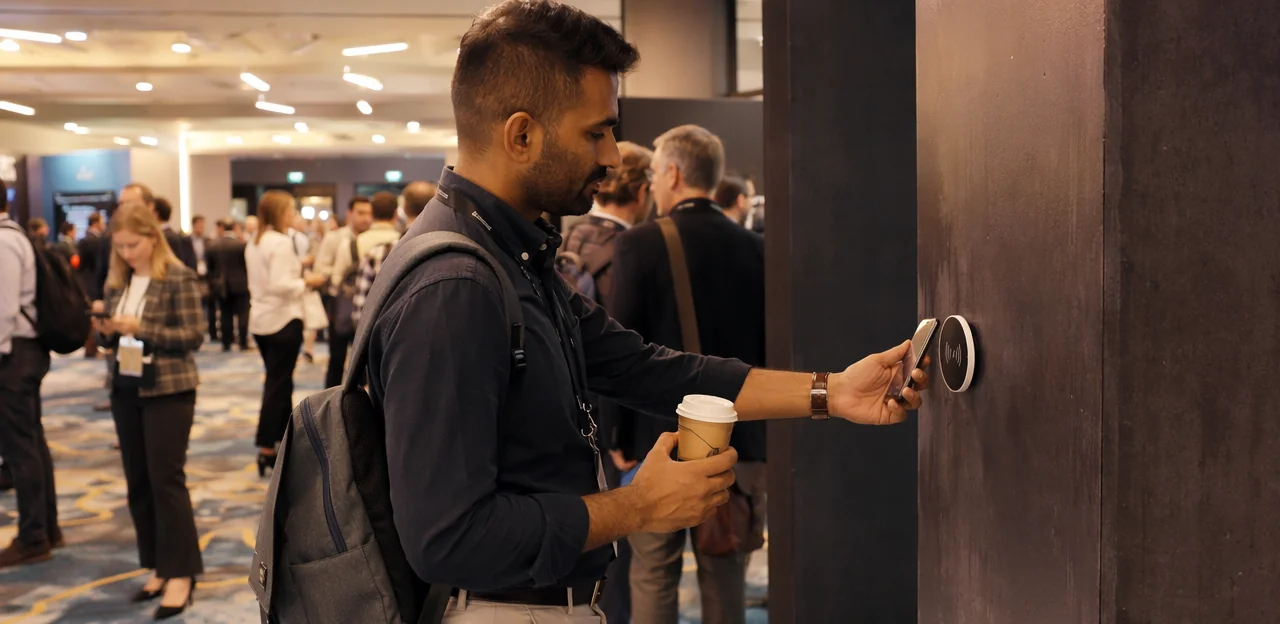
- An attendee taps their phone or NFC-enabled badge on the feedback point.
- A short browser-based survey opens instantly.
- They answer key event feedback questions in seconds.
- Responses are captured in real time for live reporting and follow-up.
Compared with paper forms, email surveys, and QR-only methods, nfc event feedback is quicker, easier, and more likely to be completed. It improves survey event feedback response rates, supports better event feedback examples, and helps teams refine post event feedback survey questions while the experience is still fresh.
Benefits for organizers, sponsors, and attendees
NFC event feedback points make feedback effortless: attendees tap, answer a few event feedback questions, and submit an event feedback form in seconds. That low-friction flow lifts response rates, improves data quality, and captures in-the-moment reactions that are far more useful than delayed post event feedback.
- For organizers: Collect nfc event feedback by session, entrance, networking zone, or food area to uncover clear event feedback examples and improve the overall audience experience.
- For sponsors and exhibitors: Run booth-level survey event feedback to measure engagement, lead quality, and customer experience in real time.
- For attendees: No app, no login, no hassle—just fast input that feels natural and respects their time.
This also makes post event feedback survey questions more targeted, since live event feedback reveals what to follow up on later.
Why conferences need in-the-moment feedback collection
Conference experiences change fast, and memory fades even faster. Capturing nfc event feedback during sessions, networking breaks, or right after a keynote produces more accurate insights than relying only on post event feedback sent days later.
- Immediate reactions are more honest: Attendees remember exactly what worked, what confused them, and how they felt in the moment.
- Better context for analysis: Tapping an NFC point at a stage, booth, or breakout room ties event feedback to a specific touchpoint.
- Stronger data quality: Short, timely event feedback questions outperform a long event feedback form completed after the event.
- Smarter reporting: Combining live responses with a survey event feedback follow-up improves post event feedback survey questions and reveals clearer event feedback examples for future planning.
This approach turns real-time sentiment into better post-event decisions.
Where to Place NFC Feedback Points Across the Event Journey

Entry, registration, and welcome areas
Place nfc event feedback points at check-in desks, badge pickup stations, and welcome zones to capture first-impression insights while the experience is still fresh. A simple tap-to-open event feedback form helps teams spot bottlenecks early and improve customer experience before queues grow.
Useful event feedback questions include:
- How easy was check-in today?
- How long did you wait to collect your badge?
- Were our staff helpful and welcoming?
- Was signage clear when entering the venue?
- How would you rate your arrival experience overall?
Keep each survey event feedback flow under 30 seconds. These quick event feedback examples can guide live staffing, queue management, and wayfinding updates. They also create a benchmark for post event feedback and post event feedback survey questions later.
Session rooms, expo booths, and networking spaces
Place nfc event feedback points where experiences actually happen to capture sharper, more actionable insights. Instead of sending one broad event feedback form after the conference, use touchpoints at key moments:
- Room exits: ask session-specific event feedback questions about speaker clarity, relevance, and pacing.
- Sponsor activations and demo stations: collect survey event feedback on booth experience, product interest, and staff helpfulness.
- Networking lounges: prompt attendees to rate atmosphere, matchmaking value, and comfort.
This location-based approach delivers richer event feedback examples because responses are tied to a real interaction, not vague memory. It also improves post event feedback quality by informing better post event feedback survey questions and follow-up strategy.
Food areas, help desks, and exit points
Food stations, help desks, and exits are ideal places for nfc event feedback because attendees can respond while the experience is still fresh. These touchpoints capture practical insights that directly shape the audience experience and improve future operations.
- Food areas: Use a quick event feedback form to rate catering quality, queue times, dietary options, and cleanliness.
- Help desks: Ask targeted event feedback questions about wayfinding, staff helpfulness, accessibility support, and issue resolution.
- Exit points: Run a short survey event feedback flow to measure overall satisfaction, highlight pain points, and collect post event feedback before attendees leave.
This approach creates stronger trend data, richer event feedback examples, and better post event feedback survey questions for continuous service improvement.
How to Design High-Converting NFC Feedback Surveys

Best practices for a short event feedback form
To improve completion rates, keep your event feedback form fast, focused, and thumb-friendly. With nfc event feedback, attendees often respond on the move, so every extra field increases drop-off.
- Limit the form to 3–5 fields: Ask only the most relevant event feedback questions, such as overall satisfaction, session quality, or venue experience.
- Use clear rating scales: Simple 1–5 stars, emoji scales, or yes/no choices work best for quick event feedback on smartphones.
- Add one optional open-text prompt: A single question like “What should we improve?” gives useful insight without slowing users down.
- Keep it mobile-first: Use large tap targets, short labels, and a single-column layout for smoother survey event feedback completion.
- Match questions to the touchpoint: Tailor post event feedback survey questions by session, booth, or exit area.
Review strong event feedback examples regularly to refine your post event feedback strategy and reduce abandonment.
Smart event feedback questions to ask attendees
Strong nfc event feedback works best when questions are short, specific, and tied to each touchpoint. A smart event feedback form should measure content quality, speaker performance, logistics, overall satisfaction, and return intent.
- Keynote sessions: “How valuable was this keynote to your goals?” “Was the speaker clear, engaging, and credible?”
- Workshops: “Did the session provide practical takeaways you can apply immediately?” “Was the pace right for the topic?”
- Exhibitors: “Which booth was most useful and why?” “Did exhibitors clearly explain their solutions?”
- Networking events: “How easy was it to make meaningful connections?” “Did the format encourage conversation?”
Include rating scales plus one open-text field for richer event feedback. Good event feedback questions also ask: “How satisfied were you overall?” and “How likely are you to attend again?” These event feedback examples improve survey event feedback quality and strengthen post event feedback survey questions.
Using branching logic and AI for better insights
With nfc event feedback, organizers can collect richer insights in the moment without overwhelming attendees. By combining AI & Analytics with branching logic, each event feedback form adapts to the response just given, so the experience feels short while the data becomes far more useful.
- If an attendee rates a session highly, follow-up event feedback questions can ask what specifically worked.
- If they report friction, the survey event feedback flow can surface issue-based prompts about check-in, seating, audio, or speakers.
- AI can segment sentiment by touchpoint, revealing whether booth interactions, keynote sessions, or catering drove positive or negative event feedback.
- Pattern detection helps teams spot trends faster across event feedback examples, improving both live fixes and future post event feedback planning.
This makes post event feedback survey questions smarter, more targeted, and easier to act on.
Examples of NFC Event Feedback Use Cases for Conferences

Session-level feedback and speaker evaluation
With nfc event feedback points placed at room exits or on seat cards, organizers can capture reactions the moment a talk ends, when impressions are most accurate. A simple event feedback form can collect fast scores and short comments, making survey event feedback easier to complete than delayed email requests.
Useful event feedback questions include:
- How relevant was the content to your goals?
- Was the pacing clear and engaging?
- Did the session provide actionable takeaways?
- How would you rate the speaker’s delivery?
These event feedback examples help compare speakers, formats, and topics in real time, while also improving post event feedback reporting and future post event feedback survey questions.
Sponsor and exhibitor engagement measurement
With nfc event feedback points at booths, sponsors can measure what attendees actually experienced in the moment, not just what they remember later. A tap or scan after a demo captures event feedback on product interest, staff helpfulness, and brand recall, creating clearer ROI data and stronger customer experience insights.
- Use a simple event feedback form with 3–5 targeted event feedback questions
- Ask about demo quality, staff knowledge, likelihood to follow up, and brand memorability
- Compare responses across booths, time slots, or teams using survey event feedback data
- Review top-performing formats as event feedback examples for future activations
This also improves post event feedback analysis and strengthens post event feedback survey questions with real on-site data.
Venue operations and attendee experience improvement
NFC event feedback points help organizers capture real-time operational insights exactly where issues happen, improving both logistics and audience experience.
- Place touchpoints near wayfinding signs to collect event feedback on clarity, map accuracy, and session directions.
- Add them in seating zones to gather event feedback questions about comfort, sightlines, temperature, and noise.
- Position them by Wi-Fi help desks so attendees can complete an event feedback form on connectivity speed and access.
- Use them at catering stations, entrances, and accessible routes for survey event feedback on food quality, queues, mobility, and crowd flow.
These location-based insights create stronger post event feedback, better post event feedback survey questions, and practical event feedback examples for future planning.
How to Analyze and Act on Conference Feedback Data

Turning raw responses into actionable insights
With nfc event feedback, data becomes useful only when it is organized clearly. Segment event feedback by:
- Touchpoint: registration desk, exhibitor booths, catering, networking zones, breakout rooms
- Time: pre-session, live session, end of day, and post event feedback
- Attendee type: VIPs, speakers, sponsors, exhibitors, first-time guests
- Session category: keynote, workshop, panel, demo
Dashboards powered by AI & Analytics can tag themes like long queues, poor audio, strong speakers, or venue comfort. This helps teams sort event feedback questions from each event feedback form or survey event feedback stream, prioritize urgent fixes, and spot patterns behind satisfaction or frustration. Reviewing event feedback examples also improves future post event feedback survey questions.
Comparing live feedback with post-event surveys
NFC event feedback captures attendee reactions in the moment, when sessions, queues, catering, and speaker impact are still fresh. A quick tap-based event feedback form improves response rates and reveals immediate friction points you can fix during the event.
By contrast, post event feedback reflects memory, overall satisfaction, and perceived value after attendees have had time to process the experience.
- Live event feedback: best for real-time sentiment, operational issues, and simple event feedback questions
- Post event feedback surveys: best for deeper reflection, ROI, loyalty, and thoughtful post event feedback survey questions
- Best practice: combine both to compare instant reactions with later survey event feedback
Using both methods also helps teams refine future event feedback examples and improve the quality of post event feedback insights.
Closing the loop with attendees and stakeholders
Closing the loop turns nfc event feedback into visible action and stronger customer experience. After the event, share a concise summary with each audience:
- Internal teams: highlight trends from the event feedback form, top pain points, and priorities for operations, registration, catering, or session flow.
- Sponsors and speakers: provide role-specific insights, including booth engagement, session ratings, and relevant event feedback questions.
- Attendees: send a short recap showing what you learned and what will change next time.
Use clear event feedback examples such as “more charging stations added” or “shorter check-in lines after survey event feedback.” Transparent updates based on post event feedback and post event feedback survey questions build trust, improve future participation, and encourage more honest event feedback.
Implementation Tips and Common Mistakes to Avoid

Technical setup, signage, and attendee instructions
To make nfc event feedback easy to use, focus on friction-free deployment and clear guidance:
- Place NFC tags at high-traffic touchpoints: registration desks, session exits, expo booths, and refreshment areas.
- Test across iPhone and Android devices before launch to confirm the event feedback form opens instantly and loads fast.
- Add a visible QR fallback for attendees whose phones do not support NFC, supporting seamless NFC & QR Touchpoints.
- Keep signage simple: “Tap or scan to share event feedback in 30 seconds.”
- Use 2–4 concise event feedback questions and preview rewards, results, or follow-up value.
Clear instructions reduce confusion, increase survey event feedback completion, and improve both live and post event feedback quality.
Privacy, consent, and data quality considerations
Strong nfc event feedback programs depend on trust. Attendees are more likely to complete an event feedback form and share honest event feedback when consent is clear, data use is transparent, and security is visible.
- Use plain consent language: State what you collect, why, and whether responses support follow-up, analytics, or customer experience improvements.
- Offer anonymous or identified options: Anonymous replies often improve candor; identified responses help resolve issues and personalize post event feedback.
- Reduce duplicate submissions: Use one-tap limits, device/session checks, or timed validation to protect survey event feedback quality.
- Secure handling matters: Encrypt data, restrict access, and define retention policies.
Well-designed event feedback questions, event feedback examples, and post event feedback survey questions perform better when attendees feel respected and safe.
Mistakes that reduce response rates and insight quality
Common nfc event feedback mistakes are easy to fix but costly to ignore:
- Surveys that are too long: Attendees will skip an event feedback form if it feels like work. Keep event feedback questions short and relevant.
- Poor placement: If touchpoints are hidden, response volume drops. Put NFC/QR stands at exits, session doors, catering zones, and registration desks.
- Generic prompts: Weak post event feedback survey questions produce vague answers. Use specific event feedback examples tied to speakers, venue flow, networking, or catering.
- No follow-through: Collecting survey event feedback without acting on it reduces trust and future participation.
Checklist
- Limit to 3–5 questions
- Ask context-specific post event feedback questions
- Place feedback points where decisions happen
- Review results fast and share improvements
Conclusion
In a crowded conference environment, timing and convenience make all the difference. That’s why nfc event feedback points are becoming such a powerful tool for organizers who want to capture real impressions while the experience is still fresh. Instead of relying only on delayed emails or a generic event feedback form, NFC and QR touchpoints make it easy for attendees to respond in seconds, helping teams collect more meaningful event feedback, spot issues faster, and improve the overall audience experience.
From refining agendas and speaker sessions to testing better event feedback questions, this approach gives planners clearer insight into what worked, what didn’t, and what should happen next. It also strengthens analytics by turning every interaction into a useful survey event feedback opportunity, supported by practical event feedback examples and smarter data collection. Just as importantly, it bridges the gap between live insights and post event feedback, making future follow-up more informed and actionable.
The next step is simple: review your current feedback process, identify key touchpoints across your venue, and build a short, mobile-friendly flow that includes focused post event feedback survey questions. If you’re ready to modernize nfc event feedback, explore solutions like Tapsy or similar platforms that help turn attendee input into measurable event improvement.
Frequently Asked Questions
- What is NFC event feedback at conferences?
NFC event feedback is a contactless way to collect attendee opinions during or immediately after specific event moments. Attendees tap their phone or NFC-enabled badge on a feedback point, a short browser-based survey opens, and responses are captured in real time.
- How does NFC feedback work better than traditional post-event surveys?
It captures reactions while the experience is still fresh, which makes feedback more accurate and actionable. Compared with delayed email surveys or paper forms, it reduces friction and makes completion faster and easier.
- Where should organizers place NFC feedback points at a conference?
Useful locations include registration desks, badge pickup areas, session exits, expo booths, networking lounges, food stations, help desks, and venue exits. Placing touchpoints where experiences happen ties responses to a specific moment and improves analysis.
- What are the main benefits of NFC feedback for organizers, sponsors, and attendees?
Organizers can track feedback by session, area, or service point and use it to improve the audience experience. Sponsors and exhibitors can measure booth engagement and lead quality, while attendees get a fast, no-app, no-login way to share input.
- Why is in-the-moment feedback important during a conference?
Conference experiences change quickly, and memory fades soon after a session or interaction ends. Collecting feedback right away produces more honest reactions, stronger context, and better data quality than relying only on later follow-up.
- How long should an NFC event feedback form be?
The most effective forms stay short, usually around 3 to 5 fields. Keeping the flow under about 30 seconds helps reduce drop-off and makes it easier for attendees to respond while moving through the venue.
- What kinds of questions should be included in an NFC conference survey?
Questions should be short, specific, and matched to the touchpoint, such as session value, speaker clarity, booth helpfulness, catering quality, or overall satisfaction. Simple rating scales plus one optional open-text prompt work well for quick mobile responses.
- How can branching logic and AI improve conference feedback collection?
Branching logic adjusts follow-up questions based on the attendee's previous answer, so the survey stays short but gathers more useful detail. AI can segment sentiment by touchpoint, detect patterns, and help teams identify issues like long queues, poor audio, or strong speaker performance.
- Can NFC feedback be used to evaluate speakers and sessions?
Yes, placing feedback points at room exits or on seat cards makes it easy to collect reactions as soon as a talk ends. Organizers can ask about relevance, pacing, actionable takeaways, and speaker delivery to compare sessions in real time.
- How can sponsors and exhibitors use NFC feedback points?
They can place touchpoints at booths or demo stations to measure product interest, staff helpfulness, demo quality, follow-up intent, and brand recall. This creates clearer booth-level insight than relying only on later memory-based feedback.
- What is the best way to compare live conference feedback with post-event feedback?
Live feedback is best for immediate sentiment and operational issues, while post-event surveys are better for reflection, loyalty, ROI, and overall value. Using both together gives a fuller picture and helps improve future follow-up questions.
- How should teams analyze NFC event feedback data?
Responses should be segmented by touchpoint, time, attendee type, and session category. This structure helps teams identify patterns, prioritize urgent fixes, and understand which parts of the event drove satisfaction or frustration.
- What should organizers do after collecting conference feedback?
They should close the loop by sharing concise findings with internal teams, sponsors, speakers, and attendees. Clear updates about what changed, such as better check-in flow or added charging stations, help build trust and encourage future participation.
- What technical setup helps NFC feedback points perform well?
Feedback points should be placed in high-traffic areas and tested across iPhone and Android devices to make sure the survey opens quickly. Clear signage and a visible QR fallback are also important for attendees whose phones do not support NFC.
- What common mistakes reduce NFC feedback response rates and data quality?
Long surveys, hidden placement, generic prompts, and failing to act on responses all weaken results. The strongest approach is to keep questions short, place touchpoints where decisions happen, use context-specific prompts, and review results quickly.