
Getting customers to download yet another app is harder than ever. Across hospitality, retail, services, and travel, brands are discovering that a traditional rewards program app can create more friction than loyalty—especially when customers want instant value, not another login, update, or notification to ignore. That’s why many businesses are now searching for a smarter rewards program app alternative that makes earning and redeeming rewards effortless.
Instead of relying on a full loyalty program app, today’s best options use QR codes, mobile web experiences, SMS, digital wallets, and contactless touchpoints to deliver a seamless app rewards app experience without requiring a download. This shift is especially important for businesses that want to improve customer experience, capture first-party data, and increase participation rates across different industries. Whether you run a travel rewards program, a loyalty rewards program for restaurants, or a rewards program for small business growth, low-friction alternatives can often drive better engagement and faster adoption.
In this article, we’ll explore the top no-download loyalty models, compare them to traditional app-based programs, and explain how AI and analytics help brands personalize offers, strengthen retention, and optimize performance. We’ll also look at where features like a referral rewards program fit into a modern loyalty strategy—and how to choose the right solution for your customers and business goals.
Why Businesses Are Seeking a Rewards Program App Alternative

The friction problem with a traditional rewards program app
A traditional rewards program app often loses customers before loyalty even begins. Download friction is the biggest issue: many people already feel overloaded by apps, have limited phone storage, or simply do not want another login to manage. Add password resets, email verification, and permission requests, and sign-up abandonment rises fast.
Common barriers include:
- App fatigue: customers resist installing yet another loyalty program app
- Low storage space: especially problematic for travelers using a travel rewards program
- Password barriers: forgotten credentials kill momentum
- Notification overload: users disable or delete an app rewards app that feels intrusive
For a loyalty rewards program for restaurants, rewards program for small business, or referral rewards program, a rewards program app alternative that works instantly in-browser can dramatically improve participation and conversions.
How no-download loyalty improves customer experience
A rewards program app alternative removes the biggest friction point: asking customers to download yet another tool before they can earn anything. Instant enrollment through SMS, mobile web, QR codes, email links, and wallet passes makes participation feel effortless and immediate.
- Faster onboarding: Guests join in seconds, without app-store searches, passwords, or storage concerns common with a rewards program app or loyalty program app.
- Better repeat engagement: Wallet passes, saved links, and text reminders make it easy to return, redeem, and refer through a referral rewards program or app rewards app flow.
- Broader accessibility: A no-download model works better across age groups, device types, and varying tech confidence.
This approach is especially effective for a travel rewards program, a loyalty rewards program for restaurants, or a rewards program for small business focused on smoother customer experience.
Cross-industry demand for simpler loyalty journeys
Across industries, customers are tiring of every rewards program app asking for another download, login, and notification opt-in. A rewards program app alternative removes that friction and makes participation easier at the moment of purchase or service.
- Restaurants: A faster loyalty rewards program for restaurants can boost repeat visits with tap-to-join offers and instant perks.
- Retail and salons: Simple browser-based rewards help staff enroll shoppers and clients in seconds.
- Fitness, healthcare, and hospitality: From memberships to a travel rewards program, no-download flows improve convenience and capture more first-party data.
- Service businesses: A rewards program for small business can combine repeat-visit incentives with a referral rewards program without needing a full loyalty program app or clunky app rewards app experience.
For enterprise brands and local operators alike, lower-friction loyalty usually means higher adoption, better retention, and cleaner analytics.
Types of No-Download Loyalty Solutions to Consider

SMS, email, and web-based loyalty experiences
A strong rewards program app alternative does not always require a downloadable loyalty program app. Many brands now use lightweight digital options that reduce friction and increase sign-ups:
- Browser-based dashboards: Best for repeat customers who want to check points, redeem offers, or manage a travel rewards program without installing a rewards program app. Ideal for hospitality, retail, and service brands.
- Text-to-join programs: Great for fast, low-commitment enrollment at checkout. This format works well for a loyalty rewards program for restaurants, events, and any rewards program for small business with frequent visits.
- Email-linked accounts: Effective when purchases are less frequent and customers prefer simple account access through inbox links. They also support a referral rewards program and personalized follow-up.
Compared with an app rewards app, these formats often deliver higher participation because customers can join instantly.
QR code, digital wallet, and POS-linked options
A strong rewards program app alternative removes friction by letting customers earn and redeem instantly, without downloading an app rewards app or full loyalty program app.
- QR code check-ins: Guests scan a table tent, receipt, counter sign, or room card insert to collect points, unlock offers, or join a referral rewards program. This works especially well as a rewards program for small business because setup is simple and low-cost.
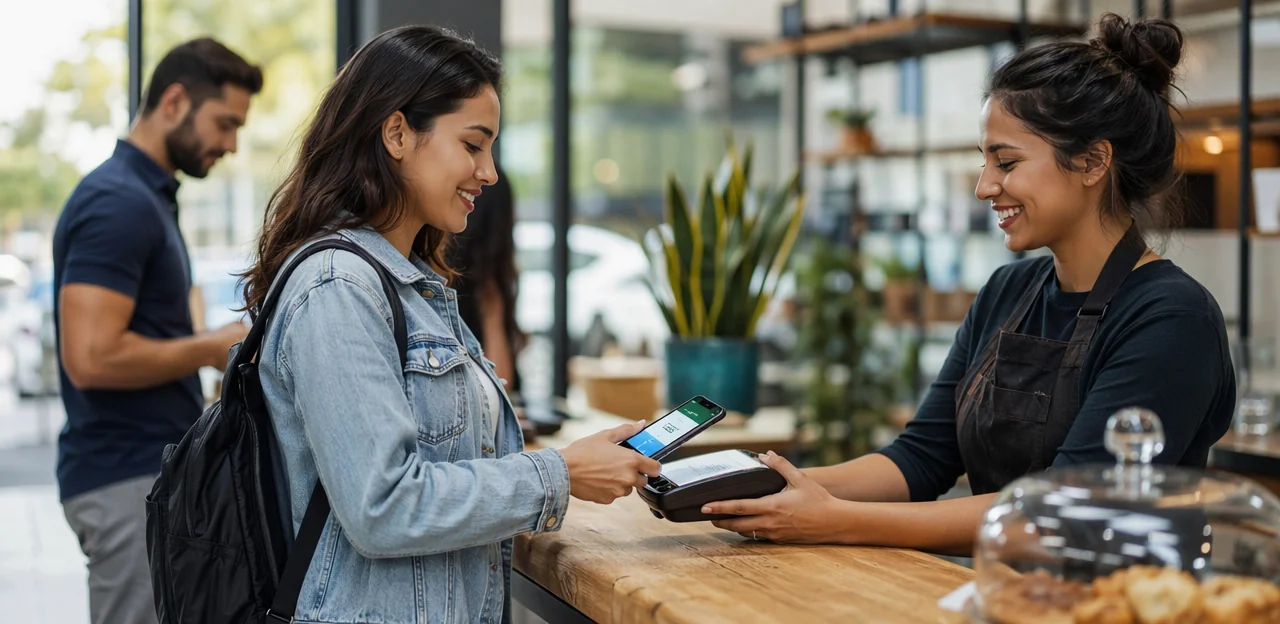
- Apple Wallet and Google Wallet passes: Customers save a pass once, then receive updated balances, perks, and offers automatically. It’s ideal for retail, salons, cafés, and even a travel rewards program tied to stays or visits.
- POS-linked earning and redemption: When integrated with the till, purchases trigger points and rewards automatically. For a loyalty rewards program for restaurants, this enables seamless table-side, takeaway, and hotel bar redemptions.
Platforms such as Tapsy can also support no-app, on-premise engagement through QR and tap-based interactions.
Referral and membership models without app installs
A rewards program app alternative can power acquisition and retention without asking customers to download a rewards program app or loyalty program app. Instead, use mobile-friendly links, SMS, email, QR codes, and simple customer profiles.
- Referral rewards program: Share a personal link by text or email; reward both the referrer and new customer after purchase.
- VIP club or tiered membership: Track spend, visits, or bookings in a browser-based profile, ideal for retail, services, or a travel rewards program.
- Digital punch cards: Great as a loyalty rewards program for restaurants or cafés, with stamps tied to a phone number.
- Small-business friendly: A rewards program for small business can combine referrals, perks, and repeat-visit incentives in one lightweight system.
This approach reduces friction, improves sign-ups, and avoids the complexity of an app rewards app.
How AI and Analytics Strengthen No-Download Loyalty Programs
Using first-party data to personalize offers
A rewards program app alternative that works without downloads can still collect rich first-party data at every touchpoint. Each tap, scan, or browser-based interaction helps businesses understand:
- Visit frequency and recency
- Purchase history and average spend
- Preferred channels such as SMS, email, or web
- Redemption behavior and reward preferences
With strong AI & Analytics, this data becomes more than reporting. AI can predict which guest is likely to return, which customer needs a win-back offer, and which reward will drive the next purchase. That makes a browser-based loyalty program app or rewards program app highly effective for a rewards program for small business, a loyalty rewards program for restaurants, or even a travel rewards program.
It also supports smarter segmentation for an app rewards app experience and a targeted referral rewards program.
Measuring retention, redemption, and lifetime value
When evaluating any rewards program app alternative, analytics should matter as much as the reward itself. Whether you use a traditional rewards program app, a browser-based loyalty program app, or a no-download model, track the KPIs that prove real loyalty & retention impact:
- Enrollment rate: How many customers join after seeing the offer.
- Active member rate: The share of members engaging repeatedly with your app rewards app or program.
- Repeat purchase rate: A must for any rewards program for small business or loyalty rewards program for restaurants.
- Reward redemption rate: High redemption signals relevance; low redemption may mean friction.
- Churn reduction: Measure whether members stay longer than non-members.
- Customer lifetime value (CLV): The clearest test of whether a referral rewards program or travel rewards program drives profitable retention.
The best platforms turn these metrics into actionable decisions, not just dashboards.
Predictive insights for smarter campaign decisions
A strong rewards program app alternative should do more than replace downloads—it should help teams act earlier and market smarter. AI-driven analytics can turn real-time behavior into practical retention actions without adding friction for the customer.
- Predictive segmentation: Group guests by visit patterns, spend, preferences, or inactivity risk across a travel rewards program, loyalty rewards program for restaurants, or rewards program for small business.
- Churn alerts: Flag customers who are likely to stop engaging so staff can respond with timely offers.
- Next-best-offer recommendations: Suggest the most relevant incentive instead of sending every user the same generic promotion.
- Automated win-back campaigns: Trigger personalized reminders, perks, or a referral rewards program when activity drops.
Unlike a traditional rewards program app, app rewards app, or loyalty program app, this approach keeps participation instant and browser-based. Platforms such as Tapsy show how no-download engagement can pair with AI to improve conversions and repeat visits.
Best-Fit Use Cases Across Industries

Restaurants, cafes, and food service brands
For food service operators, a rewards program app alternative removes the biggest barrier to repeat visits: download friction. Instead of asking guests to install a rewards program app or loyalty program app, restaurants can trigger rewards through QR codes on receipts, phone-number lookup, and Apple or Google wallet passes.
- QR receipts: Turn every purchase into an instant join point for a loyalty rewards program for restaurants.
- Phone numbers: Let guests earn and redeem without passwords, making it ideal as a rewards program for small business.
- Wallet passes: Push combo offers, lunch upgrades, and limited-time promos without an app rewards app experience.
- Referral rewards program: Reward diners for bringing friends, much like a simplified travel rewards program model.
Operationally, quick-service brands gain faster enrollment and easier upselling, while full-service concepts can drive return visits, capture first-party data, and personalize offers by visit history.
Retail, ecommerce, and service businesses
For boutiques, salons, med spas, auto shops, and home service brands, a rewards program app alternative removes the biggest barrier to repeat business: asking customers to download yet another tool. A no-download browser-based flow makes a rewards program for small business far more affordable and easier to launch than a traditional loyalty program app.
- At checkout or after service: use QR or NFC to offer points, bounce-back discounts, or a referral rewards program.
- After purchase: send a tap-to-claim reward for rebooking, reviews, or product replenishment.
- For service reminders: connect rewards to oil changes, facials, seasonal treatments, or maintenance visits.
Unlike a complex rewards program app or app rewards app, this approach is simple, low-cost, and practical. Even businesses inspired by a travel rewards program or loyalty rewards program for restaurants can adapt the same model for local retention.
Travel, hospitality, and multi-location brands
For hotels, tour operators, and transportation companies, a rewards program app alternative can remove download friction while keeping loyalty simple across every touchpoint. Instead of a traditional rewards program app or app rewards app, brands can use mobile web portals, email-based accounts, and partner perks to power a flexible travel rewards program.
- Let guests join via QR codes, booking confirmations, or in-venue links.
- Store points in an email-linked profile rather than a loyalty program app.
- Add partner offers for dining, upgrades, transfers, or local experiences.
- Use centralized analytics to compare locations, measure repeat bookings, and refine offers.
This model also supports a referral rewards program, scales as a rewards program for small business, and can even connect with a loyalty rewards program for restaurants inside hotel groups.
How to Choose the Right Rewards Program Software

Core features to evaluate before selecting a platform
When comparing a rewards program app alternative with a traditional rewards program app, focus on practical capabilities that affect adoption, data quality, and long-term value:
- Omnichannel enrollment: Join via QR, NFC, web, SMS, email, or in-store checkout—critical for a no-download loyalty program app experience.
- POS and CRM integrations: Sync purchases, profiles, and redemptions automatically for better software selection decisions.
- Segmentation: Target by visit frequency, spend, location, or preferences for a rewards program for small business or enterprise brand.
- Flexible reward rules: Support points, tiers, time-based offers, and use cases like a travel rewards program or loyalty rewards program for restaurants.
- Referral tools: Built-in sharing, tracking, and incentives for a referral rewards program.
- Reporting and automation: Measure ROI, repeat visits, and trigger follow-ups without manual work.
A strong no-download platform can outperform an app rewards app by removing signup friction while preserving rich analytics.
Questions to ask vendors about implementation and support
Use this checklist when comparing any rewards program app alternative to a traditional rewards program app or loyalty program app:
- Onboarding: How long does setup take, and who owns implementation?
- Data migration: Can they import customer, points, and offer data from your current app rewards app or CRM?
- Staff training: What training is included for managers and frontline teams?
- Compliance: How do they handle consent, privacy, and industry-specific requirements?
- Customization: Can flows, branding, and rewards fit a travel rewards program, referral rewards program, or loyalty rewards program for restaurants?
- Scalability: Will it work for a single rewards program for small business or multiple locations?
- Support: Is help available by chat, phone, and email, with clear SLAs?
Strong software selection means choosing a platform that matches your industry, team capacity, and growth plans.
Cost, ROI, and long-term flexibility
A rewards program app alternative often beats a traditional rewards program app on total cost because pricing is usually subscription-based, with lower setup fees and faster launch. By contrast, a custom loyalty program app or app rewards app can add hidden costs: design, development, OS updates, bug fixes, security, app store compliance, and ongoing marketing just to drive downloads.
To estimate ROI, compare monthly platform cost against gains from:
- higher repeat purchase frequency
- better loyalty & retention
- more sign-ups for a referral rewards program
- increased average customer lifetime value
A simple payback formula is:
(retained customers + referral sales + extra visits) - monthly cost
This works well for a rewards program for small business, a loyalty rewards program for restaurants, or even a travel rewards program. No-download tools can also offer more flexibility, as platforms such as Tapsy can be updated without forcing users to install anything.
Implementation Tips for Launching a No-Download Loyalty Strategy

Designing a simple enrollment and reward journey
A rewards program app alternative works best when enrollment feels effortless. Instead of a long loyalty program app sign-up, keep it to one or two steps: tap, scan, or click, then enter only essential details. Make the value obvious at first interaction with a clear promise like “Join now, get 10% off today” or “Earn your first reward instantly.”
- Reduce friction: Skip downloads, passwords, and lengthy forms common in an app rewards app flow.
- Match rewards to motivation: Use offers that fit the audience, from a travel rewards program perk to a loyalty rewards program for restaurants.
- Keep rewards relevant: A rewards program for small business or referral rewards program should feel immediate, simple, and worth the action.
This simplicity improves customer experience and often outperforms a traditional rewards program app by increasing participation at the moment of engagement.
Promoting the program across channels
To launch a rewards program app alternative successfully, promote it everywhere customers already interact with your brand:
- In-store: Use table tents, window decals, checkout signage, packaging inserts, and receipts with QR codes linking directly to signup or rewards.
- Digital: Add website banners, pop-ups, email campaigns, SMS reminders, and paid social ads that highlight “no download needed” as an advantage over a traditional rewards program app or loyalty program app.
- Staff prompts: Train employees to mention benefits at checkout, during service, or after purchase.
To grow faster, build a referral rewards program that gives both the referrer and new member an instant perk. This works especially well for a rewards program for small business, a loyalty rewards program for restaurants, or even a travel rewards program. Platforms like Tapsy can also support tap-or-scan engagement without the friction of an app rewards app.
Optimizing after launch with testing and feedback
Launching a rewards program app alternative is only the start; long-term loyalty & retention comes from continuous improvement powered by AI & Analytics. Use a simple test-and-learn cycle:
- A/B test offers: Compare discount vs. bonus points, instant rewards vs. delayed perks, or referral incentives in a referral rewards program.
- Monitor redemption patterns: Track who redeems, when, and where by segment, whether for a travel rewards program, loyalty rewards program for restaurants, or rewards program for small business.
- Collect feedback fast: Ask short post-redemption questions to learn what motivates action more effectively than a typical rewards program app or app rewards app.
- Refine messaging by audience: Tailor copy, timing, and channels for new, repeat, and high-value users in your loyalty program app strategy.
Conclusion
Choosing the right rewards program app alternative comes down to one core goal: making loyalty effortless for customers and measurable for your business. Across industries, the strongest alternatives remove friction, improve participation, and give teams better data than a traditional rewards program app that depends on downloads, logins, and ongoing app engagement. Whether you’re evaluating an app rewards app for retail, a travel rewards program for hospitality, a loyalty program app for multi-location brands, or a loyalty rewards program for restaurants, the best solution is the one customers will actually use.
For growing brands, that also means choosing a system that supports personalization, AI-driven insights, and first-party data capture without adding complexity. A modern rewards program for small business should be easy to launch, affordable to scale, and flexible enough to support promotions, feedback collection, and even a referral rewards program from one platform. Solutions such as Tapsy, which enable no-download engagement at the point of experience, reflect where loyalty is heading.
As a next step, compare vendors based on adoption rates, analytics, integrations, and customer experience. Request demos, test real user journeys, and review case studies before committing. The right rewards program app alternative won’t just replace an app—it will create stronger retention, better insights, and more repeat business.
Frequently Asked Questions
- What is a no-download alternative to a rewards program app?
It is a loyalty setup that lets customers join, earn, and redeem without installing an app. Common formats include SMS, mobile web pages, QR codes, email links, digital wallet passes, and POS-linked experiences.
- Why do traditional rewards program apps create friction for customers?
Many customers do not want another app, login, password reset, or notification stream to manage. App fatigue, limited phone storage, and intrusive permission requests can all increase sign-up abandonment.
- How does a no-download loyalty program improve customer experience?
It removes the need for app-store searches, downloads, and lengthy sign-up steps. Customers can enroll quickly through channels like SMS, QR codes, email links, or wallet passes, which makes participation feel immediate and simple.
- Which no-download loyalty formats are most commonly used?
Common options include browser-based dashboards, text-to-join programs, and email-linked accounts. Businesses also use QR code check-ins, Apple Wallet or Google Wallet passes, and POS-linked earning and redemption.
- How do QR codes and digital wallet passes fit into a loyalty strategy?
QR codes let customers scan signs, receipts, table tents, or inserts to join, collect points, or unlock offers. Digital wallet passes let customers save a pass once and then receive updated balances, perks, and offers without using a full app.
- Can a referral rewards program work without an app install?
Yes, referrals can run through mobile-friendly links shared by text or email. A business can reward both the referrer and the new customer after purchase without requiring a downloadable app.
- What types of businesses benefit most from no-download loyalty programs?
Restaurants, cafés, retail stores, salons, med spas, auto shops, home service brands, hotels, tour operators, and transportation companies can all benefit. The approach is especially useful anywhere fast enrollment and repeat visits matter.
- How can restaurants use a no-download rewards model?
Restaurants can use QR codes on receipts, phone-number lookup, and wallet passes to let guests earn and redeem easily. This supports quick enrollment, repeat visits, upselling, and referral offers without forcing diners to install an app.
- How can retail and service businesses launch loyalty without building an app?
They can offer points, bounce-back discounts, referrals, or rebooking rewards through QR codes, NFC, SMS, or browser-based pages. This keeps costs lower and makes the program easier to launch than a custom app-based setup.
- What role does first-party data play in a no-download loyalty program?
Each scan, tap, or browser interaction can capture useful data such as visit frequency, purchase history, average spend, preferred channels, and redemption behavior. That data helps businesses understand customers and personalize offers more effectively.
- How do AI and analytics make no-download loyalty programs stronger?
AI can use first-party data to predict who is likely to return, who may need a win-back offer, and which reward is most relevant. Analytics also help teams segment audiences, spot churn risk, and automate more targeted campaigns.
- Which loyalty metrics should businesses track to measure success?
Key metrics include enrollment rate, active member rate, repeat purchase rate, reward redemption rate, churn reduction, and customer lifetime value. These show whether the program is improving retention and generating profitable repeat behavior.
- What features should you compare when choosing rewards program software?
Look for omnichannel enrollment, POS and CRM integrations, segmentation, flexible reward rules, referral tools, reporting, and automation. These capabilities affect adoption, data quality, and how well the system supports different industries and growth plans.
- How can a business estimate ROI for a no-download loyalty platform?
A simple approach is to compare the monthly platform cost against gains from retained customers, referral sales, and extra visits. No-download tools can also reduce costs tied to app design, development, updates, bug fixes, and download marketing.
- What are the best practices for launching and improving a no-download loyalty program?
Keep enrollment to one or two simple steps, make the first reward clear, and promote the program across in-store and digital channels. After launch, test different offers, monitor redemption patterns, collect quick feedback, and refine messaging by audience segment.