In senior living communities, the smallest day-to-day details often shape the biggest impressions. A slow maintenance response, a noisy shared area, or a thoughtful staff interaction can all influence how residents feel about where they live. That is why senior housing feedback matters so much: it gives providers a clearer view of resident needs, service gaps, and opportunities to improve comfort, trust, and quality of life.
Yet collecting honest, timely input from older residents is not always simple. Traditional surveys can feel burdensome, response rates may be low, and feedback often arrives too late to fix problems quickly. Low-friction tools are changing that. Simple methods such as QR touchpoints, tap-based feedback, short mobile-friendly forms, and on-the-spot reporting make it easier to capture resident voice while experiences are still fresh. Solutions like Tapsy, for example, show how housing teams can gather feedback directly at key service and facility touchpoints without adding unnecessary complexity.
This article explores how senior housing operators can collect better feedback with less effort from residents, what low-friction tools work best in practice, and how faster, more accessible listening systems can strengthen resident experience, service recovery, and long-term satisfaction.
Why senior housing feedback matters in resident experience

The link between resident voice and service quality
Senior housing feedback is the ongoing collection of comments, ratings, and suggestions from residents about daily living and support services. When providers make the resident voice easy to share and act on, they gain a clearer view of what shapes the resident experience most.
Listening well helps teams improve:
- Care-adjacent services: transport, housekeeping, reception, and activity support
- Communication: clearer updates about schedules, changes, and follow-up actions
- Maintenance: faster reporting and resolution of repairs or cleanliness issues
- Dining: menu variety, timing, portion sizes, and dietary needs
- Safety and community life: lighting, access, noise, events, and social connection
The key is low-friction collection at the moment of experience, such as short QR or tap-based check-ins. Tools like Tapsy can help providers capture timely input and respond before small issues become bigger problems.
Common barriers to collecting honest feedback from older residents
Several feedback barriers can limit the quality of senior housing feedback and reduce both response rates and candor in older adult surveys:
- Survey fatigue: Repetitive, lengthy questionnaires make residents less likely to respond thoughtfully.
- Accessibility needs: Small text, poor contrast, hearing challenges, or complex layouts can exclude participants.
- Cognitive load: Too many questions, unclear wording, or abstract rating scales can feel overwhelming.
- Fear of complaining: Some residents worry honest criticism could affect relationships with staff or future support.
- Low digital confidence: App downloads, logins, and multi-step forms often discourage participation.
- Staff time constraints: Busy teams may struggle to explain surveys, follow up, or close the loop.
To improve resident satisfaction, keep requests short, offer paper and no-app digital options, allow anonymous responses, and use simple touchpoint tools such as Tapsy where appropriate.
What low-friction feedback means in housing settings
In senior housing feedback programs, low-friction feedback tools are designed to make sharing opinions simple at the moment an experience happens. The goal is to remove effort, so more residents, families, and visitors can respond quickly and comfortably.
Key features of effective housing feedback tools include:
- Easy to use: short questions, large text, clear prompts
- Fast to complete: often 1–2 taps, a quick call, or a brief verbal prompt
- Accessible: suitable for different mobility, vision, language, or digital confidence levels
- Available across channels: SMS, phone, kiosks, QR codes, and in-person prompts
For better customer experience, offer multiple options rather than one survey format. For example, a resident might scan a QR code in a common area, while another prefers a staff-led check-in or phone response. Tools like Tapsy can support simple no-app touchpoint feedback in shared housing spaces.
Choosing low-friction tools for senior housing feedback

Best-fit channels: SMS, voice, paper, kiosks, and QR codes
Choosing the right channel is essential for effective senior housing feedback. The best approach often blends options based on resident independence, mobility, and digital comfort.
- SMS surveys: Best for independent living residents who use mobile phones regularly. Keep messages short, use one-tap rating links, and send them soon after dining, maintenance, or events.
- Voice feedback: Ideal in assisted living and memory care settings, where speaking is easier than typing. Phone calls, IVR, or staff-assisted voice capture can improve response quality and accessibility.
- Paper surveys: Useful for residents who prefer familiar formats or have limited device access. Place them in common areas, but keep forms short to reduce effort.
- Kiosks: Good for lobbies, dining rooms, and activity spaces in broader senior housing environments. Large text and simple buttons help increase participation.
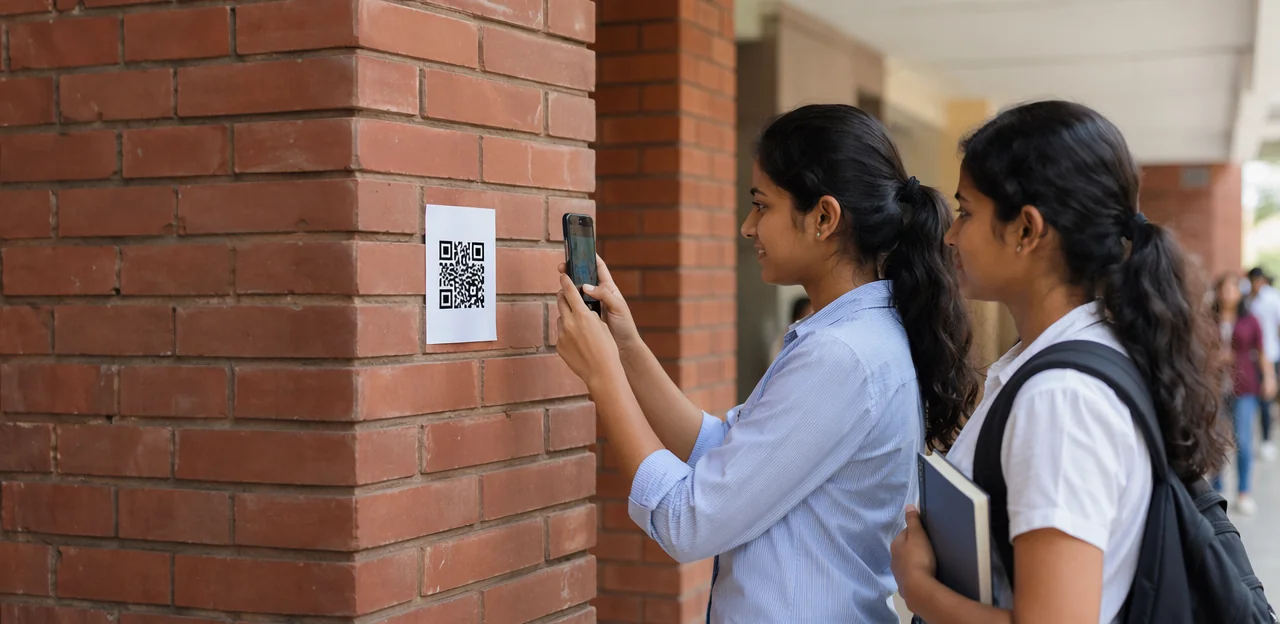
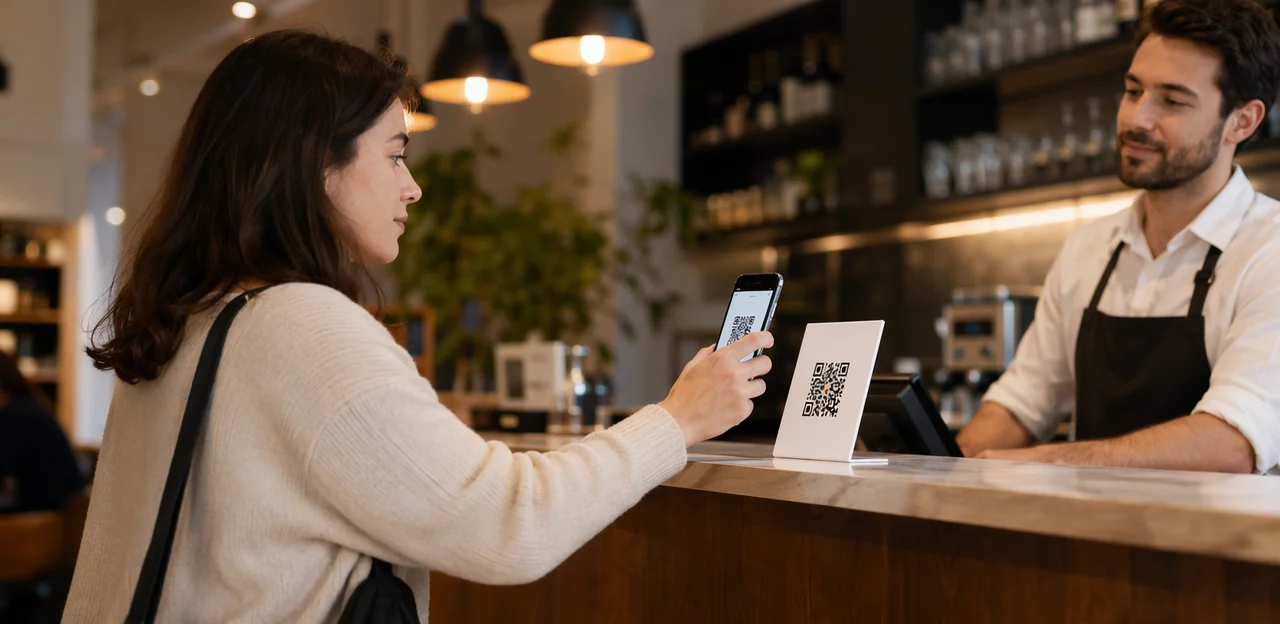
- QR code feedback: Works well for visitors, families, and tech-comfortable residents at specific touchpoints. Tools like Tapsy can support no-app, location-based feedback collection.
Accessibility and inclusion considerations
To improve senior housing feedback, make every response option easy to use for residents with different needs. Strong inclusive feedback design increases participation and gives a more accurate view of resident experience.
- Use accessible surveys with large text, high-contrast colors, plain fonts, and clear spacing for residents with visual challenges.
- Keep questions short, use simple wording, and ask one thing at a time to support residents with cognitive or memory difficulties.
- Offer multiple formats: printed forms, phone feedback, in-person support, QR codes, and touch-friendly digital forms for better senior living accessibility.
- Add captions, transcripts, or text-based options for residents with hearing loss.
- Make tools easy to reach and use for people with limited mobility, including seated access and minimal typing.
- Provide multilingual options and translated instructions so non-native speakers can respond confidently.
If using digital tools such as Tapsy, keep the journey short and intuitive, with clear next steps and optional staff assistance.
Balancing resident convenience with data quality
Strong senior housing feedback programs make it easy for residents to respond without sacrificing useful insight. The key is smart survey design: keep each interaction to under a minute, but structure it to support clear action.
- Use 1–3 rating scales first to measure core experiences such as dining, cleanliness, staff helpfulness, or safety. Consistent scales improve feedback data quality and make trends easier to track.
- Include one open-text prompt like “What could we improve today?” This gives residents space to explain low scores without creating a long survey.
- Ask event-triggered questions after specific moments, such as move-in, maintenance completion, activities, or meal service. This keeps resident survey questions relevant and easier to answer accurately.
- Avoid survey overload by rotating topics instead of asking everything at once.
Tools such as Tapsy can support low-friction, touchpoint-based feedback collection in shared spaces, helping teams capture timely responses while experiences are still fresh.
How to design a resident feedback program that gets responses

Map senior housing feedback requests to natural moments in the resident journey so responses feel helpful, not disruptive. The goal is to place feedback touchpoints where experiences are fresh and easy to recall across the wider housing customer journey.
- Move-in: Ask about welcome, paperwork, room readiness, and staff support within the first 24–72 hours.
- Dining: Use short post-meal check-ins on food quality, choice, timing, and service.
- Maintenance requests: Trigger feedback after the issue is logged and again after resolution to measure speed and satisfaction.
- Activities: Capture quick reactions after events to learn what residents want more of.
- Housekeeping: Ask brief cleanliness and consistency questions after scheduled service.
- Family communications: Invite families to comment after care updates, billing contacts, or important notifications.
Low-friction tools such as QR or NFC points, including Tapsy, can make these moments easy to capture in real time.
Write simple questions that older adults can answer quickly
To improve senior housing feedback, keep every question easy to read and fast to answer. Clear, low-effort prompts increase response rates and reduce drop-off on resident feedback forms.
- Use plain language surveys with familiar words like “clean,” “safe,” or “helpful” instead of terms such as “facility condition” or “service responsiveness.”
- Ask one topic at a time. For example: “Was the hallway clean today?” is better than combining cleanliness, safety, and lighting in one question.
- Keep answer choices short. Simple 3- to 5-point scales work best for survey questions for seniors, such as:
- Very good / Good / Poor
- Yes / No
- Easy / Hard
- Avoid jargon, abbreviations, and double negatives.
- Add one optional comment box only after the rating, so residents can respond quickly without feeling overwhelmed.
Tools like Tapsy can support short, touchpoint-based feedback flows.
Build trust with transparency and follow-up
To increase participation in senior housing feedback, residents need to know their voice is safe, valued, and useful. Strong feedback transparency reduces hesitation and helps build lasting resident trust.
- Explain the purpose clearly: Tell residents what you are asking about, why it matters, and how their input will improve daily life, services, or shared spaces.
- Be specific about use: State who reviews responses, whether feedback is anonymous, and how concerns are prioritized.
- Set expectations for action: Share what happens next, including response times, updates, and which issues can be addressed quickly.
- Practice closing the feedback loop: Report back on changes made, even small ones, through noticeboards, SMS, or staff conversations.
Simple tools such as QR touchpoints or platforms like Tapsy can support quick collection and visible follow-up.
Turning senior housing feedback into action
Prioritize issues by impact, urgency, and frequency
To turn senior housing feedback into action, sort every comment or rating using three filters: impact, urgency, and frequency. This keeps feedback analysis practical and prevents teams from chasing everything at once.
- Quick wins: Low-effort fixes with visible resident benefit, such as clearer signage, dining room timing, or housekeeping follow-up.
- Recurring service issues: Repeated resident complaints about maintenance delays, call response times, transport, or meal quality. These need process fixes and ownership.
- Strategic improvement themes: Larger patterns tied to staffing, accessibility, safety, or communication that require cross-team planning.
A simple tagging system in your dashboard can help. Tools like Tapsy can support fast categorization at the point of experience, helping housing teams focus on service improvement without becoming overwhelmed.
Share insights with frontline teams and leadership
To turn senior housing feedback into action, make insights visible at every level of the organization. The goal is not just collecting comments, but helping teams respond faster and make better operational decisions.
- Use feedback dashboards to show trends by building, floor, service area, or issue type. This helps managers spot recurring concerns around maintenance, dining, cleanliness, or staff responsiveness.
- Send weekly summaries to highlight top themes, urgent issues, and positive resident comments. Clear summaries turn raw feedback into practical property management insights.
- Review feedback in team huddles so supervisors and frontline staff feedback loops stay active. Short discussions help teams assign owners, close the loop, and prevent repeat issues.
Tools like Tapsy can support this by routing real-time feedback into simple, actionable views.
Close the loop with residents and families
Collecting senior housing feedback only creates value when people see what happens next. To close the loop, share clear updates with residents and families about what was heard, what action is being taken, and what timelines to expect. Strong resident communication reduces frustration and shows concerns are taken seriously.
- Acknowledge feedback quickly: Thank residents and families, confirm receipt, and recognize the concern.
- Communicate visible changes: Use noticeboards, email, SMS, or family portals to explain improvements made.
- Be honest about limits: If a request cannot be addressed immediately, explain why and share the next review date.
- Report back regularly: Monthly “you said, we did” summaries help build trust and improve family satisfaction.
Low-friction tools, including options like Tapsy, can make updates faster and more consistent.
Metrics and SEO-relevant proof points readers care about

Key metrics to track in a feedback program
To make senior housing feedback useful, track a small set of feedback KPIs that show both engagement and outcomes:
- Response rate: Measure how many residents respond after being invited. A higher response rate usually signals low-friction collection methods.
- Completion rate: Track how many residents finish the survey once they start it. Low completion often means the process is too long or unclear.
- Sentiment: Analyze positive, neutral, and negative comments to spot recurring themes quickly.
- Issue resolution time: Monitor how fast teams close reported concerns.
- Resident satisfaction metrics: Review satisfaction trends over time by location, service, or touchpoint.
- Participation by channel: Compare QR, SMS, email, kiosk, or in-person methods to invest in the channels residents actually use.
How feedback supports occupancy, retention, and reputation
A strong senior housing feedback program does more than measure satisfaction; it directly improves occupancy rates, resident retention, and online reputation management.
- Resolve issues early: Low-friction feedback tools help teams spot concerns around dining, maintenance, cleanliness, or staff responsiveness before they become move-out reasons.
- Turn improvements into better reviews: When residents and families see action taken, they are more likely to leave positive public reviews and recommend the community to others.
- Strengthen referrals: Consistently listening and responding builds trust, which drives word-of-mouth referrals in competitive senior housing markets.
- Create a better customer experience: Simple QR or touchpoint tools, such as Tapsy, make it easier to capture resident voice in real time and act fast.
Compliance, privacy, and ethical handling of resident data
Strong senior housing feedback programs depend on trust. To protect data privacy and support ethical feedback collection, providers should keep processes simple, transparent, and secure:
- Get clear consent: Explain what data is collected, why it is needed, and whether responses are anonymous or identifiable.
- Protect resident confidentiality: Limit access to feedback, remove unnecessary personal details, and share results in aggregate where possible.
- Use secure storage: Store data in encrypted systems, apply role-based permissions, and define retention periods for deletion.
- Use feedback respectfully: Act on insights to improve services, not to monitor, penalize, or pressure residents.
Low-friction tools, including platforms like Tapsy, should make privacy choices visible and easy to understand.
Best practices and common mistakes in senior housing feedback collection

Best practices for sustainable resident listening
- Build a multichannel feedback approach so residents can respond in person, by SMS, phone, paper, or simple QR touchpoints.
- Keep requests short: ask 1–3 clear questions to reduce effort and improve response rates.
- Time outreach carefully after key moments, such as move-in, maintenance visits, meals, or activities.
- Make senior housing feedback part of daily operations by assigning owners, reviewing trends weekly, and closing the loop quickly.
These feedback best practices help create a durable resident listening strategy that staff can maintain consistently.
Mistakes that create friction or low trust
Common errors can quickly undermine senior housing feedback efforts and reduce participation:
- Overly long surveys: These drive survey fatigue, especially when residents are asked for too much detail at once.
- Inaccessible formats: Small text, digital-only forms, or confusing wording exclude many residents and signal poor feedback design.
- Asking too often: Frequent requests can feel intrusive rather than supportive.
- Failing to act visibly: The fastest way to create resident trust issues is to collect feedback and show no outcome.
Keep requests short, accessible, and always close the loop with clear updates.
A simple implementation roadmap for housing providers
- Choose a pilot site: Start with one building, service line, or shared area with frequent resident contact.
- Define 2–3 goals: Tie your housing feedback program to clear outcomes like faster issue resolution or better satisfaction scores.
- Use low-friction channels: Deploy QR codes, SMS, kiosks, or tools like Tapsy to capture senior housing feedback quickly.
- Train frontline staff: Show teams how to invite feedback, escalate concerns, and close the loop.
- Set a reporting cadence: Review weekly trends, monthly themes, and actions to strengthen your resident experience strategy and implementation roadmap.
Conclusion
In senior living communities, the most effective improvements often start with one simple habit: making it easy for residents to be heard. As this article has shown, strong senior housing feedback systems depend on low-friction tools that meet residents where they are—whether through QR codes, simple touchpoints, short surveys, staff-assisted options, or accessible digital channels. When feedback is easy to give, providers gain more timely insights, spot issues earlier, and respond in ways that strengthen trust, comfort, and overall resident experience.
Just as importantly, collecting senior housing feedback should never be treated as a box-ticking exercise. The real value comes from closing the loop: acknowledging concerns, acting on patterns, and communicating what changes have been made. That’s how housing teams turn resident voice into measurable service improvements and stronger community relationships.
The next step is to audit your current feedback journey. Identify where residents experience friction, simplify the process, and ensure every response reaches the right team quickly. If you’re exploring practical tools, solutions such as Tapsy can help housing providers capture feedback at key touchpoints without adding complexity. You can also review your accessibility standards, staff response workflows, and reporting dashboards to build a more resident-centered approach. Start small, act consistently, and let senior housing feedback guide better decisions every day.
Frequently Asked Questions
- What is senior housing feedback?
Senior housing feedback is the ongoing collection of comments, ratings, and suggestions from residents about daily living and support services. It helps providers understand what affects comfort, trust, and overall resident experience most.
- Why is low-friction feedback important in senior living communities?
Low-friction feedback makes it easier for residents to share input while an experience is still fresh. That helps teams catch service gaps earlier, respond faster, and prevent small issues from becoming bigger problems.
- What are the main barriers to getting honest feedback from older residents?
Common barriers include survey fatigue, accessibility needs, cognitive load, fear of complaining, low digital confidence, and limited staff time. These issues can reduce both response rates and the honesty of responses.
- Which low-friction tools can senior housing providers use to collect feedback?
Useful options include QR touchpoints, tap-based feedback, short mobile-friendly forms, SMS, phone or voice feedback, paper surveys, kiosks, and in-person prompts. A mix of channels works best because residents have different preferences and abilities.
- How do SMS, voice, paper, kiosks, and QR codes compare for resident feedback?
SMS works well for independent residents who regularly use mobile phones, while voice options can be better in assisted living and memory care settings. Paper suits residents who prefer familiar formats, kiosks fit shared spaces like lobbies and dining rooms, and QR codes are useful for visitors, families, and tech-comfortable residents.
- What makes a feedback tool accessible for older adults?
Accessible tools use large text, high contrast, plain fonts, clear spacing, and simple wording. They should also support multiple formats such as print, phone, in-person help, and touch-friendly digital forms, with options for hearing, mobility, and language needs.
- How can providers keep feedback easy without losing useful detail?
A strong approach is to start with a simple 1–3 point rating scale and then offer one optional open-text prompt. Keeping each interaction under a minute and asking questions tied to a specific event improves both response quality and actionability.
- When should senior housing teams ask residents for feedback?
Feedback works best when it is tied to natural moments in the resident journey, such as move-in, dining, maintenance requests, activities, housekeeping, and family communications. Asking soon after these touchpoints makes responses easier to recall and more relevant.
- What kinds of questions should be used on resident feedback forms?
Questions should be short, plain, and focused on one topic at a time. Simple answer choices like Yes/No, Easy/Hard, or Very good/Good/Poor reduce effort and help older adults respond quickly.
- How can senior living communities build trust so residents feel safe sharing concerns?
Providers should clearly explain why feedback is being collected, who reviews it, and whether it is anonymous. Trust also improves when teams set expectations for follow-up and regularly show what changes were made.
- How should teams prioritize resident feedback once it is collected?
Comments and ratings can be sorted by impact, urgency, and frequency. This helps teams separate quick wins from recurring service issues and larger strategic themes that need cross-team planning.
- What does it mean to close the loop with residents and families?
Closing the loop means acknowledging feedback, explaining what action is being taken, and sharing timelines or limits when needed. Regular updates such as noticeboards, SMS, email, or monthly summaries show that concerns are taken seriously.
- Which metrics are most useful in a senior housing feedback program?
Key metrics include response rate, completion rate, sentiment, issue resolution time, satisfaction trends, and participation by channel. Tracking a small set of KPIs helps teams measure both engagement and service outcomes.
- How can resident feedback affect occupancy, retention, and reputation?
Timely feedback helps providers resolve issues around dining, maintenance, cleanliness, and staff responsiveness before they become reasons to move out. When residents and families see visible improvements, communities can strengthen reviews, referrals, and long-term satisfaction.
- What common mistakes make senior housing feedback programs less effective?
Long surveys, inaccessible formats, overly frequent requests, and failing to act visibly all create friction and reduce trust. A more sustainable approach is to keep requests short, use multiple channels, assign owners, and review trends regularly.