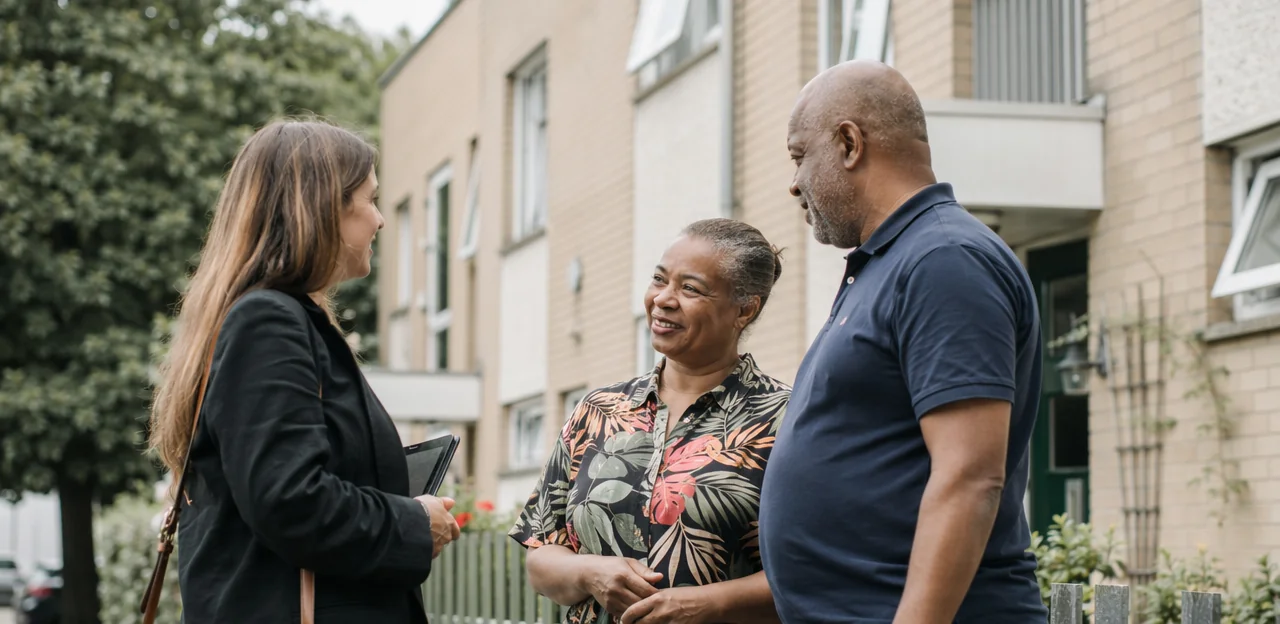
When residents feel unheard, trust in housing providers erodes quickly. In social housing, feedback is more than a measure of satisfaction; it is a vital source of insight into repairs, safety, communication, and the overall quality of service. Yet too often, organisations rely on fragmented surveys, delayed responses, and inconsistent reporting, making it difficult to turn resident voices into meaningful action. That is why better social housing feedback systems are becoming essential for improving accountability.
With stronger data collection and analysis, housing providers can move beyond box-ticking exercises and start identifying patterns, resolving issues faster, and demonstrating real transparency to residents, boards, and regulators. Good feedback data does not just reveal what has gone wrong; it helps organisations understand why problems persist and where service delivery needs to improve most.
This article explores how social housing feedback can be captured more effectively, how better data strengthens service accountability, and why resident experience should sit at the centre of housing strategy. It will also look at the role of AI and analytics in turning raw feedback into practical insight, helping providers make more informed decisions and build stronger, more responsive relationships with the communities they serve.
Why social housing feedback matters more than ever
The link between resident voice and accountability
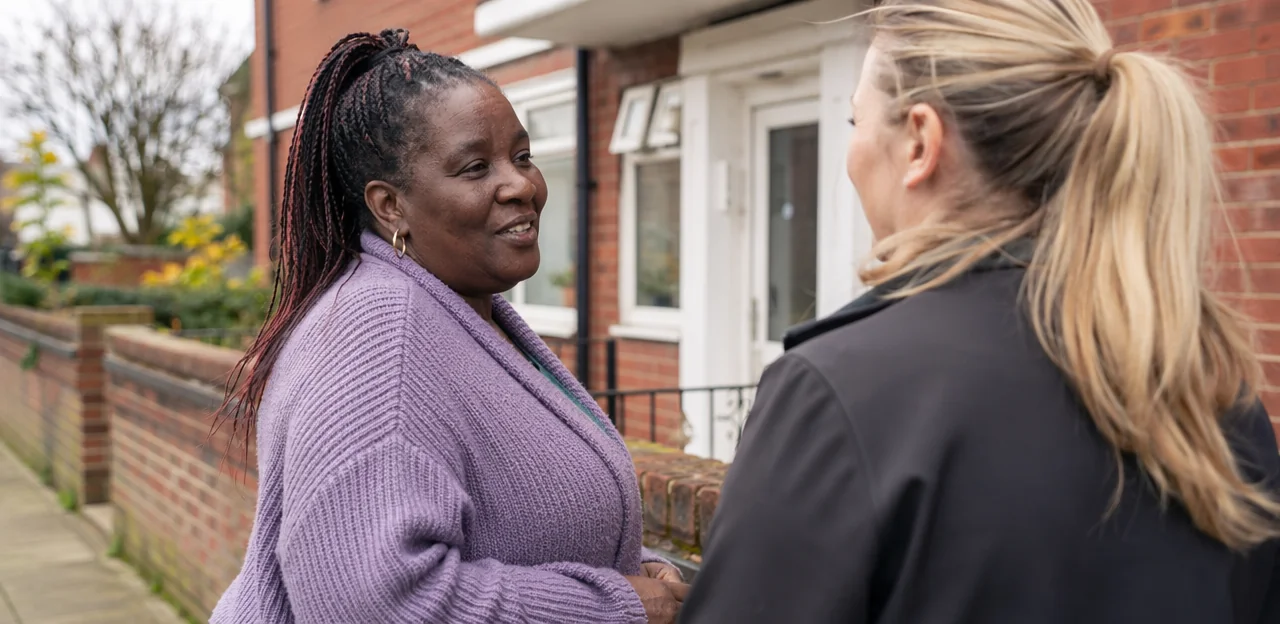
Social housing feedback is the structured collection of residents’ views, experiences, and concerns about repairs, safety, communication, and overall service quality. It matters because resident voice is one of the clearest tests of service accountability: if landlords listen well, they can act earlier, explain decisions better, and show where services are improving.
To make feedback meaningful, housing providers should:
- Capture input regularly through surveys, complaints, repairs follow-ups, and tenant panels
- Respond visibly so residents can see what was heard and what action followed
- Track measurable outcomes such as repair times, complaint resolution, and satisfaction trends
- Report back transparently to build trust and demonstrate continuous improvement
Residents increasingly expect landlords not just to collect feedback, but to prove it leads to change.
Regulatory pressure and rising service expectations
As housing regulation tightens, landlords are expected to show not only that they listen, but that they act. Strong social housing feedback systems now play a central role in meeting consumer standards, improving complaint handling, and strengthening landlord accountability.
- Consumer standards are becoming more outcome-focused: providers need clear evidence that resident concerns are captured, prioritised, and resolved.
- Complaint handling expectations are rising: landlords should track response times, recurring issues, and satisfaction after resolution to spot service failure early.
- Performance scrutiny is increasing: boards, regulators, and residents want transparent reporting backed by reliable data.
To respond effectively, housing providers should combine real-time feedback, complaint trend analysis, and audit-ready reporting. This supports evidence-based decisions, helps target resources where they matter most, and demonstrates measurable service improvement.
What poor feedback management costs housing providers
When social housing feedback is fragmented across emails, calls, surveys, and spreadsheets, the cost is far more than admin time. It directly affects housing service performance, increases resident complaints, and weakens tenant satisfaction.
- More unresolved complaints: Issues get lost between teams, creating delays, repeat failures, and avoidable escalation.
- Lower resident trust: When tenants feel ignored, confidence in the landlord’s accountability and responsiveness drops.
- Higher contact volumes: Poor tracking leads to repeat contacts, duplicated work, and extra pressure on housing and repairs teams.
- Missed service improvements: Without joined-up insight, providers overlook patterns in repairs, communication gaps, and tenancy support needs.
To reduce risk, centralise feedback data, track themes in real time, and link complaints insight to service improvement plans.
Common problems with social housing feedback data

Siloed systems and incomplete resident insight
One of the biggest barriers to improving social housing feedback is that information is often fragmented across multiple teams and tools. When feedback lives in separate CRM platforms, repairs logs, surveys, contact centres, and complaint records, landlords struggle to turn raw comments into meaningful resident insight.
This creates common problems:
- Duplicate or conflicting records across systems
- Missed trends linking repairs, complaints, and satisfaction
- Limited visibility of vulnerable residents or repeat issues
- Slow action because staff cannot access joined-up customer data
To reduce housing data silos, providers should:
- Connect key systems through integrations or shared dashboards
- Use common resident identifiers across channels
- Combine operational and sentiment data in one reporting view
A unified approach makes service accountability far easier to measure and improve.
Low-quality data and inconsistent categorisation
Poor data quality can quickly undermine the value of social housing feedback. When teams rely on duplicate records, incomplete complaint histories, or inconsistent labels, it becomes harder to see recurring problems and act with confidence.
Key issues often include:
- Duplicate records that inflate issue volumes or hide repeat resident concerns
- Missing context such as location, tenancy type, repair stage, or vulnerability indicators
- Weak feedback categorisation, where similar issues are tagged differently across teams
- Large volumes of free-text feedback that are difficult to analyse consistently at scale
To improve housing analytics, providers should standardise taxonomies, require essential metadata at capture, and use AI-assisted text classification to turn open comments into usable themes. Tools such as Tapsy can support more structured, real-time feedback capture where relevant.
Why reactive reporting fails to drive improvement
Reactive reporting often tells housing teams what went wrong after the damage is done. Traditional housing dashboards rely on static snapshots, monthly summaries, and lagging indicators, which makes them poor tools for fast service improvement.
- Problems surface too late: By the time complaints appear in reports, service failures may already have escalated.
- Vulnerable residents are harder to spot: Static dashboards rarely flag changing risk patterns in real time.
- Recurring issues stay hidden: Repeated repairs, communication breakdowns, or missed appointments can be buried in disconnected data.
To improve social housing feedback, providers need live, joined-up insight that combines resident comments, operational data, and case history. This helps teams prioritise urgent action, identify patterns early, and hold services accountable before issues become systemic.
How better data improves service accountability

Turning feedback into measurable service signals
To improve accountability, social housing feedback must move beyond free-text comments and into a structured model that teams can measure consistently. By tagging resident feedback data by issue type, location, property, vulnerability, sentiment, and outcome, housing providers can turn everyday interactions into clear service metrics.
- Unify sources: Combine complaints, compliments, surveys, repair logs, and case notes in one framework.
- Standardise themes: Map comments to trackable categories such as repairs, communication, antisocial behaviour, and staff conduct.
- Create indicators: Use feedback analytics to monitor complaint volumes, repeat issues, resolution times, satisfaction by service area, and emerging risk patterns.
- Enable action: Give leaders dashboards that show trends by estate, contractor, team, or tenancy type, so interventions are targeted and measurable.
This approach helps organisations spot root causes earlier, prioritise resources, and prove service improvements with evidence rather than anecdote.
Using AI and analytics to identify patterns early
With better social housing feedback data, teams can move from reacting to complaints to preventing them. AI in housing helps analyse thousands of comments, calls, surveys and case notes at speed, while text analytics groups recurring themes that manual reviews often miss.
- Detect recurring issues: Spot repeat mentions of damp, missed repairs, antisocial behaviour, poor estate cleaning or unclear tenancy letters across services.
- Track sentiment analysis: Monitor shifts in resident tone over time to flag when trust is falling in a specific block, contractor area or contact channel.
- Find hidden drivers: Link dissatisfaction in repairs to communication delays, repeat visits, or unresolved tenancy concerns rather than the repair itself.
- Prioritise action: Use dashboards and alerts to escalate emerging risks early and target resources where they will improve accountability fastest.
This gives housing teams clearer evidence, faster intervention and more consistent service improvement.
Creating a closed-loop accountability process
A strong closed-loop feedback model turns social housing feedback into visible improvement, not just reporting. To build an effective accountability process, providers should connect every insight to a named owner, a deadline, and a measurable outcome.
- Assign ownership: Route each issue to the right team or manager, with clear responsibility for follow-up.
- Create service action plans: Group recurring themes, prioritise by risk and resident impact, and define actions, timescales, and required resources.
- Track interventions: Use dashboards or case-management tools to monitor progress, overdue actions, and repeat issues across estates or services.
- Measure outcomes: Compare complaint volumes, satisfaction scores, repair completion times, or tenancy sustainment before and after changes.
- Report back to residents: Share “you said, we did” updates through newsletters, portals, and community meetings so residents can see what changed.
This closes the loop, strengthens trust, and makes accountability visible.
Building an effective resident feedback strategy

Collecting feedback across every resident touchpoint
A strong resident feedback strategy should capture social housing feedback wherever residents already interact with services, not just in annual reviews. This creates a fuller picture of experience, trust, and service performance across key housing touchpoints.
- Use short tenant surveys after key moments, such as sign-up, tenancy changes, and completed repairs.
- Collect instant feedback after repairs visits by text or QR code to measure punctuality, quality, and communication.
- Monitor call centres for recurring issues, wait times, and sentiment trends.
- Embed feedback in digital portals so residents can rate transactions, report issues, and suggest improvements in real time.
- Analyse complaints data alongside survey results to identify root causes, not just volumes.
- Gather insight through community engagement events, resident panels, and neighbourhood meetings to hear from less digitally active tenants.
Bringing these channels together helps landlords act faster, spot patterns earlier, and improve accountability.
Designing inclusive and accessible feedback channels
To make social housing feedback useful, providers need channels that reflect the whole community, not just the most digitally confident residents. Strong inclusive engagement improves accountability by making it easier for every voice to be heard and acted on.
- Offer accessible feedback in multiple formats: phone, SMS, paper forms, web, in-person sessions, and assisted digital support.
- Provide translation, interpreter services, and plain-language communications so residents can respond in the language and format they understand best.
- Address digital exclusion by offering freephone options, community drop-in points, and staff support for residents with limited internet access or low digital confidence.
- Tailor outreach for vulnerable or underrepresented groups, including older residents, disabled people, and temporary accommodation tenants.
This approach strengthens the resident experience and produces more representative, reliable insight for service improvement.
Governance, ownership, and data standards
To make social housing feedback actionable, providers need clear ownership and consistent rules for how data is collected, stored, and used. Without strong data governance, insights can become fragmented, duplicated, or too unreliable to support service improvements.
- Assign accountability: Define who owns feedback data at each stage, from collection and triage to reporting and action tracking.
- Use standard taxonomies: Apply shared categories, tags, and complaint types so teams can compare trends across estates, contractors, and service areas. Strong housing data standards improve consistency and benchmarking.
- Protect quality and security: Set rules for validation, access controls, retention, and GDPR compliance to keep resident data accurate and secure.
- Enable cross-team collaboration: Housing officers, repairs teams, customer service, and leadership should work from the same definitions and dashboards.
With effective cross-team collaboration, feedback data becomes more reliable, trusted, and useful for better decision-making.
Practical use cases for housing and property teams

Improving repairs and maintenance responsiveness
Well-structured social housing feedback helps teams spot where property maintenance is breaking down and why. When repairs feedback is grouped by issue type, location, contractor, and outcome, patterns become clear:
- Recurring failures: identify repeat boiler, damp, lift, or plumbing issues that signal poor diagnosis or low-quality materials.
- Contractor performance: compare completion times, resident satisfaction, and repeat visits to manage contractor performance more effectively.
- Missed appointments: track no-access claims, late arrivals, and rescheduling rates to fix process bottlenecks.
- Communication gaps: flag cases where residents were not updated on delays, parts, or next steps.
Acting on these insights improves first-time fix rates, reduces avoidable repeat visits, and rebuilds resident trust through faster, clearer service.
Strengthening complaints handling and service recovery
Better social housing feedback gives teams a clearer view of recurring pain points, vulnerable residents, and cases at risk of escalation. With stronger data, complaints management becomes more targeted and consistent.
- Prioritise serious issues faster: Use sentiment, repair history, and resident vulnerability data to flag urgent housing complaints early.
- Reduce escalation: Identify repeat contacts and delayed actions before they become formal complaints or ombudsman cases.
- Improve response quality: Give staff full case context so replies are accurate, empathetic, and action-focused.
- Learn from failures: Track root causes across contractors, estates, or service types to strengthen future service recovery and prevent repeat problems.
This turns every complaint into a practical source of accountability and improvement.
Enhancing resident experience through proactive insight
Strong social housing feedback systems do more than report past issues—they help teams act early. With resident experience analytics, providers can spot patterns that signal risk, such as repeated repair delays, falling response rates, negative sentiment, or missed appointments.
- Identify at-risk households: Combine feedback, arrears trends, repair history, and contact data to flag residents who may need proactive resident support.
- Track recurring dissatisfaction: Analyse themes by scheme, contractor, or service type to uncover repeat pain points before they escalate.
- Improve communication: Monitor unanswered messages, channel preferences, and sentiment to fix barriers that weaken tenant engagement.
Used well, analytics enables faster interventions, more personalised communication, and fewer formal complaints or tenancy breakdowns.
Measuring success and planning the next steps

KPIs that show whether accountability is improving
Track housing KPIs that link resident voice to visible service change. Useful accountability metrics include:
- Average response time to resident reports and complaints
- Complaint resolution rate and time to close cases
- Resident satisfaction metrics by service area, such as repairs, cleaning, and antisocial behaviour handling
- Repeat issue frequency, showing where problems are not being fixed properly
- Actions completed after feedback, measuring how often promised improvements are delivered
Used consistently, these measures turn social housing feedback into evidence of progress, helping landlords spot gaps, prioritise action, and demonstrate accountability transparently.
How to start with quick wins and long-term change
A practical feedback improvement plan should balance immediate fixes with sustained housing transformation:
- Start with the basics: clean existing social housing feedback data, remove duplicates, and standardise categories such as repairs, complaints, anti-social behaviour, and communication.
- Create one view: bring feedback from surveys, call centres, emails, and complaints into a shared dashboard.
- Add analytics tools: use sentiment analysis and trend tracking to spot recurring issues, priority estates, and service gaps.
- Embed continuous improvement: assign owners, review actions monthly, and close the loop with residents to build trust and accountability.
Communicating outcomes back to residents
Closing the loop is where social housing feedback becomes visible accountability. Strong resident communication should explain not only what was heard, but what changed as a result.
- Publish regular “you said, we did” updates across newsletters, portals, noticeboards, and SMS.
- Share direct responses after surveys or complaints, linking feedback to policy changes, repairs processes, and staff standards.
- Use simple metrics: what was raised, what action was taken, and when residents will see results.
- Be honest about what cannot change yet, and why.
This transparency strengthens tenant trust and shows feedback is shaping service design and frontline performance.
Conclusion
In a sector where trust, transparency, and tenant wellbeing matter deeply, better use of social housing feedback is no longer optional—it is essential. When housing providers collect the right data, in the right way, and act on it consistently, they gain far more than resident opinions. They build a clearer picture of service performance, identify recurring issues earlier, strengthen accountability, and create more responsive, resident-centred services.
The most effective approach combines accessible feedback channels, high-quality data collection, and AI-powered analysis to turn large volumes of resident input into practical insight. This helps teams move beyond reactive complaint handling and toward proactive service improvement, better communication, and measurable outcomes. In short, strong social housing feedback systems help providers prove they are listening—and demonstrate how that listening leads to action.
The next step is to review your current feedback journey: are residents heard easily, are insights shared across teams, and are decisions backed by evidence? If not, now is the time to invest in a smarter, more connected approach. Explore resident experience frameworks, data governance best practices, and analytics tools that support continuous improvement. Solutions such as Tapsy can also illustrate how real-time feedback and AI-driven insight may support stronger engagement and service recovery. Better social housing feedback leads to better accountability—and better outcomes for everyone.
Frequently Asked Questions
- What is social housing feedback?
Social housing feedback is the structured collection of residents’ views, experiences, and concerns about repairs, safety, communication, and overall service quality. It gives landlords a clear way to understand what residents are experiencing and where services need to improve.
- Why does resident feedback matter for service accountability?
Resident feedback is one of the clearest tests of whether a housing provider is listening and acting responsibly. When landlords respond visibly, track outcomes, and report back transparently, they can show that feedback leads to real service improvement.
- What problems happen when feedback is managed across disconnected systems?
Fragmented feedback creates duplicate or conflicting records, hides trends, and slows action because staff cannot see a joined-up view of resident issues. It also increases unresolved complaints, repeat contacts, and missed opportunities to improve repairs, communication, and tenancy support.
- How can housing providers collect better feedback data?
Providers should capture feedback regularly through surveys, complaints, repairs follow-ups, tenant panels, call centres, portals, and community engagement. The strongest approach brings these channels together so teams can spot patterns earlier and act faster.
- What makes feedback data low quality?
Low-quality data often includes duplicate records, incomplete complaint histories, missing context, and inconsistent labels for similar issues. Large volumes of free-text comments can also be hard to analyse unless providers use standard categories and require essential metadata at capture.
- Why is reactive reporting not enough in social housing?
Reactive reporting relies on static snapshots and lagging indicators, so problems often appear only after they have already escalated. Live, joined-up insight is more useful because it helps teams identify urgent risks, recurring failures, and vulnerable residents earlier.
- How does better data improve accountability in housing services?
Better data turns resident comments into measurable service signals by tagging issues by type, location, property, vulnerability, sentiment, and outcome. This helps leaders track complaint volumes, repeat issues, resolution times, and satisfaction trends, then target action where it will have the most impact.
- How can AI help analyse social housing feedback?
AI can review large volumes of comments, calls, surveys, and case notes much faster than manual processes. It helps detect recurring issues, track shifts in sentiment, uncover hidden drivers of dissatisfaction, and support earlier intervention through dashboards and alerts.
- What is a closed-loop feedback process?
A closed-loop feedback process connects each issue to a named owner, a deadline, and a measurable outcome. It also includes tracking progress, comparing results before and after changes, and reporting back to residents through updates such as newsletters, portals, or community meetings.
- Which resident touchpoints should be used to gather feedback?
Useful touchpoints include post-repair surveys, tenancy sign-up and change points, call centres, digital portals, complaints, resident panels, and neighbourhood meetings. Using multiple touchpoints creates a fuller picture of trust, experience, and service performance.
- How can feedback channels be made more inclusive and accessible?
Providers should offer feedback through phone, SMS, paper forms, web, in-person sessions, and assisted digital support. Translation, interpreter services, plain-language communication, freephone options, and targeted outreach for vulnerable or underrepresented groups help make insight more representative.
- What governance and data standards are needed for feedback systems?
Providers need clear ownership for collection, triage, reporting, and action tracking, along with shared taxonomies and complaint categories. Strong governance also includes validation rules, access controls, retention policies, GDPR compliance, and cross-team use of the same definitions and dashboards.
- How can feedback improve repairs and maintenance performance?
When repairs feedback is grouped by issue type, location, contractor, and outcome, teams can identify recurring failures, missed appointments, and communication gaps. This supports better contractor management, improves first-time fix rates, and reduces avoidable repeat visits.
- What KPIs show whether accountability is getting better?
Useful measures include average response time, complaint resolution rate, time to close cases, satisfaction by service area, repeat issue frequency, and actions completed after feedback. Used consistently, these KPIs show whether resident voice is leading to visible service change.
- What are the best first steps to improve a social housing feedback strategy?
Start by cleaning existing data, removing duplicates, and standardising categories such as repairs, complaints, antisocial behaviour, and communication. Then create a shared dashboard, add sentiment and trend analysis, assign owners to actions, and close the loop with residents through clear updates.